A bit more frequent than usual, but there are a couple of important events coming up that we wanted to make sure to share. There's also just such a wealth of grassroots support and mutual aid examples that we wanted to share.
Next time we'll get back to our series describing the elements of abolition used in this project, but for now good reading, and maybe we'll see you at a rally, action or event in the days and months to come!
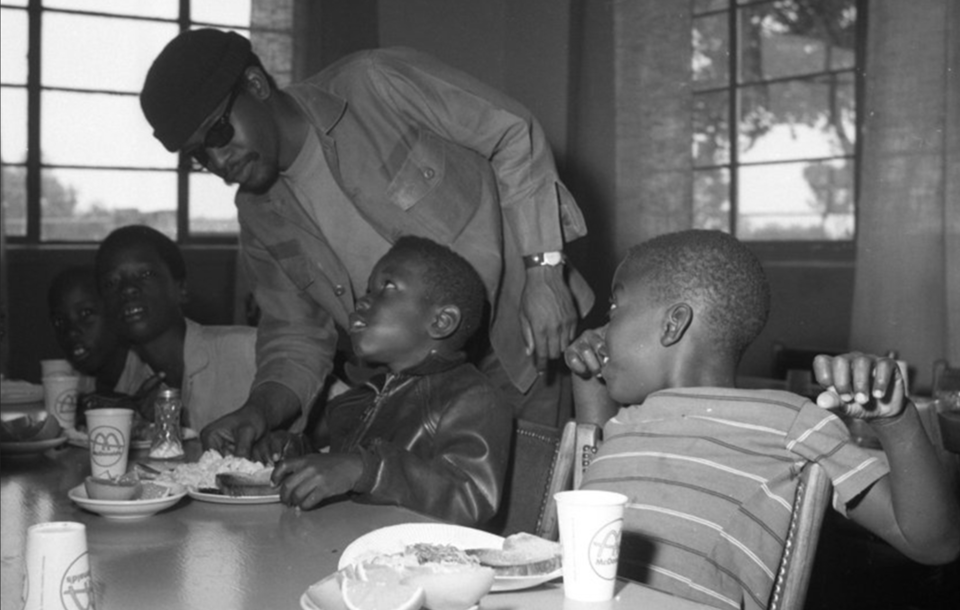
During the peak of the Black Panther Party (BPP) in the US young men would be pulled into the movement through images of Panthers with berets perched on top of perfectly shaped afros, armed, suited, defending their communities against policing violence. When they first joined though many of these young men found themselves feeding the cubs.
The Free Breakfast for Children Program was part of the BPP's broader Survival Programs, which included food programs for youth, families and elders, clothing, health and transportation including travel for prison visits. Folks often started here because these programs were at the heart of the Panther’s politics.
These programs were built on the understanding that people are safer when their needs are being met, and that when people's needs are met they are better able to take political action. So feeding the cubs is an important example of the generative side of abolition, and of mutual aid.
But planning for abolition means more than just understanding the basics, it means getting out there and practicing as we learn. One important way to do this in a good way is to practice solidarity.
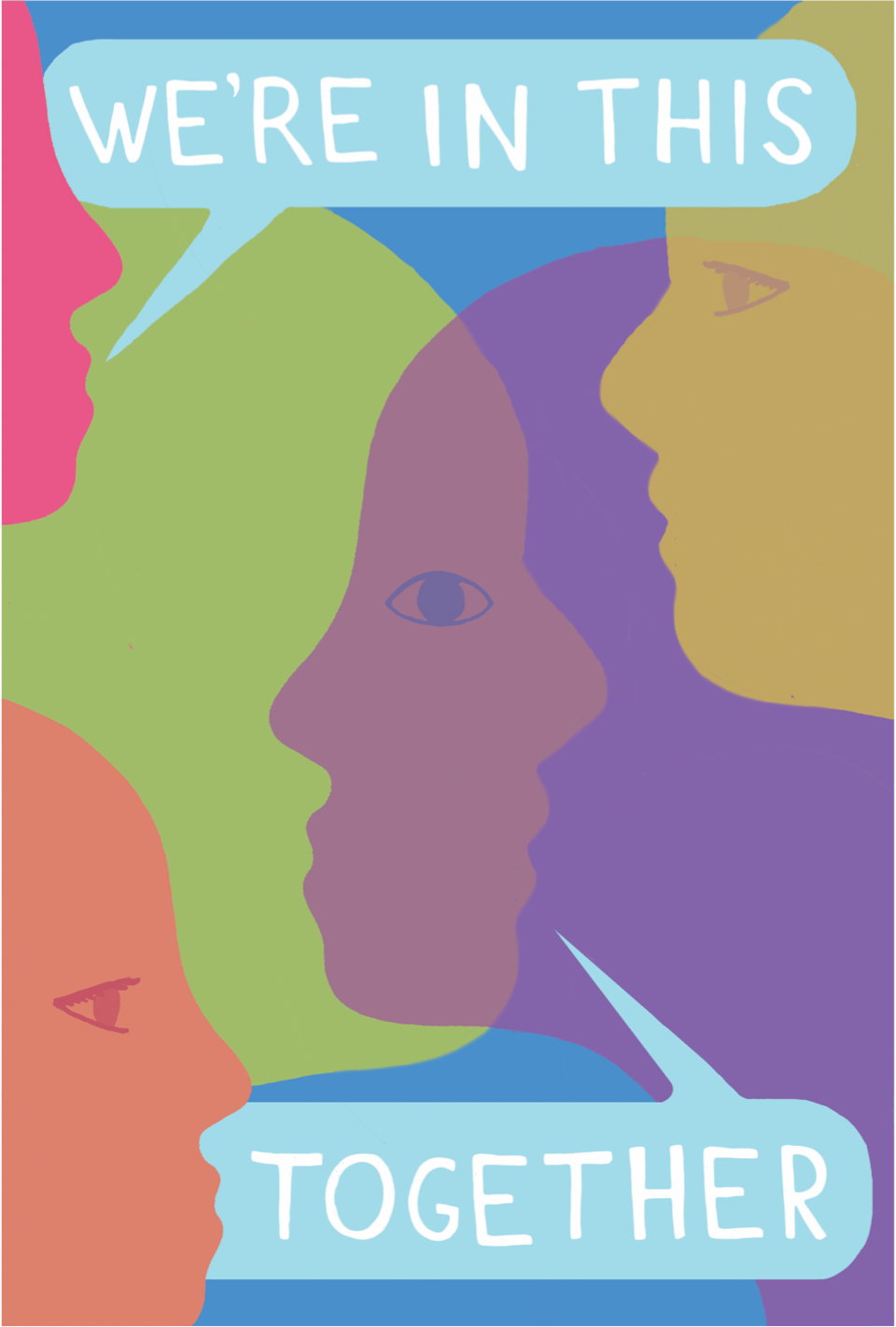
For people privileged by carceral systems that can mean solidarity with folks that are most impacted. There’s also a need for solidarity between communities facing carceral harm. Because one key part of carceral violence is keeping people divided, competing with and attacking each other.
Carceral abolition is all about safety, thriving, freedom and liberation without policing, prisons, surveillance, banishment, punishment, or violence, even in response to violence. But to get to that ‘without’ we need to build something better. So this month let's talk about the generative side of abolition.
This is part of a series of updates sharing the understandings that inform Planning for Abolition's work, with the caveat that abolition isn't one thing. There are multiple overlapping, and sometimes diverging, ways we will get there.
So, in addition to lots of project updates and news about planning and abolition from all around, the next couple of updates will share some of the understandings of abolition that inform the project. With the caveat that abolition isn’t one thing. There are multiple overlapping, and sometimes diverging, ways we can get there!
You know, even with everything 1in the news, and in the news, and in the news, police are still who a lot of people think about when they think about safety. This belief also supports the kinds of reformist reforms that add more money to police budgets and directly counter what communities and society are demanding.
For example, the Montreal police are piloting a program described by the police chief as a ‘humane approach to people with autism.’ But the program requires registration in a police-accessible database to be treated as a human. As the Abolition and Disability Justice Collective tells us, reforms that require registries, monitoring, or surveillance are reforms to avoid!
People who are the least likely to have involuntarily encounters with the police are also more likely to trust police. Because policing works by making some people actually unsafe while making a second group feel safe by telling them that what they should be most afraid of is the first group. Policing also works to deskill us all, leading us to believe that there isn’t the knowledge, and skill, and care in community and society to keep each other safe.
We know that reentry follows a pathway rather than being a single event. Stepping back out of a court, jail or prison is just the first step in getting free and finding home.
And, as a recent Canadian Civil Liberties Association report points out, for people from rural and fly-in communities the lack of transit and transportation supports mean that one’s physical home can be an inaccessible hundreds of kilometres away.
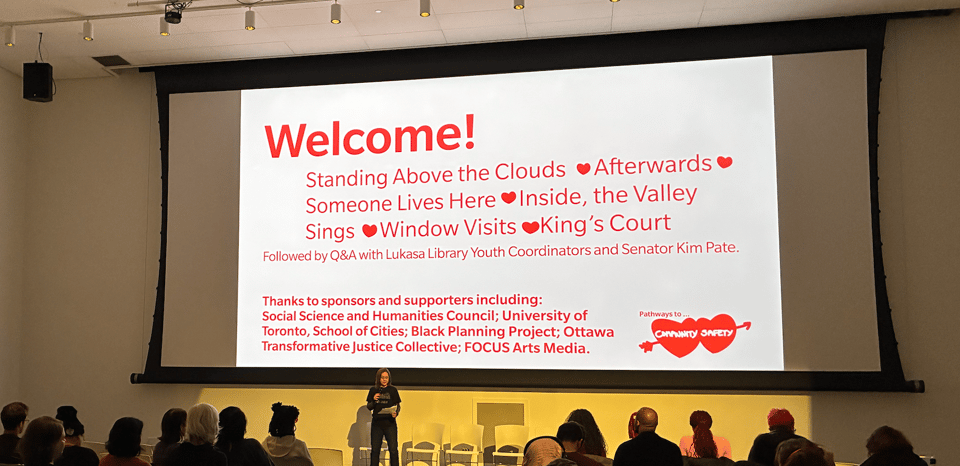
Join us for Planning for Community Safety a two day, in person, workshop and community exchange in Ottawa, February 14+15 2006 (with an opening celebration on the 13th) + share with your networks!
The goal for these two days is to bring together planning practitioners and abolition, transformative and restorative justice practitioners to learn more about each other's work; share skills and ideas to better support and collaborate with each other; and share what we are learning together with a wider audience.
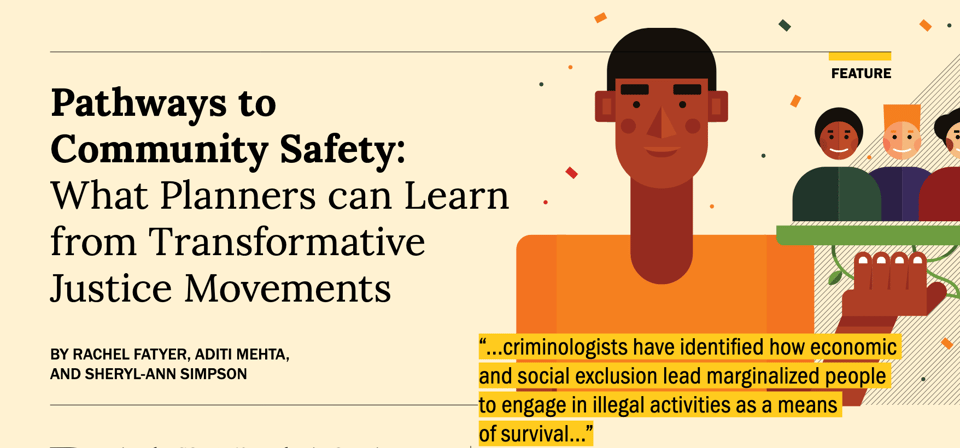
OPPI is the one of the largest professional planning organizations in the country, so it feels like a real turning point to have ideas about abolition and transformative justice welcomed by the editors, and shared with their audience.
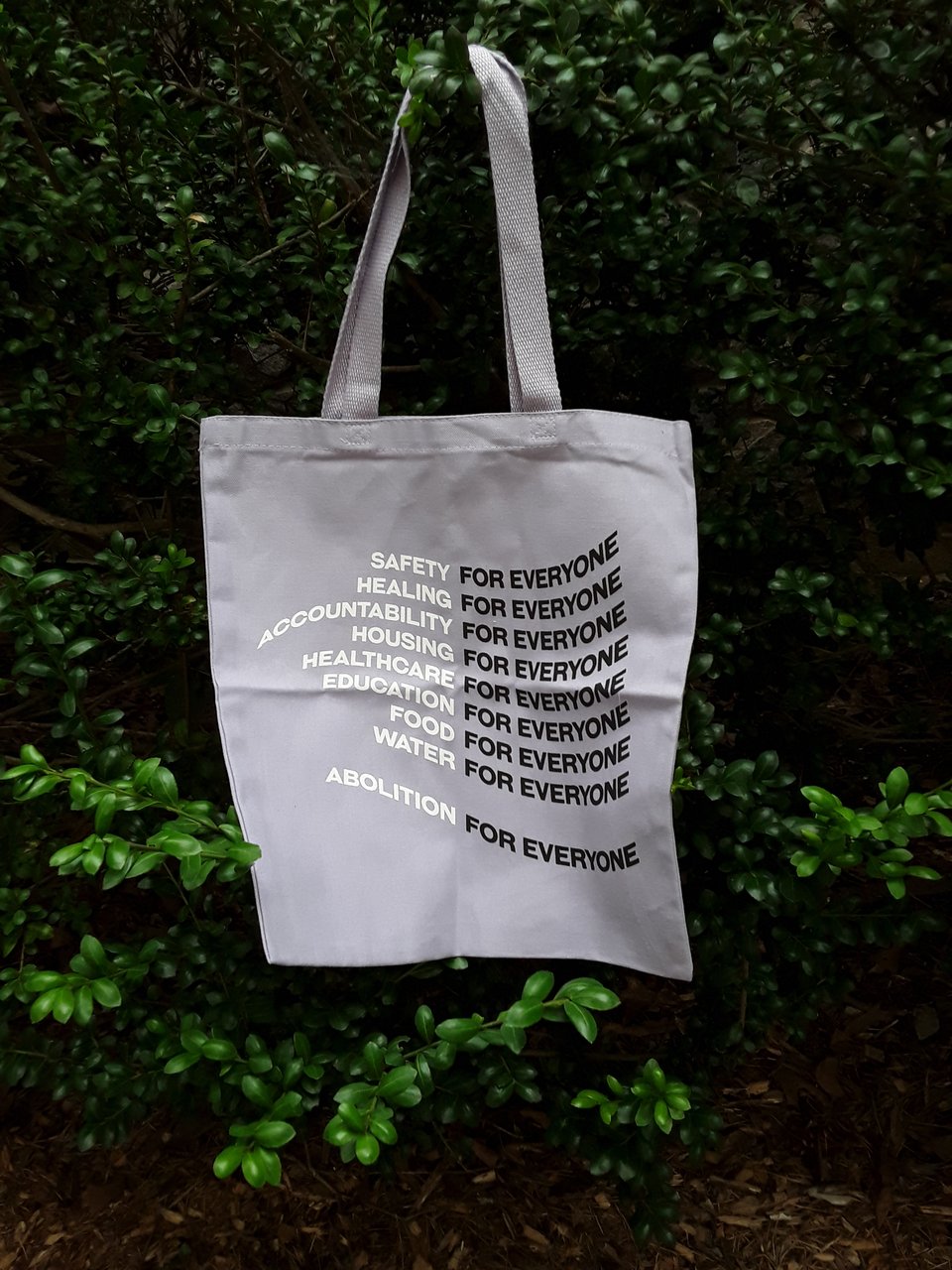
I just got this lovely tote from the For Everyone Collective, and it’s such a perfect distillation of what abolition can be. For example, safety, housing, food, education, water for everyone. These calls can also be inspiration to think about the different ways we can all contribute!
The dog days of summer mean we don’t have as much to report this month, but still want to share resources and ideas for everyday abolition connected to different parts of work and community.
Also hoping that everyone is keeping as safe as possible given the environmental chaos we are all dealing with these days. Speaking of, take a re-look at last month’s update with resources and ideas about the connections between environmental planning and abolition.