
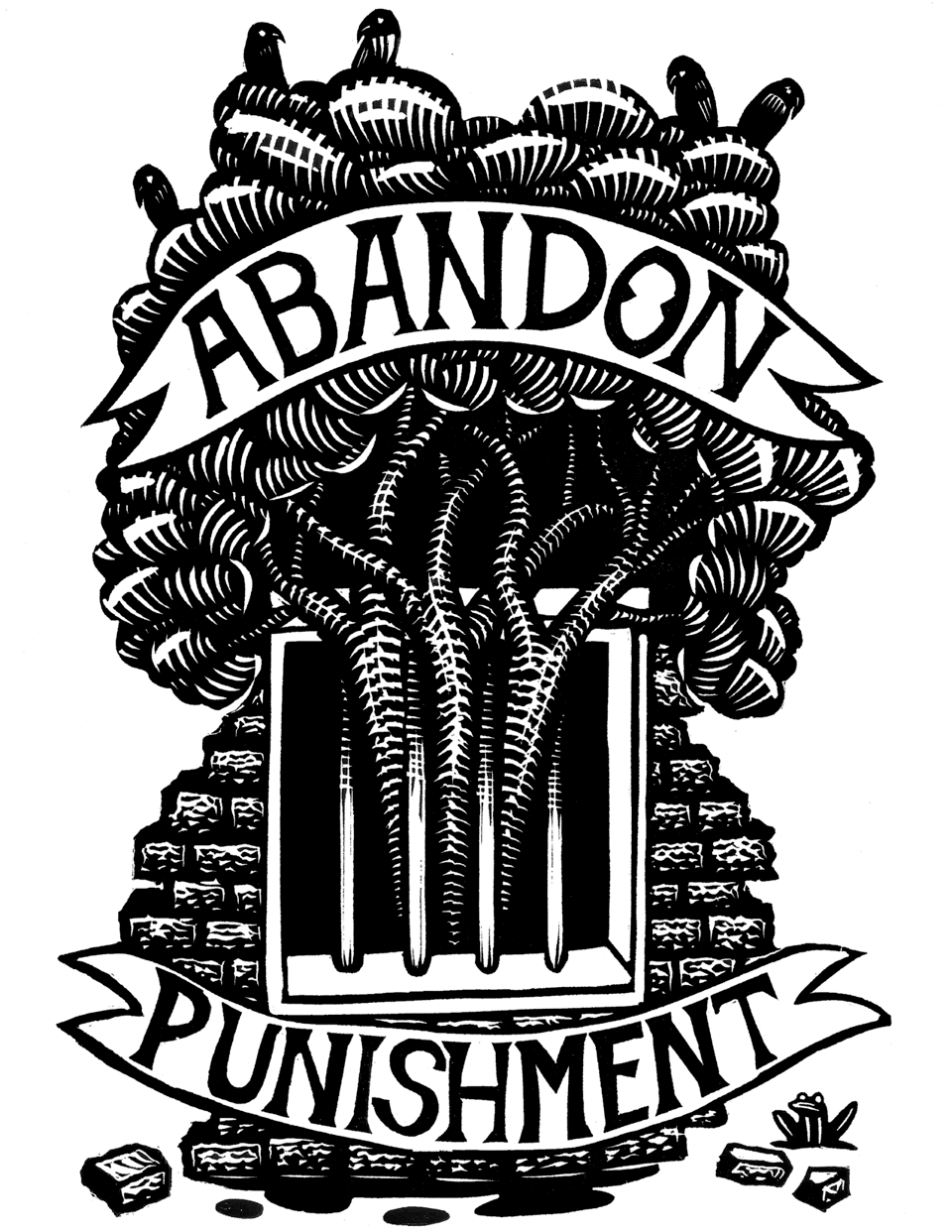
At the information session for the Pathways to Community Safety Workshop and Community Exchange the question was asked: “what do you mean by abolition?”
So, in addition to lots of project updates and news about planning and abolition from all around, the next couple of updates will share some of the understandings of abolition that inform the project. With the caveat that abolition isn’t one thing. There are multiple overlapping, and sometimes diverging, ways we can get there!
***
Planning for Abolition is focused on carceral abolition, work to eliminate policing and prisons, alongside other carceral institutions like immigration detention centres, the institutionalization of people labelled with developmental, intellectual or psychiatric disabilities, surveillance, banishment, punishment, or violence in response to violence.
Abolition connects to the movement to abolish chattel slavery, which was sparked and led by the rebellions and refusals of people who were enslaved. As C.L.R. James puts it “the West Indian People have been the most rebellious people in history.” This includes loud public rebellions like slave revolts and revolutions, alongside the everyday refusals seen in Natasha Lightfoot’s historical research that include the ways people spoke and practiced religions, and the ways women moved in and out of work as it suited them, their family and community needs.
For those who were enslaved, abolition meant building new worlds, so next time more about the generative parts of abolition.
***
We’re still sifting through all the learning and ideas and theorizing from The Pathways to Community Safety Workshop and Community Exchange in Ottawa last moth. We’ll share more of that work in coming updates, but wanted to start with a huge thanks to everyone who took the time out of their own lives and work to join us!
à bientôt
[email protected]
Learning + Action
- Today - Thursday, March 12 - Insights from Co-Learning and Transformative Justice in CEL
with project collaborators Aditi Mehta and Rachel Fayter [UofT]
And examples of people most impacted by careral systems rebelling, refusing analyizing and building something new in big and small, intimate and public ways!
- March 14/15 - International Day Against Police Violence
North Preston, NS [Instagram]
Edmonton, AB [Eventbrite]
Vancouver, BC [Facebook] - A Love Letter to Community: Reflections on Harm Reduction & Being Bad [Yellowhead]
- N.L. Judge Criticizes 'Inflammatory Rhetoric' on Bail Reform, as He Grants Bail to Repeat Offender [CBC]
- RU OK: A Zine About OC Transpo [Canva]
- These Mothers Fought for Their Sons Killed by Police. Now They’re Fighting for the Country. [Capital B]
- Public Launch of the Prison Health Research Council [PrisonHealth.ca]
You just read issue #9 of Planning for Abolition. You can also browse the full archives of this newsletter.