
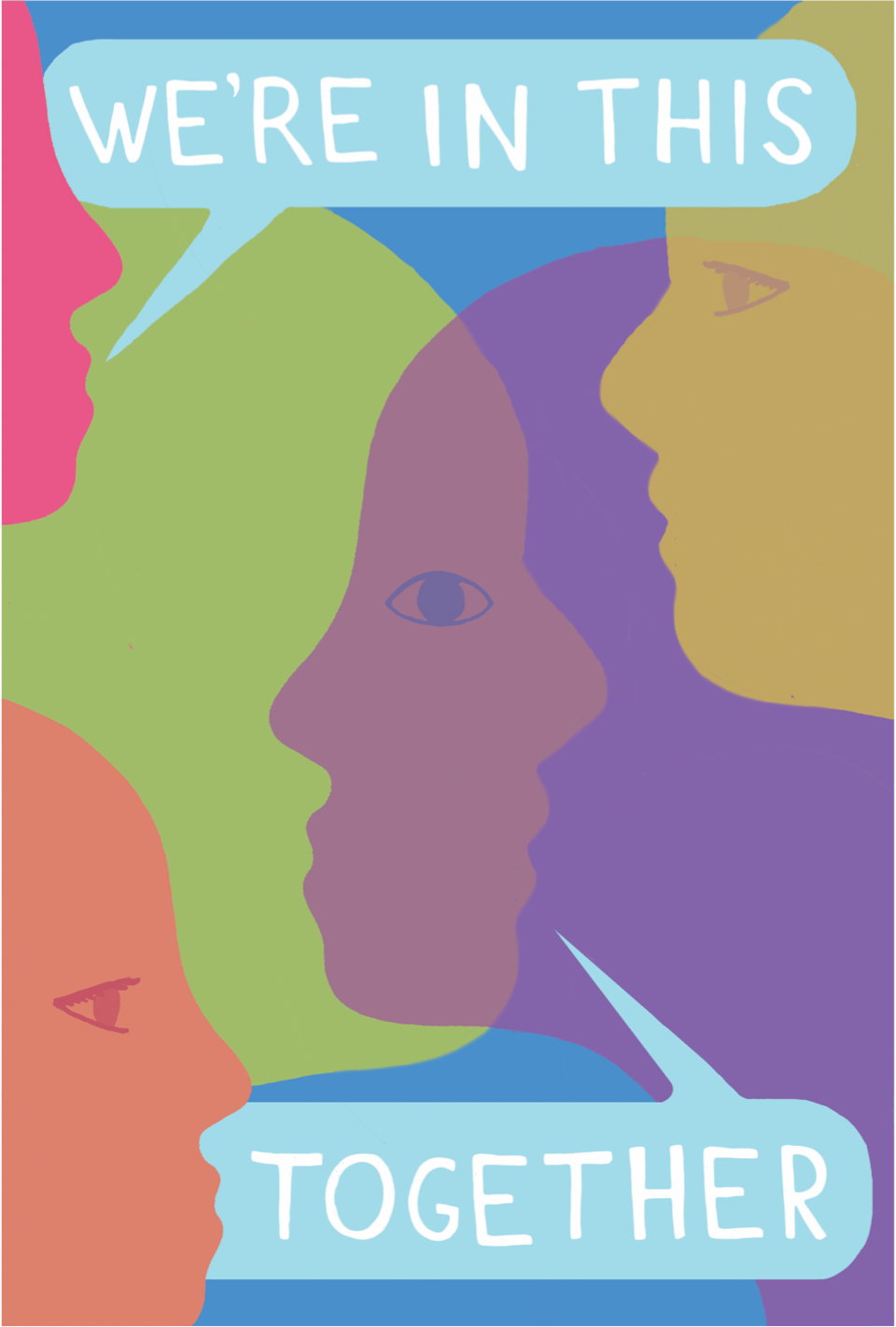
We started with an understanding that abolition is a generative practice specifically because it builds on the freedom-making work of people who were enslaved. So the abolition of policing, prisons and other carceral institutions needs to follow the lead of the people most impacted by these systems, folks who continue to make freedom within and in spite of oppressive contexts.
But planning for abolition means more than just understanding the basics, it means getting out there and practicing as we learn. One important way to do this in a good way is to practice solidarity.
For people privileged by carceral systems that can mean solidarity with folks that are most impacted. There’s also a need for solidarity between communities facing carceral harm. Because one key part of carceral violence is keeping people divided, competing with and attacking each other.
One great primer on solidarity is an episode of This Restorative Justice Life where host David Ryan Barcega Castro Harris and guest Kalaya'an Mendoza drop pearls of wisdom while recapping the show The Last of Us. It's a great conversation.
One idea that’s really useful for planning for abolition practice is Kalay'an's reminder that what we need in not protectors and saviours, but people working in solidarity meaning actually listening, not trying to take over for someone else, and showing love.
Following with love can be difficult for planners who are specifically trained to take charge and create order in terms of land and resources.
But following with love is not unlike asset-based community development, which starts with the idea that every community has its strengths, so the goal of planning isn't to fix things, but to build on those strengths and move towards visions for an even stronger future.
Solidarity takes this to the next step, encouraging planners to expect to find strengths, and love, even under the most dehumanizing conditions like inside prisons. As David put it:
you know we found love in a hopeless place. Shout out Rihanna right? Like in, in the midst of the world falling apart, everything crashing down.
One more key message is the reminder that solidarity specifically means finding ways to work across difference. As David puts it:
It doesn't necessarily have to end up in a 20 year romantic relationship, but like there are ways that we can be in community with folks meeting each other's needs when they're, when we might not be like 100% aligned on like all the things.
So figuring out how to move through difference, not throwing folks away for causing harm, or even just not expressing things perfectly, and being ok with difficult, messy conversations as important parts of abolition.
Practicing solidarity moves us towards community safety, those fully resources communities built through ecosystems of care. So next time we'll keep thinking about solidarity and what practicing it looks like.
à bientôt
[email protected]
Learning + Action
Some examples of solidarity with folks following the lead, examples of love in a hopeless place, folks to follow, and building relationships across difference.
Status for All! Towards a Borderless World of International Solidarity [Fernwood Press/YouTube]
Making Abolition Geography [Society + Space]
The Pain and Glory of My Football-Loving Life [Economic Hardship Reporting Project]
Cote First Nation elders help offenders and victims through court appearances [CBC]
‘Calling In: How to Start Making Change with Those You’d Rather Cancel’ By Loretta Ross [Are.na]
June 13 - OTJC + CoSA Ottawa - Film Screening [OTJC/Instagram]
Plus some great podcast episodes from our research:
+Beyond Prisons - Panel: Why Physical Mail Matters
+Birds Eye View - Love
+Under the Sycamore Tree - A Self-Possessed Selfhood, or Sex Workers to the Front!
You just read issue #11 of Planning for Abolition. You can also browse the full archives of this newsletter.