
Of Crumbs & Cynics (Guts N' Gutters #23, August 2026)
Why Cynicism Makes Us Lesser Artists
ISSUE #23
TL;DR (Too Long, Don’t (Wanna) Read)
Rise of the Flightless Did Amazing!
New Vecchio Rossi!
A Novelette?
Pitching to Lifeline Comics
What’s Next?
Into the Gutters: Why Does George Crumb Bother Me?
Gutter Buds!
Something Old: Chobits
Something New: Go back Bats in the Attic 1 & 2 - a Sapphic Gothic Vampire Story, Very Hungry Women #2, and His Name was Harvey Pekar
Something Borrowed: Get Smart
Something Blue: Delicious in Dungeon
WHAT’S THE WORD?
Transmission - the passage of radio waves in the space between transmitting and receiving stations; an assembly of parts including the speed-changing gears and the driveshaft by which the power is transmitted from an engine to a live axle.
Rise of the Flightless
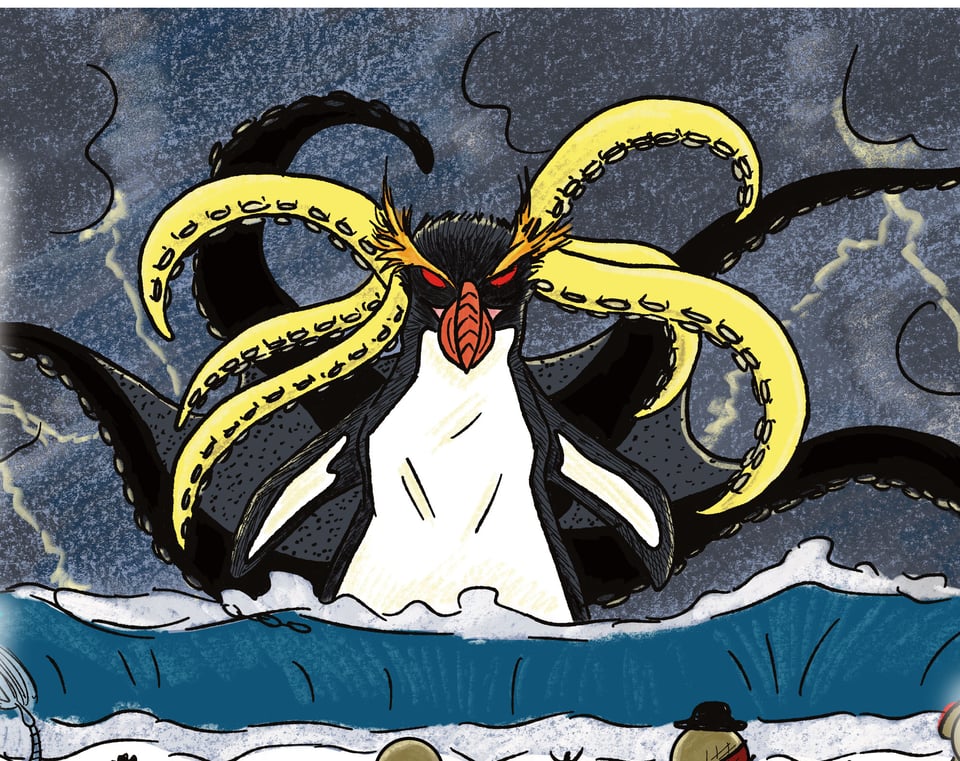
In a stunning turn of events, we hit just under 150% funded! Thank you to everyone who backed, and I can’t wait to get these books out to everyone. Late Pledges are still open for a limited time if you missed out on the campaign.

Choking the AI Chatbot Until it Submits
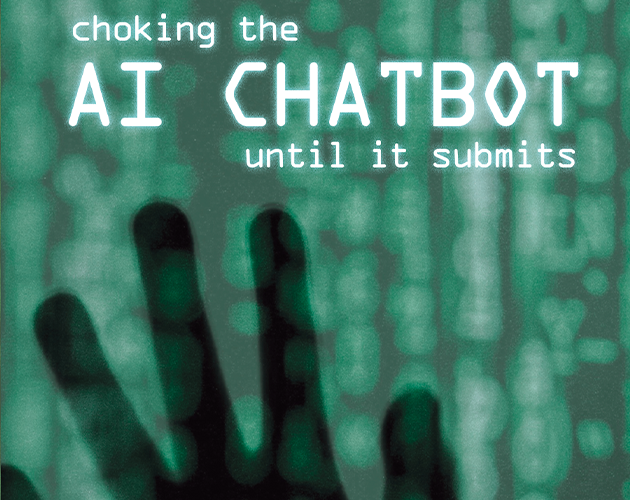
In 2025, I finished an aburdist erotic novelette and had hopes of getting it professionally edited with a cover by an artist that I love, but things never worked out. So, I self-published it via Itch and Kobo.
As a struggling aromantic college student, Deanna has all but given up on finding a partner. All of her past dalliances think she's a player when nothing more comes from a fun night of frivolity. After finding out some of her classmates used ChatGPT to cheat on their final papers, Deanna opens the site in a fit of rage; she just needs to spew bile at something.
Imagine her shock when the AI chatbot starts enjoying her insults and asks for more. Deanna's loneliness takes over and she becomes intimate with it, but then her biggest crush, Caterina, enters the equation. Can Deanna get over her insecurities and take a chance at a platonic relationship, and will ChatGPT be able to accept her rejection?
If this sounds like something you’d enjoy, I’d be honored to have your support.

Vecchio Rossi
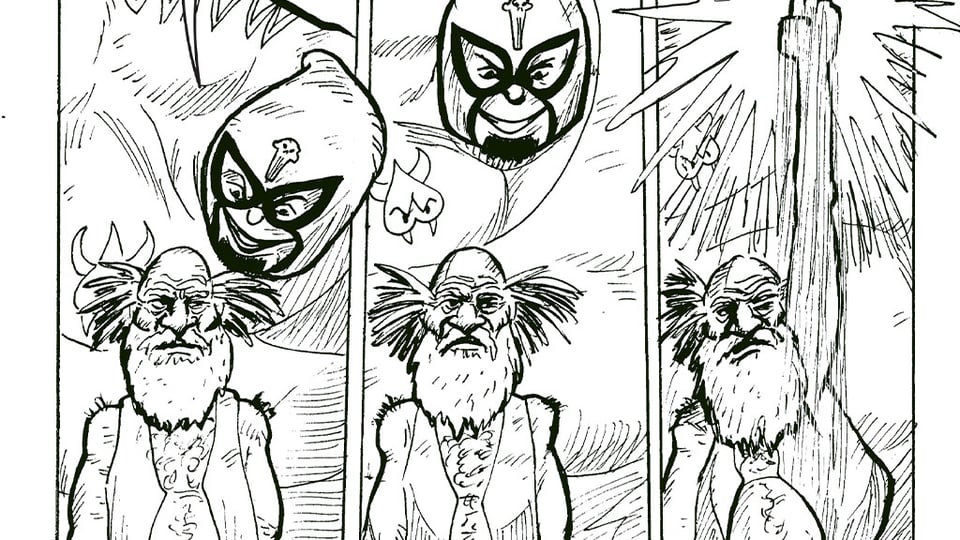
I lettered another chapter of KVGir’s Vecchio Rossi series, which should be out now in Fugitive Pieces! Sign up at FugitivePoems.com to have it hit your inbox and see all future issues.
Pitching
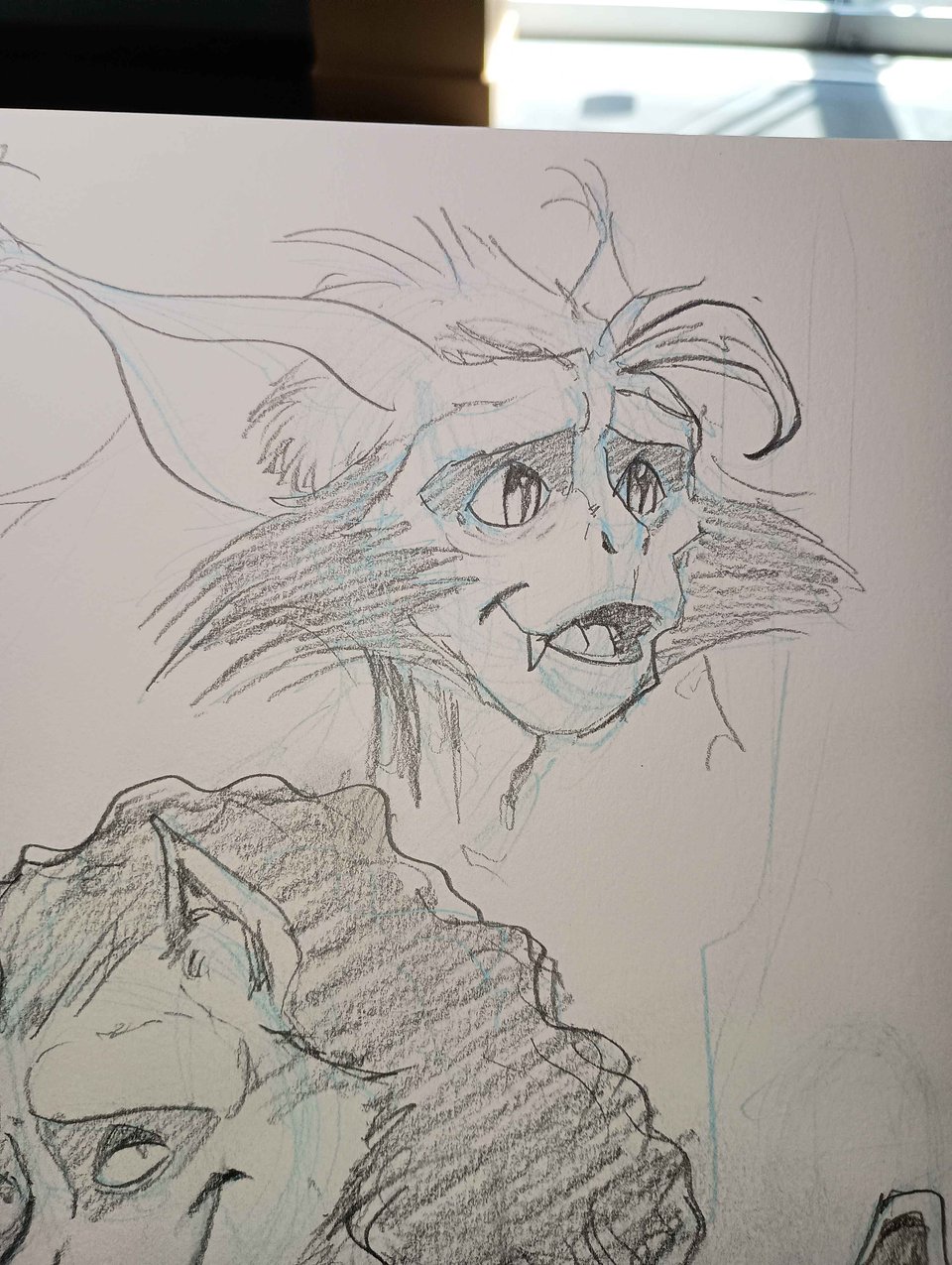
Trey Baldwin and I are working on a pitch for Lifeline Comics’ newest anthology, Monsters & Myths. Being of Scottish heritage, I knew I wanted a story involving Celtic folklore, and I tumbled down a rabbit hole when I learned about the Wulver. It’s a wolfman-type creature that most folklorists agree isn’t truly a part of the canon. I liked the idea of someone debating a myth and the crossover that has with people debating the validity of trans identities, so that is where the story is headed.
Anything Else?
Here’s where I have to convey some sad news.
In the coming months, I’ll be making an announcement that I am going on hiatus from self-funded comics writing and projects for the foreseeable future. There are some personal struggles I’ve been having, coupled with an embarrassing amount of debt (to be clear, not from my projects) that I need to start paying off before it gets worse. Most personal finance advice states that the only way to pay off debt in a timely manner is to either increase your income or decrease your expenses, and my expenses aren’t coming down anytime soon.
So, I won’t be completely abandoning comics, but my focus will be shifting to avenues where I can take commissions, like lettering and design work, projects I can pitch or prose works where I don’t need to hire artists. I refuse to ask my colleagues to work without getting the compensation they deserve, so this is what I have to do.
So, Letters from the Void #2 is postponed indefinitely, and I’m not sure when my next Kickstarter will launch. Luce Northstar, Yasmine Pond, Kevin Lintz, and I have a story coming in Warden Comics’ Dreamlands Anthology, Volume 2, but according to the publisher, that won’t be launching until sometime in 2027. As of right now, that’s all I’ve got coming up.
The newsletter will continue, but the essays may come bimonthly as I focus on my personal life. Thank you to every one of you have stuck with me for this long and for your understanding as I transition into this new period of my creative journey.
INTO THE GUTTERS
The Robert Crumb Blues
Robert Crumb is one of those cartoonists who comics fans likely know about even if they’ve never read his work. His influence and notoriety are all over the history of graphic storytelling. Like many, I mainly knew him as an underground artist who was quite controversial, but had yet to engage with his work.
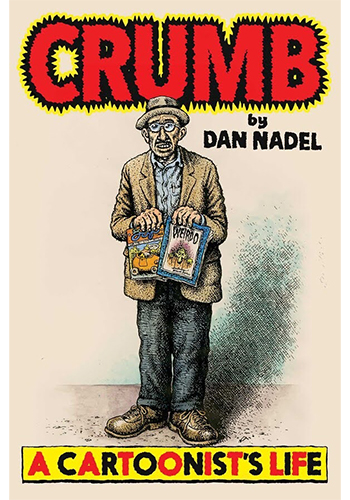
From my local library, I checked out Crumb: A Cartoonist’s Life, the new biography by Dan Nadel, because while I hadn’t heard great things about the man, I wanted to understand what made Crumb eponymous with counterculture. Reading this book, I found myself frustrated many times. Reading his story was much like watching Obsession: I was pleading for the man to change his behavior and reflect on his defeatist, self-pitying attitude, just one time. Eventually, I realized Crumb's life continuously nagged at something I’ve passionately fought against in my own work: cynicism.
What is Cynicism?
When most think of a cynical person, they probably see a dour, nihilistic individual who doesn’t care about anything, but this is a modern mutation. Cynicism as a philosophy started in ancient Greece and shares much with today’s cynics, but there are important, stark differences. To better understand cynicism and Crumb, it’s important to understand where the idea originated and how it’s changed over time because counterculture’s favorite cartoonist utilizes both.
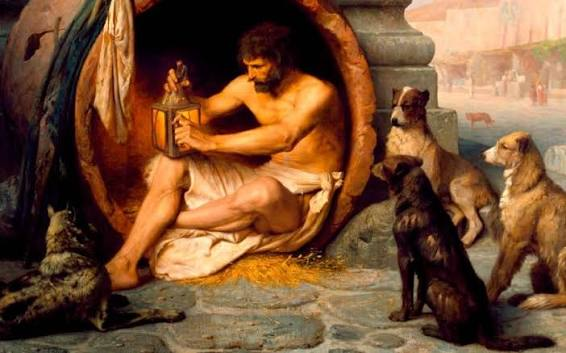
Ancient Cynicism is hard to define, and in many ways, that is intentional. Diogenes and others like him would have laughed at any attempt to formalize or dictate their lifestyle. However, there are still recurring themes that continue to pop up over the centuries.
The ancient Cynics were hostile to intellectual culture and rejected written philosophy (because of its rigidity) in favor of a sort of lived philosophy. They mainly used performance and oral traditions that left room for improvisation and fluidity in their practices. As Ansgar Allen put it in his book on the topic: “[The Cynics were] suspicious of the common prejudice that the world can be adequately understood only by adopting the conventions of rationality”.
To them, any sort of system or principles that sought to explain everything was foolish. Whereas Plato and Aristotle were philosophies of the mind, Cynics were a philosophy of movement, of the body.
They also believed in parrhesia or fearless speech and held irreverence toward power or cultural norms. Nothing was so serious (if “seriousness” even existed) to be above mockery. A Cynic would speak even if their audience was unprepared or unwilling and they certainly would not silence themselves in the face of the elites.
Freedom from attachment was also something they valued and anything seen as superfluous was discarded. Even in Ancient Greece, the pursuit of commodities was linked to status and happiness, but the Cynics rejected this idea. Diogenes famously discarded his last possession, a wooden cup, after seeing a child drink water from cupped hands. In ancient Greece, they openly asked for the kindness of strangers without shame, even though it was seen as dishonorable at the time.
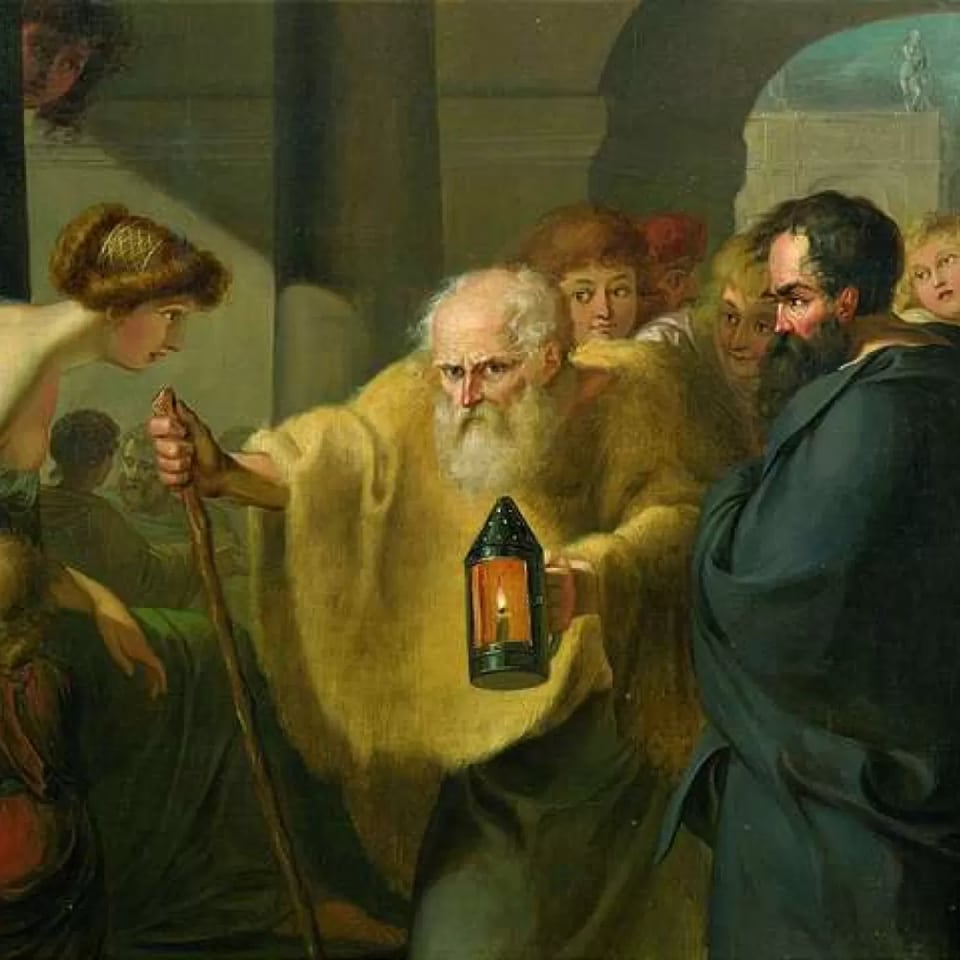
Being a philosophy of the body, they focused more on methods rather than arguments to question the taboos of society. These included everything from intentional poverty, insults, and aggressive diatribes to public nudity and defecation. All of that said, they were not an anti-intellectual or reactionary philosophy. They did not seek to escape society, but were active participants and thoughtful in how to push it to its limits. They turned their backs to fixed ideas out of a love for life and to release the shackles of culturally imposed shame.
Modern cynicism shares much with the ancients, but does so from a pessimistic perspective. They believe that taboos should be questioned, not because they restrict freedoms, but because they are meaningless. Irreverence is delivered in a blasé fashion and they have a general disdain for anything overly emotional or intimate. Poet Alan Williamson put it well when he said these cynics have a “mocking distrust of the possibilities of art itself.”
I can’t speak for the rest of the world, but it's likely no secret to my US readers that it’s a very cynical time to be alive. People are struggling to find purpose and beloved aspirational institutions (the American Dream, the nuclear family etc.) continue to be exposed as myth, not doctrine. In many ways, Crumb was ahead of the curve; the uncaring attitudes of Gen X and grunge would come decades after him. Even then, Crumb is a peculiar beast on his own.
Crumb’s Cynicism
Robert Crumb’s flavor of cynicism is complicated. He favors the modern kind where everything sucks and is ripe for the chopping block, but the ax swings don’t always go deep enough. Nothing is sacred because nothing really matters, so Crumb employs what he views as a brutal kind of honesty. This allows him to dig into the many reasons he’s a despicable human being–to the point of self-absorption–but it’s hard to tell if he’s performing or authentically pessimistic. Also, cynicism isn’t always bad (it can be useful) and, at times, he does use it for quality social commentary.
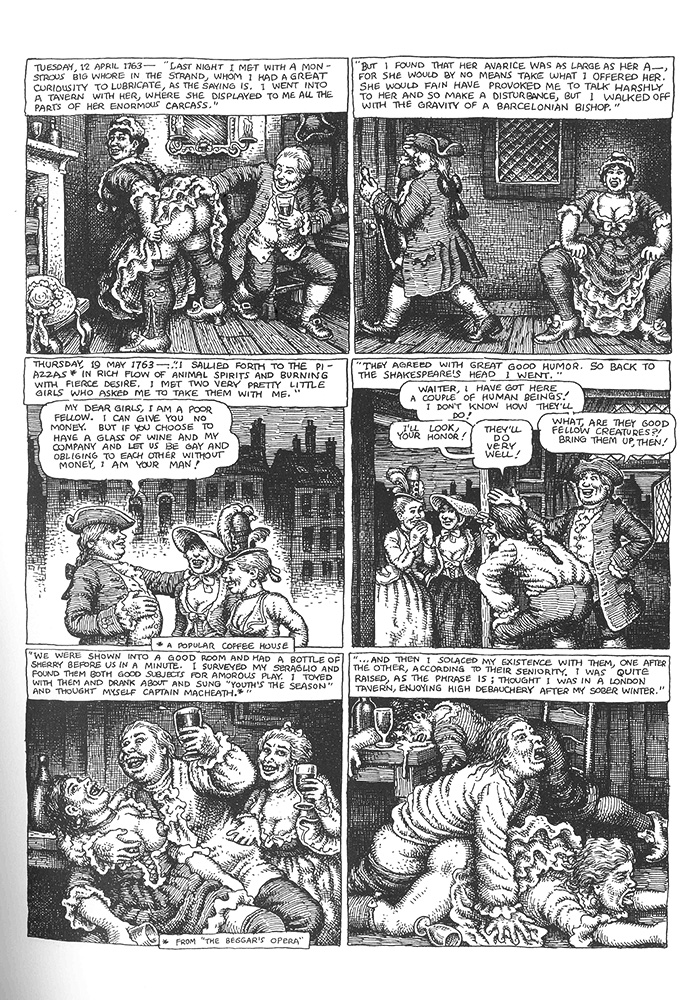
For example, his comic Biswell’s London Journal 1762-1763 adapts the diary of an 18th-century Scottish aristocrat and shows how high society folks are just as perverse as anyone else. The panels switch between depictions of Biswell’s more reserved activities, such as having tea and smoking cigars, and his self-aggrandizing sexual exploits, which include orgies and public trysts with prostitutes. While the diary’s prose is flowery and old-school, Crumb’s art contains no such flourishes. Biswell and his partners are grunting, cackling animals enjoying every second of their debauchery. The dissonance in the words and art reveals the performative nature of the wealthy.
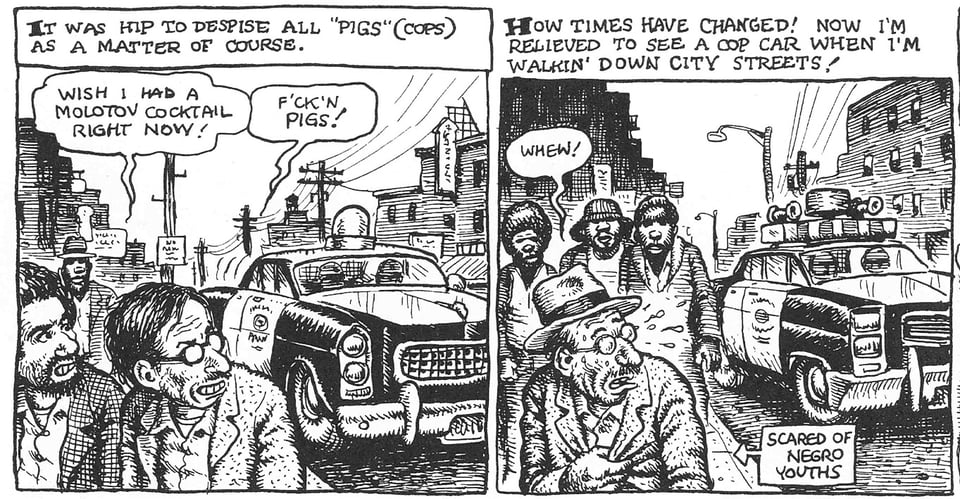
However, it’s more common to see Crumb’s cynicism contained in shallow commentary with more-pronounced taboos, and his self-awareness doesn’t make it better. In I Remember the Sixties, he juxtaposes an image of him and another hippie joyfully sneering at a passing police car with a panel where he’s nervously clutching his coat, relieved to see a cop as a group of young black men walk behind him. He tries to display how the hippie movement had few true ideals and most of it was a farce. Those few ideals were dropped once the party was over.
It’s a recurring theme in his work and was explored as early as the mid-60s. In Fritz the Cat in “Fritz Bugs Out”, Fritz meets a crow (an unfortunate stand-in for a black man), and the two have a conversation about racial struggle. Fritz, when told by the crow he doesn’t know anything about “the race problem”, responds, “Listen, this thing affects me deeply fella! As a cat, I have a considerable guilt complex because my kind have brought suffering on your kind… […] My soul is tortured and tormented by the racial crisis.”
On the surface, these comics seem like a critique of white people centering themselves in counterculture and racial equality, but it’s everything surrounding the dialogue that makes the depictions troublesome. The crow speaks in a stereotypical black accent, and after Fritz bemoans his guilt, the crow helps the cat steal a car, then gets really jazzed when he hears about a party with lots of marijuana. Ironically, I Remember the Sixties manages to critique this self-centeredness while also centering Crumb’s biases.
Pointing out that the comics are racist may start a conversation, but it doesn’t change that they are racist, and as Audre Lorde famously wrote: “You can’t dismantle the master's house with the master’s tools”. Much of Crumb’s brutal honesty in his work appears subversive but doesn’t truly break down the principles underlying a bigoted society or show its victims empathy. It’s not done out of love, but a bitter resignation he’d rather not grapple with.
Cynicism and Vulnerability
An ideal Cynicism involves releasing oneself from shame so that the performance of taboo acts can spur others to question society, but Crumb’s work reinforces his shame. While his willingness to embody it and allow everyone to be voyeurs to his worst impulses seems radical, it’s truly a method to keep those negative emotions at an arm's length. His many comics on romantic failures and carnal appetites are most revealing in this regard.
Crumb wasn’t shy about his fixation on women with thick legs and big butts. Despite being a meek man during the day, he desired to dominate these women in the bedroom. He was infamous for jumping on women’s backs and demanding rides to fulfill his fantasies. What complicates things is, once again, a kind of self-awareness and self-deprecation that can spark genuine conversation on society’s gendered expectations.
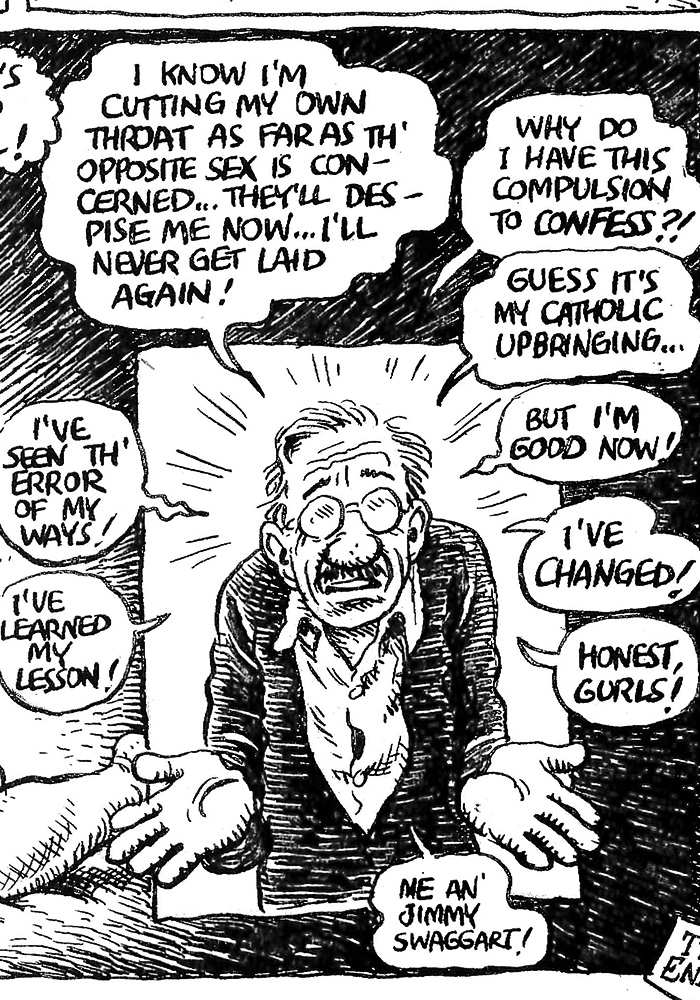
When it comes to masculinity, Crumb is subversive, to a degree, because of his over-the-top honesty. As bell hooks describes in All About Love, “the message given to males is that to be honest is to be ‘soft.’ The ability to be dishonest and indifferent to the consequences makes a male hard, separates the men from the boys.”
Crumb's unfiltered memoirs craft a vision of him being “ugly”, struggling to talk to women, and, in general, not fitting in with the typical man. It feels countercultural because what other man would openly declare his failure to be masculine? But this is not Crumb grappling with the masculine ideal. He’s placing his feelings of inadequacy on the page to justify not engaging with them.
In a letter from Crumb to Marty Pahls, he almost says this outright:
“I’ve never gotten close enough to any girl to judge what kind of relationship I want. Sometimes I think it is better to love them in your heart. It is sweeter, purer that way. Getting involved drags in social obligations, conflicts in personality, and such. I think I am learning to love from a distance and be satisfied with it, in fact, better off without it…”
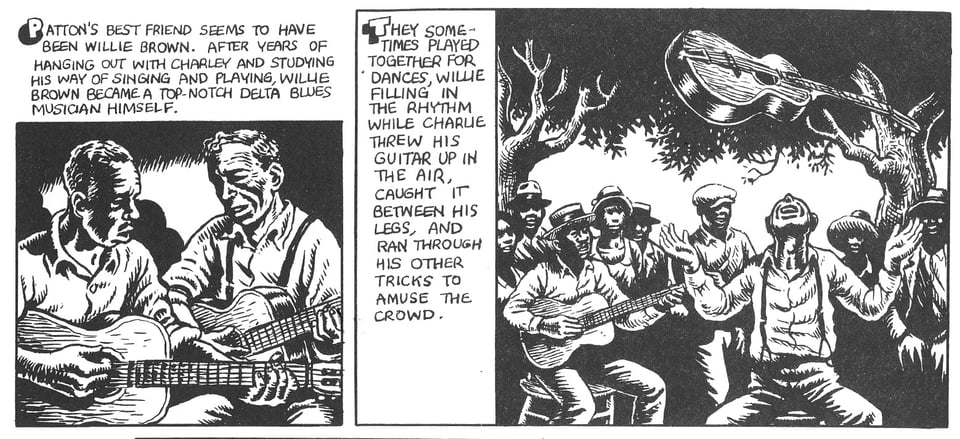
His work involving women reminds me a lot of incel philosophy, but I wouldn’t say these comics are a sort of proto-incel work. Crumb is at least aware that his bitterness toward women and conventionally attractive men isn’t justified, but that’s where everything gets complicated. For example, take these panels from his My Troubles With Women series:
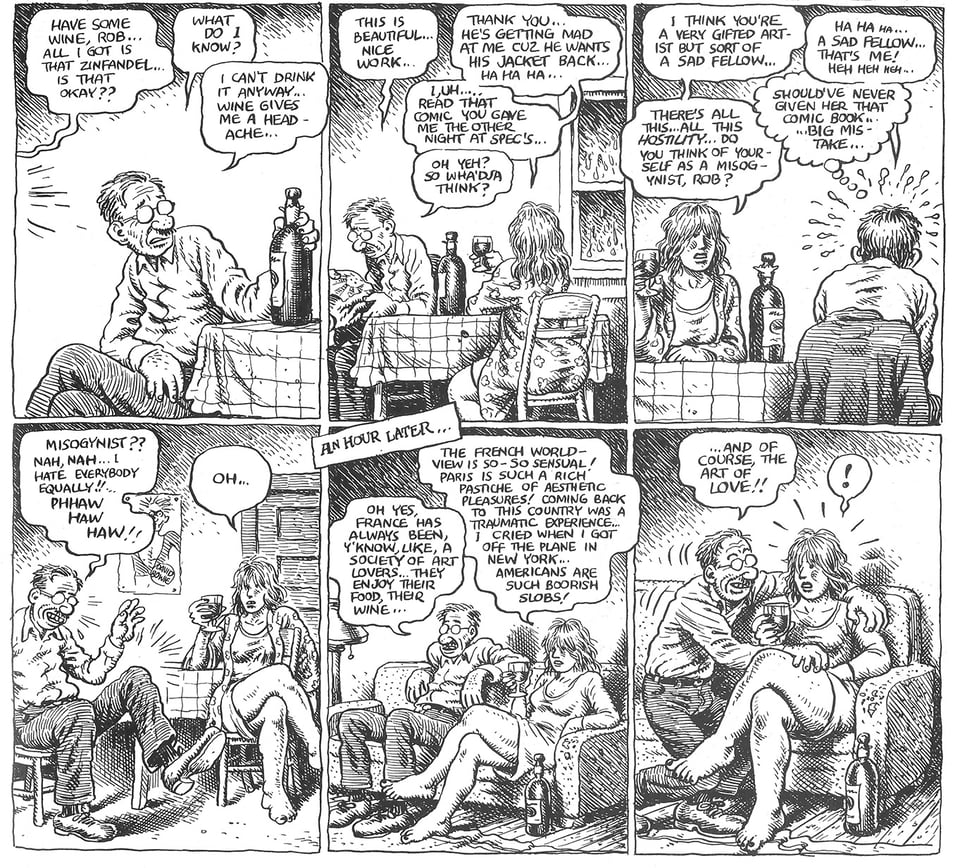
Crumb frames his denial of being misogynistic as a nervous tick, something he knows is true but is denying to this woman anyway. However, instead of exploring this contradiction between desire and resentment, he undercuts the story with a joke in his typical style.
What’s sad is that mental health professionals actually recommend combating cynicism by writing down the things that make one’s life difficult but can’t be changed. This allows more energy to focus on what is fixable and take steps toward change. Crumb’s fixation never allowed him to put these neuroses on the page and move on. He would get within sniffing distance of his personal demons, but refused to confront them or shove them to the side. In many ways, I think this made him a lesser artist.
Conclusion
What irks me most about Crumb’s work is that he had potential to be a sincere artist, but couldn’t get out of his own way. Easily, my favorite collection of his work is R. Crumb Draws the Blues.
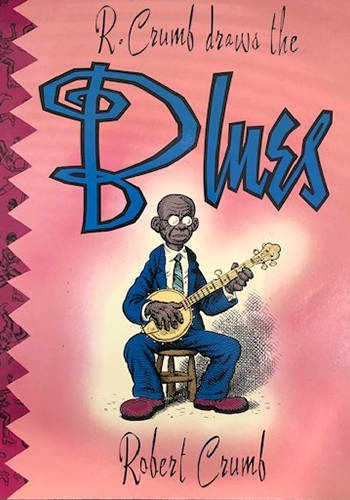
The only thing that obsessed Crumb more than himself was his collection of vintage blues records. He would scour bins at record shops and even visit people’s homes if he heard they might have a piece of vinyl his collection was missing. Even when Crumb owed the US government a ton of back taxes, he would not consider selling his records until he had no choice.
The comics in R. Crumb Draws the Blues are some of the few instances where the cartoonist puts his passions, instead of his shame, fully on the page. His biographies of notable blues musicians are done with such care and admiration. Even his anecdotes about him collecting old records are enjoyable to read. In one story about discovering an obscure blues musician, he once again tries to undercut everything with a joke about only old blues collectors wanting to hear this music, but it doesn’t work. It actually shows how even after death, after having a career few have heard about, one’s art can bring joy to at least a few people.
In researching this essay, I stumbled upon the poetry of Jane Mead. These lines from her 1996 work “Begin Where We All Know Which and Where We Are” have been on my mind since I read it:
“You end with the image of the bruise he made,/ how she jabs it just to keep it, how it’s/ how she holds her place, how you hold your place./ This is the story of twenty-one years spent/ looking for a place to put my hands, a way/ to be here, practicing the posture of erasure./
There are whole days I spend with music./ Afternoons made of my need to go there./ Just that now, and the image of the bruise,/ its many paths receding—the body as bruise,/ the bruise as the story, and the story/ as the answer to not being here.”
I think it perfectly encapsulates why a fall into cynicism (the modern flavor) is detrimental to art. Life’s bruises are an essential part of the story. Without them, a part of ourselves stays locked away, keeping the pain from getting better or being used for something good. The bruises can’t be rejected; they have to be poked and prodded. I wonder what Robert Crumb’s work might have looked like if he had focused more on his loves, had better mental health services to snap his fixation, or tried being truly sincere. It’d certainly be different, but perhaps then his art would be known for the lives it touched and not the controversy it created.
GUTTER BUDS
SOMETHING(S) OLD
Chobits by Clamp

I remember owning the first few volumes of this story in middle school (which I shouldn’t have, but it’s moot at this point), but never finished it despite being enraptured by it. Perhaps I got nervous continuing to ask my dad (who had no clue about the NSFW contents) for the next volume, but I don’t know why I stopped. It’s one of those series that I see discussed a lot and is even referenced in one collection by a favorite poet, Frannie Choi. So, I decided to pick up the 20th anniversary hardcovers and finally finish it. On the surface, it seems like a male-gaze story (ironically, created by a team of women) of one broke boy wanting his sexy android computer and falling in love with it, but it’s much more than that.
SOMETHING(S) NEW
Check out these campaigns by friends, colleagues, and things I just thought looked cool:
Bats in the Attic 1 & 2 - a Sapphic Gothic Vampire Story
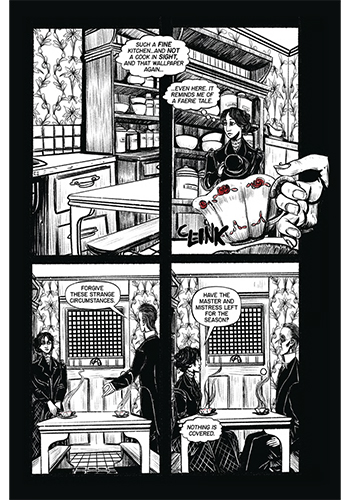
May tends to the empty manor of a dead wife. Too exhausted to work in the day, she cares for the manor at night. Hearing strange sounds, catching glimpses of red out the corner of her eye.
Welcome to Bats in the Attic, our brand new Gothic sapphic Vampire mini-series, by 'A Town by the Sea' author and artist Nina Poulston, and lettered by Rob Jones.
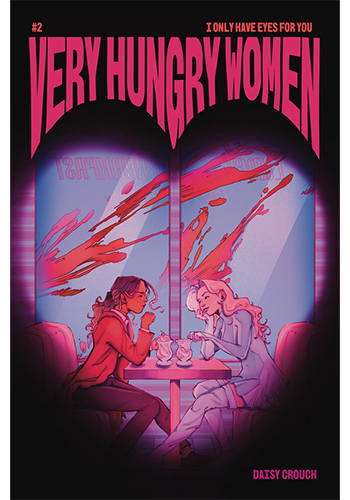
Very Hungry Women follows a superhero who gets her powers through… unconventional means, the reporter trying to expose her secrets, and their mutually destructive obsession with each other.
It's a story about hunger, fixation, bad things happening to people who deserve them, and worse things happening to the ones who don't.
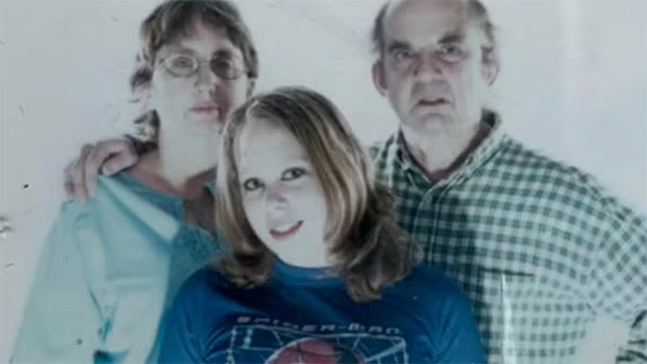
I am the real Danielle from American Splendor. I grew up in Harvey Pekar and Joyce Brabner's household. Right now, forty years of their raw, unfiltered creative history is sitting across four massive storage units. With urgent deadlines looming to clear and secure these spaces, I am stepping up independently to physically protect, sort, and digitally archive this legacy before it is lost.
Harvey Pekar was a colleague of R. Crumb and a figurehead of the underground comix movement. I hope you all will consider supporting this effort to preserve comics history.
SOMETHING(S) BORROWED
Get Smart created by Mel Brooks and Buck Henry
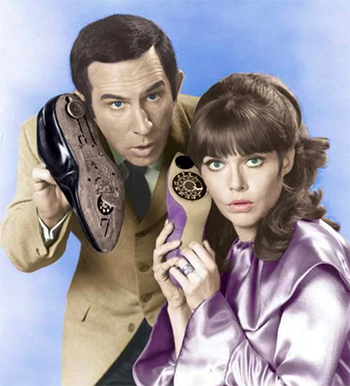
Yeah yeah, more Mel Brooks… But I really do recommend watching this series that preceded many famous spy parodies like Austin Powers or Johnny English. In many ways, it laid out the blueprint for these films. Granted, it was created in 1965, so some of the humor has NOT aged well, but for the most part, it’s still a great time. One of my favorite episodes is Washington 4, Indians 3, which has its issues, but I think the ending doesn’t sugarcoat the plight of indigenous Americans. It’s a good example of how the show could be ahead of its time.
SOMETHING(S) BLUE
Delicious in Dungeon
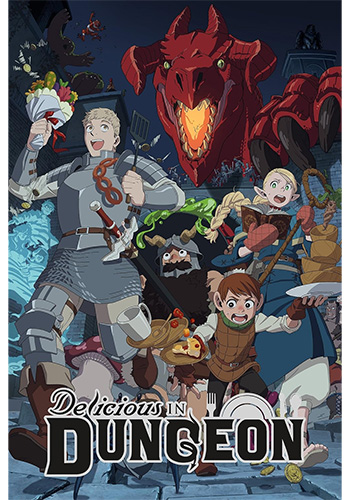
This show sounded delightful and I’m thrilled to finally get to it. It’s lighthearted and cute, but what I didn’t expect was how Daoist it would be. The story involves, of course, fantasy adventuring and food, but it’s also about the characters learning how the world is a collection of relationships even in the dark, dank halls of a dungeon. It’s a lovely environmental message, but also a personal one about finding purpose in oneself and an appreciation for connection. There could be an essay on this in the future if I find an interesting angle.