Read With Me November Edition
Shout out to Mississippi voters and book recommendations for your consideration

The obvious thing to do this week is to talk about the US midterms. However, almost a week has passed, and there's no shortage of excellent commentary out there.
I recommend this video series by New York Times opinion columnist Jamelle Bouie. I will insert Part 1 at the bottom of the newsletter.
Additionally, because my father was born there, the state of Mississippi has a special place in my heart. In the run-up to the midterms, a lot of hay was made about Democratic efforts at “ballot stacking” in Alaska. The goal of ballot stacking is to put additional candidates on the ballot who can siphon votes away from an opponent. For instance, in 2024 GOP operatives helped get Cornel West and Jill Stein on the ballot in various states. If you didn’t follow the story of the two Dan Sullivans in Alaska, you can read about it here.
The GOP was seemingly so focused on Alaska they missed what was happening in Mississippi, where a Black independent conservative candidate, Ty Pinkins, drew enough Republican votes to swing the election toward Democratic candidate Scott Colom. Mississippi, the US state with the highest percentage of Black residents, hasn’t had a Black Senator since Reconstruction and their last Democratic senator was a segregationist, so Colom’s apparent victory is historic.
I have resigned from the political prediction business but we'll get a real indicator of where things are headed with the new congressional majority when they hold their leadership elections. For my money, the Democrats absolutely should not be led by 75-year-old Chuck Schumer. I'm not especially fond of Hakeem Jeffries, but he's less problematic to me than Charles.
Rather than the midterms, I want to focus on books today.
Subscribe nowI feel like I'm on a really good reading run, and I want to put a few bangers on your radar.
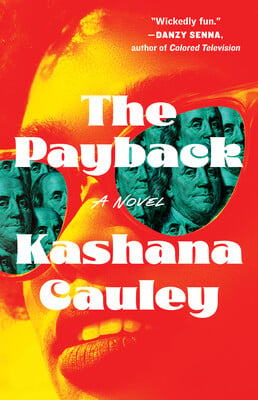
The Payback by Kashana Cauley
The Payback is a satire of our times centered on Jada William, an out-of-work Hollywood costume designer. In the universe of the book, which is only slightly more absurd than our own, people with debts, particularly student loan debt like Jada, are harassed, violently assaulted, and have their property seized by a brutal, turquoise-wearing law enforcement agency called the Debt Police.
At first, the model I had in my head for the Debt Police was bounty hunters. It wasn't until late in the book that it hit me that Cauley was setting up an ICE analogy.
The book is funnier than it has any business being, given the seriousness of the subject matter. The Debt Police are as absurd as they sound. They all talk like wellness bros, full of blather about vaccine avoidance, the supplements du jour, and the benefits of various skincare treatments.
Tonally, the book sits somewhere at the intersection of Boots Riley's Sorry to Bother You, the movie Set It Off, and a bit of Fight Club thrown in.
I generally don't read a lot of fiction, and what I do read tends to be Southern noir and crime fiction. Oddly though, I found that Cauley's absurdist vision of Los Angeles shares quite a bit with the world and novels of Jordan Harper.
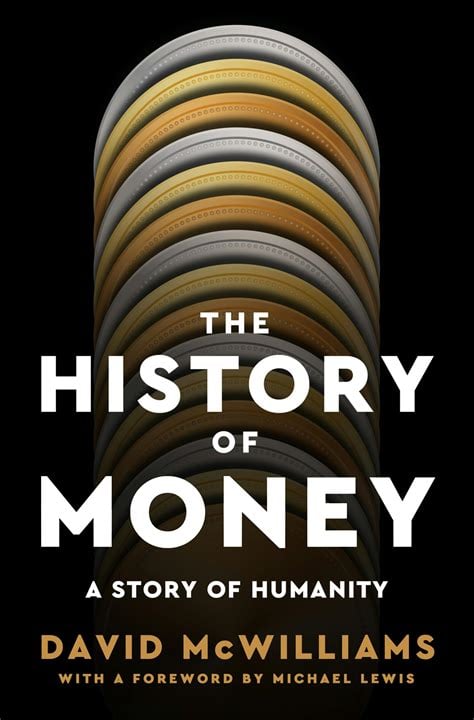
The History of Money by David McWilliams
The second book I want to recommend is a bit more Nate-core. It's called The History of Money, and it's exactly what it sounds like: a retelling of human history through the lens of money. McWilliams traces our evolution from barter economies to hard currency to fiat money, then spends the final chapters taking a decidedly critical look at cryptocurrency, (I think I should acknowledge here that I dabbled in crypto for a bit, like the all the other degenerates).
The first chunk of the book is admittedly a little dry, but it really picks up when McWilliams gets into comparative analysis of societies that developed money early and the ways currency accelerated trade and development, compared with societies that remained more reliant on barter for longer.
I think McWilliams oversells his argument a bit, but he makes a pretty compelling case that it's no coincidence that the Renaissance coincided with the expansion of currency use among the Italian city-states. It's dense at times, but it never feels like a textbook or a slog.
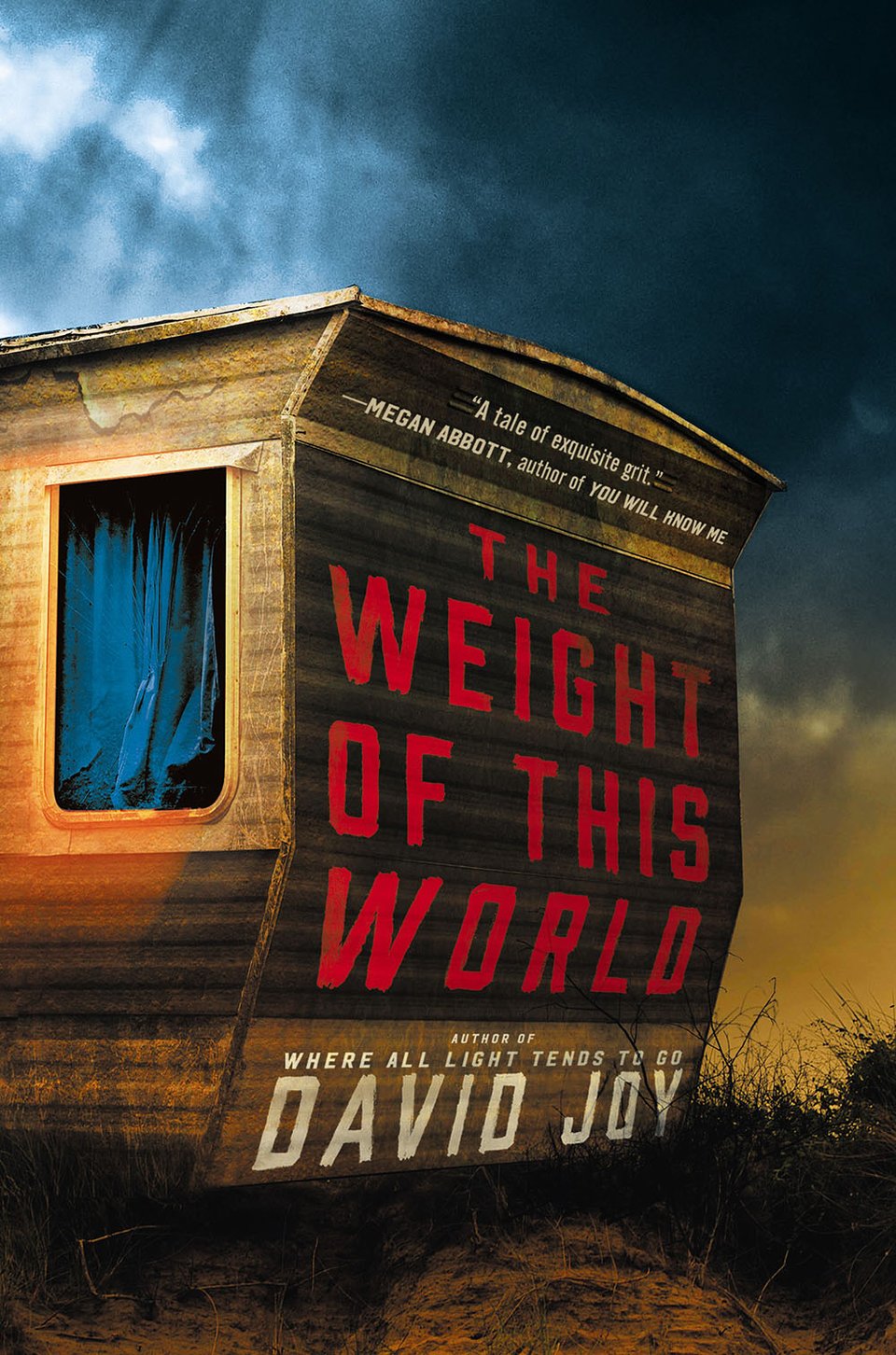
The Weight of This World by David Joy
Next, David Joy is one of my favorite writers, period. He's a North Carolina-based noir writer who writes novels the way Jon Krakauer writes nonfiction: the prose is highly descriptive yet sparse. You can step back and look at whole page, and it seems like he always picks exactly the right word.
The Weight of This World is from early in his catalog, published in 2018, but it's the last book of his that I hadn't read. The story follows a troubled Afghanistan War veteran and his closest friend in rural North Carolina. When the two friends “fortuitously” stumble into a pile of drugs and cash, their already precarious lives begin to unravel.
I desperately need Joy to publish something new. Like Jordan Harper, S.A. Cosby, and Brian Panowich, I've now read his entire catalog.
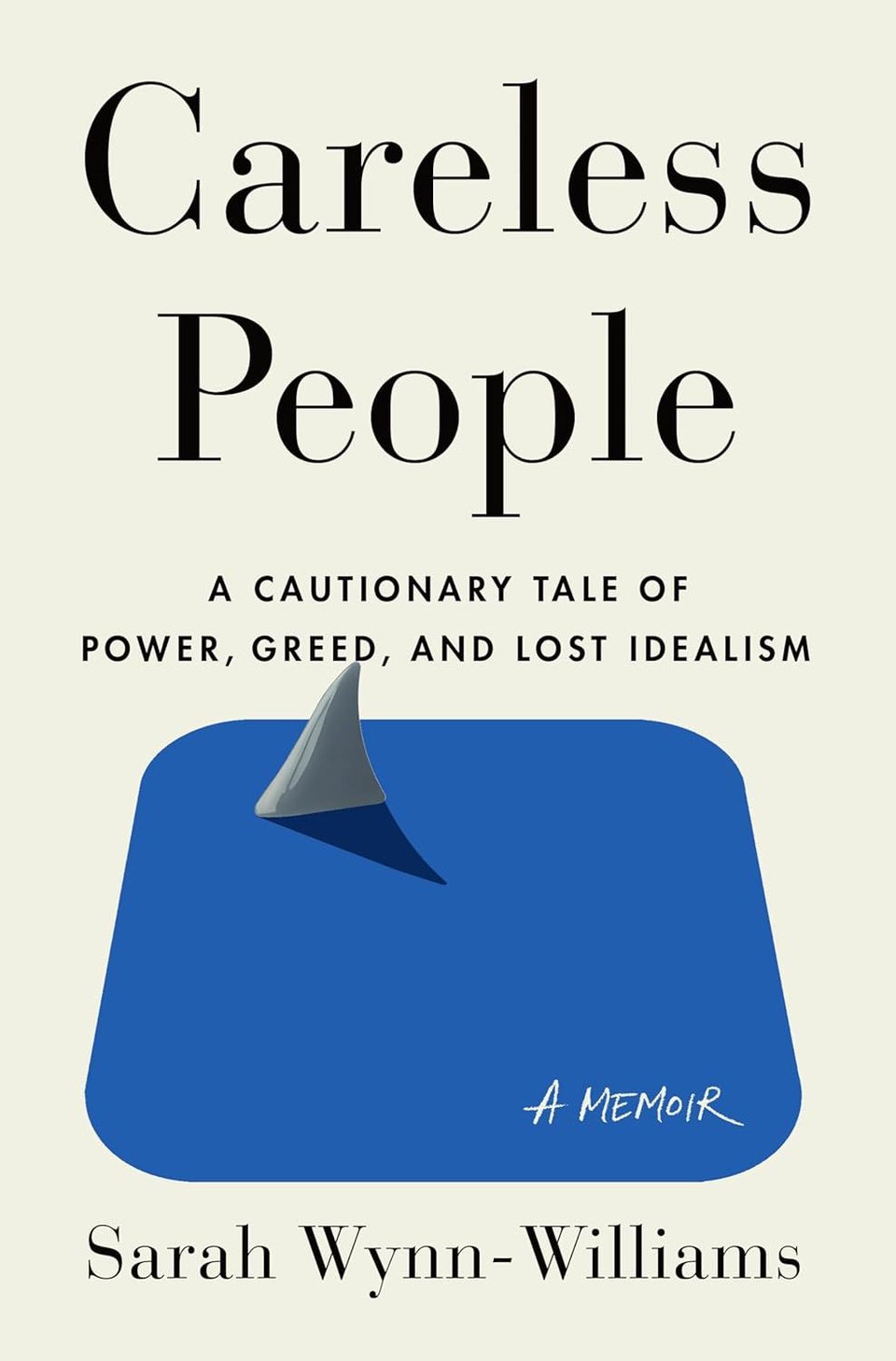
Careless People by Sarah Wynn-Williams
Lastly, there's a book I read a while ago: Careless People by Sarah Wynn-Williams.
I bring it up now because it was the most recent selection for our podcast book club. For those of you who read the newsletter but don't listen to Nerd Farmer, we occasionally host audio book clubs. My collaborator, Halley Knigge, and I select a book, read it, solicit feedback and takes from podcast listeners and Channel 253 Members, and then discuss the book and your responses on the show.
I published our conversation about Careless People on Friday (below). I encourage you to check it out.
One Final Book Thought
This week, I picked up Into Thin Air by the aforementioned Jon Krakauer. I don't know if this is just me aging into my Dad Books Years, but the man is such a master of his craft. During the pandemic, I read Into the Wild and Under the Banner of Heaven, which are both masterpieces. But there's something about Into Thin Air, at least so far, that I find truly extraordinary.
If you don't know the premise, Krakauer was commissioned by Outside magazine to join a guided expedition up Mount Everest and document the experience. He was on the mountain during the disastrous 1996 climbing season, when a storm killed five climbers.
The book was published in 1997, but it hasn't aged a bit. It's an absolute masterpiece, and I will likely have more to say about it in a future newsletter.
That's it for this week. Let me know what you're reading, or if you have any thoughts about these books. I'll holler at you soon.
–
Midterm Recap Part I: What Happened on Tuesday?!?