#14: self publishing a memoir w/ rachael maddux
it's not cringe ok
You’re reading Other Kinds of Intimacy, a newsletter by me, writer and journalist Juliana Feliciano Reyes. You can subscribe here.
For a while, a seeming eternity, Rachael Maddux’s memoir languished in publishing limbo. She had gotten that first major step of mainstream press validation—an agent—but when that agent sent her manuscript to publishers in 2021, no one bit.
After the first six months, her agent told her not to give up hope. Sometimes things take longer.
Six more months. Rachael had a baby. The book stopped being the most important thing.
Two more years. Baby now a toddler. She gave up on the big publishers, asked her agent to pulled the book from submission. She entered a few indie press contests. She experienced artistic despair. “A years-long funk,” she called it. “A deep dark hole, emotionally, psychologically, creatively.”
During that limbo period, she spotted a self-published memoir at a friend’s house. The cover was all pixelated and shiny. “The fonts were garbage,” she remembered. But the book was a real object, one that someone could hold in their hands, which was more than Rachael could say for her own. She thought about the janky book all the time. She was jealous.
“I was like, why does his book get to exist and mine doesn't?” she told me.
The answer was pretty simple, she knew. It was because she was holding out for the approval of industry gatekeepers.
Against anxious attachment with the publishing industry
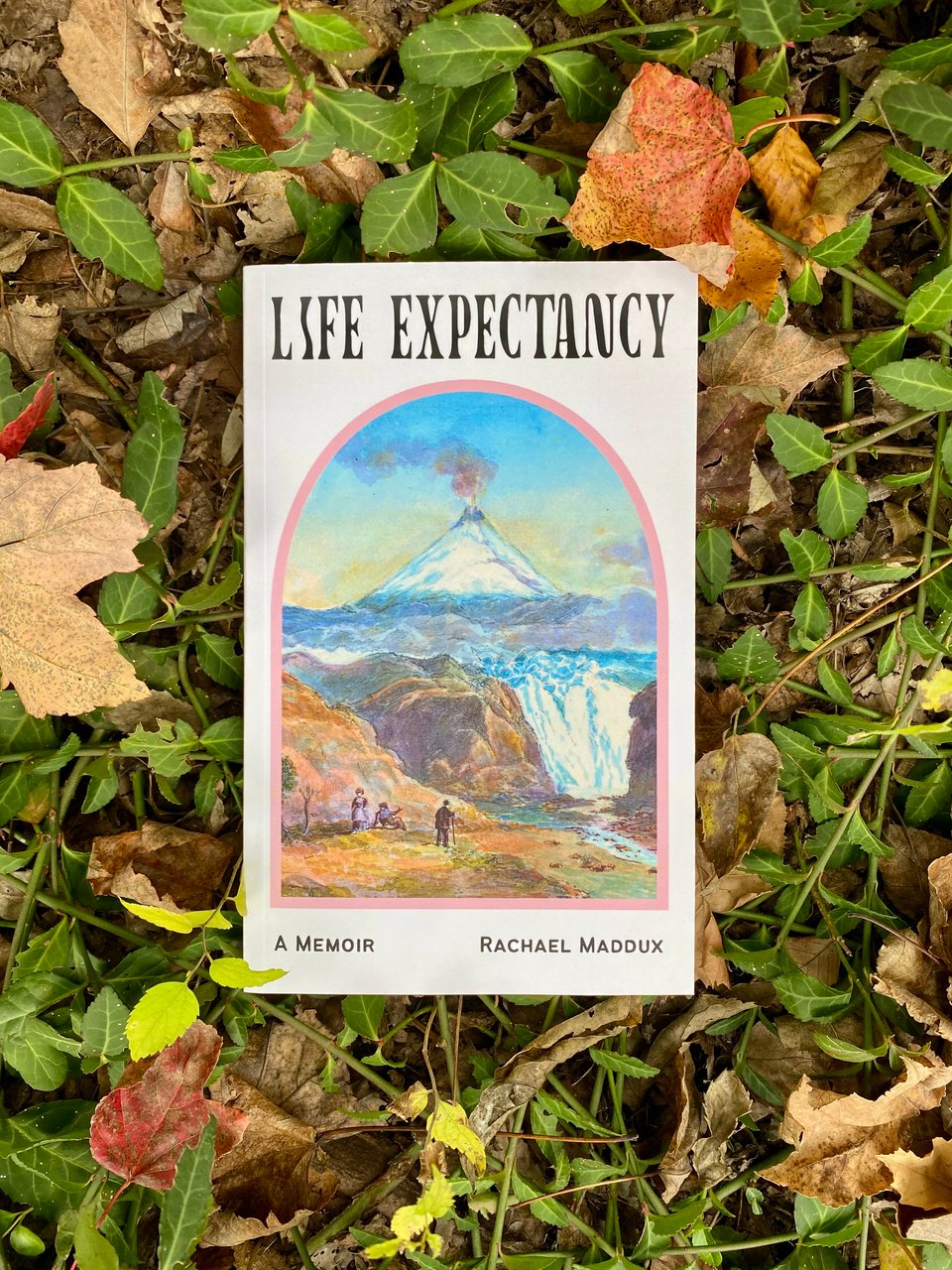
Today, Rachael’s book, Life Expectancy, exists. A “millennial coming of age memoir about growing up in the American South…obsessed with the question of how to live when you know you're going to die,” it channels Greta Gerwig, Joan Didion, and (personal fave) Jo Ann Beard.
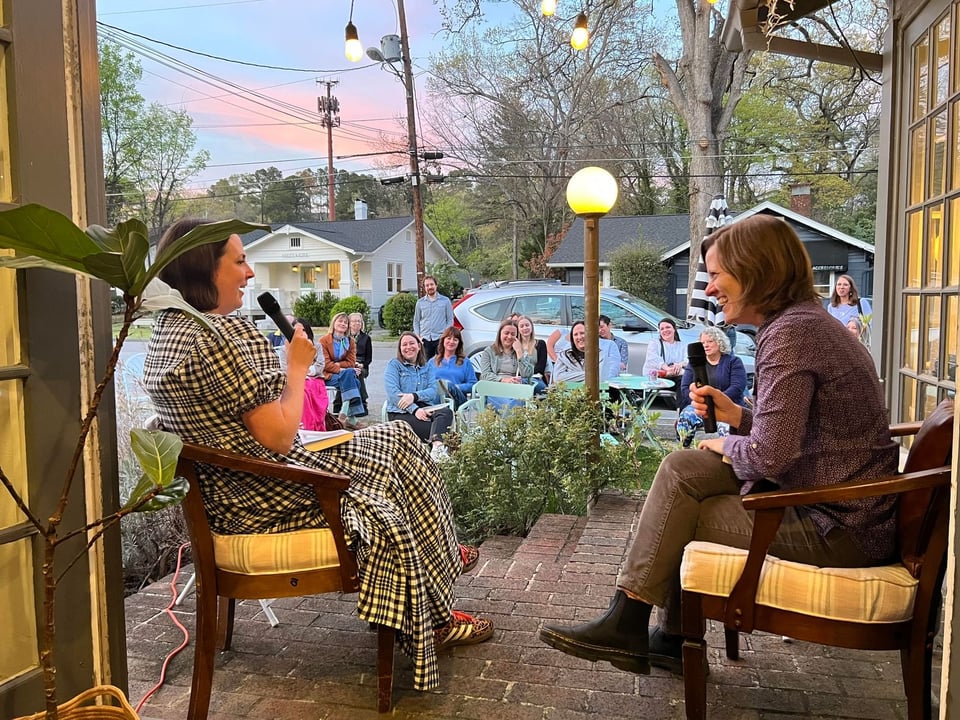
She published it herself last March. Indie bookstores in Atlanta and her own Chattanooga, Tenn., sell it. Book club composed of strangers (to her) have read it. Some of the parents at her kid’s school read it and now (regrettably? she sometimes wonders) know a whole lot about her.
“It was either the book exist or not exist. It lives or dies by my own decision making.”
Seven months later, she’s sold more than 300 copies. Which, depending on which metrics1 you’re looking at, is not too shabby. In his essay “Minor, Minor, Minor Writer,” Jeff Alessandrelli looks up a bunch of book sales to compare them to buzz. “Eleven months after it was released, 488 paperback copies sold of a young, social media savvy author’s hybrid lyric essay collection, published by a canonical independent press,” he writes. (The shade, incredible.)
I wanted to talk to Rachael because the whole “I desperately want approval from gatekeepers!” is so real. As a writer who wants to publish, it can feel like you’re always waiting for someone with more industry power to grant you permission and validation: Am I good enough? Do I deserve to be paid for my writing? Which easily devolves into: Do I even deserve to exist? (Artists…) Self-publishing bypasses all that. It looks, to me, like real confidence—real belief—in your work.
‘You don’t have to wait for permission’
Self-publishing, which gets a bad rap for being cringey, at least among certain kinds of literary people, has grown in prominence and even prestige.
Naomi Kanakia published a novella on her Substack that got reviewed in the New Yorker last year. She runs a juried contest for self-published fiction called the Samuel Richardson Prize.
Torrey Peters self-published two novellas and built an audience of fans before her 2021 (trad-published) novel Detransition, Baby became a national bestseller and won a bunch of literary accolades.
Last month, a profile of the writer Isabel Pabán Freed arrived in my inbox. She’s never been published by a press, big or small, but her books are sold in indie stores around the world, the Study Hall piece said. One “made its way through an entire Australian trans lesbian polycule.”2
Self publishing offers freedom, writers say.
“As a creator, you can do a lot of things for yourself, especially right now,” said Charlotte Shane, another writer who self-published before going to a mainstream press for her 2025 memoir An Honest Woman (highly recommend). “If someone else won’t do something for you, that doesn’t mean it can’t get done. You don’t have to wait for permission. You might even discover that you like your own way of doing it more.”
Or as Isabel Pabán Freed puts it: “I do the things I want to do with my writing because why else bother?”
Rachael tells me that ultimately, her decision to self pub came down to this: “What's going to make the book exist? It was either the book exist or not exist. It lives or dies by my own decision making.”
9 lessons from Rachael Maddux on figuring out if you want to self pub, doing it on your own, and overcoming the stigma
Sometimes you just need to see the thing through. You hear a lot about people “putting books in the drawer,” shelving them indefinitely, because they were rejected by agents and/or publishers. Rachael said she couldn’t dedicate herself to her next project while her memoir, which she had spent a decade working on, died a slow death. Publishing the book helped “liberate [her] from that stagnancy.”
Get real about the rejection. “This is where I feel like I've become a TED Talk inspirational speaker,” she said, upon realizing that just because a book doesn’t get picked up by a publisher, doesn’t mean it’s not worthy of existing. The only thing you can really know is this: People didn’t think they could sell it.
Be clear about why you want to put something out into the world. If you want to publish a book so you can get a teaching job or make money, self pub might not be for you. Rachael had a day job, realized even with a traditional book deal, she wasn’t gonna be able to quit her job. For her, it was about creative fulfillment. “I was just compelled by the muse,” she said.
Self pub doesn’t need to mean not rigorous. After Rachael decided to self pub, she did a few more rounds of major revisions, with help from writer friends, and also hired a copy editor. “I felt like I trusted my taste and I trusted my own ability to call myself on my own bullshit,” she said. “Which I am going to say that I don't think every writer has that ability, and I don't think I always do, but with this book, I was like, I've been in the shit so long like I feel like I know this guy. I know this book.”
What it actually costs. You could always publish for free on Substack. If you want an actual book, Rachael likens it to the cost of keeping up an expensive hobby over the course of a few years or going on a big vacation. She spent about $3600 on publishing and promotion, and she’s made nearly half that back so far. She wrote more in depth about that here.
The difference between doing it by yourself and with a publisher are not always so wide. When she moved to Chattanooga, Rachael started going to a book club at one of her local bookshops, The Book & Cover and eventually met the owners and got involved with the community around the store. They ended up hosting her book launch. That kind of relationship building is important no matter how your book is being published, since publicity support for a debut author at a press is a generally not that extensive.
Think critically about the industry and your allegiance to it. As an upper-middle-class white woman, Rachael said she knows she has more leeway in terms of what chances people might give her in publishing. “Which is maybe why it took me so long to come around to rejecting the dominant system of the publishing industry,” she said. “But whose interest does it serve to say this is how you're supposed to publish your book? … And I think in a lot of ways, it's other writers helping prop up the system that got them there or that they've invested in emotionally as what's going to transport them to the next level in their career.”
If you’re worried it’s cringe, look to other disciplines. Literary writing is snobbish by design, hence the stigma against self publishing, the whole emphasis on getting validation from gatekeepers. Rachael thought, instead, about film and music. In her past life as a music writer at a magazine, “we would get people’s self-released things all the time and no one was like [aghast face], ‘You should’ve jumped through better hoops.’ We were like, “OK, cool maybe we'll listen to it.”
And realize everyone is self-publishing. “I was like, why is it cool to have a Substack? And why would it be seen as cringey and embarrassing for me to self-publish my book?”
That’s all from me here in Manila, where it’s full-blown -ber month season (November, December…), which means traffic so bad it proves people love you if they endure it and lots of Mariah Carey Christmas music.
Till Sunday soon,
Juliana
Rachael came up with a few metrics of her own: the Dunham number and the Nuzzi number, comparing the number of social media followers of famous authors to their book sales. She did excellent by comparison. ↩
These examples are all transwomen. There’s a flourishing transfem self-pub community—a response to being overlooked by the white/cis/straight women who run mainstream publishing and envision the market of consumers. ↩

Add a comment: