Friday's Elk

Archives
Subscribe

Friday's Elk

Archive

Friday's Elk: Books+Autographs!

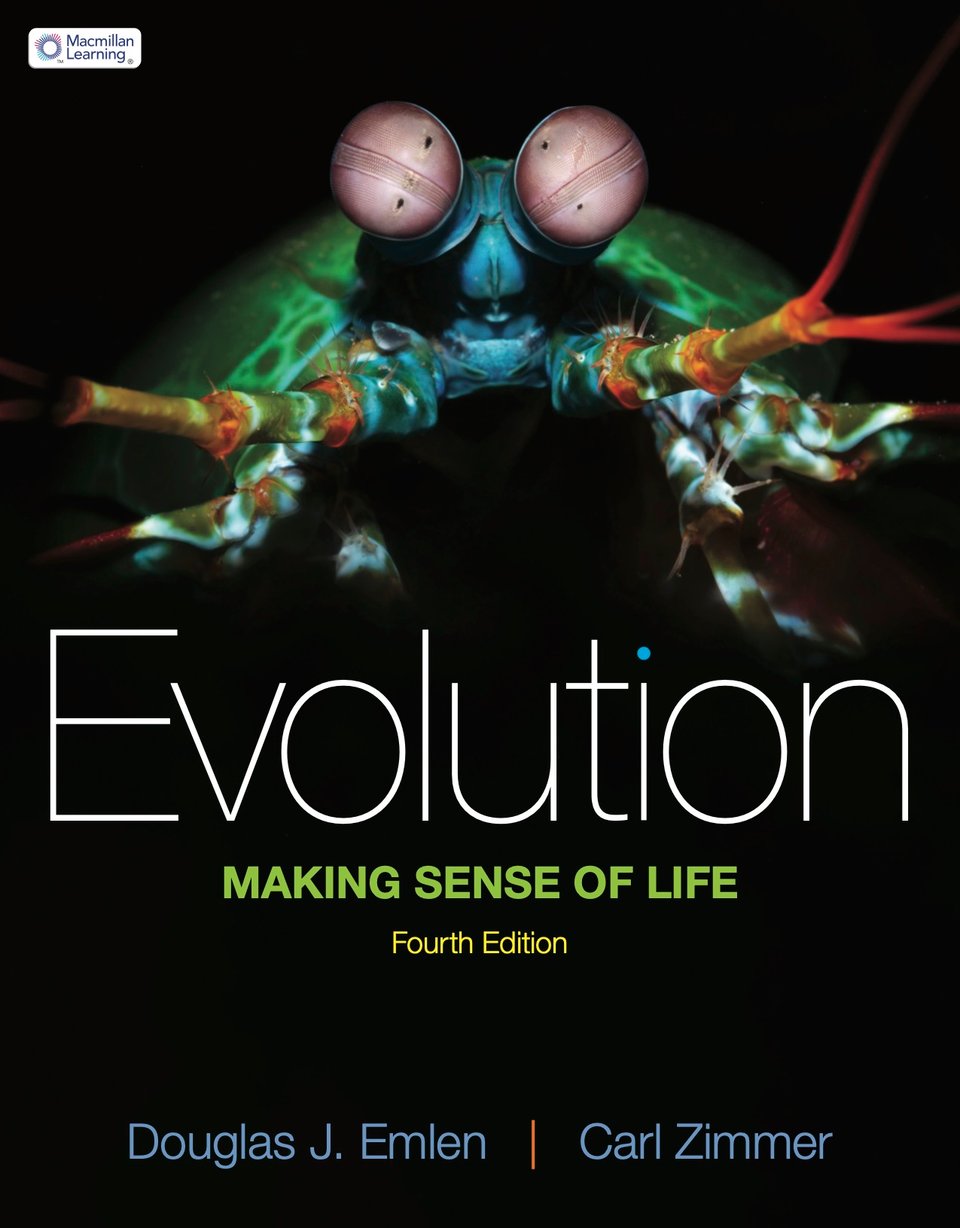
My textbook cover, with a picture of a mantis shrimp

With the gift-giving season upon us, I have some extra copies of my books to offer. They include Air-Borne, Life’s Edge, and the new edition of my textbook, Evolution: Making Sense of Life. I’ll be happy to autograph them personally. Fill out this Google form, and I’ll send you an invoice from PayPal (shipping included). When I receive payment there, I’ll put the book in the mail to domestic US addresses. (No international orders, sorry.) If you encounter any trouble, contact me via my web site.

Free post
#197
November 3, 2025
Read more

Friday's Elk: Lost Science

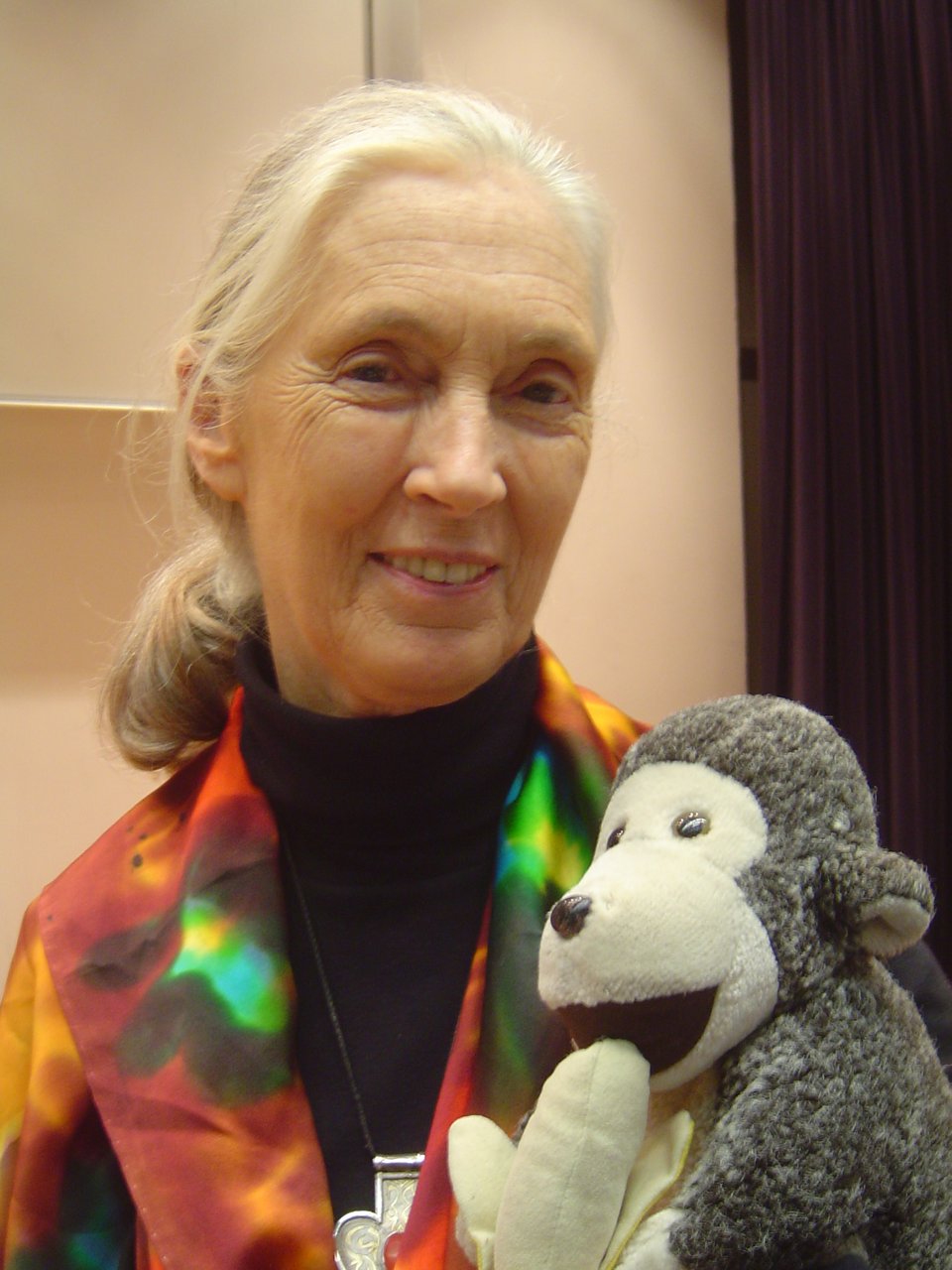
A picture of Jane Goodall
Photo by Jeekc/Wikimedia

Last week, Jane Goodall died. I contributed to the coverage at the New York Times with a story that I co-authored with Emily Anthes. We wrote about Goodall’s scientific achievements and her enduring legacy.

We were able to hammer out the story in just a few hours because it was a straightforward assignment. Before Goodall headed to her field site in Tanzania, there were a lot of things we did not yet know about chimpanzees. Then she saw amazing things, like chimpanzees making tools and using gestures to communicate with each other. She even collaborated with infectious disease experts to discover important clues about the origin of HIV in chimpanzees.

Now imagine that the 26-year-old Goodall got all the way out to her field site for the first time, with all those discoveries ahead of her, only to discover that the money she needed for the research had vanished for no clear reason. Imagine that she had no choice but to go back home and find another job. Imagine the loss.

Free post
#196
October 10, 2025
Read more

Friday's Elk: The Wave Breaks

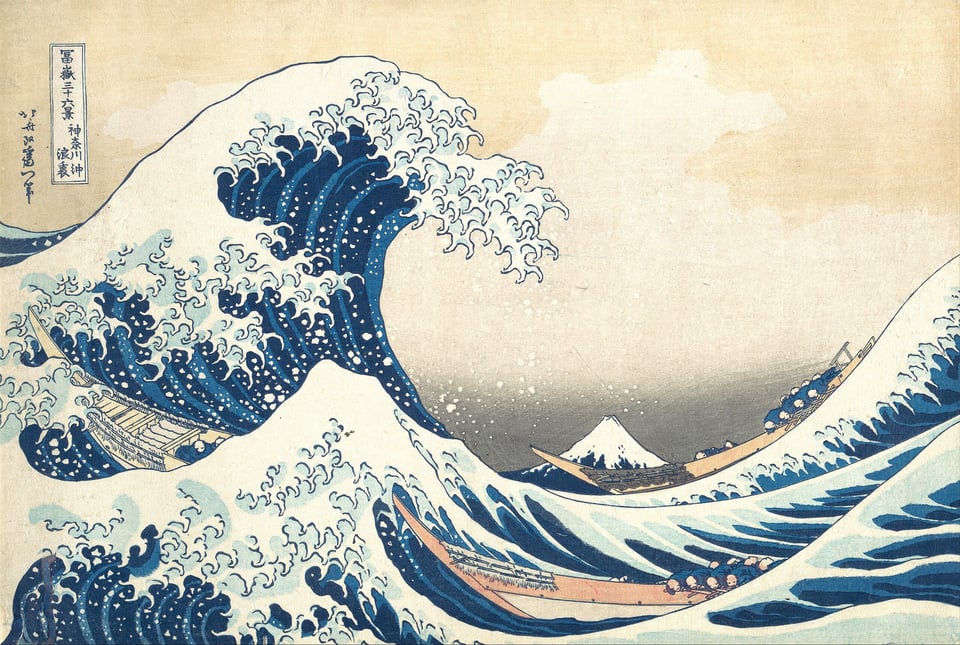
A painting of a cresting wave. Under the Wave off Kanagawa (Kanagawa oki nami ura), also known as The Great Wave, from the series Thirty-six Views of Mount Fuji (Fugaku sanjūrokkei)
via the Met

Six months ago, I started using this newsletter to track ominous news about science. Only a few weeks had passed since Trump’s second inauguration, and so it was still hard to make sense of those early developments.

Government offices would go quiet, and then open back up. CDC’s team of experts on lead poisoning got fired, only to be rehired. Hundreds studies got terminated, and then some were reinstated.

Still, the overall drift of developments looked bad. It felt like an ocean swell, rising up quietly but relentlessly.

Free post
#195
September 6, 2025
Read more

Friday's Elk: Air as Infrastructure

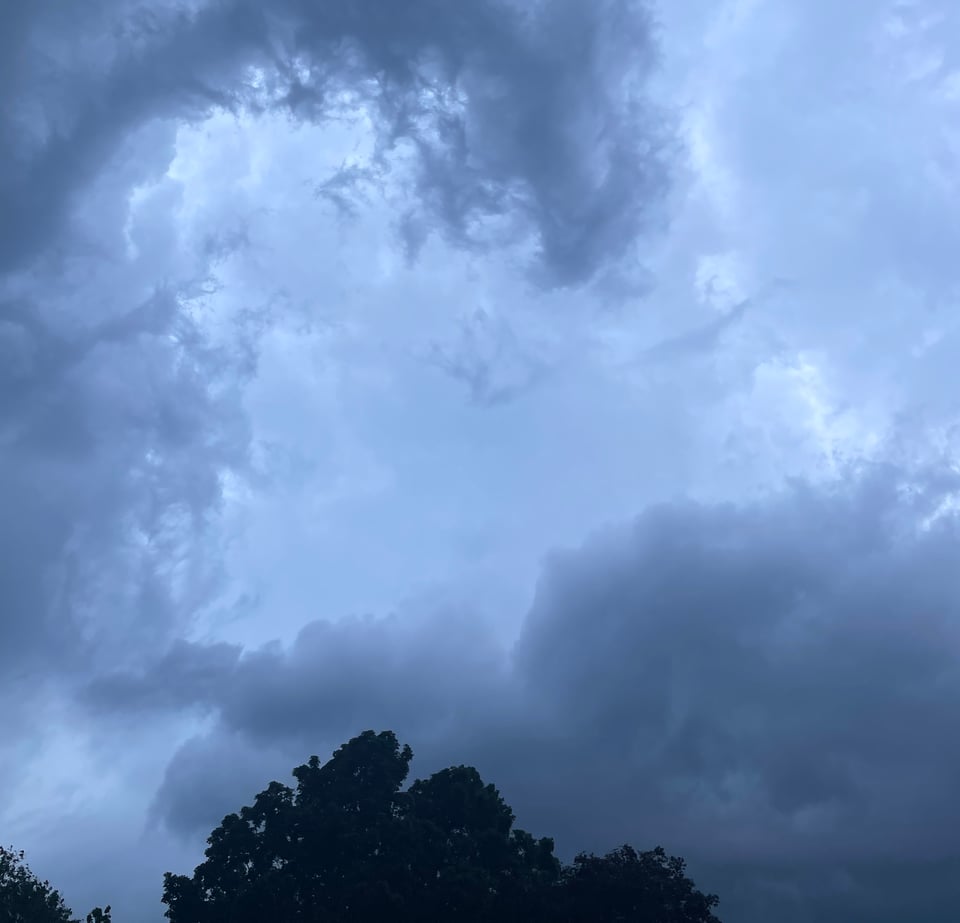
Dark clouds above trees
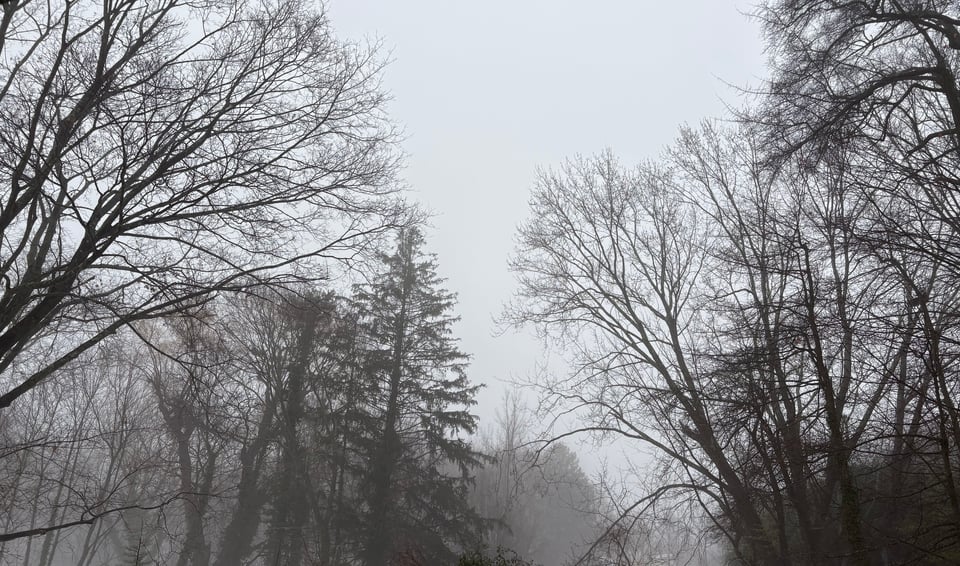
Some dramatic air over my house

99% Invisible is one of my favorite podcasts. It’s about “the unnoticed architecture and design that shape our world,” to quote from the show’s website. Each episode makes me take a closer look at the houses and highways and all the other human creations that we have built around us.

I recently reached out to the host Roman Mars about my new book AIR-BORNE. That might seem like an odd move, given that my book is about the life of the air—the pollen and fungi that soar across oceans, the bacteria that eat clouds, the trillions of insects that fly in invisible rivers thousands of feet above the ground, and the floating viruses that can unleash pandemics.

But one of the messages of my book is that the air is a common good. We all have to breathe it—and everything in it. And the air is composed partly of our collective breath. We can make the air safer for everyone by recognizing how we shape it—in part, by living in buildings in which dangerous pathogens can build up in the air like smoke.

Free post
#194
July 31, 2025
Read more

Friday's Elk: The Genes of Dragon Man

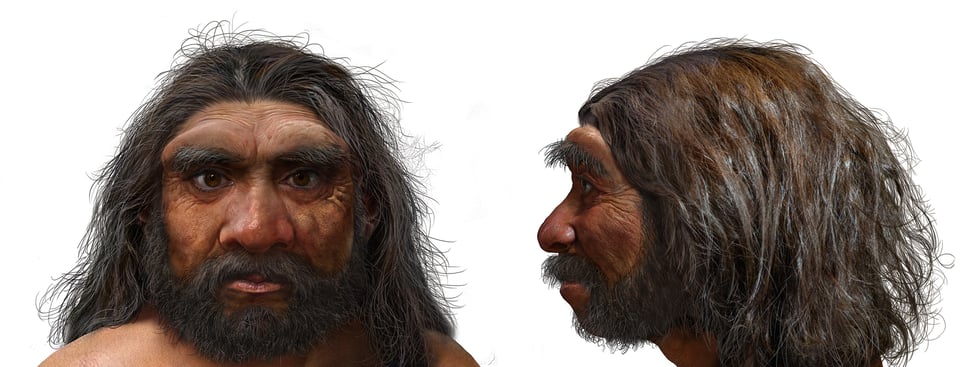
Reconstruction of the Harbin skull: a man with long hair, a beard and a prominent brow
Art by Chuang Zhao

I’ve been lucky to have worked as a science writer for a number of years. If you file enough pieces, you can see how they fit together into a really big story. One of the most fascinating of the stories I’ve chronicled is about the Denisovans.

Fifteen years ago, I reported on some of the earliest findings about these mysterious people. DNA from a pinky bone and a tooth found in a cave in Siberia revealed that they came from a separate human lineage previously unknown to science.

Recognizing a whole lineage of people reaching back hundreds of thousands of years was pretty wild. Also wild: billions of living people carried Denisovan DNA, offering proof that modern humans interbred with Denisovans before they disappeared.

Free post
#193
July 1, 2025
Read more

Friday's Elk: Life in the Clouds

From climate change to vaccines, the United States government is making false statements about science—and basing new policies on those falsehoods.

Before I get to the latest update on that front, let me ease in with some cheerier stuff: things I’ve been working on recently that I’m eager to share.

“The Future of Aging” Continues

Since my last update, two more episodes of my podcast have dropped.

Free post
#192
June 13, 2025
Read more

Friday's Elk: Remember What Is Disappearing

Lots to share today—from a podcast about biohacking to the lost women of science to The Last of Us…for bats.

But first I’d like to take a look at the ongoing earthquakes that are wracking American science and medicine. Sometimes an earthquake is just a scary tremor. And sometimes it takes down buildings, even whole neighborhoods.

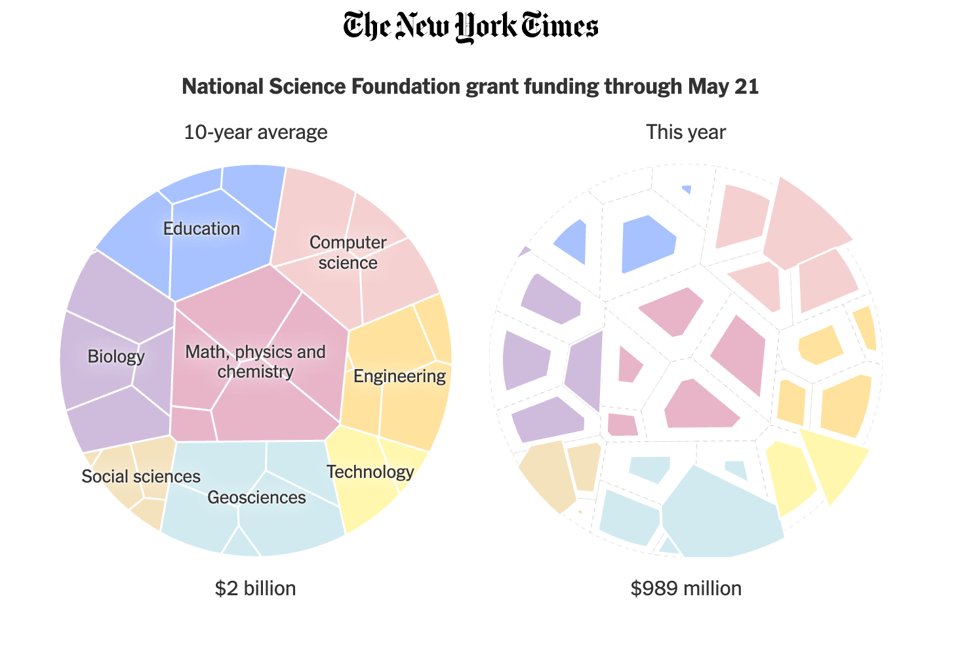
Diagram showing cuts to NSF funding

The good folks at the Upshot at the New York Times used their visualization magic to illustrate the Trump administration’s cuts to science funding. This particular picture does a nice job of getting their point across, but the whole interactive experience—plus the reporting—is very much worth your time.

Free post
#191
May 31, 2025
Read more

Friday's Elk: The Future of Aging--A New Pocast!

For as long as I’ve written about biology, I’ve been fascinated by why we get old. I’ve talked to evolutionary biologists about their elegant theories about aging, which they see as a tradeoff between surviving during reproductive years and accumulating cellular damage. I’ve interviewed molecular biologists who have tried to manipulate that balance by tinkering with genes and proteins—and thereby extend life. In recent years, I’ve reported on blood tests that can reveal the ticking of our biological clocks. And I’ve written about some truly strange experiments—like joining young and old mice together to slow down aging.

And so I was delighted when the producers of the podcast series “The World As You’ll Know It” reached out last fall. They asked if I’d host and produce their latest season, “The Future of Aging.” Today I’m very happy to share the first episode, called “The Billion Dollar Bet.” (Apple, Spotify)

In 2007, I wrote about about a bet between two leading thinkers on aging—Steve Austad and Jay Olshansky. Austad thought someone alive at the time would live to 150. Olshansky was sure that wouldn’t happen.

Eighteen years later, Austad and Olshansky have reached their seventies. A lot has happened in the field of aging research in that time. I talked with Austad and Olshansky again to see how the intervening years have shaped their thinking. Suffice to say, the bet still stands!

Free post
#190
May 20, 2025
Read more

Friday's Elk: Reporting on Life Here and Elsewhere

Greetings. The crumbling of US science has continued since I sent out my last newsletter. Today I thought I’d lighten the mood a wee bit by sharing some other news first. Then I’ll turn to the tougher stuff.

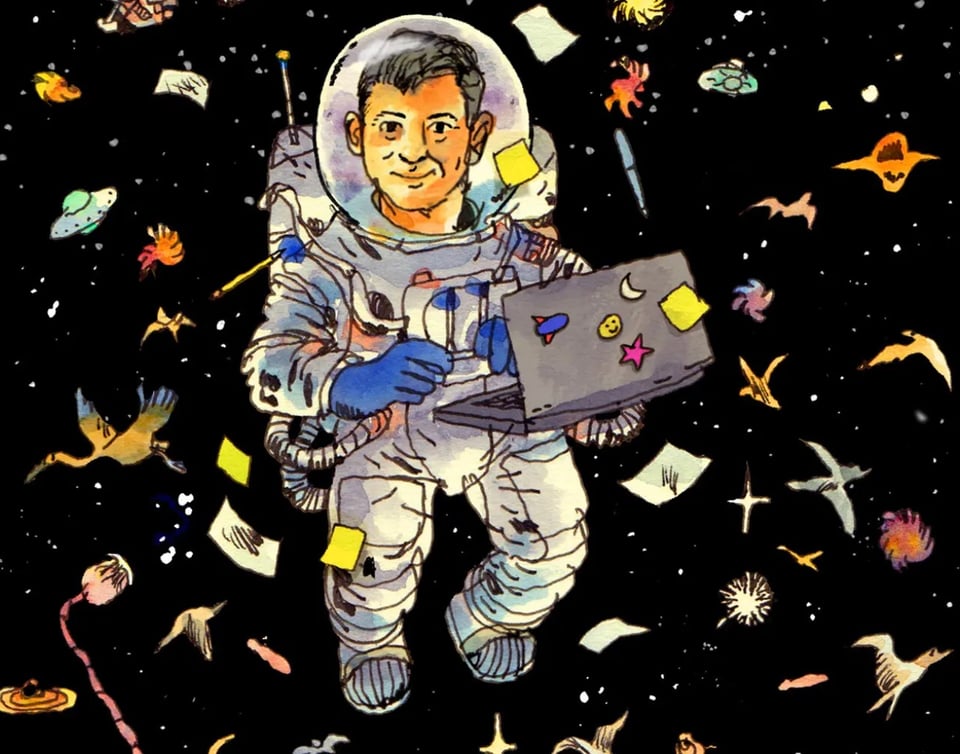
A picture of me in an astronaut suit, floating in space, surrounded by bird and tapeworms and other stuff
Art by Victor Kerlow

The New York Times sometimes interviews its writers for a series called “Times Insider.” After I wrote about K2-18b— the distant world that might (or might not) harbor alien life—Emmett Lindner gave me a call to talk about writing biology of all sorts (plus a little backstory on how the tapeworm Acanthobothrium zimmeri got its name.) Check it out. And thanks to Victor Kerlow for putting me in space!

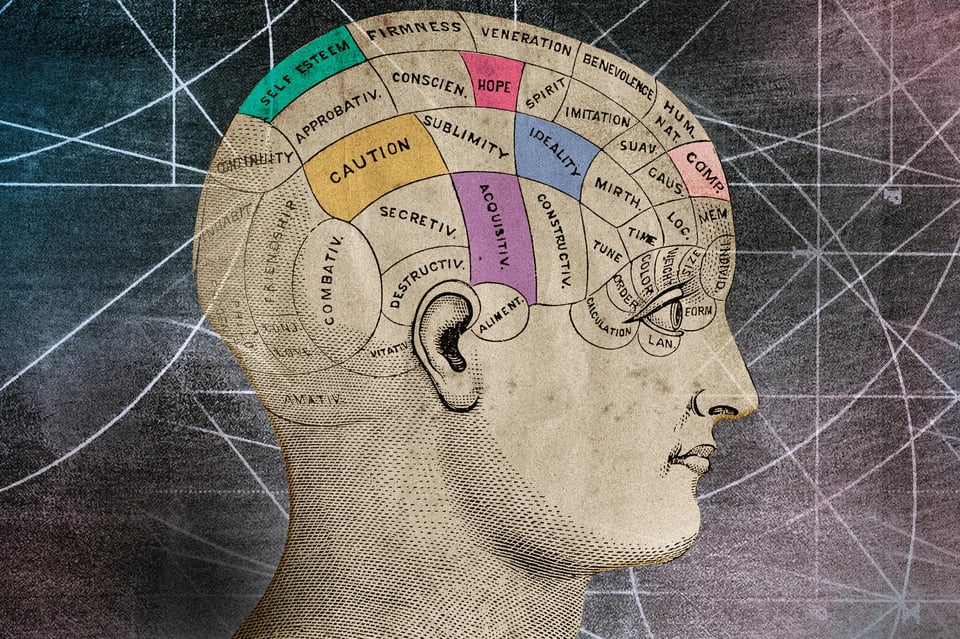
An image of phrenology, with regions of the brain divided by lines
Free post
#189
May 9, 2025
Read more

Friday's Elk: Scrapping Science on Radiolab

Last week, I talked to Latif Miller and Lulu Miller, the hosts of Radiolab, about this newsletter—in particular, how I’ve been tracking the dismantling of US science and medicine. They folded our conversation into their latest episode, out today.

Their episode drives home how a lot of the things we take for granted today emerged out of basic scientific research decades ago. But no one who did that research could predict how their findings would inspire applications. The scientists just did the work out of curiosity. That PCR test that showed you had Covid? It emerged from the search for life in Yellowstone hot springs in the 1960s—a search supported by the National Science Foundation.

I show up at around 35:00 in the episode to connect that story to what’s happening right now, explaining how the ongoing cuts and chaos threaten the basic-research pipeline.

After I finished talking to Latif and Lulu, I sent them a stream of emails as more news came out. I wanted to let them know about even more dire developments in what was already a dire story. Here is the latest:

Free post
#188
April 25, 2025
Read more

Friday's Elk: Decimation

As we head into the third month of the new Trump administration, some of the damage that it is inflicting on American science and medicine is starting to look irreversible. People are going to die, data is going to vanish, careers are going to end, and the benefits of a vibrant scientific community in the United States are going to dwindle, perhaps for decades.

Launching my book AIR-BORNE made it hard for me to pitch in on reporting this seismic event. But since my last newsletter I’ve been finding time to help out a little.

My first piece, co-authored with Apoorva Mandalvilli, feels like a sad epilogue to some of the reporting I did back in 2020, when scientists were scrambling to find vaccines and antivirals to fight Covid. They created effective vaccines in under a year that saved tens of millions of lives. It proved harder to develop the first drugs that reduce the risk of death from an infection of SARS-CoV-2, but eventually they created Paxlovid and other compounds.

At the time, those scientists knew very well that Covid would not be the last pandemic the world will face. They were already thinking about how we might prepare ourselves better for the next onslaught. Some researchers started designing new vaccines they hoped would provide protection against a wide range of coronaviruses that might spill over from an animal in the years to come. Other scientists developed a new generation of antivirals to work against entire families of viruses—some for coronaviruses, others for viruses that cause diseases like Ebola or influenza.

Free post
#187
April 4, 2025
Read more

Friday's Elk: The Two Month Mark

Two months into President Trump’s second administration, American science and medicine are now in a state that’s both dire and ambiguous. Some of the government scientists who were fired in the past few weeks are back at work. Others have ended up in a limbo of administrative leave. Others will probably never come back. The National Institutes of Health has picked up its review of grant applications, but it is lagging far behind previous years. Meanwhile, approved grants are still getting erased.

The murky picture makes it impossible to make hard and fast predictions about what American science and medicine will be like in the future. But chaos and temporary disruptions are enough to leave marks. And some of those marks are going to cut deep.

Here are a few developments since my last email that point to lasting damage.

—The head of Africa CDC said a sharp drop in outside funding, spurred by a broad shutdown in most foreign aid by the Trump administration, will lead to two million to four million more deaths each year. CIDRAP has the story.

Free post
#186
March 21, 2025
Read more

Friday's Elk: The Turbulence Continues

It’s time for another double-feature email. First let me run through the latest shocks that the Trump administration has inflicted on American science and medicine. All the spectacle in the news these days can make it easy to miss how dire a state we’ve ended up in. And then I’ll pivot to happier personal news about podcasts and more AIR-BORNE fun.

—Measles (a quintessential airborne disease, by the way) is having a moment in the United States. An outbreak in the west Texas region has reached at least 159 cases, with more cases popping up as far away as New York. One child died of measles in Texas, and a second person has died with measles in New Mexico. The second death is still being investigated.

—HHS Secretary Robert Kennedy initially brushed off the outbreak, calling it “not unusual.” It is unusual. The last time someone died of measles in the United States was 2015. And the time before that was 2003. Now we may have had two deaths in little over a week. Kennedy then offered lukewarm encouragement for measles vaccination. He also suggested taking cod liver oil.

—Meanwhile Kennedy canceled a flu vaccine meeting to select strains for next season.

Free post
#185
March 7, 2025
Read more

Friday's Elk: Air-Borne taking flight (in some really rough weather)

AIR-BORNE is coming out on Tuesday! After working on this book for three years, I’m very excited for people to finally read it. I am also eager to share some news about AIR-BORNE.

But first things first.

Let’s catch up on all the news about science and medicine in the United States since my last email two weeks ago. In that brief time, things have gone from bad to worse.

—It was startling enough when an influenza virus jumped last year from birds to cows. Now it turns out that H5N1 has jumped into cows at least three times.

Free post
#184
February 21, 2025
Read more

Friday's Elk: Throttling Science

Since I sent out my last newsletter, the Trump Administration has moved to drastically shrink government support for American science and public health. And they have announced plans for more such changes. Here are just a few examples:

—The Trump Administration is shutting down USAID, thereby killing off clinical trials around the world, crippling US efforts to investigate an Ebola outbreak in Uganda, and halting efforts to block malaria.

—As I write this, PEPFAR, which has saved an estimated 25 million lives by distributing HIV drugs in Africa, is effectively frozen.

—The Trump Administration announced a new policy to severely curtail grants from the National Institutes of Health.

Free post
#183
February 8, 2025
Read more

Friday's Elk: Five Years of Covid, A Mirror Pandemic, And More

New Year’s Eve will never be the same. On December 31, 2019, my wife Grace and I were hosting friends at our home in Connecticut, playing board games with their kids and clinking glasses at midnight to mark the arrival of a new decade. We celebrated in cheerful oblivion of a New Year’s Eve announcement from Wuhan. Earlier that day, the city’s health commission issued a public notice of a small outbreak of viral pneumonia.

“So far the investigation has not found any obvious human‑to‑­human transmission,” the commission declared.

In fact, a few doctors around Wuhan had already concluded that this was exactly how the new coronavirus was spreading. “At the end of December, the signs of human‑to‑human transmission were already very obvious,” Zhang Li, a doctor at Jinyintan Hospital later recalled. “Anyone with a little common sense could reach that assessment.” With some help from modern transportation, human-to-human transmission then spread Covid out of Wuhan and around the world. It became the worst pandemic crisis in modern history.

This week marks the fifth anniversary of Covid’s official debut. Since it emerged, the disease has killed perhaps over 27 million people. In 2020, Covid became the third highest cause of death in the United States, trailing only cancer and heart disease. It held onto third place in 2021, slipping to fourth place in 2022. In time, vaccinations and immunity from previous infections made Covid less deadly. In 2023, it slipped to tenth place in the list of U.S. deaths.

Free post
#182
January 3, 2025
Read more

Friday's Elk: The Air-Borne Tour Takes Shape!

When the Covid pandemic hit in early 2020, I got a call from Jad Abumrad, the creator of the podcast Radiolab. In previous years, I had helped him on a number of episodes—about everything from the speed of thought to giant viruses. Now Jad was thinking about what he and his team of producers could offer in the midst of a planetary crisis.

I suggested that he could tell the story of Ignaz Semmelweis, the brilliant, troubled nineteenth-century doctor who recognized that hand-washing could break the deadly chain of disease. Jad invited me to help him create an episode about Semmelweis, which ended with my urging people today to follow his example and break the pandemic’s spread by washing their hands.

Washing your hands is unquestionably a good way to stay healthy. But Covid forced the world to take another look at how to avoid getting sick. Even with clean hands, it’s now very clear, you can inhale an infectious dose of coronaviruses.

As the airborne nature of Covid emerged, I began to explore the fascinating history of our understanding of life in the air. The result was my next book AIR-BORNE. I’m delighted that I can start sharing details about events I have planned to celebrate the launch.

Free post
#181
December 6, 2024
Read more

Friday's Elk: Feeling Like 2016 All Over Again

Last week, I traveled to Italy to give a talk about viruses at the Genoa Science Festival. I ate a lot of focaccia and a lot of pesto, as one should in the city where both those fine dishes were invented. And I was also interviewed on Italian radio and television. The journalists asked me about my book A Planet of Viruses, which was translated into Italian last year. But the conversations inevitably turned to American politics.

I had no idea at the time who would win the presidential election. But I expected that the choice would have a huge impact on American science and medicine. During his campaign, Donald Trump promised that Robert F. Kennedy Jr.—a man who lacks any medical or scientific training and who has promulgated false claims about medicine—would have free rein over America’s health. Trump himself also has a long track record of dismissing climate change, either as a hoax or an insignificant distraction.

I suppose some people might brush all this off as campaign talk. But we have four years of a previous Trump administration to examine as a prelude. Here’s a talk that I gave seven years ago about Trump and science, and how journalists should respond. At the time, he was installing climate deniers in his administration and shutting down public web pages about climate change.

Free post
#180
November 8, 2024
Read more

Friday's Elk: French Fries And The Evolving Natural

Potatoes

French Fries And The Evolving Natural

My doctor recently advised me to cut down on the carbs. While my blood sugar level is thankfully still safe, it’s inching up as I march through middle age. So I am trying my best to resist things like French fries.

Following my doctor’s advice feels like a struggle against the modern world. The twenty-first century food industry provides much of humanity with cheap, tasty carbohydrates that are helping to drive pandemics of diabetes and other disorders.

Free post
#179
October 18, 2024
Read more

Friday's Elk: The Lost Scientists of the Sky (and Autumn Talks)

This week, I wrote in the New York Times about a newly published study on the life that floats 10,000 feet over Japan. A team of scientists chasing after the cause of a mysterious disease got in a Cessna equipped with vents, tubes, and filters. They then flew into the sky in pursuit of living things.

A plane in the sky
Photos courtesy of Xavier Rodo

After they returned to Earth, the scientists suited up in biosafety gear to inspect their harvest.

Scientist inspecting airplane filter
Free post
#178
September 20, 2024
Read more
Older archives  
Bluesky
Threads
LinkedIn
Powered by Buttondown, the easiest way to start and grow your newsletter.