
10 — Flying to Australia, and a Warning from Japan.
A Jetstar journey through Australia, and a reflection on Japan’s quiet economic decline.
Past posts here: ARCHIVES
⚡️ Block 946618
Don't miss what's next. Subscribe to Sovereign Individual 🌏:
🇯🇵🇦🇺 Moments with Me
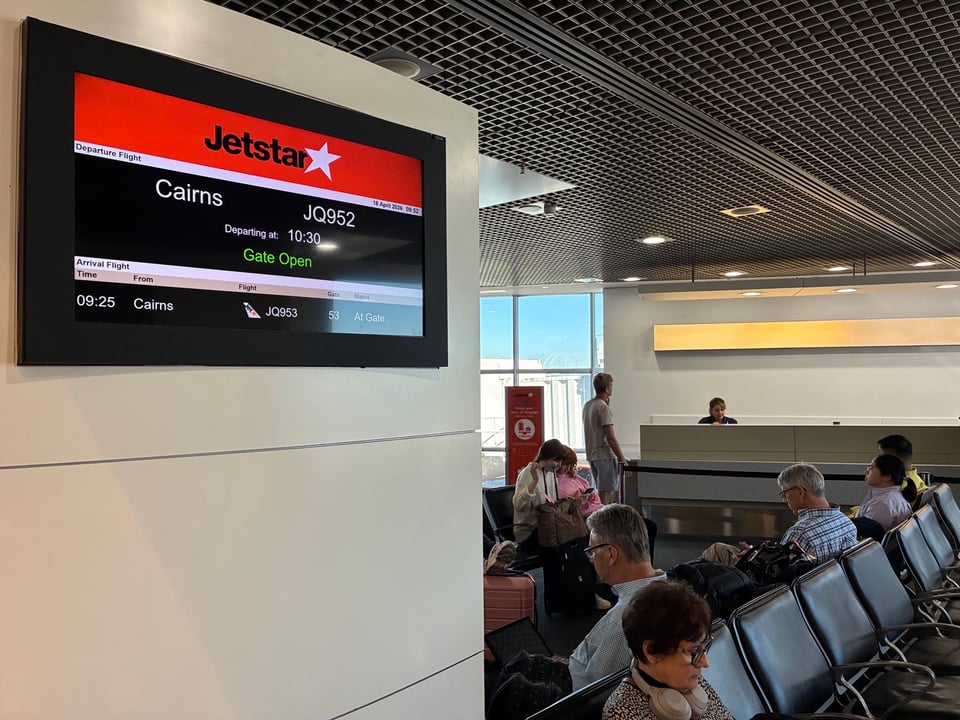
For this Australia trip, I used Jetstar for both the international and domestic flights.
The main routes were:
Osaka ↔︎ Cairns
Cairns ↔︎ Sydney
Jetstar is a low-cost carrier, so I did not expect a premium flight experience.
What I wanted was a practical way to move between Japan, Cairns, and Sydney without making the itinerary too complicated.
Overall, it worked well for this trip.
Osaka ↔︎ Cairns
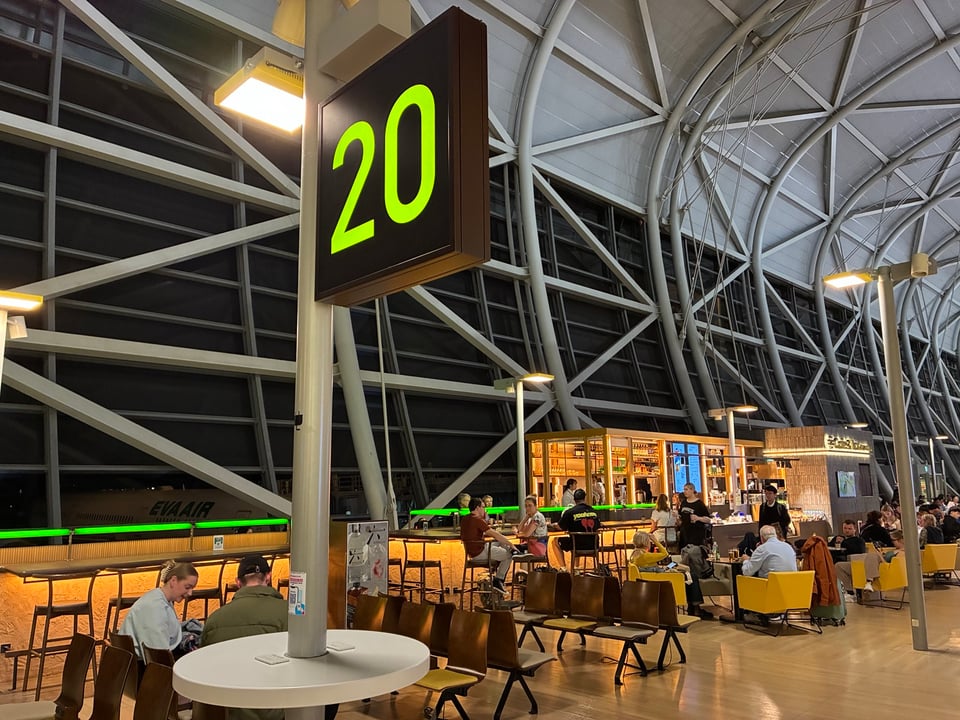
The first flight was from Osaka to Cairns.
It departed from Kansai International Airport at 9:45 PM, so this was an overnight flight to Australia.
Night flights always feel a little different.
The airport is quieter, the gate area feels calmer, and most people are already preparing themselves for a long flight.
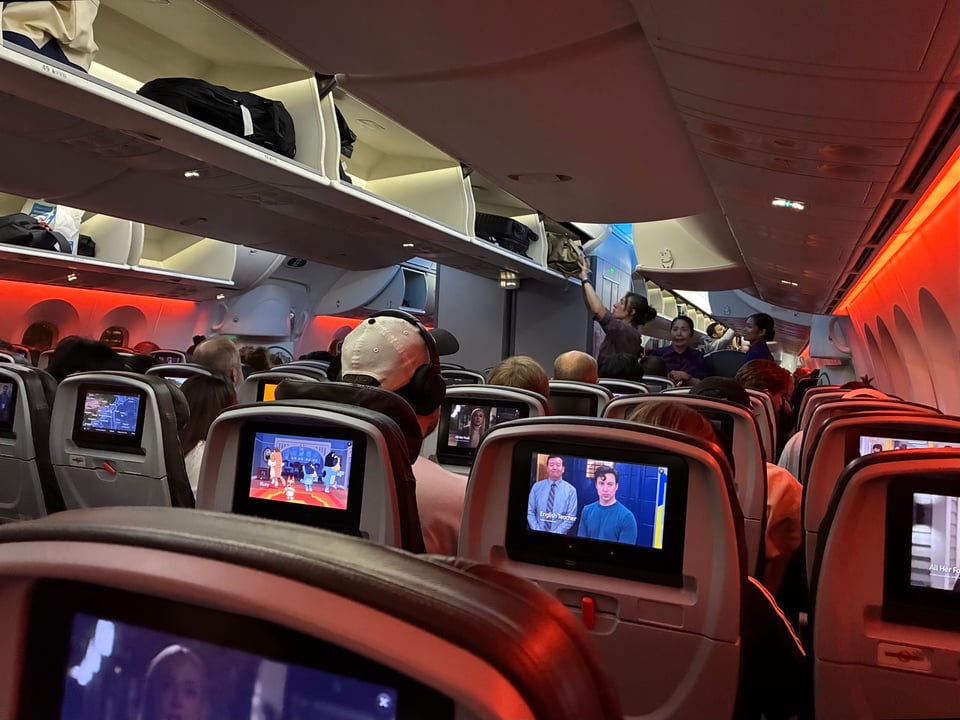
The cabin was clean and straightforward.
The seats were what you would expect from an LCC: not especially spacious, but enough for the route.
Since this was an overnight flight, I tried to keep things practical.
I kept my essentials close, settled into the seat, and tried to rest as much as possible.
There was no strong luxury feeling, but there was also no major stress.
For a direct flight from Osaka to Cairns, that was the most important point.
The biggest advantage of this route was that it took me straight to Cairns.
After a long flight, not having to transfer somewhere else made the trip much easier.
In-flight meal

I also had an in-flight meal during the Osaka to Cairns flight.
The meal was not something fancy, but it was enough for a night flight.
On an LCC, I think this is where expectations matter.
If you compare everything with a full-service airline, you may feel the difference.
But if you think of it as a practical travel option, the meal was fine.
For me, the main value was simply having something to eat during the flight without needing to prepare too much beforehand.
Arriving in Cairns
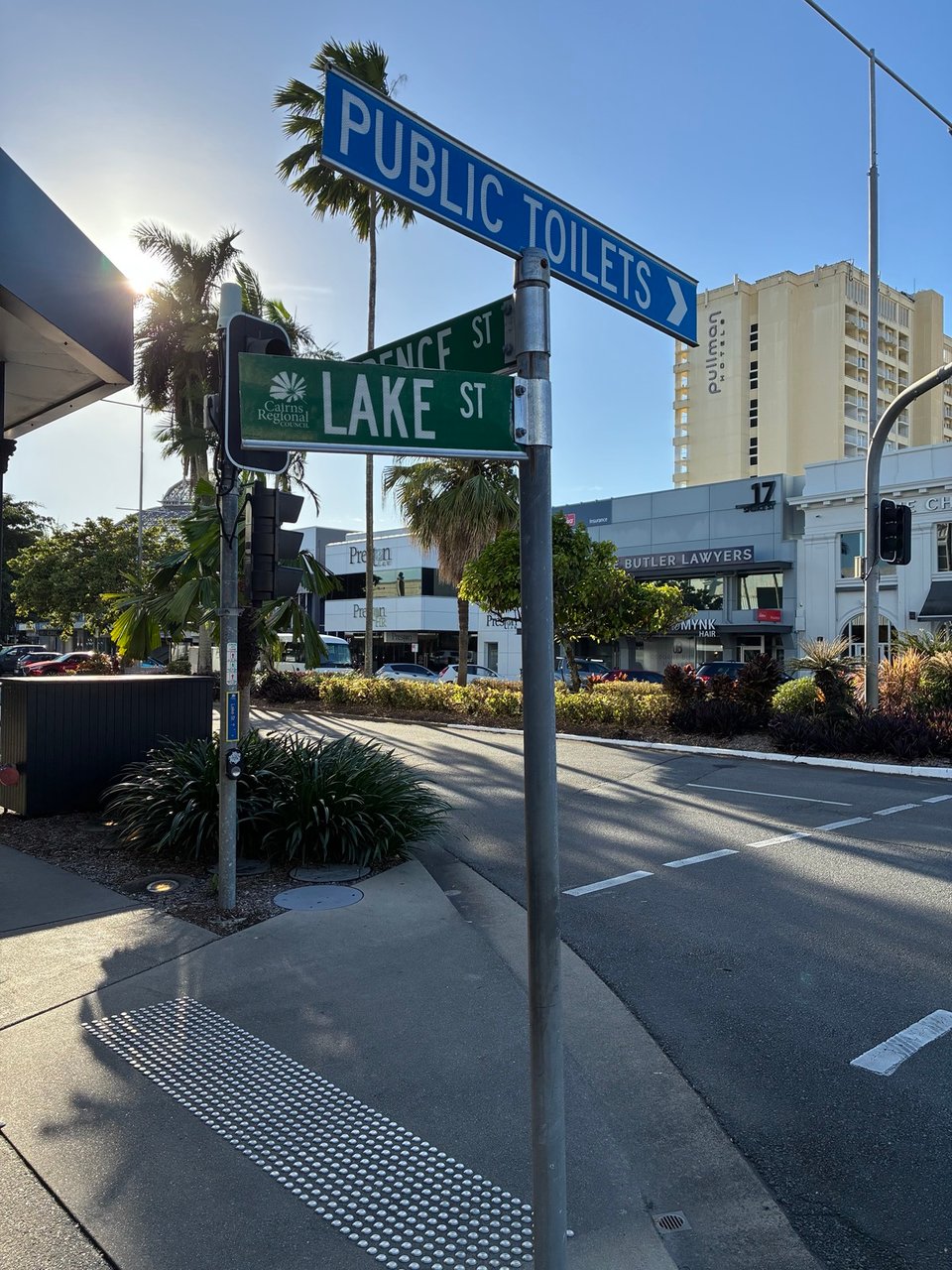
After the overnight flight, I arrived at Cairns Airport.
My first impression was that Cairns Airport felt much more relaxed than larger international airports.
It was not overwhelming, and the arrival process felt easy to follow.
After a night flight, that kind of airport is actually very nice.
Cairns itself also had a slower and warmer atmosphere from the beginning.
Compared with a big city, it felt more open and calm.
That made it a good place to start the Australia trip.
Cairns ↔︎ Sydney
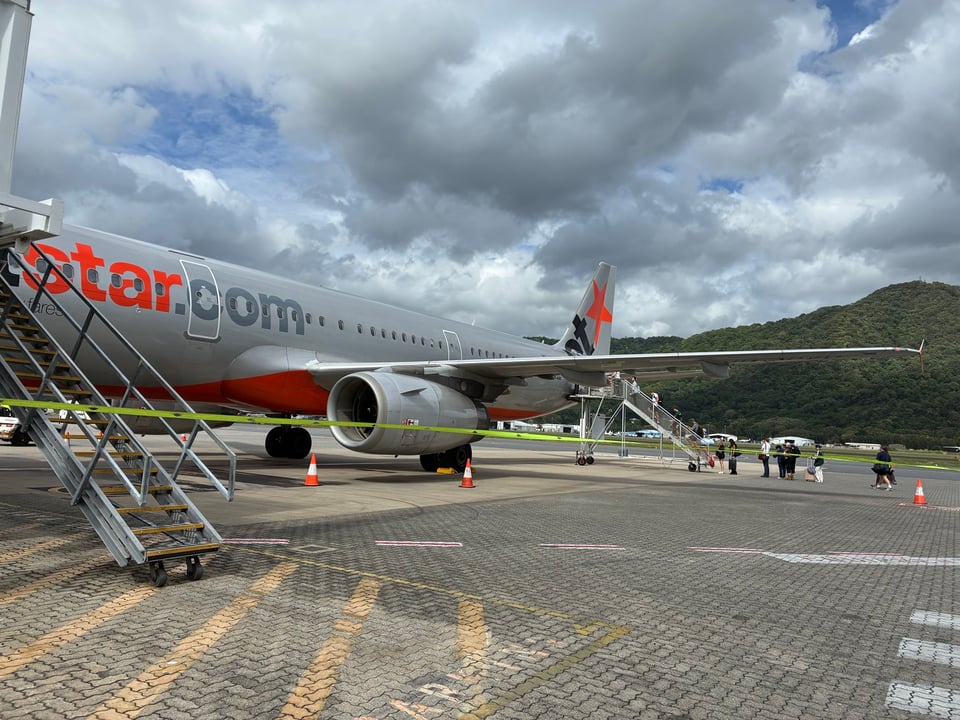
After spending time in Cairns, I used Jetstar again for the domestic flight between Cairns and Sydney.
This flight felt quite different from the Osaka to Cairns route.
The international flight felt like the beginning of a big trip.
The domestic flight felt more casual and easier to handle.
Cairns Airport was also easy to use for a domestic flight.
It did not feel too large, so moving from check-in to boarding was not stressful.
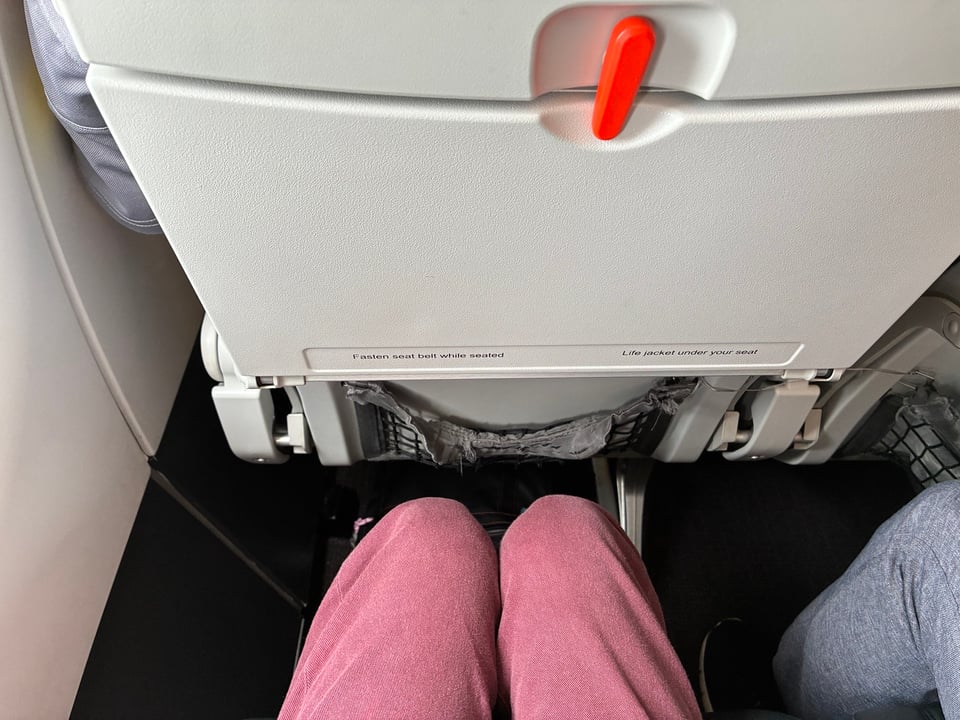
The cabin experience was similar to the international flight.
The seats and service were basic, but the flight was short enough that I did not mind.
What stood out more was the contrast between Cairns and Sydney.
Cairns felt relaxed, warm, and close to nature.
Sydney felt bigger, busier, and more urban.
Moving between the two cities by plane made that contrast very clear.
In-flight meal
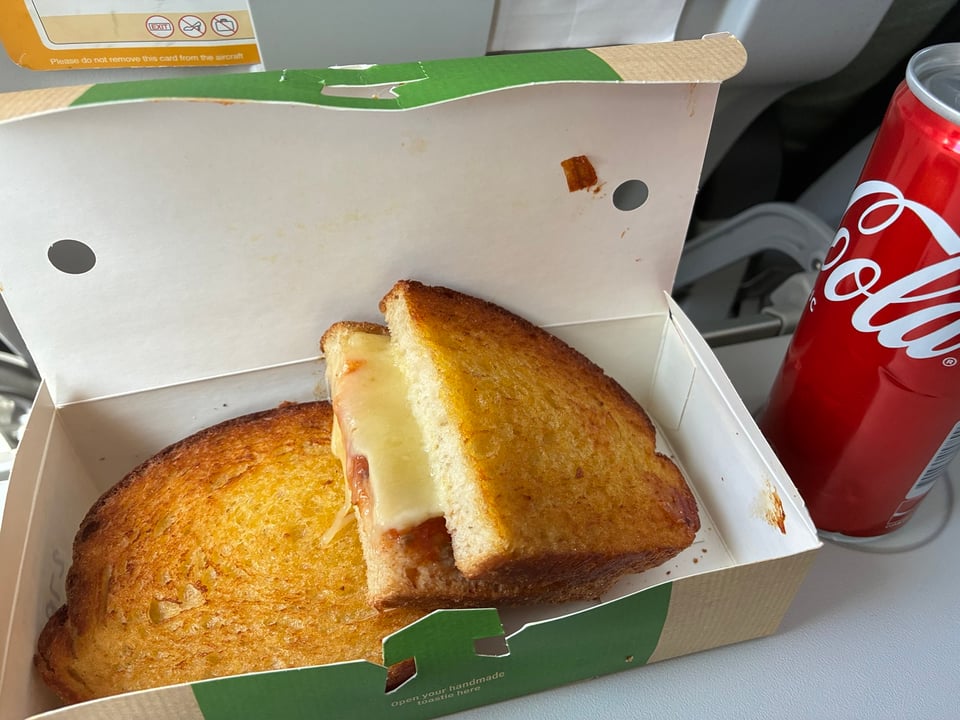
I also had a meal on the Cairns ↔︎ Sydney route.
Again, it was not a premium airline meal, but it was enough for the flight.
For a domestic route, I did not need much.
Having something small during the flight was convenient, especially when moving between airports and hotels.
With Jetstar, I think the key is to treat food and extras as optional conveniences rather than part of a luxury experience.
Arriving in Sydney
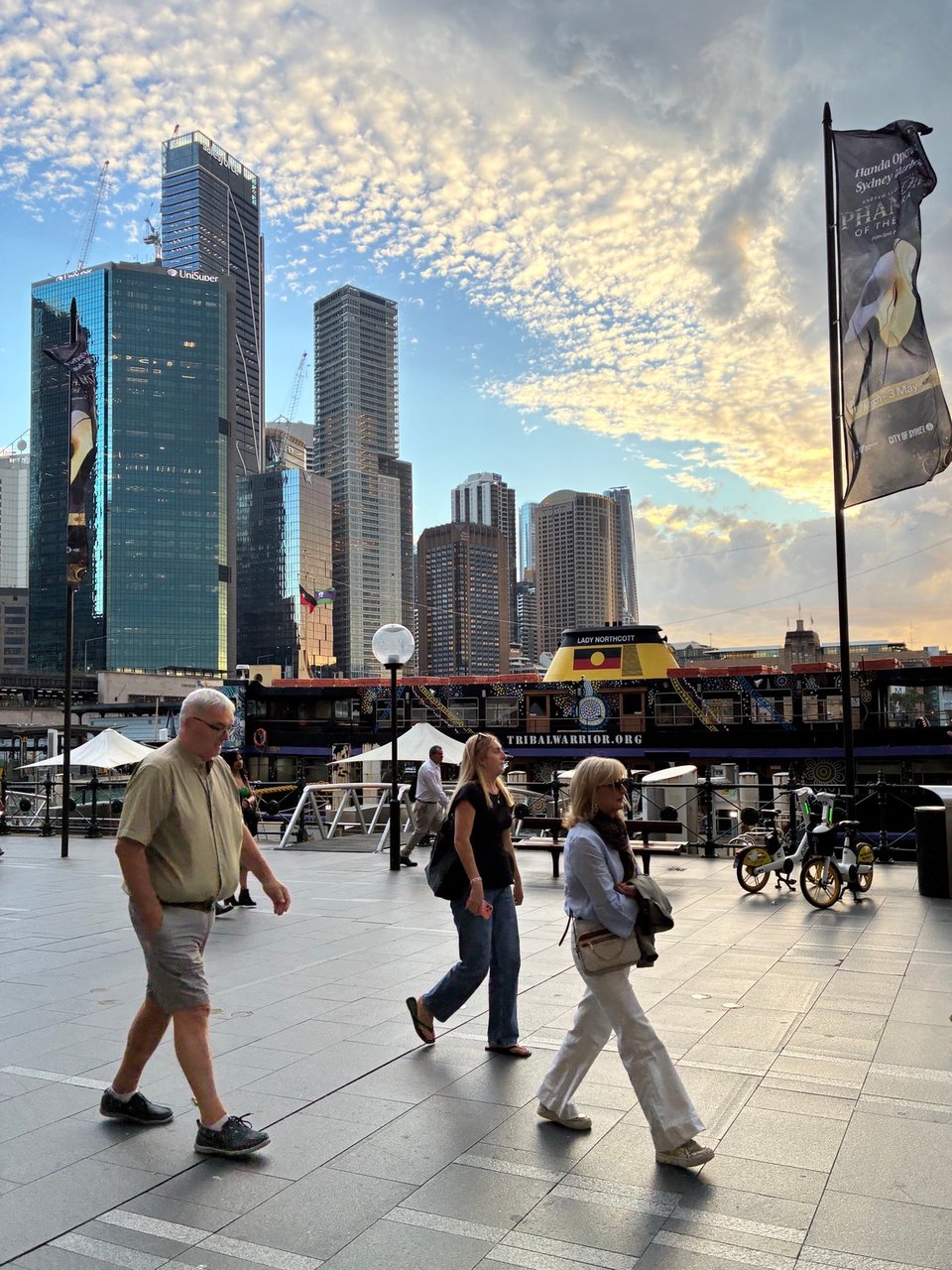
Sydney Airport felt much busier than Cairns Airport.
There were more people, more movement, and a much stronger big-city atmosphere.
After the calm feeling of Cairns, arriving in Sydney felt like entering a different side of Australia.
The airport was larger and more functional, and everything seemed to move a little faster.
That contrast was interesting.
Cairns gave me the feeling of a slower, warmer trip.
Sydney gave me the feeling of a large, energetic city.
Both were part of the same Australia trip, but they felt completely different.
✍️ What stayed with me
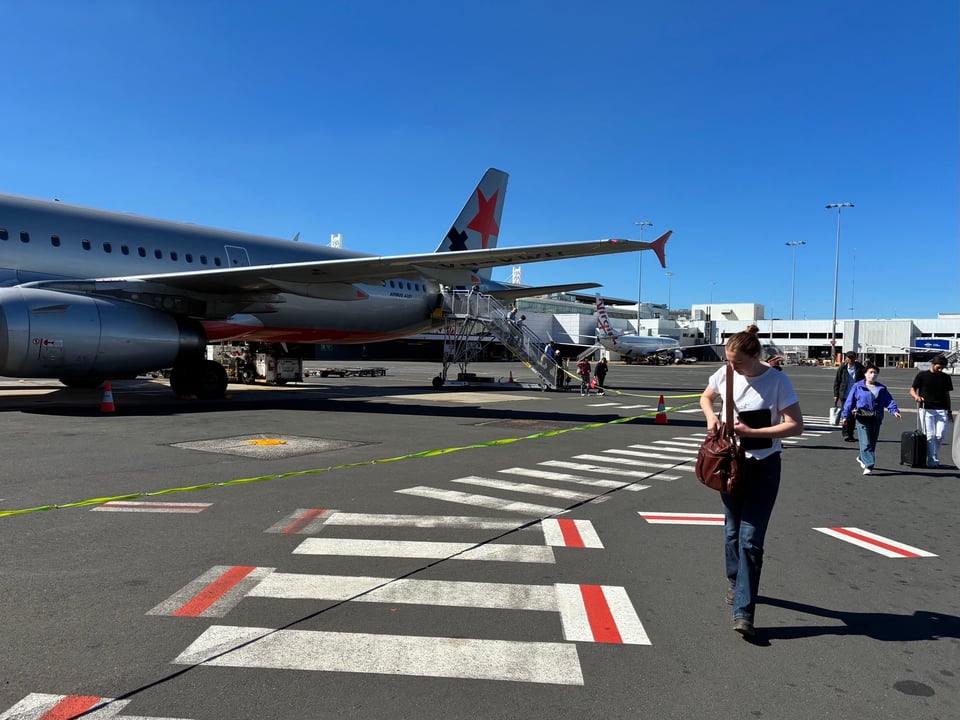
Jetstar was not the highlight of the trip.
But it played an important role.
It connected the main parts of my Australia journey: Osaka, Cairns, and Sydney.
The flights were not luxurious, but they were practical.
The cabins were clean enough, the airports were easy to use, and the routes worked well for what I needed.
For travelers who want full-service comfort, Jetstar may feel limited.
But for this trip, I was looking for something more practical than fancy.
And in that sense, Jetstar did the job.
Osaka to Cairns.
Cairns to Sydney.
Sydney back to Cairns.
Cairns back to Osaka.
Each flight became part of the journey, not because anything dramatic happened, but because those ordinary travel moments connected the whole trip.
If you’re curious, you can explore tours and activities in Sydney: here (GetYourGuide)
✍️ What’s Happening
This chart stopped me for a moment.
It shows GDP per capita growth from 2000 to 2026 among major economies.
China: up more than 1,400%.
Russia: up more than 800%.
India: up nearly 600%.
South Korea, Brazil, Spain, Germany, the United States, Canada, France, Italy, the United Kingdom, Mexico, and Australia also showed strong growth.
Some countries roughly doubled.
Some grew far more than that.
And then there was Japan.
Japan was the only country on the list showing negative growth.
Of course, this kind of comparison needs some care.
GDP per capita in U.S. dollars is affected by exchange rates, inflation, population changes, and currency movements.
It does not perfectly describe how people feel in everyday life.
But even with that in mind, the message is hard to ignore.
From 2000 to 2026, the world did not stand still.
The global financial crisis happened.
The pandemic happened.
Wars happened.
Inflation happened.
Supply-chain shocks happened.
And yet, many countries still became much richer in per-person terms.
Japan did not.
This is not just an economic statistic.
It means that Japan’s relative purchasing power has weakened.
It means Japanese wages have become less competitive globally.
It means overseas travel, imported goods, foreign education, international services, and global assets feel more expensive for people earning in yen.
And perhaps most importantly, it means that a country can feel comfortable on the surface while slowly losing its economic position.
That is the scary part.
Decline does not always look dramatic.
Sometimes it looks like a clean train station.
A safe neighborhood.
A polite society.
A normal convenience store.
A stable-looking daily life.
But underneath that surface, the world keeps moving.
This chart is not saying Japan is finished.
Japan still has many strengths: culture, infrastructure, safety, craftsmanship, companies, and social trust.
But it does show something uncomfortable.
A society can remain comfortable while becoming poorer in relative terms.
A country can feel stable while its global economic power quietly fades.
And an individual can feel “normal” while the currency they earn, save, and spend becomes weaker against the rest of the world.
That is why this matters.
For individuals, the lesson is simple.
Do not assume that the country you were born in will automatically protect your future.
Do not assume that a familiar currency will always preserve your purchasing power.
Do not assume that “stable” and “safe” are always the same thing.
Sometimes stability is real.
Sometimes it is just slow decline that has not become obvious yet.
Looking at this chart, I felt again that being sovereign is not only about moving abroad or holding different assets.
It is about seeing the world as it is.
It is about understanding that our lives are connected to currencies, wages, productivity, policy, demographics, and global capital flows.
And it is about preparing ourselves before the gap becomes impossible to ignore.
Japan’s story from 2000 to 2026 may not be a collapse.
But it is a warning.
And for many of us, that warning is already personal.
💻 Work & Projects
As I mentioned in a previous newsletter, I have been working on a travel guide website for Sydney and Cairns.
This trip gave me a chance to actually visit both cities, take photos, walk around, use the airports, check transportation, visit key spots, and experience the atmosphere in person.
That makes a big difference.
It is one thing to research a place online.
It is another thing to stand there, move through the city, notice what feels easy, what feels confusing, and what first-time visitors might want to know before they go.
Sydney and Cairns are both in Australia, but they offer very different travel experiences.
Sydney feels urban, energetic, and full of major landmarks.
Cairns feels slower, warmer, and more connected to nature.
Because I experienced both during this trip, the site is gradually becoming more practical and realistic.
The goal is not just to make a generic travel guide.
I want to create something useful for people planning their first trip to Australia, especially those who want clear information about where to stay, how to move around, what to prepare, and how to enjoy the trip without feeling overwhelmed.
There is still a lot to organize, but the project is moving forward step by step.
And this time, the content is no longer based only on research.
It is based on actual experience.
🤔 Closing Thoughts
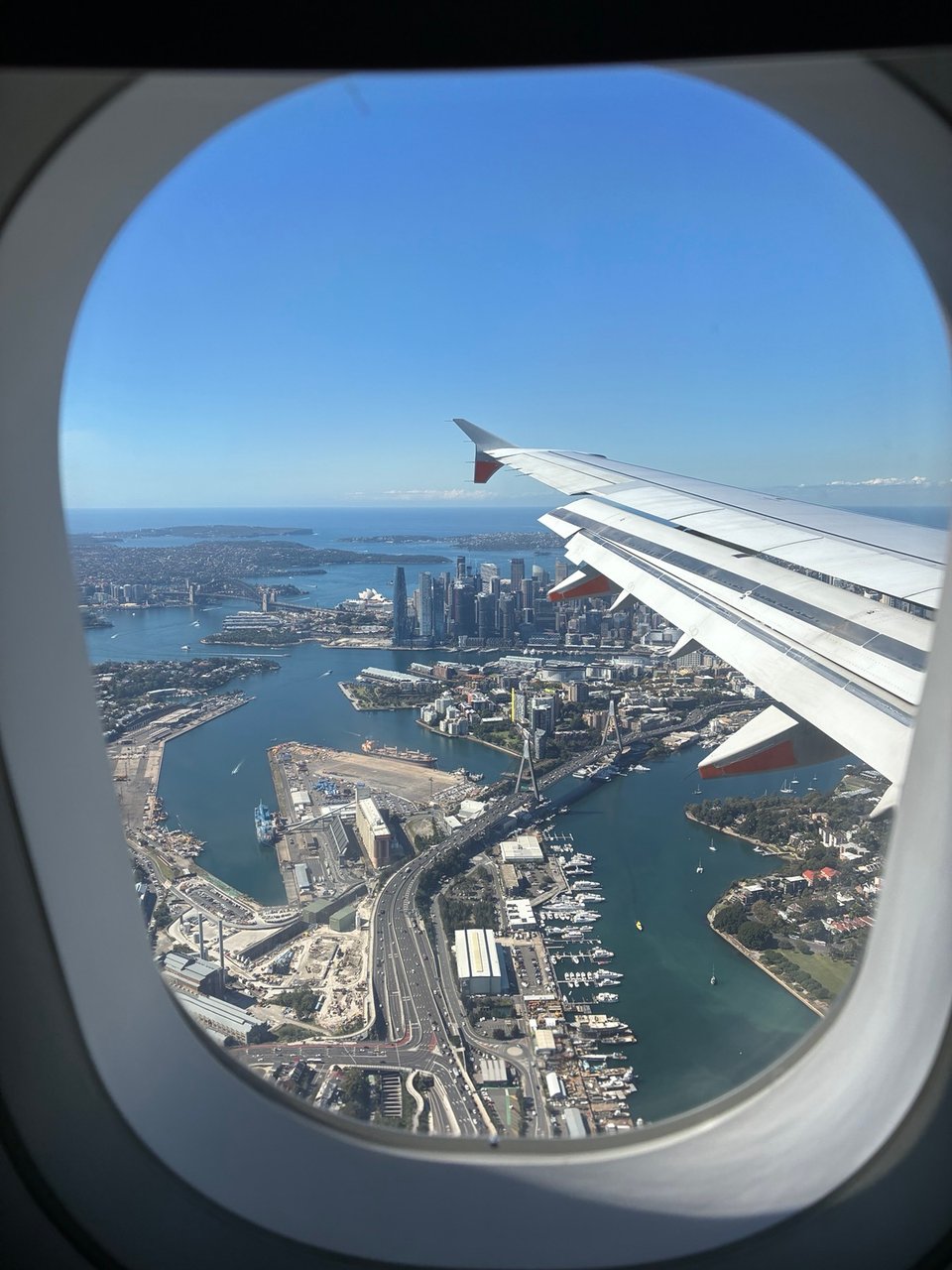
I finally went to Australia.
This was a trip I had been looking forward to for a while, and I visited both Sydney and Cairns.
There were many moments I want to write about properly.
The airports, the flights, the city atmosphere, the food, the beaches, the nature, the tourist spots, and the small everyday details that you only notice when you are actually there.
I also took plenty of photos during the trip, so I will gradually share those moments in future newsletters.
Rather than trying to summarize everything at once, I want to take a little time and write about each part properly.
Australia has a different rhythm from daily life, and both Sydney and Cairns had their own charm.
I will be sharing more about this trip from the next newsletter onward.
Stay tuned.
Past posts here: ARCHIVES
⚡️ If you’d like to support my work, you can send sats here.


Add a comment: