When concussion symptoms won't go away
2026-07-09
You fall off a ladder. You hit your head on the ground.
You go to the ER. CT scan comes back clean. No bleeding, no fracture. They hand you a painkiller and send you home.
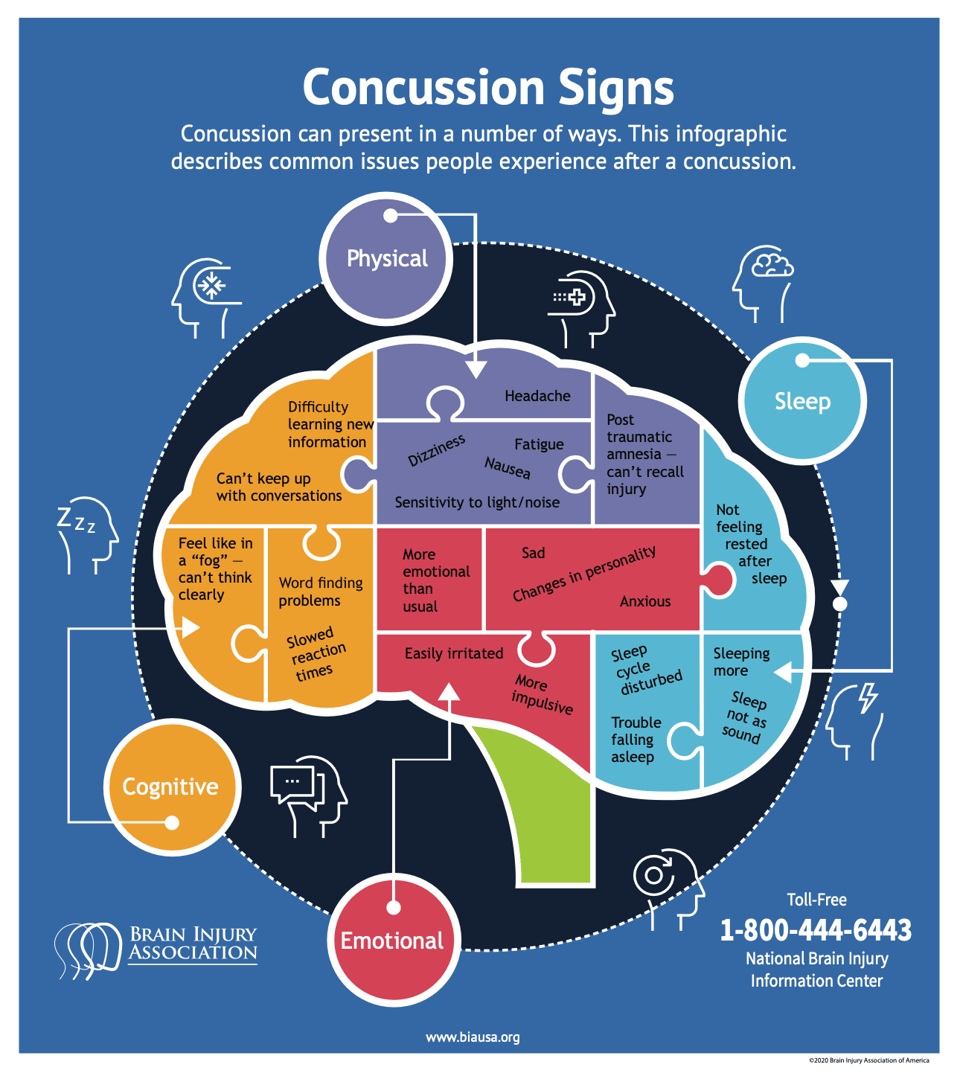
Days later, you're still dealing with headaches. Brain fog. A heaviness in your head that won't go away. Dizziness that won't stop.
When you hit your head hard enough to get a concussion, it is almost physically impossible that your neck wasn't injured at the same time.
Here's what almost nobody tells you.
When you hit your head hard enough to get a concussion, it's almost physically impossible that your neck wasn't injured too.
It takes a massive amount of force to bruise the brain. It takes almost nothing to sprain the neck. The same way whiplash happens in a car crash. If your brain took a hit, your neck took one too.
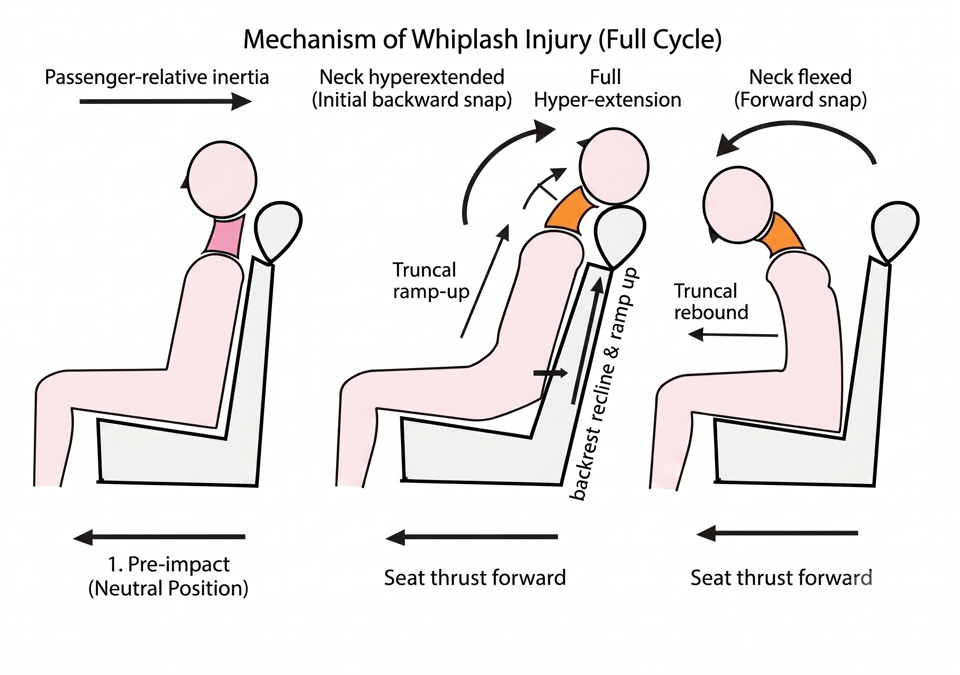
1 out of 3 car crashes are rear ended. 1 out of 10 of those crash victims suffer from a whiplash injury.
It’s your head and neck thrown through a rapid back-and-forth, and your ligaments and tendons stretched past their limit.
Doctors call this Whiplash-Associated Disorders, or WAD. And WAD mimics post-concussion syndrome almost symptom for symptom: headaches, dizziness, blurred vision, trouble concentrating.
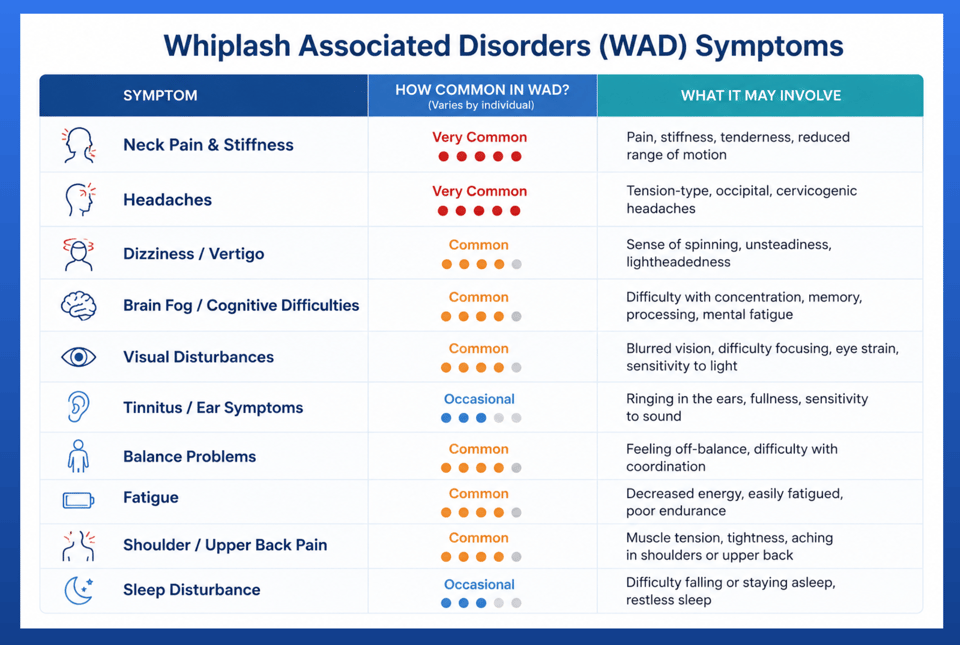
Take a look at the listed symptoms above.
After a concussion, the brain gets the workup. The brain gets the rest protocol. The neck gets ignored.
For most people, the symptoms fade and life moves on.
For others, they don't. Months pass. Sometimes years. The patient is told the concussion should have healed by now, but the headaches, the dizziness, the fog are still there.
At that point, it may be worth asking a different question: what if they're coming from the neck that got hurt at the same time?
A concussion deserves a careful evaluation. So does the structure that holds the head up.
Because sometimes the missing piece isn't inside the skull.
It's just below it.
Don't miss what's next. Subscribe to WH.:


