AI's creep is worrying
It is a well proven fact at this point that working with LLMs/AI has a detrimental cognitive affect on humans. Students perform worse than their peers, software engineers’ and programmers’ problem solving capabilities decline, and doctors’ ability to diagnose takes a slide.
AI is decidedly bad for human cognition. But can you really stop using it at work/study at this point?
I tried to define a standard that my team and I can work by, and which may be beneficial for others as well, here.
The list of harmful things AI psychosis has brought about across industries and the economy at large is long. But even if you put aside the direct effects on work, like firings and unbridled grift aside, the harm is obvious who aren’t involved in the slightest.
From things that effect the masses as a group, like water use & wastage, sound pollution of the data centres and rising energy prices. The latter hasn’t hit every country equally, but it will likely come.
What has hit everyone is the absence of reality in what content one consumes. While you and I may have the eye to identify AI generated content (text, video, audio, everything), not everyone does. Specially the older generation. I constantly come across relatives (and even random stranger on the bus) whose whole feed is just the shittiest of AI slop. Reel after reel after reel.
While you can make some rules to try to manage the AI creep at work, because there is still a level of control, how does one stop it on this human scale?
Is this how we live now?
Interesting reads
Leslie Baird on Surveillance in Society and Fiction
There’s a camera just above the screen upon which you’re reading these words…The Banal Horror of Jimmy Fallon
Oh, good journalism and writing is so, so enjoyable.A Practical Guide to SSH Tunnels
I have not read the whole of this, but it was interesting to me and I wanted to share
A project I discovered
https://opentreeoflife.github.io/Earth BioGenome Project (EBP), a moonshot for biology that aims to sequence, catalog, and characterize the genomes of all of Earth’s eukaryotic biodiversity over a period of 10 years
Read more about it, here
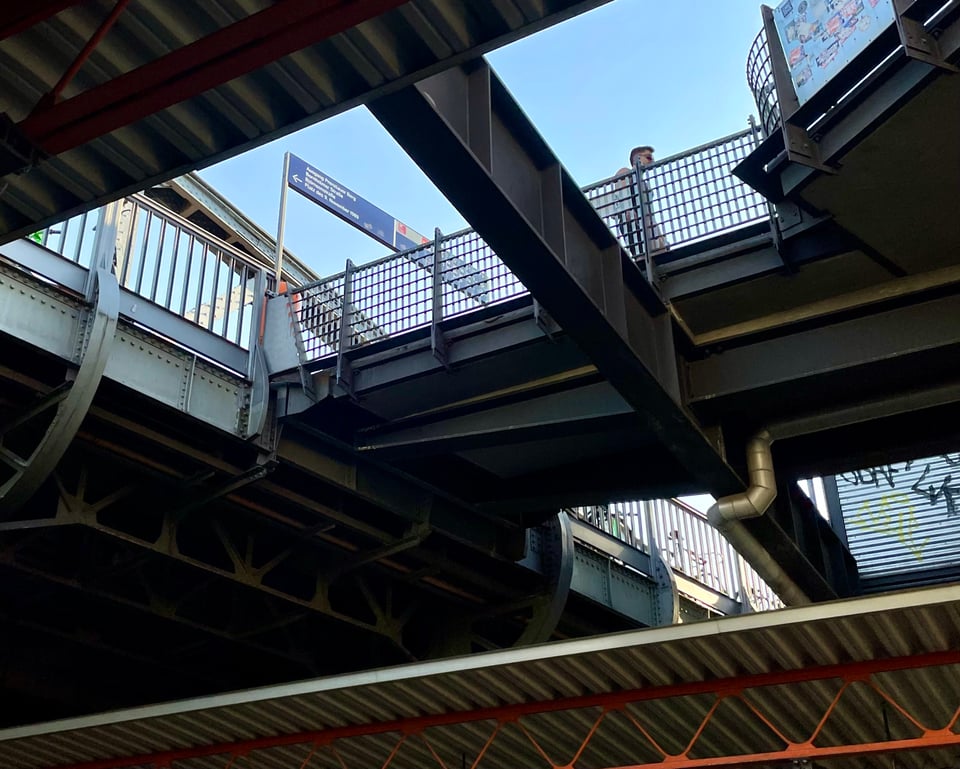
A photo I took
Thanks for reading. See you next week!
