
NZ Wars: Stories of Waerenga-a-Hika
Last Saturday I travelled up to Tāmaki Makaurau to attend the premiere of NZ Wars: Stories of Waerenga-a-Hika at the iconic Capitol Cinema on Dominion Road as part of the 2026 Doc Edge festival.
Presented and created by Mihingarangi Forbes, who was also executive producer alongside Annabelle Lee-Mather, and directed by Cameron Bennett, NZ Wars: Stories of Waerenga-a-Hika is the sixth in a series of documentaries on the New Zealand Wars dating back to 2017’s NZ Wars: Stories of Ruapekapeka.
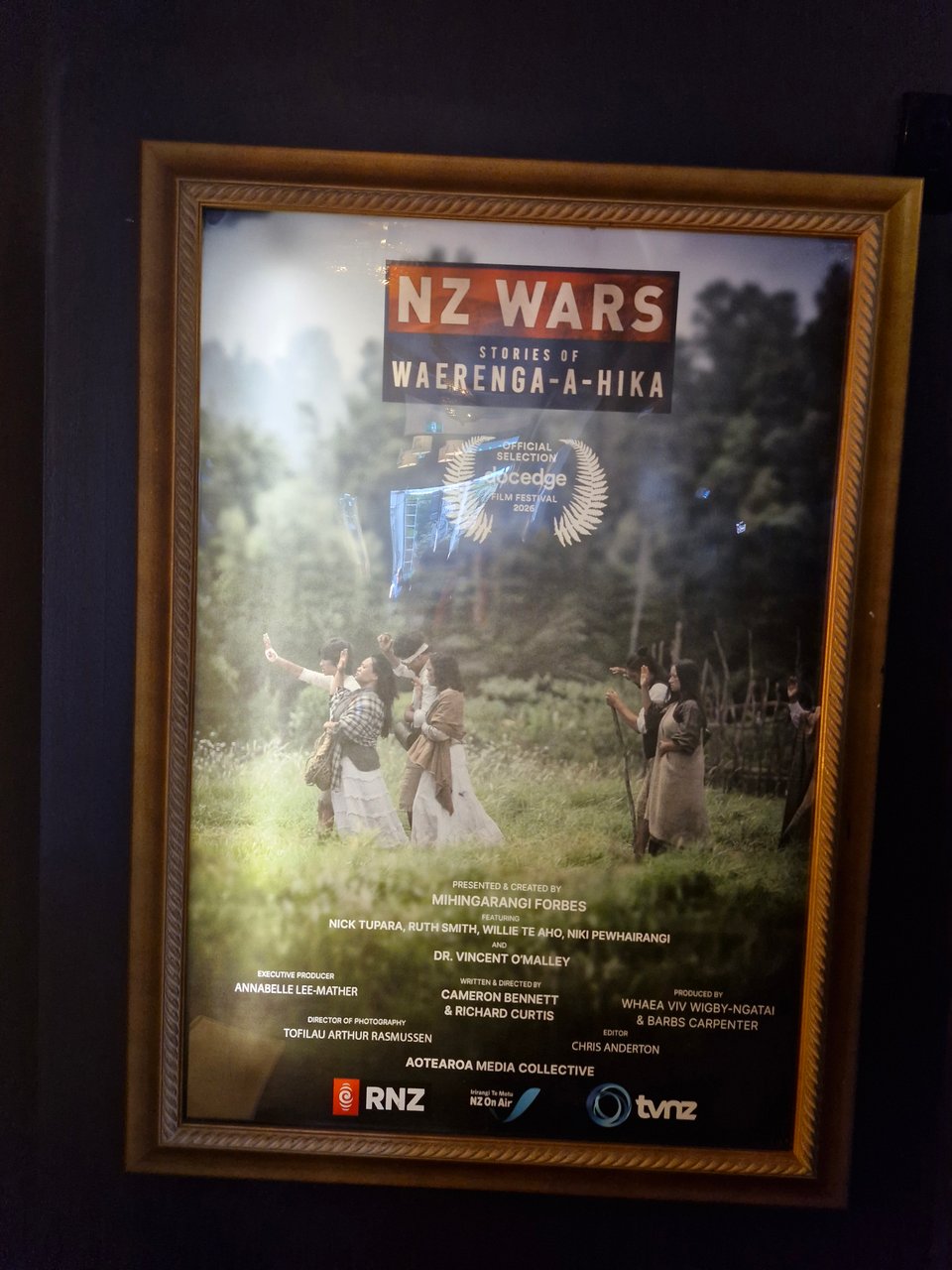
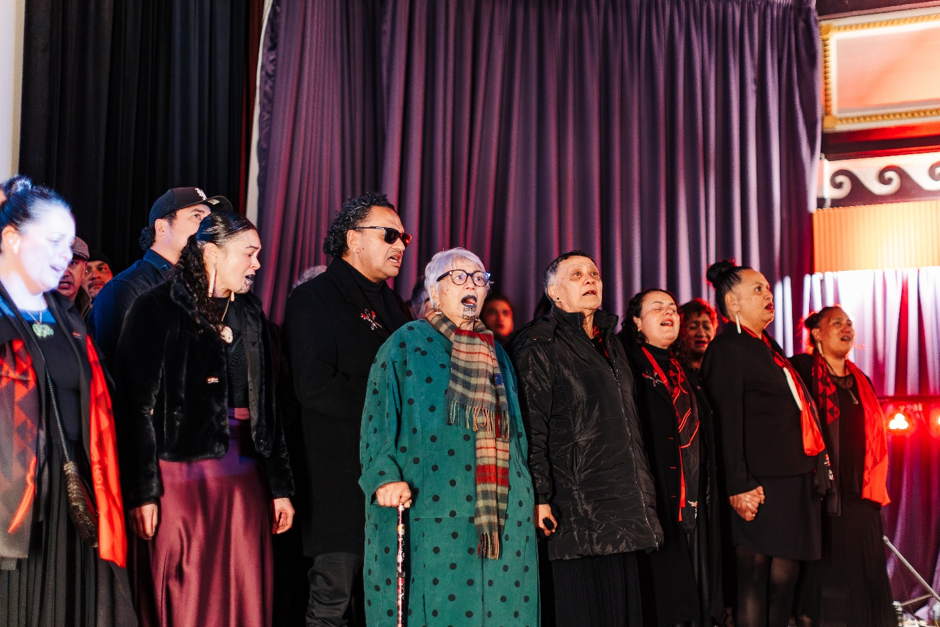
I have been fortunate to be involved in all six documentaries as an historical advisor and interviewee. But nothing prepared me for just how moving last Saturday’s premiere would be. A large party of Te Aitanga-a-Māhaki and others travelled up from Tūranga (the Gisborne district) for the occasion. They were welcomed by Ngāti Whātua and following the emotional screening performed a devastatingly sad and beautiful waiata that left barely a dry eye in the theatre.
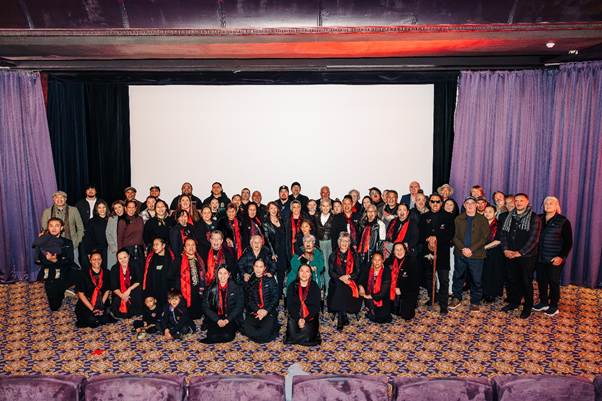
Presentations and speeches followed before a final group photo. It was a tremendous occasion. I have worked closely with Te Aitanga-a-Māhaki over more than 30 years, presenting evidence on their claim before the Waitangi Tribunal and so that made it even more special for me, particularly remembering some of the kaumātua who are no longer with us who were adamant that people needed to know and understand this history.
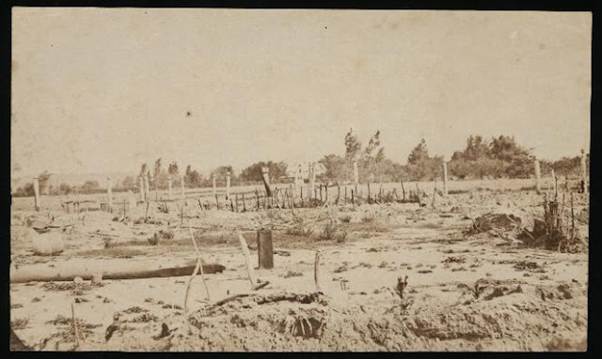
Waerenga-a-Hika was a six-day siege that changed forever the course of history on the East Coast. On 17 November 1865 about 200 European colonial troops and 300 Māori allies laid siege to Waerenga-a-Hika Pā, located about 11 kilometres from Gisborne, which was occupied by about 800 people, including large numbers of women and children.
After six days the Pā’s occupants surrendered, having lost at least 71 killed (and possibly over 100). Despite reassurances to the contrary, many were sent to the Chatham Islands, where they were illegally held without trial while arrangements were made to confiscate their lands back home.
The war was a demographic, political and socio-economic disaster for Tūranga Māori, whose population plummeted more than 20% in just four years, and its consequences have reverberated across many generations.[1]
Waerenga-a-Hika was a pivotal – and perhaps even the pivotal – event in the history of Tūranga. It was a war that Tūranga Māori never wanted to fight and one that would have devastating consequences for all of the iwi of Tūranganui-a-Kiwa, who would variously be subject over the next decade to military occupation and loss of authority, illegal exile, land confiscations, socio-economic deprivation and starvation, dramatic population declines and further military actions directed against them. Although 160 years ago, those consequences continue to be felt in multiple ways today.
That story is eloquently captured in the documentary by a range of tribal historians, including school student Niki Pewhairangi, who features in some of the most powerful and moving scenes.
The documentary is available on the RNZ website. Or on YouTube.
But there are also a range of other resources available, including bonus video content such as extended interviews and a podcast series hosted by Mātai Smith. Cameron Bennett spoke about the series on RNZ’s Saturday Morning. As did Mihi Forbes.
I haven’t watched or listened to everything yet but will look forward to getting a chance to do so and would encourage anyone who cares about understanding our history as a way of building the basis for a better future to also watch the documentary.
[1] Premium subscribers can read the story linked below about Mangatū Forest, highlighting the environmental consequences of land loss and colonisation in the Tūranga district.
Add a comment: