The Cosmic Chronicle #10
Join my eclipse livestream, track cosmic highlights this week, and discover dark matter in gas giants!
Hi ,
I hope you haven’t forgotten about the upcoming total lunar eclipse on September 7. As promised before, I’ll be live-streaming it on my YouTube channel, so make sure you subscribe! Now, it goes without saying that it depends on the weather conditions on that day, but I’m hopeful.
What’s in the Sky this Week
MONDAY, AUGUST 25
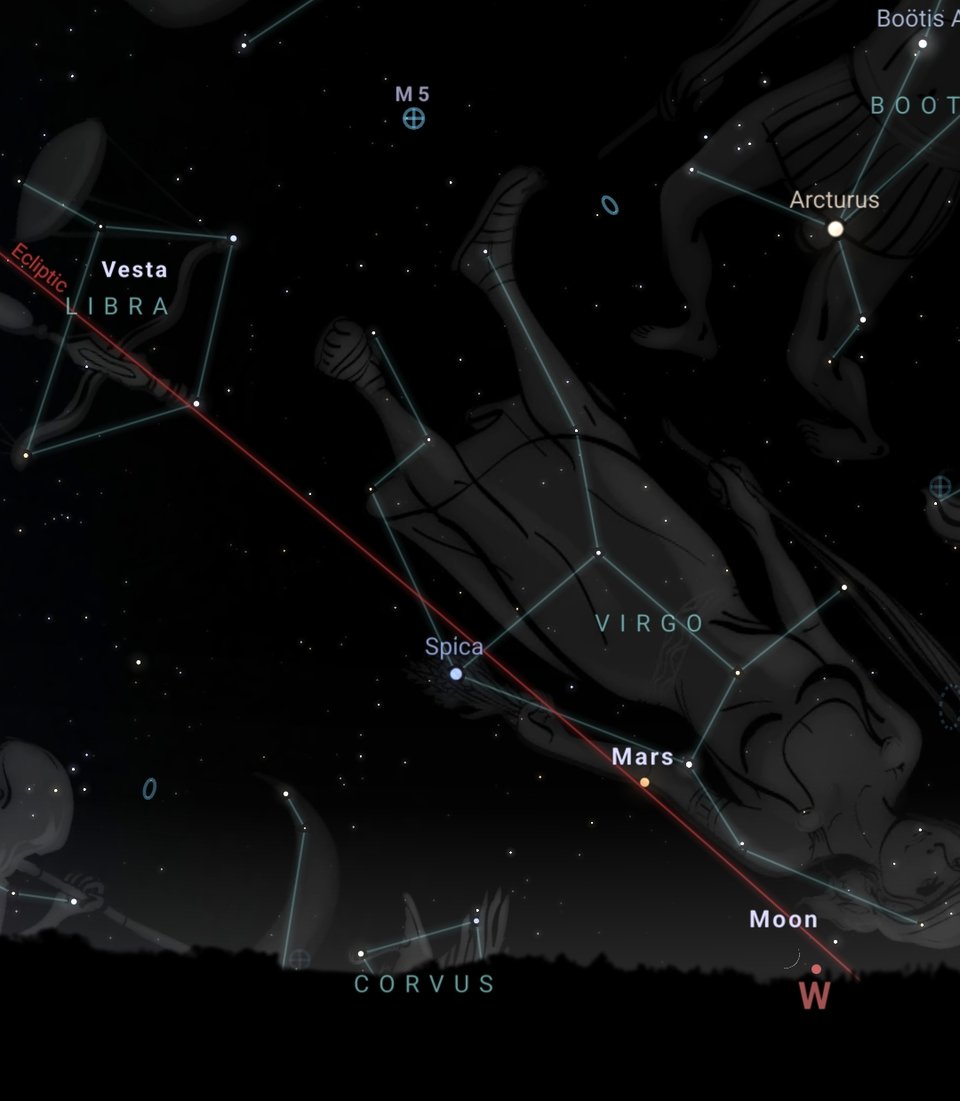
Mars is now extremely low on the horizon after sunset. A few more days and it’ll sayonara into the daytime sky. You’ll also find Spica very close to Mars (about 12 degrees apart).
TUESDAY, AUGUST 26
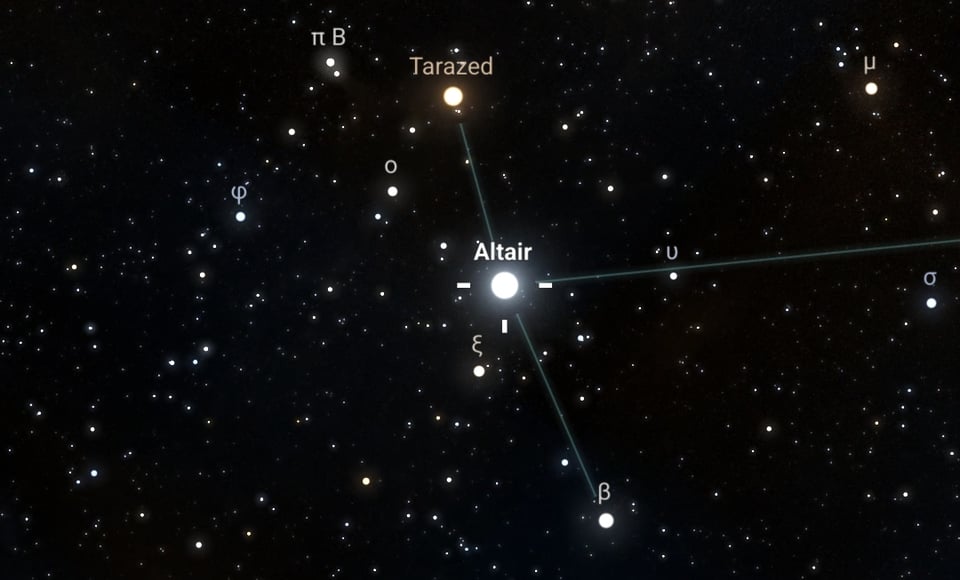
Look for the star Altair in the constellation Aquila in the southeast. Towards the west of Altair, you’ll find the little orange Tarazed.
WEDNESDAY, AUGUST 27
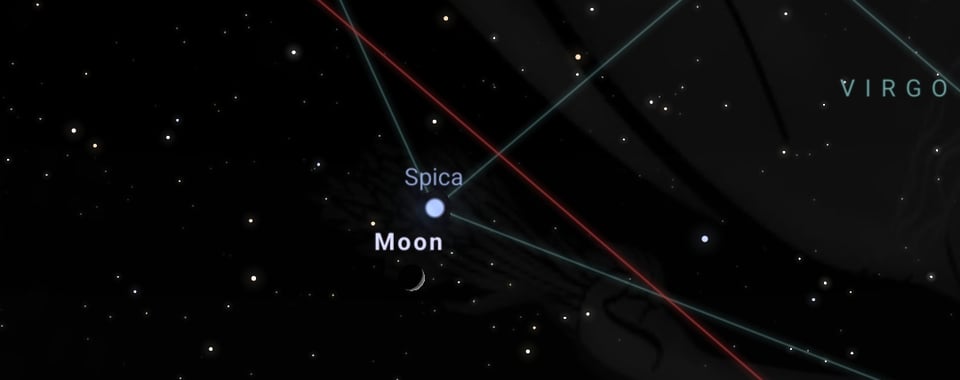
The moon is now next to Spica.
THURSDAY, AUGUST 28
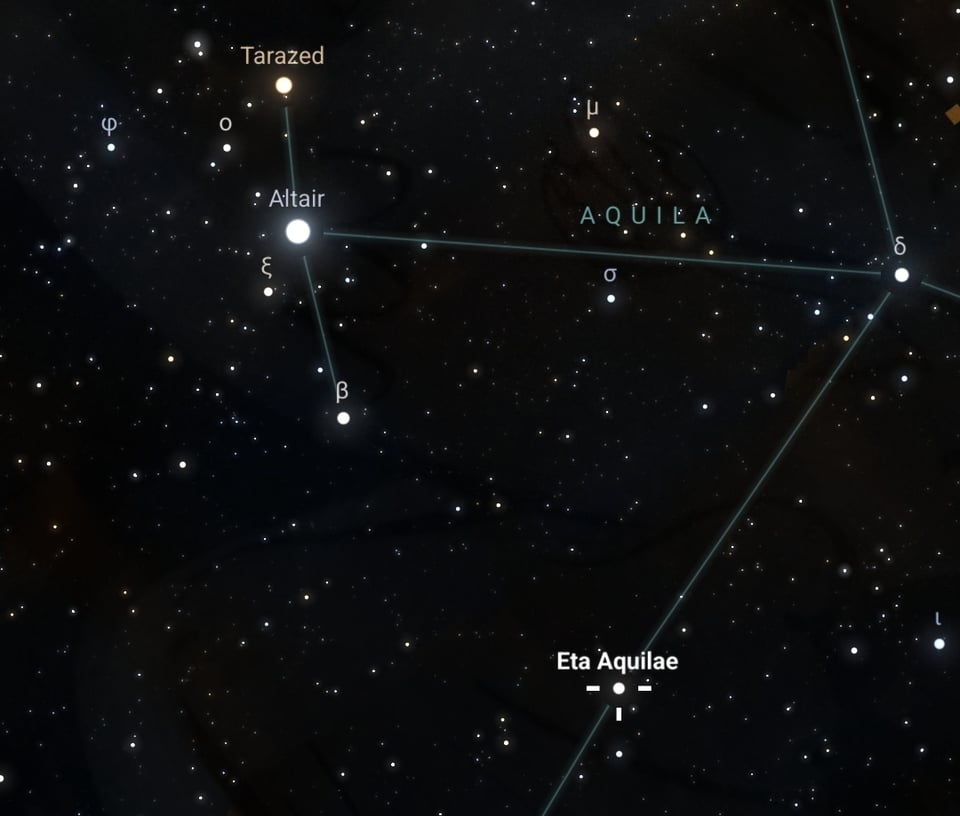
One of the brightest Cepheid variable stars in the sky, Eta Aquilae can be seen to the south of Altair. A Cepheid star is a variable star — its magnitude varies periodically. The mechanism behind this process is called the kappa-mechanism.
In short, the outer layer of the star gets compressed which heats the helium in the star, making it opaque and decreasing the brightness. The Helium becomes doubly ionized and absorbs heat to expand. Due to expantion, the helium cools down until it becomes singly ionized and cools and collapses again. This cycle keeps repeating over and over.
Eta Aquilae pulses from magnitude 4.3 to 3.4 and back every 7.18 days. In this magnitude scale, 1 unit change denotes 2.5 times change in magnitude. So, going from 4.3 to 3.4 is slightly more than doubling the magnitude!
FRIDAY, AUGUST 29
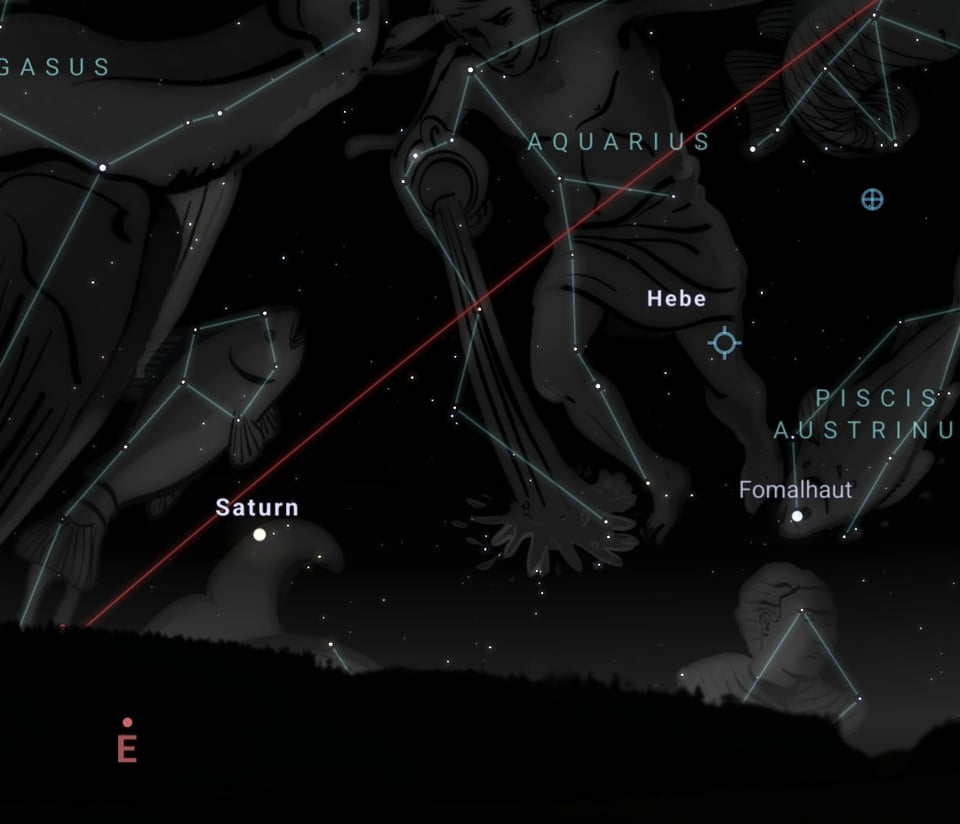
Welcome back, Saturn! Saturn is slowly coming back to the night sky. It’s low on the horizon in the east at around 8 pm IST, close to the bright star Formalhaut.
What’s Happening in Astronomy
Dark matter in gas giants could collapse into detectable black holes, model suggests
Recent research from the University of California, Riverside, and other studies published in Physical Review D suggest that dark matter, which makes up 85% of the universe's matter, may accumulate in the cores of gas giant exoplanets and potentially collapse into detectable black holes. This phenomenon, particularly linked to superheavy non-annihilating dark matter, illustrates how planetary bodies beyond our solar system could serve as valuable tools for investigating dark matter's properties. The possibility of discovering planet-sized black holes within these exoplanets could lead to significant breakthroughs in understanding dark matter and its effects on planetary evolution and the search for extraterrestrial life. Additionally, the studies indicate that upcoming observational missions may further validate these theories and enhance our knowledge of cosmic phenomena.
Ceres may have had long-standing energy to fuel habitability
Recent research on Ceres, the largest dwarf planet in the asteroid belt, indicates that it may have once had conditions suitable for microbial life, supported by a continuous source of chemical energy and a subsurface ocean enriched with hot, chemically active water approximately 2.5 billion years ago. Although there is currently no evidence of past life and Ceres is now too cold and primarily composed of ice and concentrated brine, findings from NASA's Dawn mission and recent studies suggest that similar icy bodies in the solar system may have experienced habitable conditions in their early history. This new understanding highlights the role of core metamorphism and geological activity in maintaining potential habitability over extended periods and opens up discussions about the habitability of mid-sized ocean worlds.
New study shows potential for improved fuel-free spacecraft sails
Recent research in solar sail technology highlights innovative advancements in fuel-free spacecraft propulsion, particularly studies from the University of Nottingham and Dr. Cappelletti's NottSpace team, which focus on optimizing generative solar sails for sustainable space missions and applications such as debris removal and climate change mitigation. These efforts explore harnessing sunlight more efficiently without reflecting it, potentially revolutionizing deep space travel and climate resilience strategies.


Add a comment: