The Human Flaw in the Perfect Dataset - 12 June 2026
This week's thread
A Wimbledon semi-final grinds to a halt. Not because of rain, but because a human operator switched off the infallible line-calling machine. It's a perfect illustration of our relationship with data. We are told to trust the numbers, the science, the objective system. But data is never truly objective. It is collected by humans, reported by unreliable witnesses, and processed by machines that we can, and do, break. The most dangerous assumption is that the dataset is the truth. Really it's just a signal, and often a noisy one.
Thread ONE
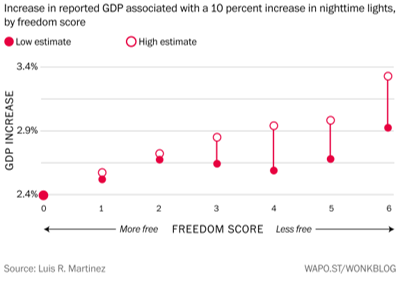
GDP in authoritarian regimes
Authoritarian states often inflate their GDP figures to project strength, making the data unreliable. To test this, researchers turn to satellite imagery, tracking nighttime light emissions as a proxy for economic activity. This more objective measure reveals significant discrepancies, offering a truer picture of a nation's health.
Why it matters
Find a creative, hard-to-game proxy metric to verify claims that feel too good to be true.
Thread TWO

Food allergies
Roughly half of people who believe they have a food allergy actually do not, according to clinical testing. This is not deception, but a demonstration of the gap between perception and reality. We are often unreliable witnesses to our own experiences, mistaking intolerance or other sensitivities for a true allergic reaction.
Why it matters
Treat what customers say with healthy scepticism and validate self-reported data with actual behavioural evidence.
Thread THREE

Wimbledon error
Wimbledon's new electronic line-calling system was billed as the end of human error in judging. Yet in a crucial match, the system was accidentally turned off by a human operator, prompting chaos and a manual override. The moment proved that even supposedly infallible tech is only as good as the fallible human process around it.
Why it matters
De-risk your 'perfect' systems by auditing the messy human processes they still depend on.
From the archive
Purchasing habits
A reminder of just how vast the gap is between what people say and what they do. This archival find shows that two-thirds of people claiming to have recently bought a laundry brand simply did not, according to purchase data.
Continue the thread
What's a metric you've learned not to trust?
Reply with the best example you've seen. I read every response, and the best ones often end up on Uncommon Thread.
Keep pulling the thread