The Invisible Architecture of Choice - 5 June 2026
This week's thread
We like to think we are rational actors. But our decisions are often made for us, long before we're aware of the choice. The culprit is context. This invisible architecture shapes what we do, from minor medical judgements to major political allegiances. It's the time of day, the design of a menu, or even the ghost of a line on a map. These forces are powerful precisely because we rarely notice them. Understanding them is a superpower.
Thread ONE
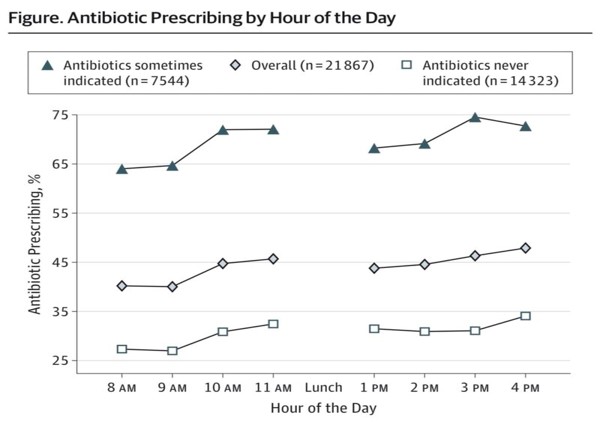
Antibiotic prescribing
A Harvard Medical School study revealed a strange pattern: the later it got in the day, the more likely doctors were to prescribe unnecessary antibiotics. Their willpower and cognitive resources simply depleted over time. This decision fatigue made them opt for the easier, quicker choice rather than the more considered one.
Why it matters
Recognise that decision quality degrades over time, and schedule your most important choices for the morning.
Thread TWO

Vegan hospital meals
New York's public hospitals made a simple change to their food service, offering plant-based meals as the default option for patients. This small act of 'nudging' led to a huge behavioural shift and a 36% drop in emissions from food. People simply took the path of least resistance.
Why it matters
Make your desired outcome the easiest possible option for your customers.
Thread THREE
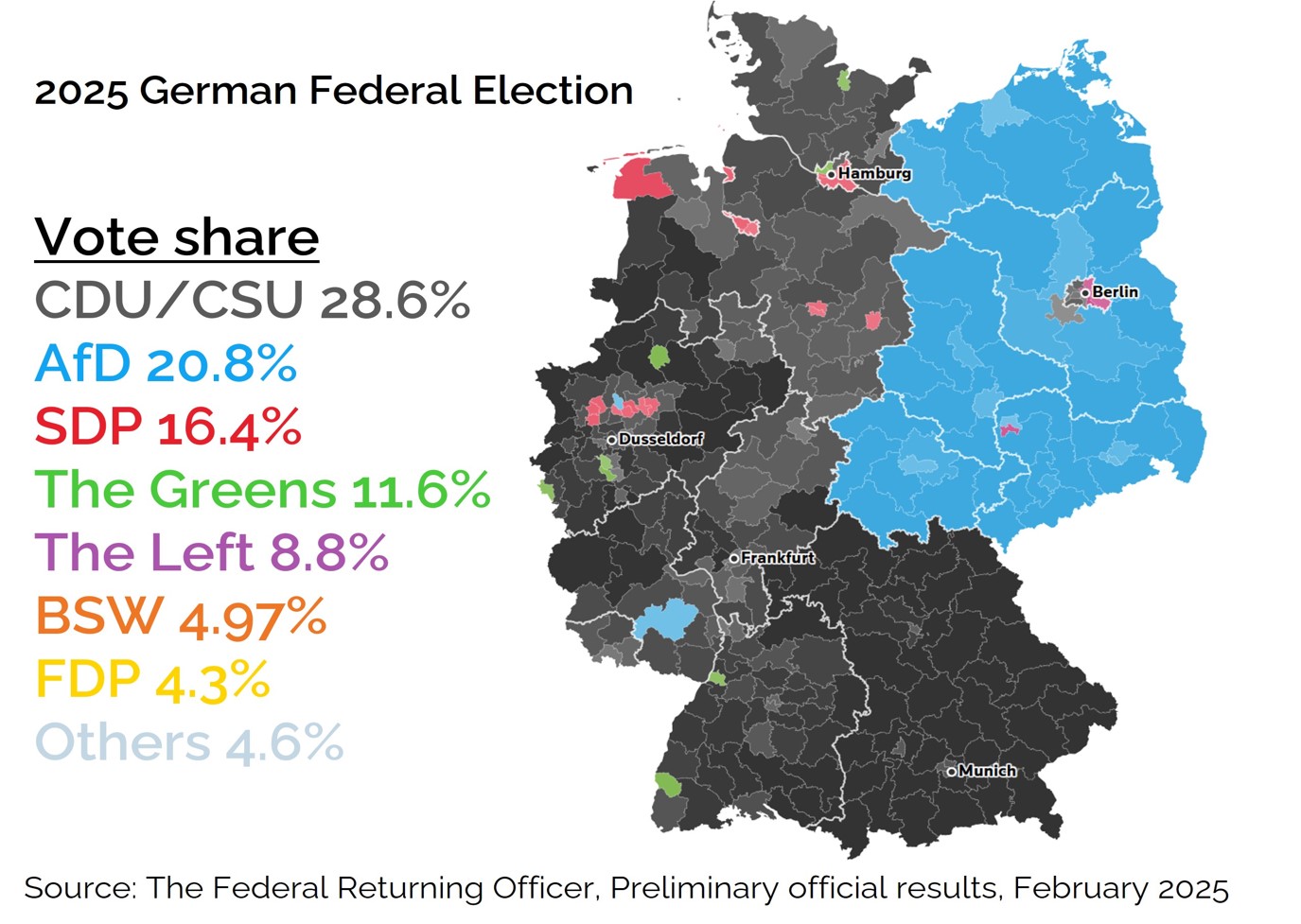
Germany election results
Decades after the fall of the Berlin Wall, German election maps still clearly show the divide between East and West. The populist AFD party dominates in the former GDR, a testament to how long-term economic and cultural environments shape political identity. The past is not just the past; it's a persistent context.
Why it matters
Look beyond immediate customer data to the deep-seated cultural and historical contexts shaping their worldview.
From the archive
Predictive brain
This week we looked at how context shapes choice. For a deeper dive, revisit this piece on the predictive brain, which shows how our own expectations literally construct the reality we experience.
Continue the thread
What's an invisible context you've noticed shaping your own choices?
Reply with the best example you've seen. I read every response, and the best ones often end up on Uncommon Thread.
Keep pulling the thread