When I think anime, I think Mega Man Legends
I can't get the Apple Market theme out of my head, help.
by Toussaint Egan
This is part of re:frame's Per Second, a month of coverage focused on all the ways animation touches video games, from the culture surrounding the medium to high-profile outliers to the everyday bread and butter of video game animation.
When I was a kid, one of my greatest desires was to 'play an anime.' I had just been introduced to the medium by way of a handful of episodes of Dragon Ball Z I happened to have caught on a local public access TV channel and what few VHS tapes I could manage to rent during my bi-weekly Blockbuster visits, and needless to say I was absolutely hooked. This was roughly around the time when my household had just received internet access, so I was able to roughly glean the essential qualities of anime: It was made in Japan, a country I had seldom heard of, and because of this, it was artistically and narratively distinct from the animation I had typically encountered at that time, which consisted primarily of Disney and Fox Kids cartoons.
I knew that there were video games from Japan with similar art styles and characters and stories, but the actual experience of playing them either more often than not clashed with my own emerging tastes as a young gamer or didn't quite mesh with rhythm and tone I had come to characterize as "anime." A fan of turn-based combat à la Final Fantasy and The Legend of Dragoon, I was not. Even at that young age, I was already forming the discernment between aesthetic and execution. I didn't just want to play something that looked like an anime, but that made me feel as though I was the protagonist in an anime, embarking on a series of adventures in a world full of lively characters and colorful environments and captivating mysteries.
It wasn't until I played Mega Man Legends for the first time that I felt like my wish was finally answered.
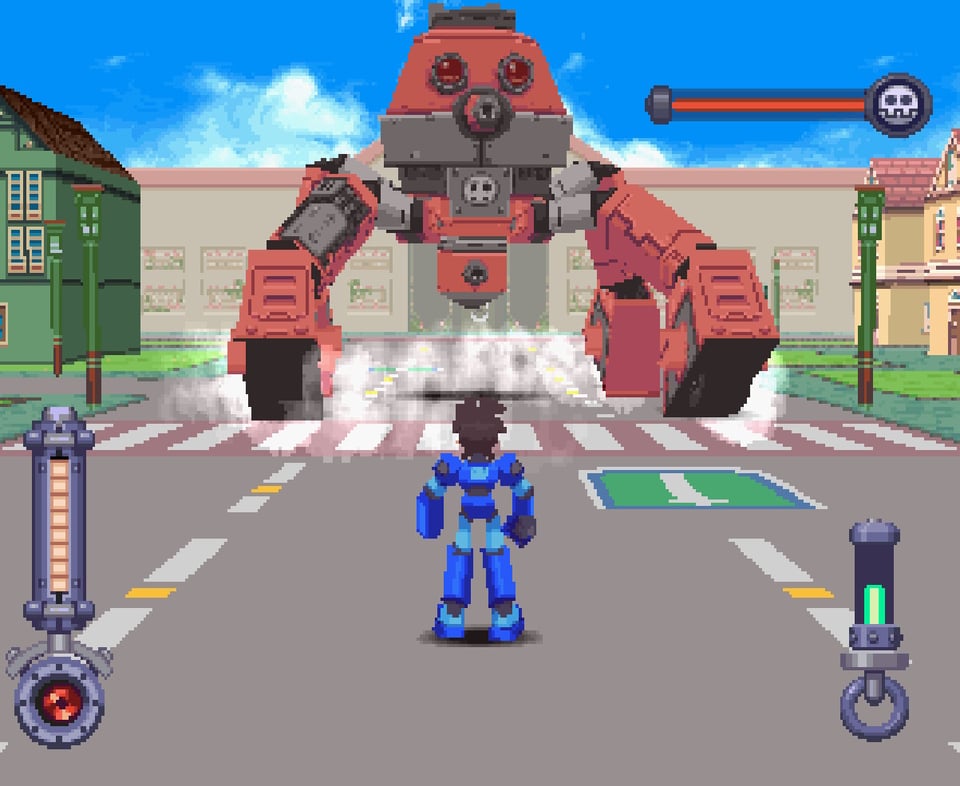
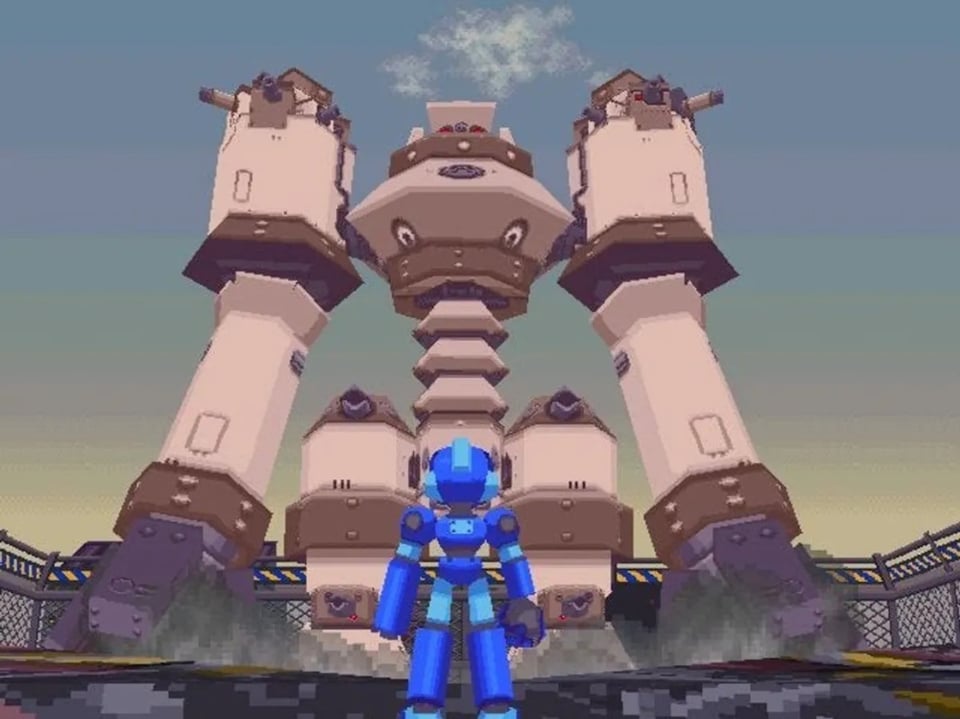
To clarify, I did not play Mega Man Legends on the original PlayStation back when it initially arrived in the States in 1998, but rather the 2001 release on the Nintendo 64, then renamed Mega Man 64. The distinction is important, because while the game itself was a 3D action-adventure game set in a semi-open world sandbox, it did not have dual analog stick support. The PlayStation's Dual Analog Controller (the predecessor to the DualShock line) only released earlier the same year in Japan. The Nintendo 64's single analog stick controller allowed for greater maneuverability, streamlining a novel albeit cumbersome experience into a wholly exhilarating one. But I digress.
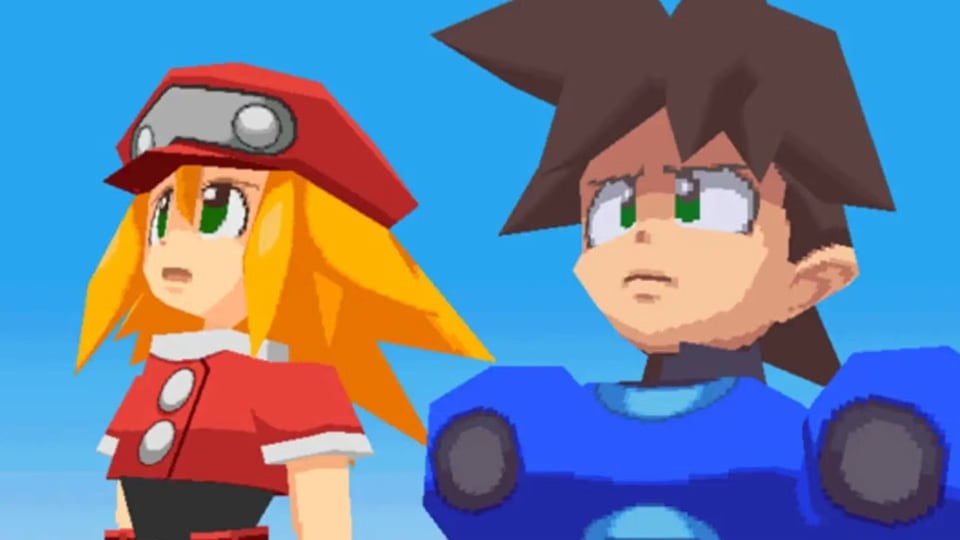
Set on a flooded, far-future Earth where humanity is scattered across a handful of islands, players assume the role of Mega Man Volnutt, an amnesiac teenager who works as a Digger — excavator-adventurers who plumb the subterranean catacombs beneath the planet's surface in search for treasure and ancient technology. After crash landing their airship on a small island known as Kattlelox, Mega Man and his companions Roll Caskett, Barrel Casket, and Data venture out in search of repair parts. Unfortunately for them, Kattlelox is under siege by the Bonne family, a ruthless gang of sky pirates bent on exhuming a lost treasure supposedly buried deep within the ruins scattered across the island and more than willing to terrorize the island's inhabitants to do so. Mega Man is quickly enlisted to repel the invasion and recover the lost treasure buried beneath Kattlelox Island, and in doing so unearths a mystery far greater than any would imagine.
That's the topline premise in a nutshell, but how does it play? Like a fucking dream, that's how it plays! The combat is responsive and varied, set in areas that range from dungeon-like corridors to open-world arenas filled with destructible environments. It's the action-adventure equivalent of playing a Saturday morning cartoon rich with bemusing characters, side quests full of emergent opportunities for expression that range from rebuilding a destroyed town square and riding on top of cars puttering around the street. You can donate rare artifacts to the town museum, buy new medical equipment for the hospital, stop a bank robbery, and even participate in game show competitions at the Kattlelox TV station. This variety of optional objectives, combined with the main storyline's litany of individual dungeons and boss encounters, makes the experience of Mega Man Legends feel like playing the first season of a beloved yet short-lived slice-of-life adventure. It's whimsical, mysterious, terrifying, charming — all the tonal qualities I first discovered through anime at an impressionable age — mixed together and well-portioned.
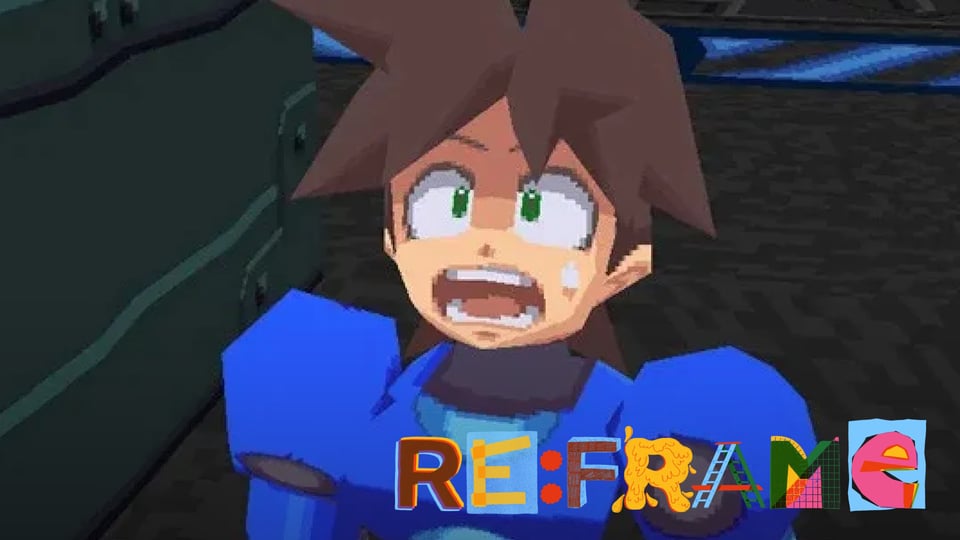
I love the expressiveness of Mega Man Legends' animations, which convincingly convey the quirky idiosyncrasies of its principal cast of characters, as well as the game's facial animations, mining the wealth of archetypal expressions for which late '80s and '90s anime is known for. And all if that weren't enough, I love Legends' soundtrack courtesy of composer Makoto Tomozawa. A cursory listen to the game's score is transportive even if you've never played the game before. You can't listen to "Apple Market" theme and tell me that's not a bop.
It dawns on me that what appeals to me most about Mega Man Legends is not just that playing it feels like inhabiting the world of an anime, but that so much of its distinct aesthetic and tonal qualities feel unmistakably reflective of a particular era of anime — the era in which I first encountered anime, and thus the era whose characteristics indelibly played a role in shaping my tastes and sensibilities as an anime watcher. I love this game, not just for how it afforded me one of my sincerest desires as an anime fan, but for how well it reminds me of what made me fall in love with anime in the first place without even trying.