Sister, Sister
A short (?) review of Avatar: Seven Havens.
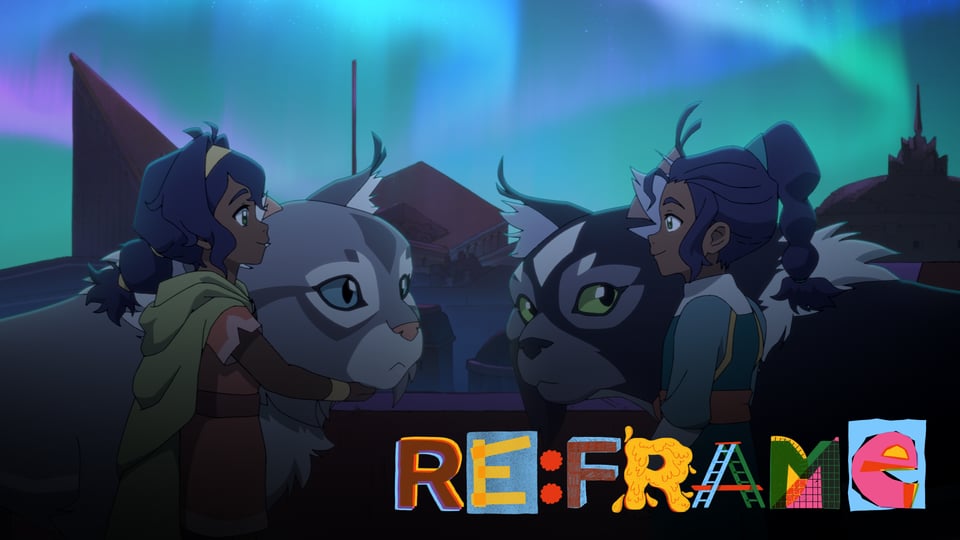
by Kambole Campbell
The cool thing about Avatar: Seven Havens is how immediately different it feels from previous incarnations. The dynamic of the cast, the visual design and concept of its post-apocalyptic setting, and the score are all very purposefully pushed to be as distinct from the last series as possible. If anything, it's the exact inverse of the most recent Avatar release, the feature film Avatar Aang: The Last Airbender. Where Aang was light on story and heavy on animated detail, Seven Havens is dense with mystery and slow-burning character work but sometimes sorely missing the same lived-in detail with regard to its acting. A feature project is a deeply unfair comparison to episodic television, granted, but it often feels like Seven Havens is falling a little short of The Legend of Korra and The Last Airbender as well.
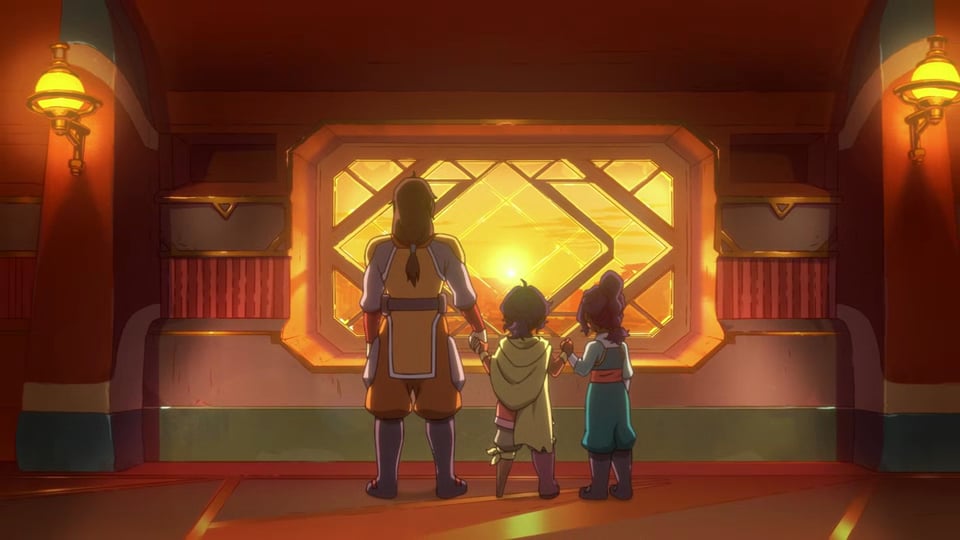
As with everything of this nature it all comes down to a matter of labor and time: we've already waxed lyrical about Seven Havens animation studio La Chouette Compagnie's recent series Dragon Striker, and Seven Havens often maintains a similar sprightliness. But more than any limited movement I found myself furrowing my brow at how inert some of the layouts felt, how lifeless some of the poses felt (so many instances of characters just standing rigidly with no indication of their personality), that there weren't some smarter shortcuts taken during production.
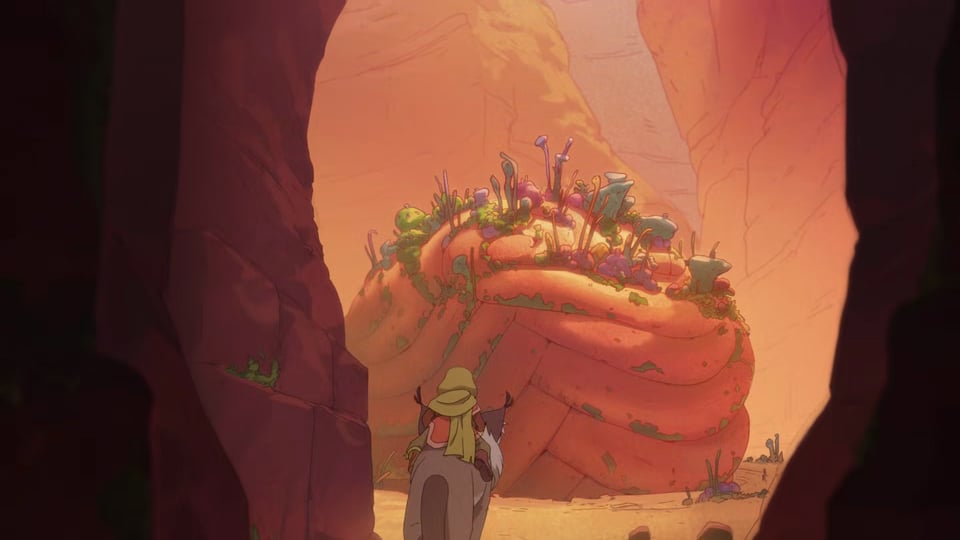
Some is the operative word here. Seven Havens is far from the four-alarm fire that early reactions to its initial trailers would have you believe, even if the stresses of the contemporary television animation landscape are often there in plain sight. The show is propped up by some incredibly handsome backgrounds, the production design already on record as being inspired by the sandswept sci-fi of French artist Mœbius. That much is clear from the mix of linework which feels organic and also delicate; the landscape wracked by a yet-to-be-described cataclysm feels like it may still be blown away at any moment, but that delicate nature also shows the in-built optimism of the series, that there's still plenty of beauty to be found even at the apparent end of the world.
For a quick summary of how we ended up here: apparently, at some point in her life Avatar Korra ended the world (it probably wasn't her fault, but she got blamed anyway – sadly consistent with how she lived her life). Humanity has retreated into seven safe havens, all isolated from each other out of a survivalist instinct. The show starts in the haven of Ellora, a city shaped like a flower, governed by a democratic council and a military half made up of conscripted benders. Everyone, bar a select few, fears the Avatar for the havoc they could cause upon their return, so the Avatars of this show, Pavi and Nisha, live in secret.
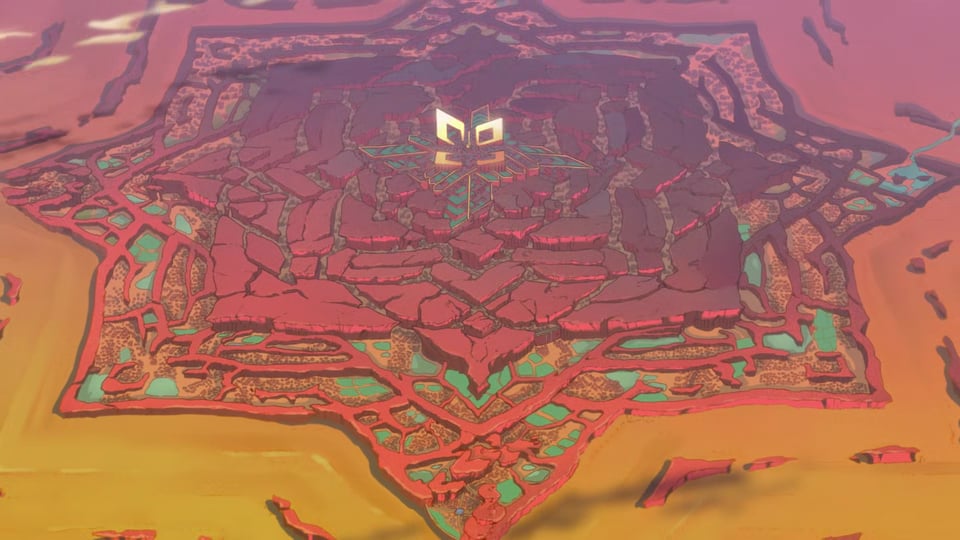
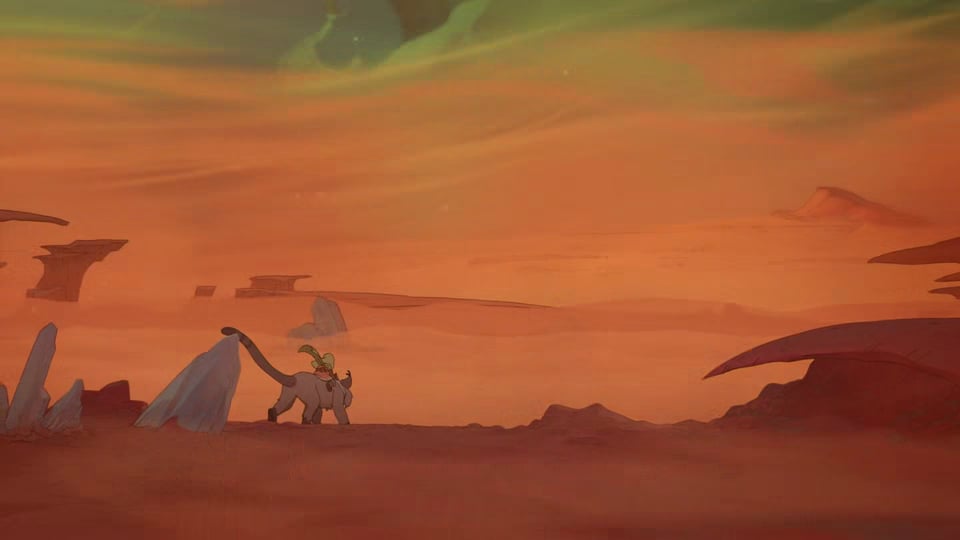
The isolated city of Ellora and the surrounding wasteland immediately feels incredibly distinct compared to the four nations of The Last Airbender and the constantly simmering melting pot of Legend of Korra's Republic City. Jeremy Zuckerman's score bolsters this dissonance – far removed from the jazzy interludes of the previous series, this time he embraces atmospheric, Tangerine Dream-esque synths, which stand as the main indicator that we are now in a far-flung future, given that all the modernity of the Legend of Korra has been reduced to dust.
It makes for a very unique combination with the new visual motifs at the heart of Seven Havens, inspired by French comic history as much as it is by Japanese animation while focusing in on and turning up the volume on the South Asian influences already present in The Last Airbender. These are mostly superficial touches: seen in the costuming, in how most characters are a darker skin tone, how there are jokes about dwindling naan rations – but these are incredibly welcome additions nonetheless, and may well deepen in the 30-plus episodes still remaining of the series (which has already been renewed for a third and fourth season, something which genuinely surprised me because the outside impression has been that Paramount is treating the Avatar franchise with something not unlike disdain).
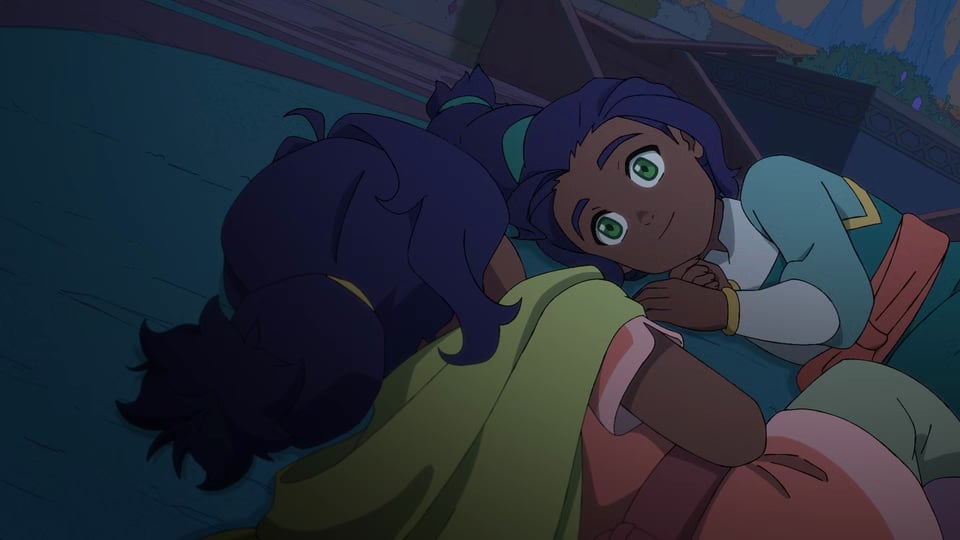

In any case, after a film which felt like it was quite keen to rest on the familiar, Seven Havens deliberately pursuing every manner it can to stand apart from its predecessors is encouraging. The havens of the title are the last standing human cities, spread much further out in a stark pivot from the encroaching globalization of Korra. And then there's the Avatars themselves: the very fact that there's two of them. I've already seen comparisons in the wild to Buffy and Faith in how the rule of one has been broken, but more exciting than that is how the show leverages this to bring about good-old fashioned "am I the failure sibling?" paranoia.
Pavi quietly frets about how she measures up to her (recently discovered) twin sister Nisha's confidence and competence, and so the sibling dynamic here becomes a solid twist on the Avatar series's stories about the opponent in your own mind. I'm still waiting for the plucky sidekicks and taciturn but sensitive teacher – I didn't say everything in Seven Havens was different – to develop a little more beyond their archetype, but perhaps the three-episode binge model is softening the blow as far as I'm concerned. Jae, the older brother figure to the girls, holds promise the more he settles into that role. Maybe that real substance will emerge under pressure, when the show's real antagonists make an actual move, with some masked saboteurs causing havoc in an already fragile city (more leftovers from Korra's tenure).
I wish that the physical performance of said drama had maintained the expressivity of Seven Havens's franchise forebears, though. For all the talk of fearing being the lesser sibling, it wouldn't be a stretch to say Seven Havens could well end up with that reputation when measured against something like Korra (a show which itself had plenty of contentiousness from fans to deal with). But it's far too early to play favorites: I love my children equally.