The beautifully animated game
Dragon Striker, which combines magic and soccer (or football if you're nasty), deserves your attention.
by Rollin Bishop
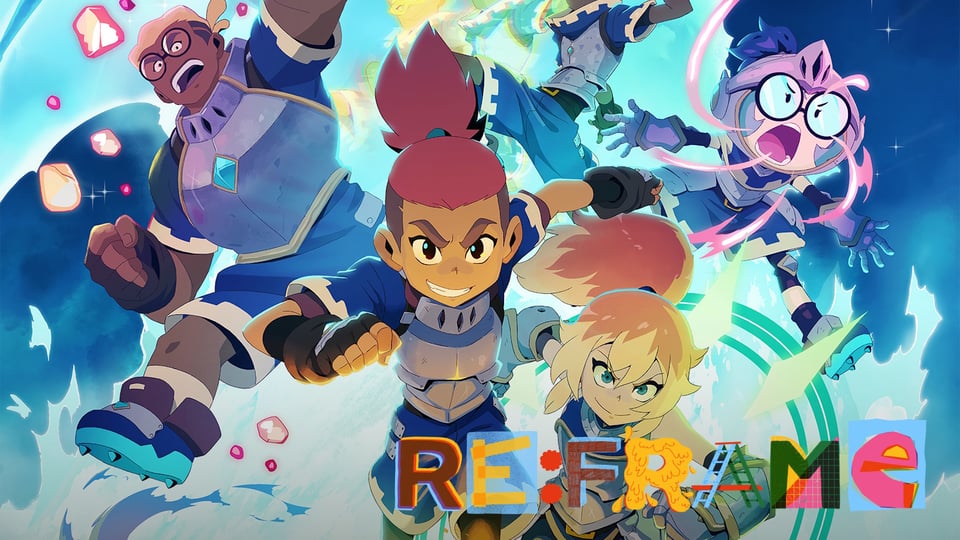
Sports make for a natural narrative arc. There's clear goals, opponents, struggles, ups and downs, and wins and losses. While perhaps obvious to many and not exactly news, it's still somewhat unusual to see in animation outside of what one might consider to be traditional anime — which makes Dragon Striker, the new animated series produced by La Chouette Compagnie in association with Disney Television Animation, immediately interesting.
Marketed as "blending European fantasy with Japanese animation influences," Dragon Striker from co-creators Sylvain Dos Santos and Charles Lefebvre follows Key, a farm boy who dreams of bigger things, as he attends an elite school to play a game called Gorotama — a soccer-like game combining magical abilities called Tama with physical prowess.
While blending those two inspirations sounds lofty on paper, Dragon Striker is shockingly good at it in practice as well. You don't have to just take my word for it, however; the 11-episode first season is currently available to stream on Disney+ and Hulu following an initial marathon on Disney XD. Or you could just watch the trailer to see how all of that combines together:
Dragon Striker wears its anime influences on its sleeves: it's about as anime as anything else I've seen this year, including, y'know, anime. According to Lefebvre, there's a strong Japanese influence on the new show when it comes to worldbuilding, citing The Vision of Escaflowne and Captain Tsubasa as part of Dragon Striker's DNA. He also makes specific mention of video games like Chrono Trigger, Secret of Mana, Monster Hunter, and more when I ask, with him pointing to several pieces of art from the games on the wall behind him.
"Probably some Final Fantasy, I think FF9, for me or so, was a big inspiration for worldbuilding," adds Dos Santos. "You know you have this very interesting mix between the medieval stuff and the machine."
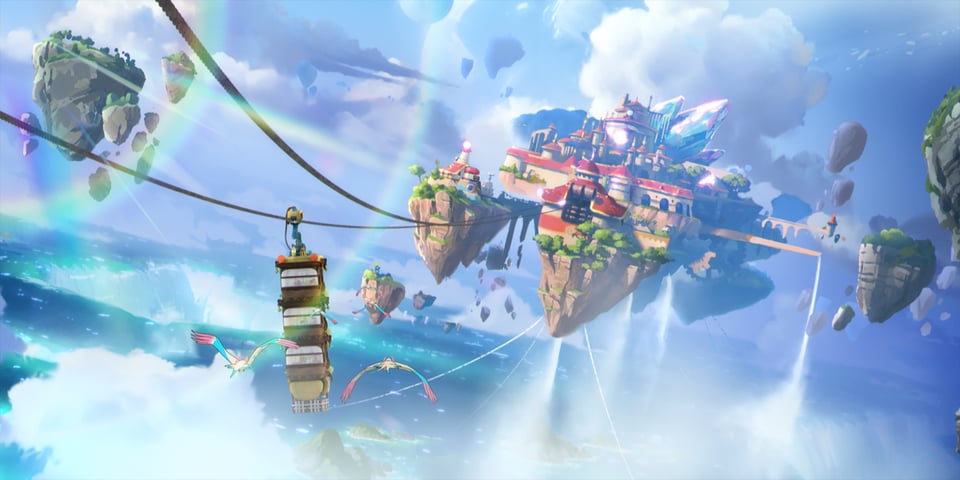
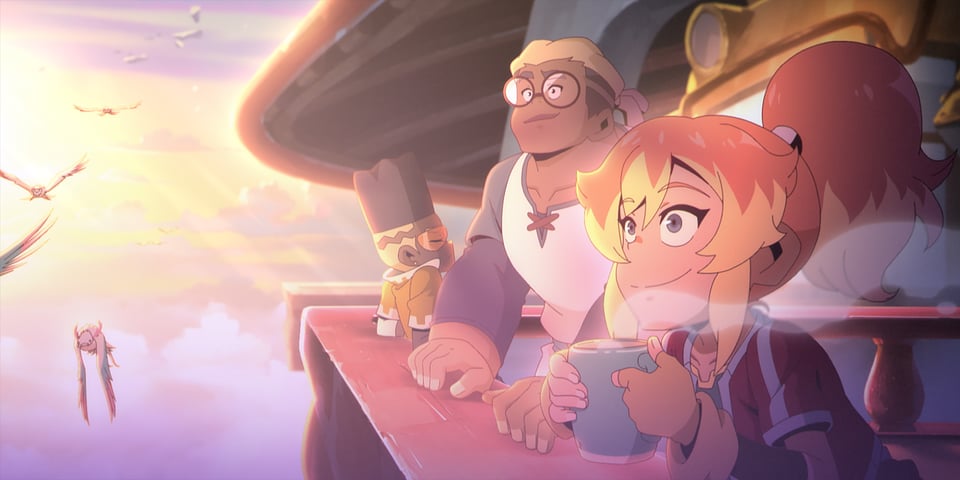
I immediately know what Dos Santos means. Both Final Fantasy 9 and Dragon Striker lean on a sort of magical technology underpinning. The environments look worn and lived in, closer to Avatar: The Last Airbender than not, but there are still plenty of marvels like mechanical gondolas that traverse floating islands, fantastical prosthetics, and something I'd describe less as clockwork- and more crystalwork-inspired. Ivalice, by way of magical sports.
It's honestly a bit baffling how little modern sports-based animation there is overall. When I ask the Dragon Striker co-creators why it is that we don't see this sort of thing outside of Japan as often, they agree that it really feels like there should be more. In fact, Dos Santos is certainly doing his part as in addition to Dragon Striker, he's co-creator of The Basketeers, a basketball-focused animated series from the early 2010s.
"What's really cool every time with the sports show … you feel immediately hyped by the crowd," says Lefebvre. "It's something you cannot so much fight against when you have the crowd." Basically, he says, it's an effective way to quickly get intense emotion across. The Dragon Striker theme song also touches on this.
"It was not easy to sell to broadcasters, because what I heard a lot when pitching this is like, 'why kids would watch an animated series about sports,'" says Dos Santos. "'They prefer to watch kids sports' — and that's absurd! Because it's not the same thing, because you tell a story, because you amplify everything."
"When you throw the ball, it's the most important thing in the world," he says, describing the way in which good anime makes use of sports as a medium. It's something that, as a creator, you have to approach your work with that mindset from the jump, according to the duo. In a way, it's focusing down to the basics by making them completely necessary.
"We have a way of thinking a little bit like One Piece to not take ourselves too seriously, and at the same time, you have to take it seriously to make it count for the audience," adds Lefebvre. "The balance is interesting; you need to have fun in your universe and also make sure this universe is meaningful for the audience."
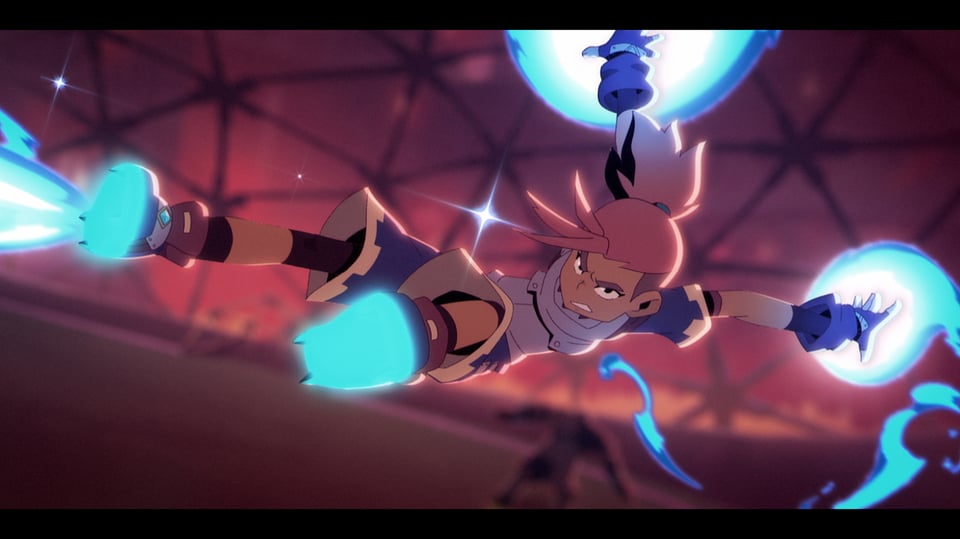
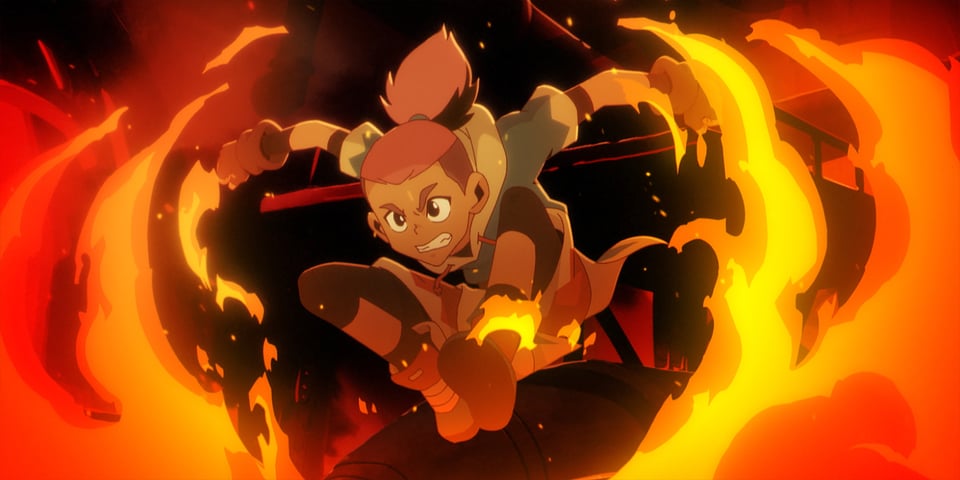
It remains to be seen if Dragon Striker has truly struck that balance. I somehow doubt a brief linear marathon followed by an all-at-once streaming drop after years is going to help, and yet there's something undeniably charming about the show. The action is powerful but legible, not always as common as it should be in modern animation, while the characters are distinctly designed and have interesting motivations.
As just one example of something I've found atypically endearing about Dragon Striker: the backgrounds have a visual color depth to them that's unusual. When the sun begins to set late in the day at the school of Kal Asterok, the orange glow of the stone feels warm when I look at it. I can almost smell the earthy clay baking. Every minute of Dragon Striker, a different sort of figurative ball is being thrown.