͏ ͏ ͏ ͏ ͏ ͏ ͏ ͏ ͏ ͏ ͏ ͏ ͏ ͏ ͏ ͏ ͏ ͏ ͏ ͏ ͏ ͏ ͏ ͏ ͏ ͏ ͏ ͏ ͏ ͏ ͏ ͏ ͏ ͏ ͏ ͏ ͏ ͏ ͏ ͏ ͏ ͏ ͏ ͏ ͏ ͏ ͏ ͏ ͏ ͏ ͏ ͏ ͏ ͏ ͏ ͏ ͏ ͏ ͏ ͏ ͏ ͏ ͏ ͏ ͏ ͏ ͏ ͏ ͏ ͏ ͏ ͏ ͏ ͏ ͏ ͏ ͏ ͏ ͏ ͏ ͏ ͏ ͏ ͏ ͏ ͏ ͏ ͏ ͏ ͏ ͏ ͏ ͏ ͏ ͏ ͏ ͏ ͏ ͏ ͏ ͏ ͏ ͏ ͏ ͏ ͏ ͏ ͏ ͏ ͏ ͏ ͏ ͏ ͏ ͏ ͏ ͏ ͏ ͏ ͏
|
#### Editor’s note
|
| |
|
Web performance improvements can range from a single-line change to months spent on lengthy rewrites and architecture changes. Before we commit to implementation, we should ensure the area (or asset-type culprit!) we’re focusing on is *really* the one causing regressions.
Remember how we talked about the isolation of results in web performance? It’s hard to pinpoint cause and effect when many pieces rely on each other.
High-level advice we find in online resources can be helpful, but always research your use case and expected impact. It might not be what you think.
|
| |
|
|
Karolina
|
| |
| |
|
|
|
|
#### What’s Performance newsletter?
|
| |
|
Performance Newsletter is a fortnightly mailing by [Calibre](https://calibreapp.com), featuring web performance tools, talks and resources.
Don’t worry—we don’t spam. If you’d like to leave, [unsubscribe]() at any time. Suggest content [here](mailto:[email protected]).
|
|
|
| |
|
| |
|
|
|
| |
|
# Articles
|
|

|
|
| |
 |
| |
|
### [Total Blocking Time: a short and sweet guide for happier users](https://calibreapp.com/blog/total-blocking-time)
|
| |
|
[Ben Schwarz](https://twitter.com/benschwarz)
|
|
Total Blocking Time tracks how long tasks block a page’s main thread, often resulting in a frustrating lack of responsiveness. Learn how to measure and improve it!
|
|
|
| |
|
 |
| |
|
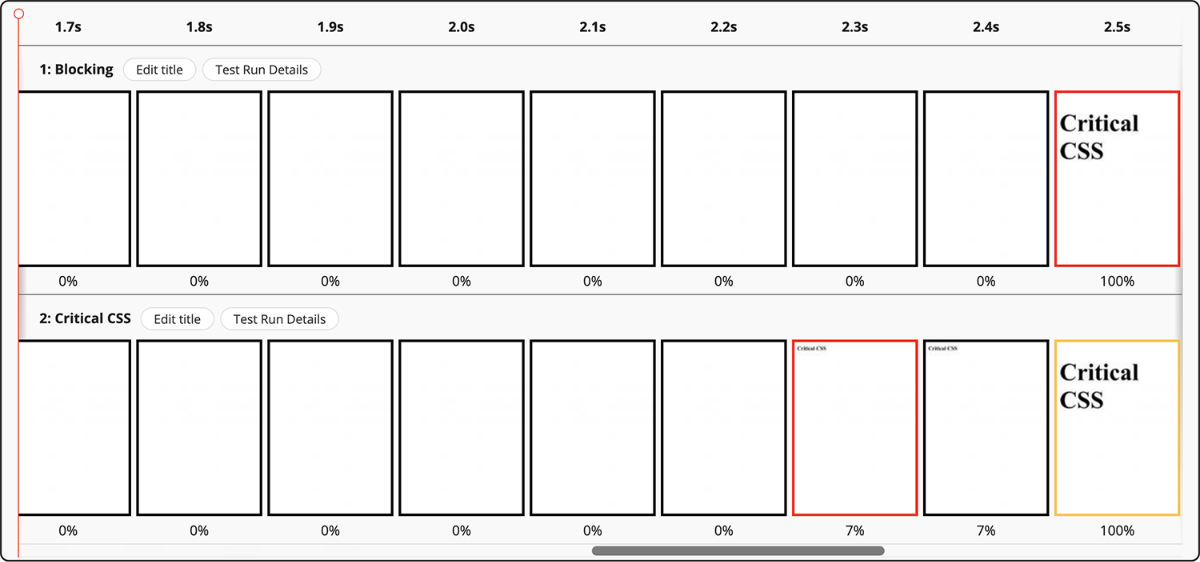
### [Critical CSS? Not so fast!](https://csswizardry.com/2022/09/critical-css-not-so-fast/)
|
| |
|
[Harry Roberts](https://twitter.com/csswizardry/)
|
|
Critical CSS isn’t one of the most straightforward web performance strategies. Find out when it’s useful and what kind of roadblocks you might expect.
|
|
|
| |
|
|
### [Critical resources and the first 14 KB: a review](https://www.tunetheweb.com/blog/critical-resources-and-the-first-14kb/)
|
| |
|
[Barry Pollard](https://twitter.com/tunetheweb)
|
|
In the past issue, we featured an article highlighting the importance of sites under 14 KB. Here’s where this number comes from and why it might not be relevant.
|
|
|
| |
|
|
|
|
|
| |
|
# Tools
|
|

|
|
| |
 |
| |
|
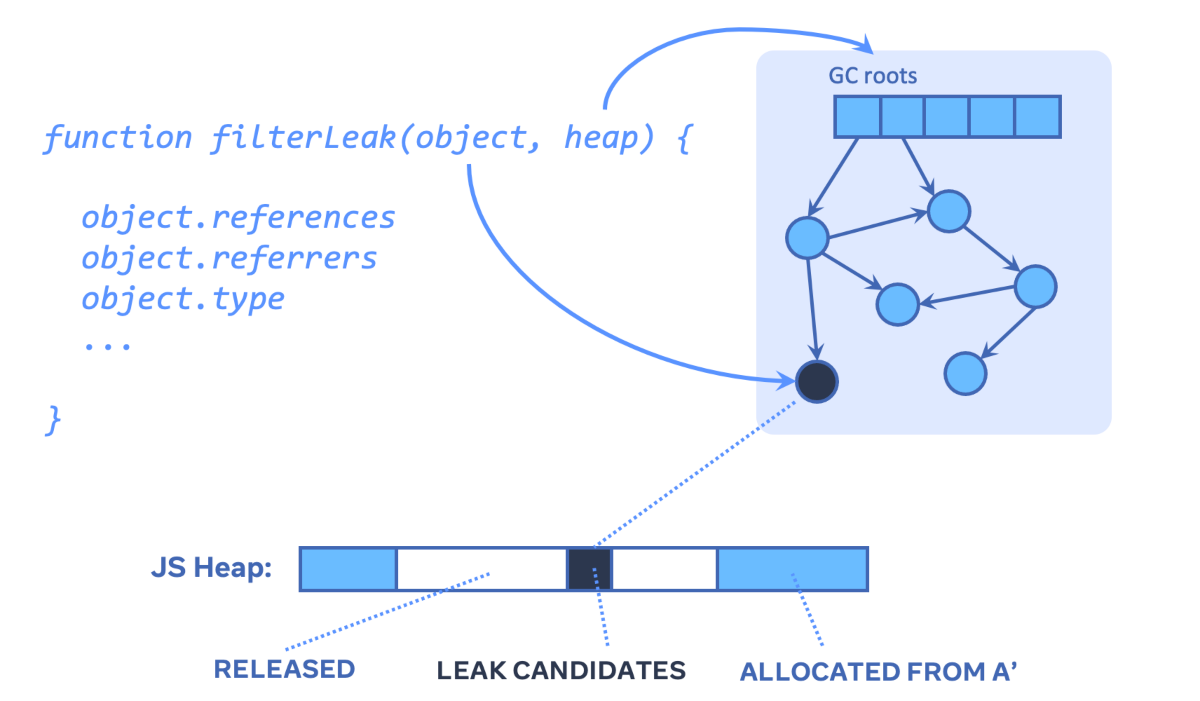
### [MemLab: An open source framework for finding JavaScript memory leaks](https://engineering.fb.com/2022/09/12/open-source/memlab/)
|
| |
|
[Liang Gong](https://github.com/JacksonGL) & [Glenn Conner](https://twitter.com/mr_sharpoblunto)
|
|
There isn’t a world where memory leaks aren’t a liability. Check out this new end-to-end testing and analysis framework for finding JavaScript memory leaks and optimization opportunities.
|
|
|
| |
|
 |
| |
|
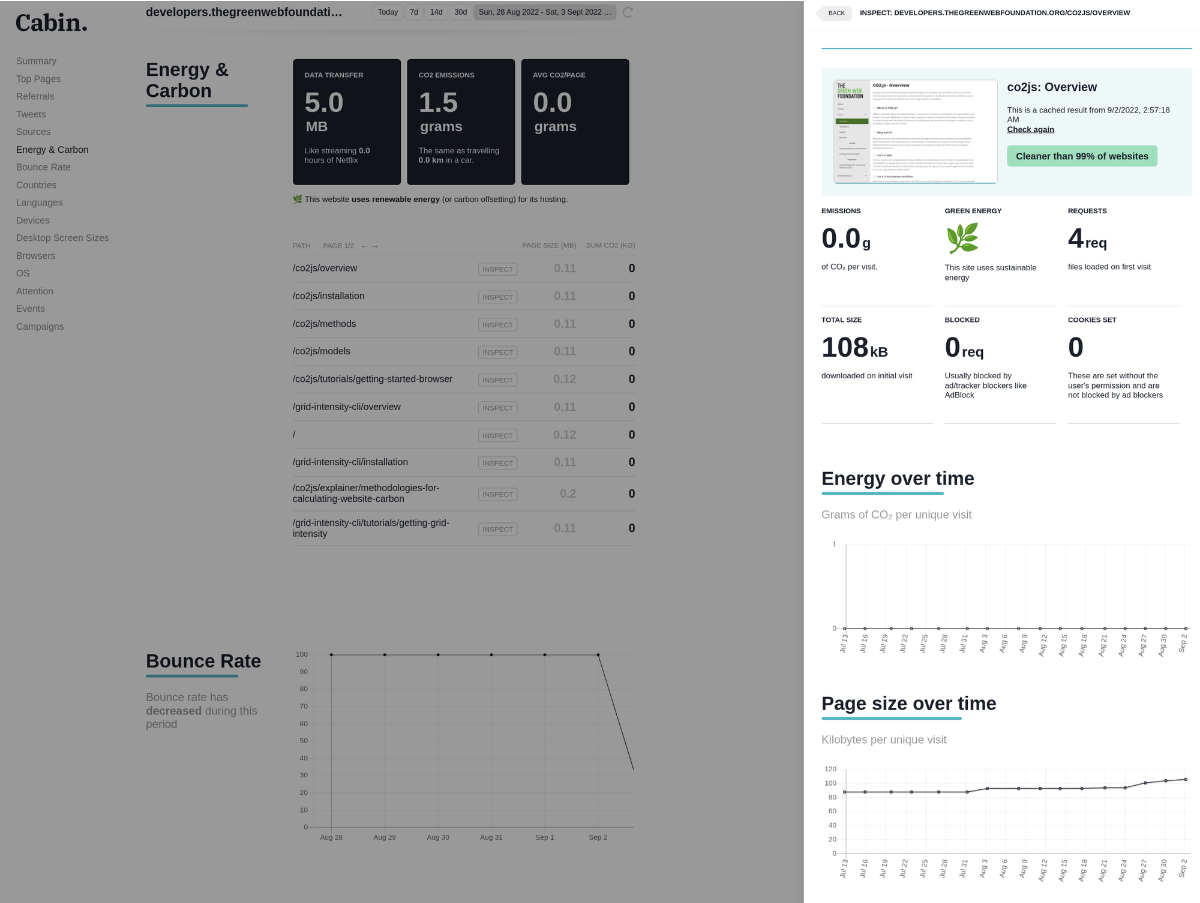
### [CO2.js: an open library for digital carbon reporting](https://branch.climateaction.tech/issues/issue-4/co2js/)
|
| |
|
[Fershad Irani](https://twitter.com/fershad)
|
|
Much work is going into CO2.js, a JavaScript library that estimates the emissions associated with apps and websites. You can run it today in Node.js server environments, in the browser, and on some serverless and edge compute runtimes!
|
|
|
| |
|
|
|
|
|
| |
|
# Courses, Talks & Podcasts
|
|

|
|
| |
 |
| |
|
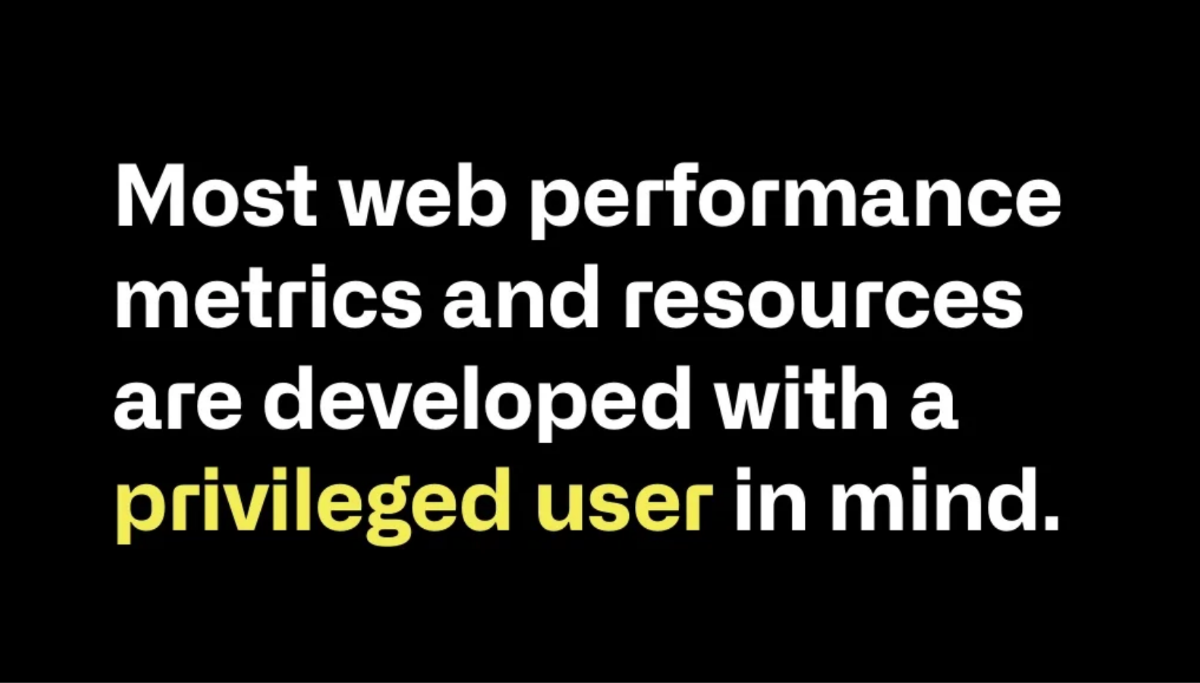
### [The secret web performance metric no one is talking about](https://www.slideshare.net/AnnaMigas1/the-secret-web-performance-metric-no-one-is-talking-about)
|
| |
|
[Anna Migas](https://twitter.com/szynszyliszys)
|
|
Find out what performance learnings come from working on a project targeted toward emerging markets and how we over-rely on fast and stable connections.
|
|
|
| |
|
|
|