͏ ͏ ͏ ͏ ͏ ͏ ͏ ͏ ͏ ͏ ͏ ͏ ͏ ͏ ͏ ͏ ͏ ͏ ͏ ͏ ͏ ͏ ͏ ͏ ͏ ͏ ͏ ͏ ͏ ͏ ͏ ͏ ͏ ͏ ͏ ͏ ͏ ͏ ͏ ͏ ͏ ͏ ͏ ͏ ͏ ͏ ͏ ͏ ͏ ͏ ͏ ͏ ͏ ͏ ͏ ͏ ͏ ͏ ͏ ͏ ͏ ͏ ͏ ͏ ͏ ͏ ͏ ͏ ͏ ͏ ͏ ͏ ͏ ͏ ͏ ͏ ͏ ͏ ͏ ͏ ͏ ͏ ͏ ͏ ͏ ͏ ͏ ͏ ͏ ͏ ͏ ͏ ͏ ͏ ͏ ͏ ͏ ͏ ͏ ͏ ͏ ͏ ͏ ͏ ͏ ͏ ͏ ͏ ͏ ͏ ͏ ͏ ͏ ͏ ͏ ͏ ͏ ͏ ͏ ͏
|
#### Editor’s note
|
| |
|
Performance budgets are the cornerstone of a successful speed strategy. They bring clear goals for teams and organisations. Budgets make aligning on the same vision and track towards success easier. While not everything can and should be data-driven, it’s challenging to move the speed needle to where we want it to be without clear objectives.
Can you ignore notifications for set budgets? Absolutely. That’s why it’s **vital to decide between aspirational and defensive performance budgets. **If we’re starting on the performance journey and creating budget values for impeccable performance, we might be setting up for a disappointment that creates more friction than wins. Incremental improvement is better than no improvement
|
| |
|
|
Karolina
|
| |
| |
|
|
|
|
#### What’s Performance newsletter?
|
| |
|
Performance Newsletter is a fortnightly mailing by [Calibre](https://calibreapp.com), featuring web performance tools, talks and resources.
Don’t worry—we don’t spam. If you’d like to leave, [unsubscribe]() at any time. Suggest content [here](mailto:[email protected]).
|
|
|
| |
|
| |
|
|
|
| |
|
# Articles
|
|

|
|
| |
 |
| |
|
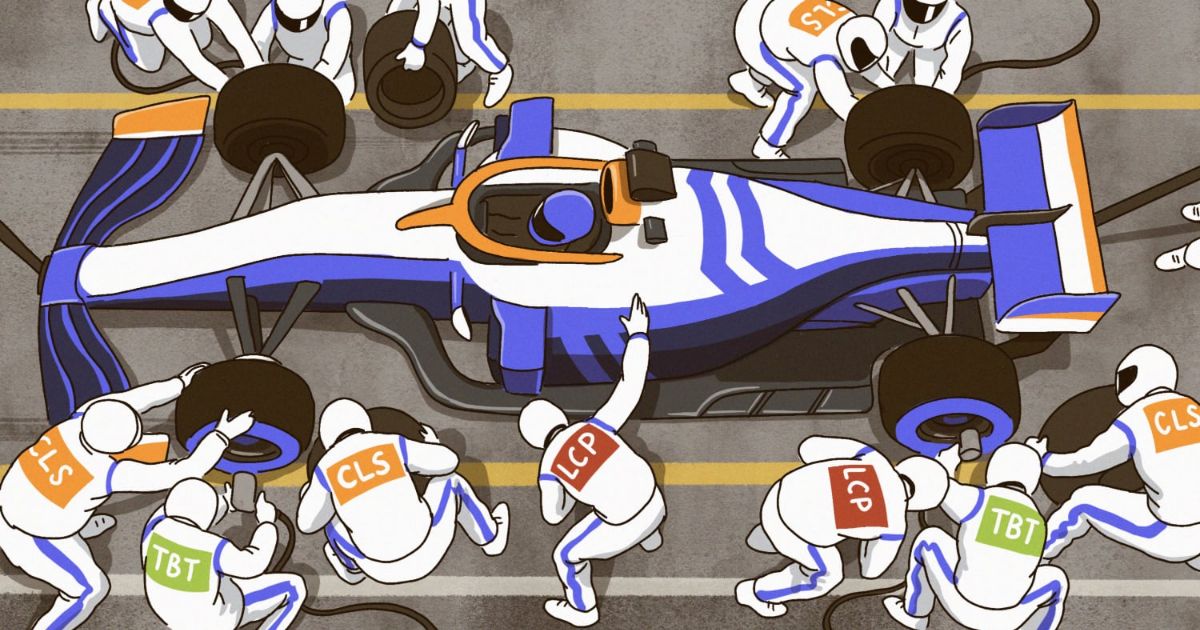
### [Performance Budgets: the easiest way to a faster site](https://calibreapp.com/blog/performance-budgets)
|
| |
|
[Karolina Szczur](https://twitter.com/fox)
|
|
Improving page speed can be a company-wide goal, but until you set specific targets, it’s not clear what specific metric you want to improve, how you’ll do it, and who’s in charge of getting it there. Learn how to get started with performance budgets!
|
|
|
| |
|
 |
| |
|
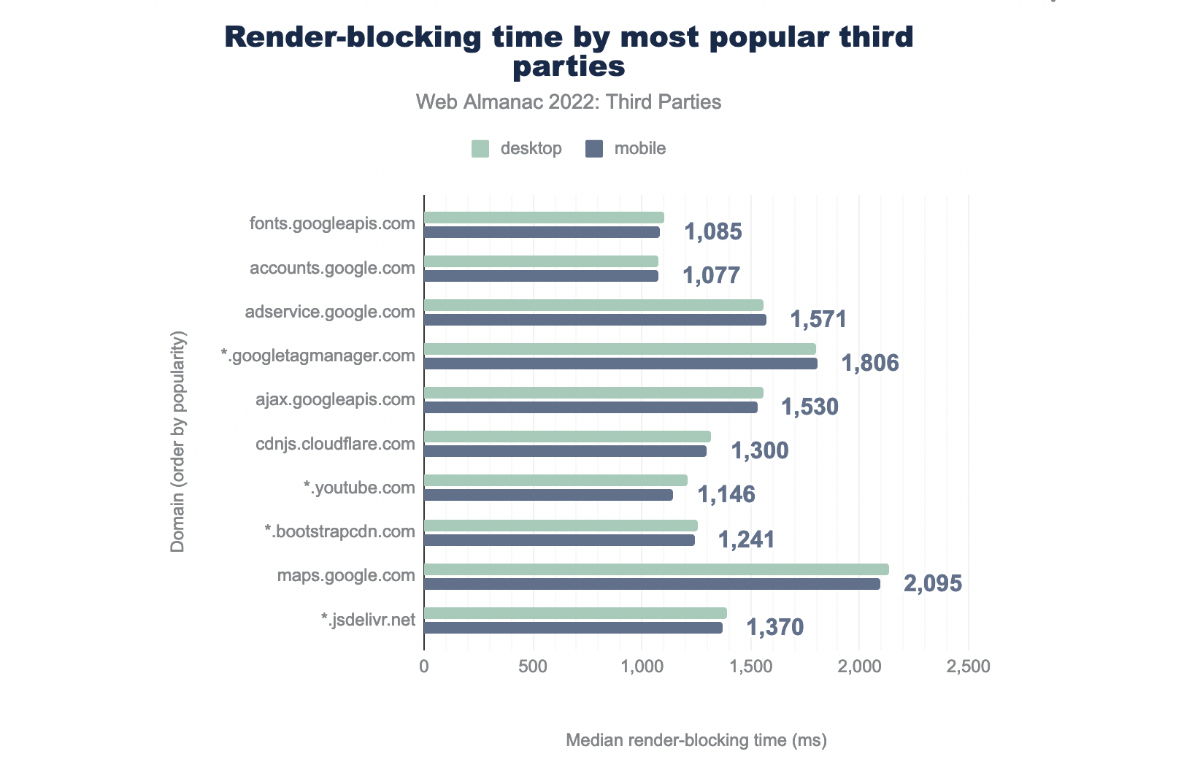
### [Web Almanac 2022: Third parties](https://almanac.httparchive.org/en/2022/third-parties)
|
| |
|
[Eugenia Zigisova](https://twitter.com/jevgeniazi)
|
|
Half of all site requests are third-party requests. Learn about the massive performance, user experience, security and privacy impact third-party scripts and tools have on the web.
|
|
|
| |
|
|
|
|
|
| |
|
# Tools
|
|

|
|
| |
 |
| |
|
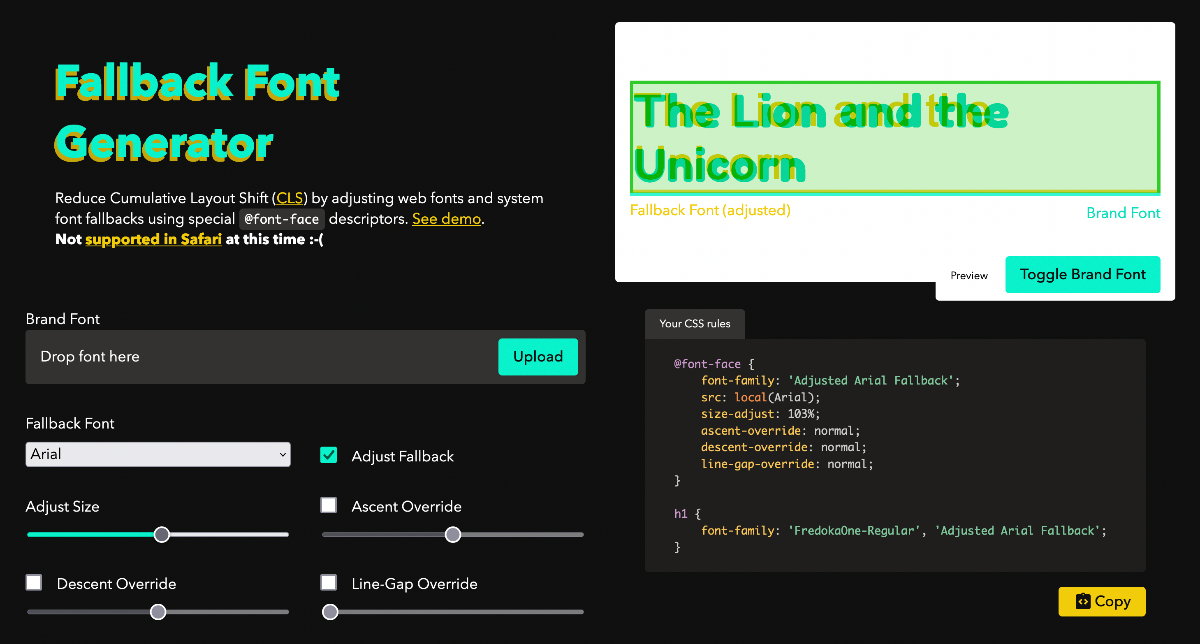
### [Fallback Font Generator](https://screenspan.net/fallback)
|
| |
|
[Brian Louis Ramirez](https://twitter.com/screenspan)
|
|
Web fonts are widespread, but optimising them for visual stability and performance isn’t. Use this tool to reduce Cumulative Layout Shift by adjusting web fonts and system fallbacks.
|
|
|
| |
|
|
|
|
|
| |
|
# Courses, Talks & Podcasts
|
|

|
|
| |
 |
| |
|
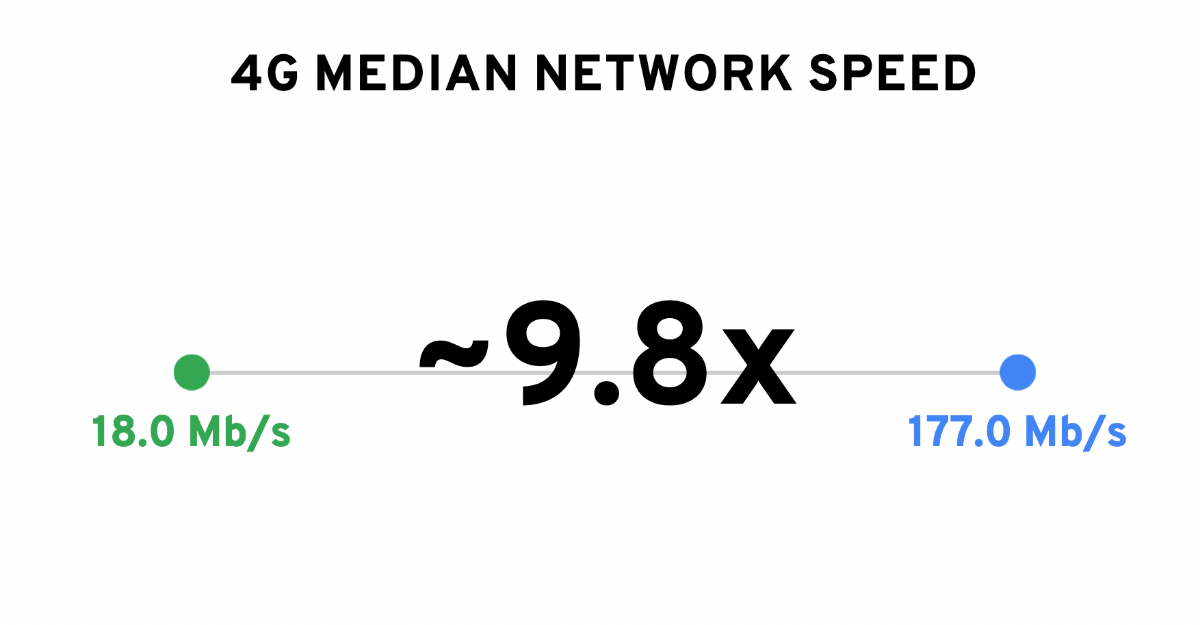
### [How fast is your website really?](https://slides.com/macklin/how-fast-is-your-website-really/)
|
| |
|
[Macklin Hartley](https://twitter.com/macklin_hartley)
|
|
Can we effectively monitor web performance with current tools? Learn how to track real user data and use continuous monitoring to react to performance regression as they happen.
|
|
|
| |
|
|
### [Catching up with web performance: Barry Pollard](https://catchingup.dev/podcasts/barry-pollard/)
|
| |
|
[Tanner Hodges](https://twitter.com/atannerhodges) & [Barry Pollard](https://twitter.com/tunetheweb)
|
|
Check Barry Pollard sharing his journey from investment banking to Google, his focus on web performance, and speed evolution from measuring load to the entire page lifecycle.
|
|
|
| |
|
|
|
| |
|
# New in Calibre
|
|

|
|
| |
 |
|
### [Calibre’s Changelog](https://calibreapp.com/changelog)
|
|
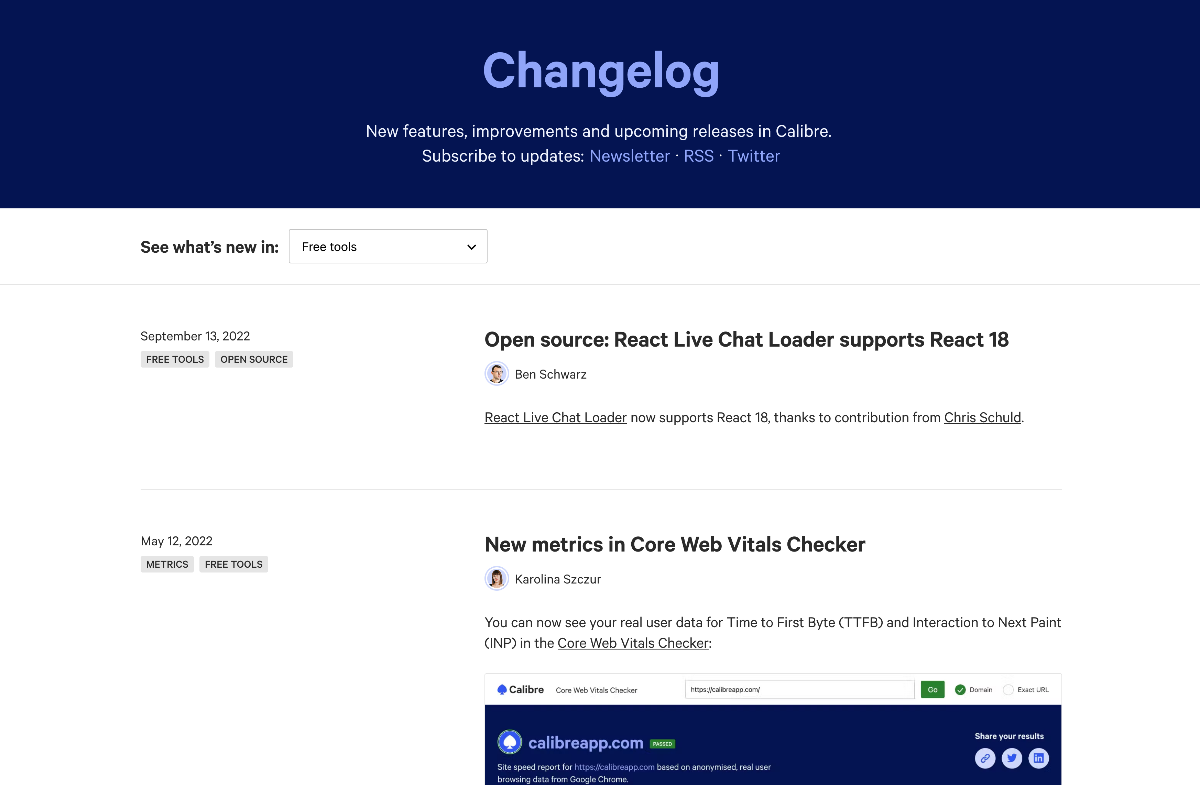
We changed from monthly Release Notes to a Changelog format. Now, you can easily see what’s new in Calibre by categories, such as free tools, open source, or product features (speed budgets or integrations, to name a few).
|
|
|
| |
|
|