͏ ͏ ͏ ͏ ͏ ͏ ͏ ͏ ͏ ͏ ͏ ͏ ͏ ͏ ͏ ͏ ͏ ͏ ͏ ͏ ͏ ͏ ͏ ͏ ͏ ͏ ͏ ͏ ͏ ͏ ͏ ͏ ͏ ͏ ͏ ͏ ͏ ͏ ͏ ͏ ͏ ͏ ͏ ͏ ͏ ͏ ͏ ͏ ͏ ͏ ͏ ͏ ͏ ͏ ͏ ͏ ͏ ͏ ͏ ͏ ͏ ͏ ͏ ͏ ͏ ͏ ͏ ͏ ͏ ͏ ͏ ͏ ͏ ͏ ͏ ͏ ͏ ͏ ͏ ͏ ͏ ͏ ͏ ͏ ͏ ͏ ͏ ͏ ͏ ͏ ͏ ͏ ͏ ͏ ͏ ͏ ͏ ͏ ͏ ͏ ͏ ͏ ͏ ͏ ͏ ͏ ͏ ͏ ͏ ͏ ͏ ͏ ͏ ͏ ͏ ͏ ͏ ͏ ͏ ͏
|
#### Editor’s note
|
| |
|
A fair few characteristics of web performance (and how the Internet works) make it hard to pinpoint the result of our actions. Because each performance test and each test platform will inevitably yield different results, we’re prone to question everything we see.
And when metrics depend on each other (like pieces of [a Jenga game](https://external-content.duckduckgo.com/iu/?u=https%3A%2F%2Ftse1.mm.bing.net%2Fth%3Fid%3DOIP.b3EF6VZ-kBJB1EhiF4EbzQHaFj%26pid%3DApi&f=1)), it becomes nearly impossible to narrow down what specific change helped us improve or tank speed.
That’s why we need a robust testing set-up measuring our changes precisely. Without precision, specific methods and goals, we’re likely to make flawed assumptions that don’t reflect real user experience.
|
| |
|
|
Karolina
|
| |
| |
|
|
|
|
#### What’s Performance newsletter?
|
| |
|
Performance Newsletter is a fortnightly mailing by [Calibre](https://calibreapp.com), featuring web performance tools, talks and resources.
Don’t worry—we don’t spam. If you’d like to leave, [unsubscribe]() at any time. Suggest content [here](mailto:[email protected]).
|
|
|
| |
|
| |
|
|
|
| |
|
# Articles
|
|

|
|
| |
 |
| |
|
### [How To Improve Largest Contentful Paint for Faster Load Times](https://calibreapp.com/blog/largest-contentful-paint)
|
| |
|
[Karolina Szczur](https://twitter.com/fox)
|
|
Largest Contentful Paint is an often misunderstood Core Web Vital. Learn how to find out which element is your LCP and how to ensure it’s fast.
|
|
|
| |
|
 |
| |
|
### [Measure What You Impact, Not What You Influence](https://csswizardry.com/2022/08/measure-what-you-impact-not-what-you-influence/)
|
| |
|
[Harry Roberts](https://twitter.com/csswizardry/)
|
|
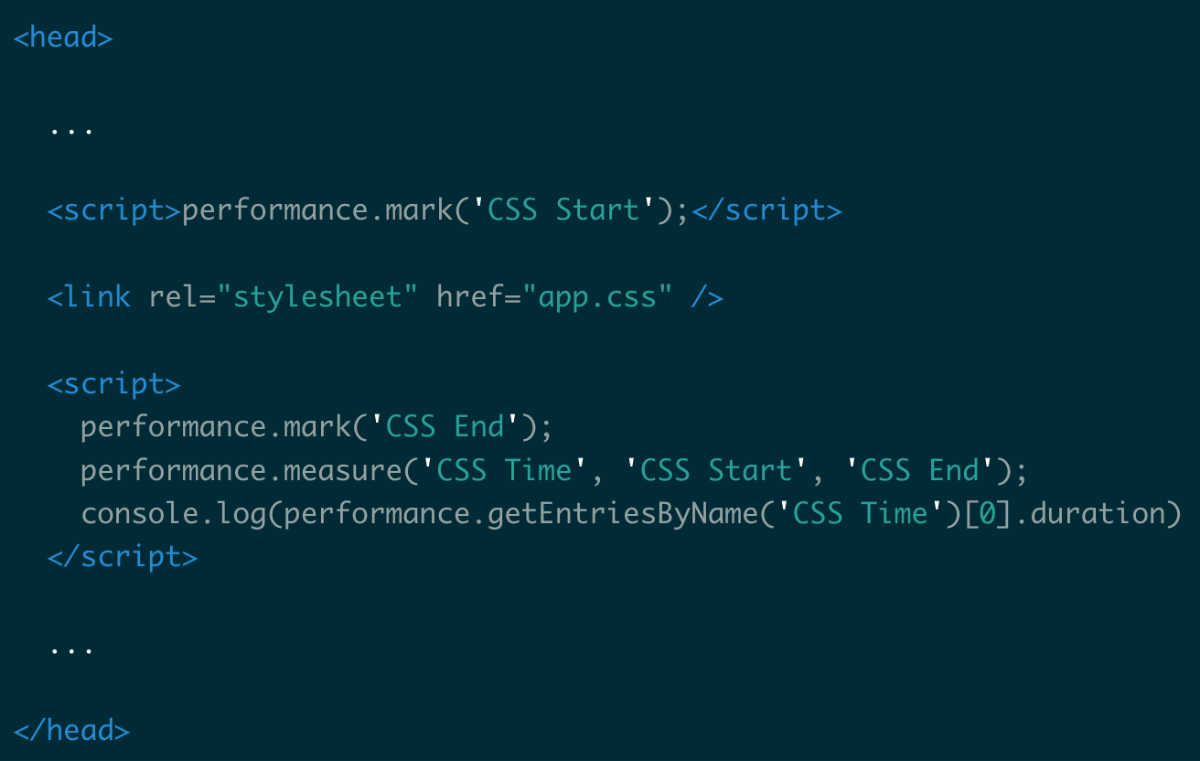
Site speed is non-deterministic, and optimising metrics in isolation is complex. Here’s how we can be more forensic in assessing the impact of our work.
|
|
|
| |
|
|
### [Why your website should be under 14kB in size](https://endtimes.dev/why-your-website-should-be-under-14kb-in-size/)
|
| |
|
[Nathaniel](https://dev.to/shadowfaxrodeo)
|
|
Why can a 14kB page load much faster than a 15kB page? Learn about the TCP slow start algorithm: what it is, how it works, and why you should care.
|
|
|
| |
|
|
|
|
|
| |
|
# Case Studies
|
|

|
|
| |
 |
| |
|
### [Fast Front-End Performance for Microsoft Bing](https://blogs.bing.com/search-quality-insights/august-2022/Fast-Front-End-Performance-for-Microsoft-Bing)
|
| |
|
[Paul Roy](https://www.linkedin.com/in/pauljroy/), [Amiya Gupta](https://twitter.com/amiyagupta) & [Mohit Suley](https://www.linkedin.com/in/mohitsuley/)
|
|
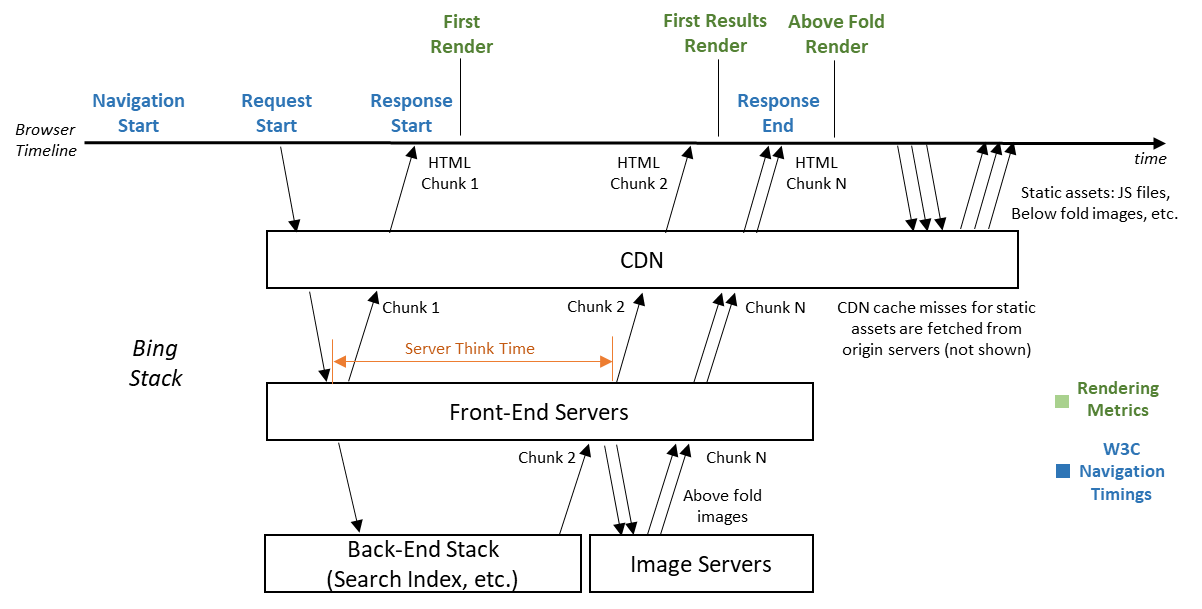
Discover the critical performance techniques (including browser rendering and optimising network and image loading) used by Bing’s front-end to deliver and render search results pages with world-class speed.
|
|
|
| |
|
|
|
|
|
| |
|
# Tools
|
|

|
|
| |
 |
| |
|
### [Framework Benchmarks](https://github.com/BuilderIO/framework-benchmarks)
|
| |
|
[Steve Sewell](https://twitter.com/steve8708) & [contributors](https://github.com/BuilderIO/framework-benchmarks/graphs/contributors)
|
|
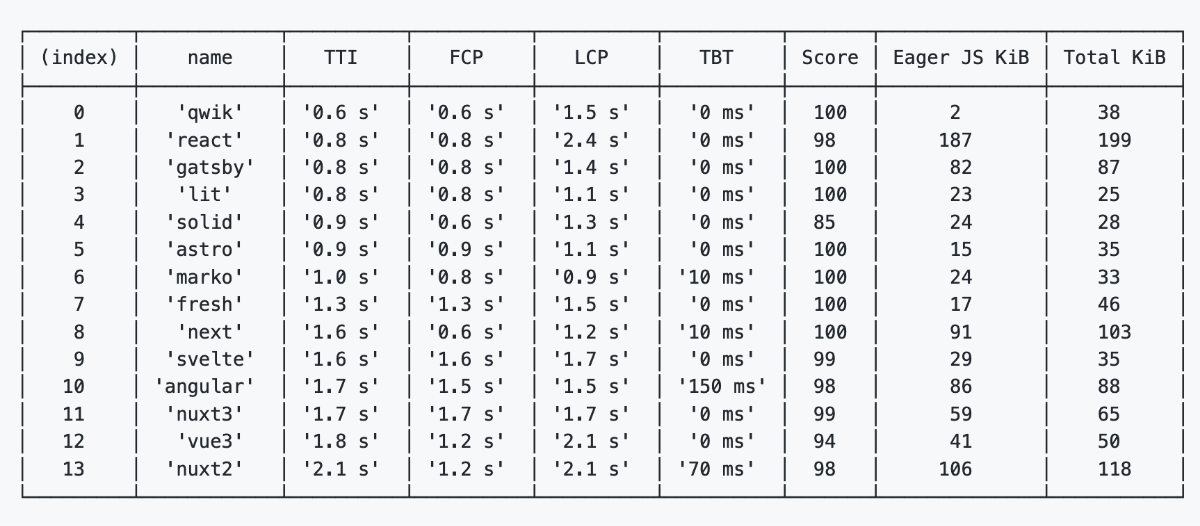
While this project is in its initial development phase, you can test each framework for its performance, including crucial Lighthouse and Core We Vitals metrics.
|
|
|
| |
|
|
|
|
|
| |
|
# Courses, Talks & Podcasts
|
|

|
|
| |
 |
| |
|
### [Catching Up With Web Performance: Noam Rosenthal](https://catchingup.dev/podcasts/noam-rosenthal/)
|
| |
|
[Tanner Hodges](https://twitter.com/atannerhodges) & [Noam Rosenthal](https://twitter.com/nomsternom)
|
|
There’s a new web performance podcast in town! In the first episode, check out Noam Rosenthal, discussing performance since 1998, his journey across the product and platform, and his philosophy of performance as the resource of software.
|
|
|
| |
|
|
|