͏ ͏ ͏ ͏ ͏ ͏ ͏ ͏ ͏ ͏ ͏ ͏ ͏ ͏ ͏ ͏ ͏ ͏ ͏ ͏ ͏ ͏ ͏ ͏ ͏ ͏ ͏ ͏ ͏ ͏ ͏ ͏ ͏ ͏ ͏ ͏ ͏ ͏ ͏ ͏ ͏ ͏ ͏ ͏ ͏ ͏ ͏ ͏ ͏ ͏ ͏ ͏ ͏ ͏ ͏ ͏ ͏ ͏ ͏ ͏ ͏ ͏ ͏ ͏ ͏ ͏ ͏ ͏ ͏ ͏ ͏ ͏ ͏ ͏ ͏ ͏ ͏ ͏ ͏ ͏ ͏ ͏ ͏ ͏ ͏ ͏ ͏ ͏ ͏ ͏ ͏ ͏ ͏ ͏ ͏ ͏ ͏ ͏ ͏ ͏ ͏ ͏ ͏ ͏ ͏ ͏ ͏ ͏ ͏ ͏ ͏ ͏ ͏ ͏ ͏ ͏ ͏ ͏ ͏ ͏
|
#### Editor’s note
|
| |
|
In the last few years, tooling available in browsers to analyse and profile web performance has exploded. We also have a wide range of open source and paid tooling available on multiple platforms to help us with specific areas and issues.
But, since performance often happens in the browser, the question remains: can vendors do even more to optimise the fetch and render process? I think yes, but these are not easy waters to thread. We might be looking at lengthy timeframes between establishing inevitably opinionated strategies for optimal performance to shipping stable versions. Still, getting more built-in tools and documented processes directly in browser internals can be invaluable.
We already have fast browsers. Now, let’s get to browsers enforcing fast sites and apps!
|
| |
|
|
Karolina
|
| |
| |
|
|
|
|
#### What’s Performance newsletter?
|
| |
|
Performance Newsletter is a fortnightly mailing by [Calibre](https://calibreapp.com), featuring web performance tools, talks and resources.
Don’t worry—we don’t spam. If you’d like to leave, [unsubscribe]() at any time. Suggest content [here](mailto:[email protected]).
|
|
|
| |
|
| |
|
|
|
| |
|
# Articles
|
|

|
|
| |
 |
| |
|
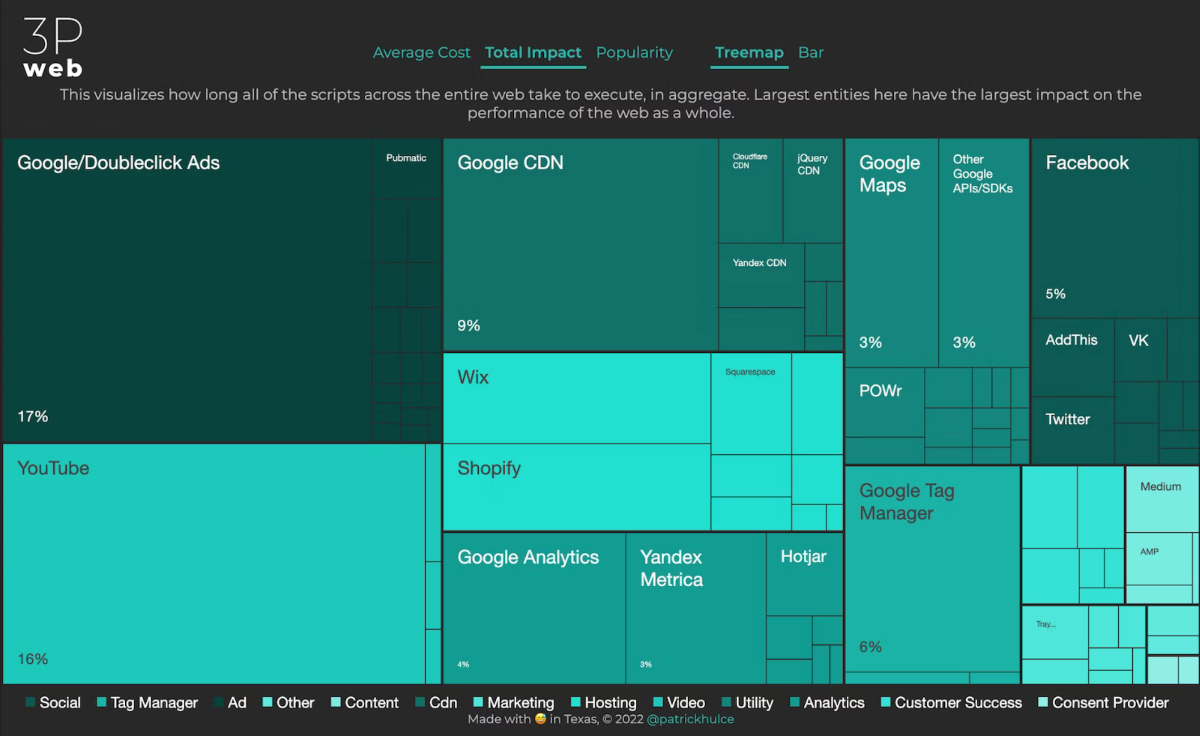
### [Can browsers optimize the loading of third-party resources?](https://developer.chrome.com/blog/third-party-scripts/)
|
| |
|
[Addy Osmani](https://twitter.com/addyosmani)
|
|
Why do we keep talking about third-party optimisation? Learn the impact of third parties, the most common types, and what tools the Chrome team is considering adding at the browser level to help.
|
|
|
| |
|
 |
| |
|
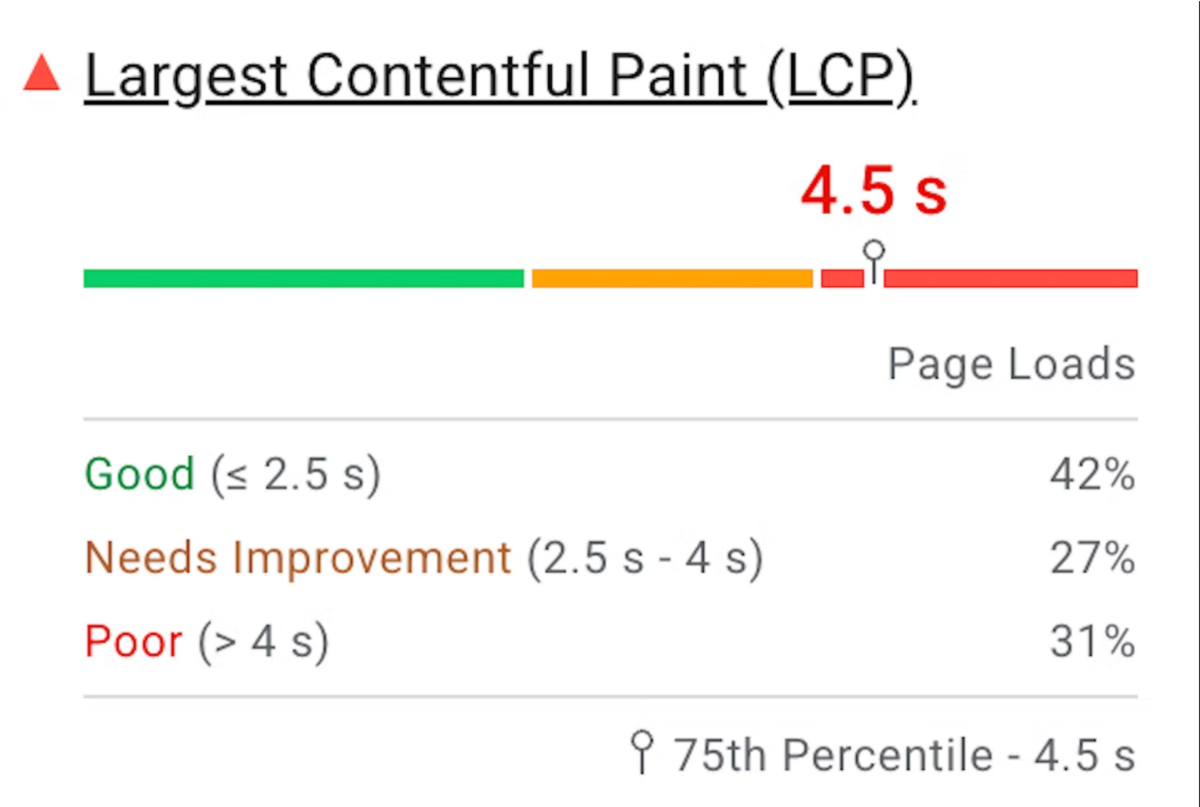
### [Why is CrUX data different from my RUM data?](https://web.dev/crux-and-rum-differences/)
|
| |
|
[Barry Pollard](https://twitter.com/tunetheweb)
|
|
Even speed monitoring tools that look the same on the surface *might* measure speed differently. Understand how common real user monitoring tools differ from Chrome User Experience Report (CrUX).
|
|
|
| |
|
 |
| |
|
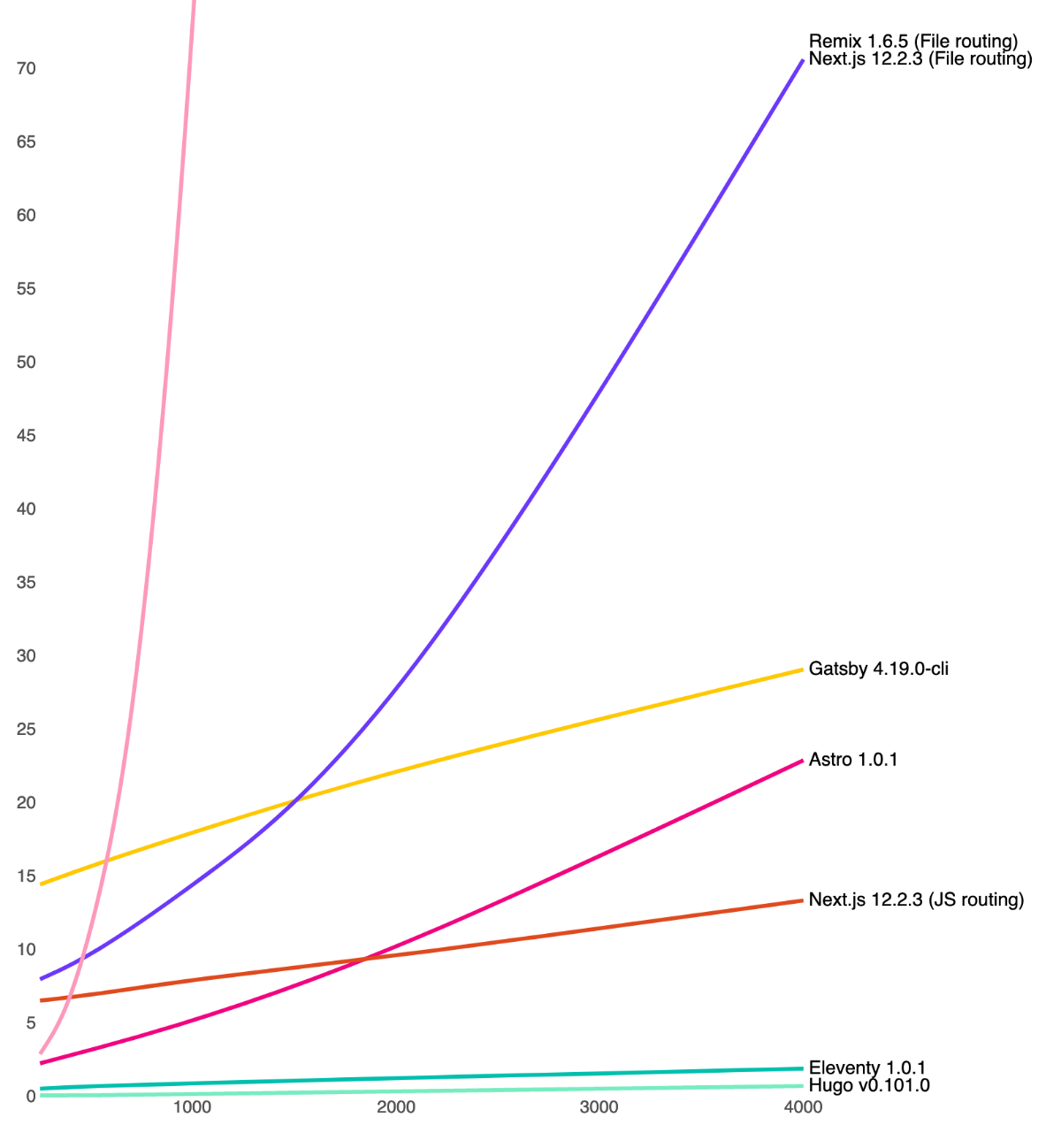
### [Which Generator builds Markdown the fastest?](https://www.zachleat.com/web/build-benchmark/)
|
| |
|
[Zach Leatherman](https://twitter.com/zachleat)
|
|
Markdown is a popular format for content authoring. While it seems simple, can it become slow to generate based on framework choice? Let’s find out!
|
|
|
| |
|
|
### [How to skew benchmarks in your favour](https://marvinh.dev/blog/benchmarks/)
|
| |
|
[Marvin Hagemeister](https://twitter.com/marvinhagemeist)
|
|
Benchmarking is not easy yet heavily popularised within the web performance space. When we benchmark, are we failing for common biases?
|
|
|
| |
|
|
|