
Bridging deficits as a form of selling
2026-05-17
How to bridge the courage deficit ?
Back again and writing on the act of selling software. This post is my exposition in trying to understand the mechanics I have seen in play over the course of last 1 year of software selling in legacy domains
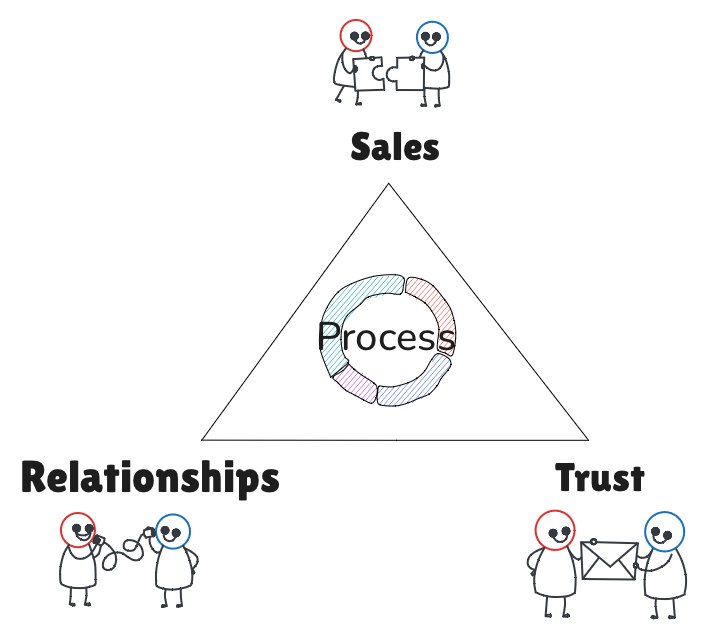
I have been unpacking different facets of sales across many issues in the past recent months. I wrote about the triad involved - sales, trust and relationships.
Selling like every other process comprises of art and science. I keep coming back to this handwritten screenshot of Kuldeep who is crazy good at selling entreprise software. It establishes that sales like operations has process and people.
We need to focus on the process more than people if we want to build a scalable and unifying customer sales approach. ….
Then I addressed product narratives which help in having exponential growth.
….I happened to meet many senior folks from my organisation and one of them asked me the question, “What will make the product grow exponentially? “
The question lived rent free in my mind for an entire month until I got to write this issue. The narrative engine at play needs to be unpacked and put into motion at my day job for us to see the exponential growth.
So, I and the team got on with building our narrative engine and started framing sales pitches in form on extending expertise to our prospects.
The key to expertise in logistics space is being aware that it is a trigger economy. We come into play when commerce takes place and are reliant on transactions requiring goods to move.
We are essentially a service provider looking to differentiate when the market forces our services to be commoditised. It is local in nature and for a company looking to move goods, it ties multiple such service providers together to make it happen.
The way we started having these conversations mimicked the lessons from Radical Candour book, be direct but care deeply.
To recap, when presented with a customer who is not willing to solve the problem because they don’t want to admit to the main problem. It’s best to approach with Radical Candour and offer remedies that would help them address the problem with you.
All of above ties together in the most recent update on Demand side sales.
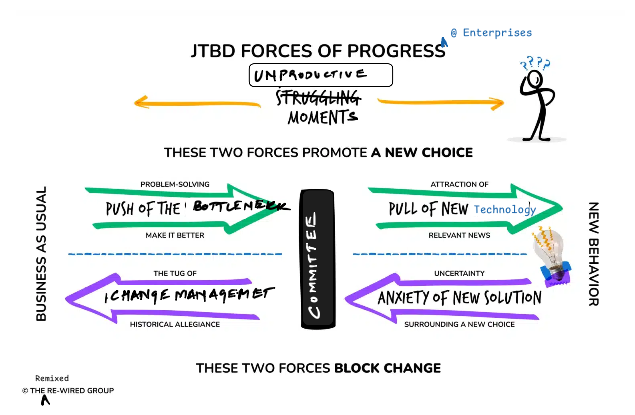
The framework says that a buying decision comes with two forces pushing towards progress and two forces pulling them and blocking the decision.
I went ahead and remixed it for an Enterprise version.
So far we identified the factors involved in selling, why narrative is important, the approach to adopt when selling and the framework of how customers might buy from demand side.
With all of this there is a level of risk involved in sales. Let us assume we hit each of these facets and have a prospect interested. We are still only bridging 2 of the 3 deficits that they will have.
What are the 3 deficits we need to bridge during a sale?
- Trust Deficit - Why trust us to deliver the promised progress or benefit?
- Expertise Deficit - Why your product or service is the one I should pick to enable my progress?
- Courage Deficit - How can I feel confident of being the champion for your product or service within my organisation?
The art part of selling in enterprise comes when the sales executive or representative navigates the trust gap both on an interpersonal level and organisation level.
Things like case studies and being an honest broker goes a long way in bridging the gap.
Expertise deficit is handled by framing the value proposition and understanding of domain during the sales process. If the prospect appreciates your view point even if they don’t agree with it. You have done your part in the process. Lend expertise by demoing software with solution experts who also provide their opinion that prospects may find valuable.
The last one, courage deficit can only be influenced but there is no tangible way of bridging it. It’s a decision the prospect needs to take and all we can do is provide them the resources to build the confidence to take that leap of faith.
There is no way one can convince them to buy a product or service when they lack courage to take a bet.
Tying it back to framework of demand side sales is the pull of change management. It is a costly and tough endeavour to take and if gone wrong, our champion might be booted off the job.
There are some lessons I witnessed in my anecdotal experience about bridging courage deficit.
- Don’t address this without first building trust and showcasing expertise. Often times, pre-mature addressing courage deficit results in prospect feeling we are not confident on our own offering.
- Contextualised the progress within their own environment. It may be by offering a trial, A/B testing, running an analysis or having them call an existing customer for reference check. Sometimes you may have to do all four of them as well.
On the second part lately though we have been accelerating this process by being consultative and demonstrating the end state within prospects context.
Products can essentially be broken down into two broad categories, data or workflow. Use data to sell a workflow and vice versa.
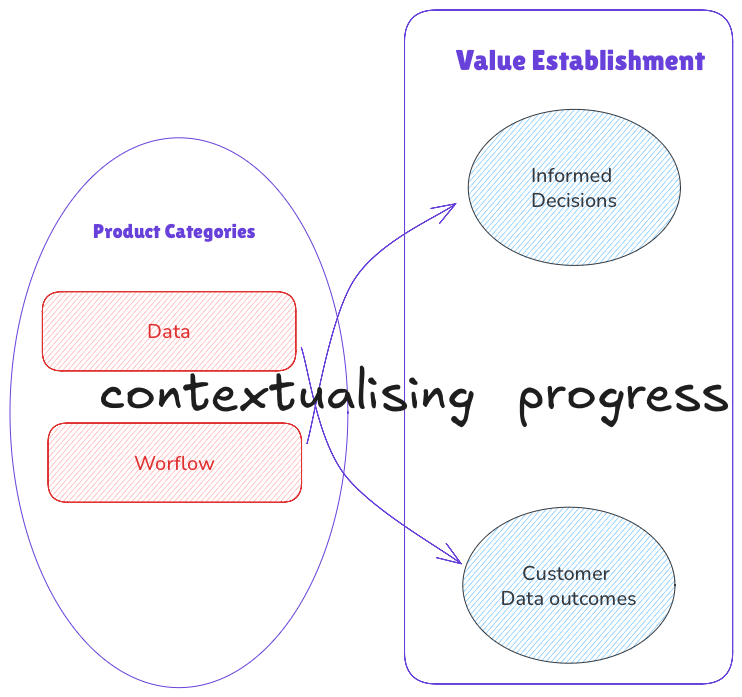 We are able to communicate what is the net value accrued when you make the leap of faith and commit to the required change management on their side. This helps when you are an established product but looking to increase the growth rate.
To tie it all up, whenever we had success. The team bridged all three deficits for the prospect. Enterprise selling is not all about relationships, it is where the process starts but there is more to the story than what dominant narrative claims.
Round up
Hooey /hoo͞′ē/: Phooey /foo͞′ē/
Lora Cecere of Supply Chain shaman takes a knife and plunges it into the hype of automation slop regurgitated by consultants for the AI age.
Figure 1. Chemical Industry Orbit Chart 2016-2026
Digital transformation — over-hyped and under-delivered — by consultants and technologists lacked a common definition and value proposition. For many, it was a reason to continue spending on ERP and APS initiatives, assuming that historical definitions of supply chain excellence were sufficient. The focus was on manufacturing efficiency and improving internal processes to make data more available. These were faster and more capable inside-out processes, assuming that the order represented demand. Companies with the strongest focus on digital transformation underperformed.
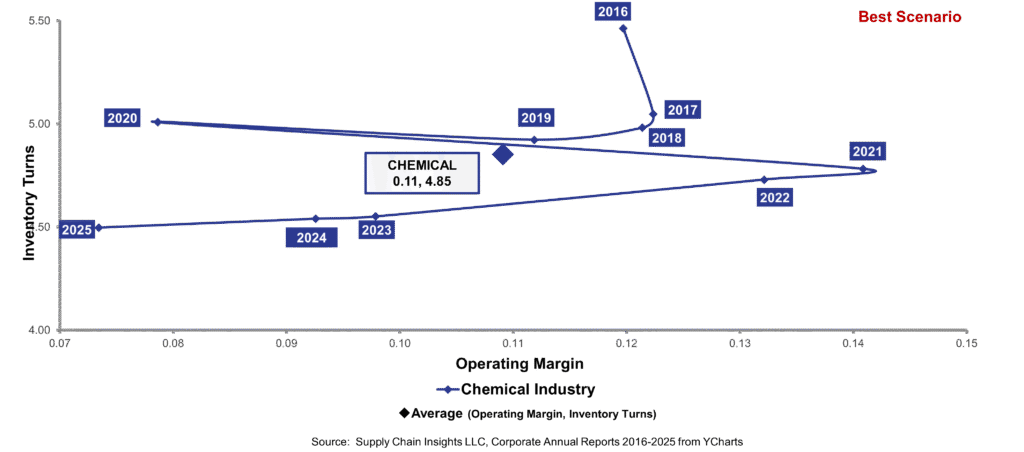
She tries to ask a simple question of what is value and why is it not automating traditional planning processes through AI.
If I were an enterprise, I will listen to her. New technology should help in changing the whole approach not just automating them.
Links that resonated
Greg writes a poignant note as a programmer who is witnessing his skill being replaced. I would definitely recommend reading it. It gave me a ton of empathy to what programmers might be experiencing.
This is niche post but tells you about data insight that could help analyse a player in the field like Tennis and compare them to others. No one looses their individuality but still knows where they stand. The whole charting project piqued my interest a year back.
Sign off
I know, this one is one of the longer ones. So, I will try to close it out without indulging in some therapy.
I was back at Denver for few meetings and recorded my best podcast as a host. I know I did just 1 before it but thats why I can say it confidently. It was a single take for 2 hours straight where we got a lot of great insights from one of the most underrated minds living in technology space, Jonah McIntire. Stay tuned for it.
We also mentioned in the recording that if anyone has questions, they can reach out to us and we will get on a 3rd one if we have many to address. Otherwise its a wrap for the time being.
Signing off till next time,
Vivek, jumping back on the travel circuit
Don't miss what's next. Subscribe to On the side:

