
Find Your Guy
We all have a Guy we want to be. Find Your Guy, then outgrow them

October 2026 Updates
Enterprise adoption of AI, permanent capital structures, Shakespeare
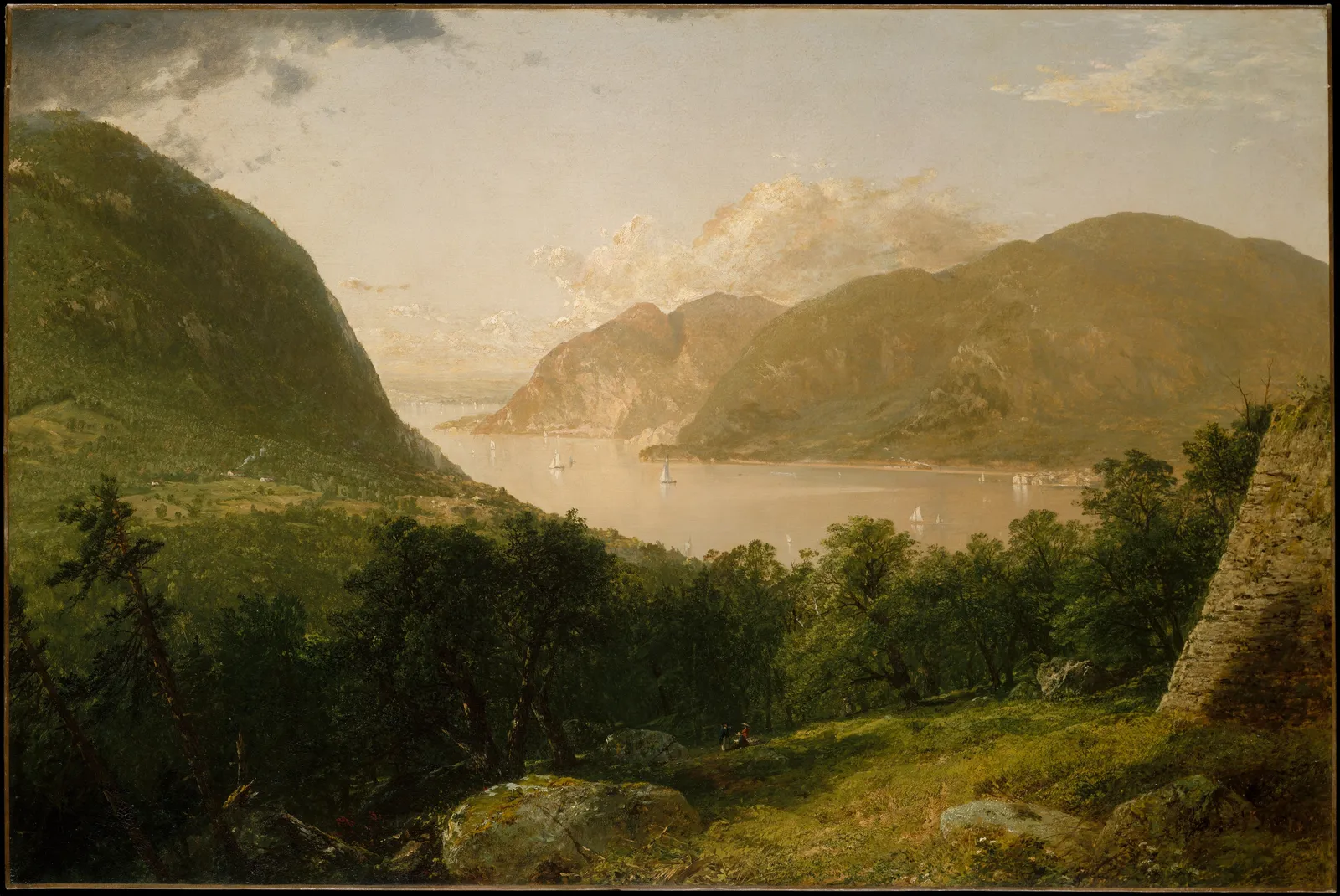
Earning Permanence: When to Have a Permanent Capital Structure
When should you start a permanent holding company, and what does that really mean?

The 88%, and the 12%: adopting AI
The 88 and the 12%, how enterprises fail to adopt AI

AI Deployment Surfaces: Why Enterprises Fail
Enterprises are failing not because of intelligence, but because of basic distribution

September 2026 Updates
A book on living well, Charlie Munger's last short sale, and why context is understanding.

The Twenty-Eight-Year Short: Right Early Is Indistinguishable from Wrong
In Warren Buffett's office hangs a piece of paper worth less than the nail holding it up: a Western Union stock certificate. "That's when Charlie and I quit short selling."

Everything is a Context Problem
Everything is a context issue

Third South: Framework We Built
Treating AI as a drop-in remote employee.

August 2026 Updates
Book ask, getting on the plane, blog posts about Charlie Munger and Transformer Engineers, and also Billion Dollar PDFs.

Transformer Engineers: Charlie Munger's First Deal Almost Broke Him
In 1953, Charlie Munger's first investment went from boom to broke in one year. It was the leveraged buyout that nearly cost him everything.

The Mistake Is in the Magnitude
Scale estimation remains elusive in a world where the crowd can decipher direction.

June 2026 Updates
June 2026 Updates
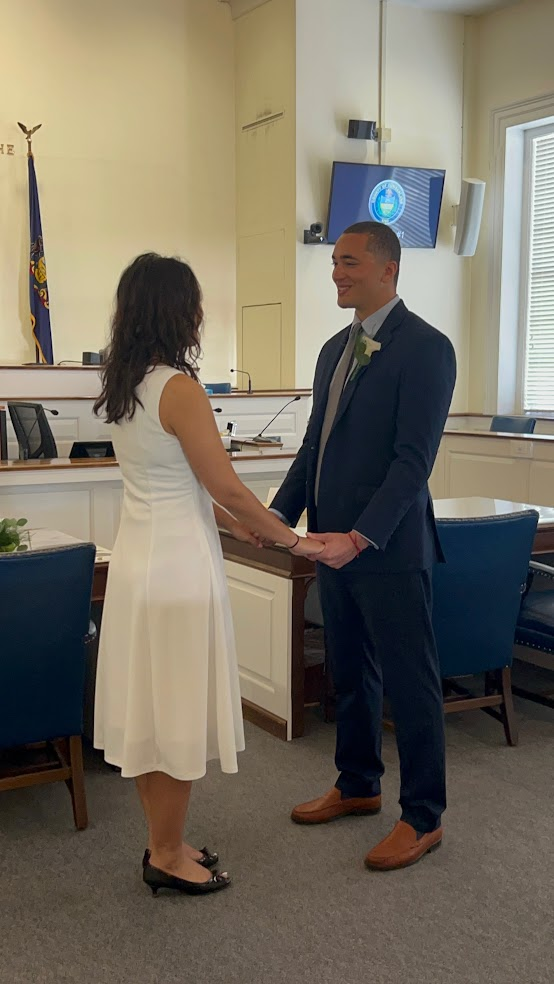
I got married
Married, Delaware, AI Consulting

March 2026 Updates
I got engaged, completed a full software rewrite, and wrote a few things

February 2026 Updates
Doing "Everything," Background Agents, and the 2025 Vendor Audit

January 2026 Updates
"Revamping EntryThingy, refining my writing process, embracing brevity, and sharing top reads!"

November 2025 Updates
Launched greatmemos.com, focused efforts on Third South Services, fixed bugs for ET V2, and shared new blog posts!

October 2025 Updates
Revisited family and friends, indulged in a book spree, shared insights from finished reads, expressed gripes with email hygiene, and gearing up for EntryThingy relaunch!

September 2025 Updates
Spent September revamping EntryThingy, settling in Carlisle and sharing my hiking adventure and writings.

