Issue № 21 - Manchester Science + Industry Museum
I spent two days digging through the British Linotype archives at Manchester's Science + Industry Museum — and a tease that 2027 will be the book’s big year.

Issue № 21 - Manchester Science + Industry Museum
This newsletter is the final of three newsletters about my summer 2026 research and this issue focuses on the British Linotype company and my two days at the Science + Industry Museum in Manchester, England.
A City of Red Bricks
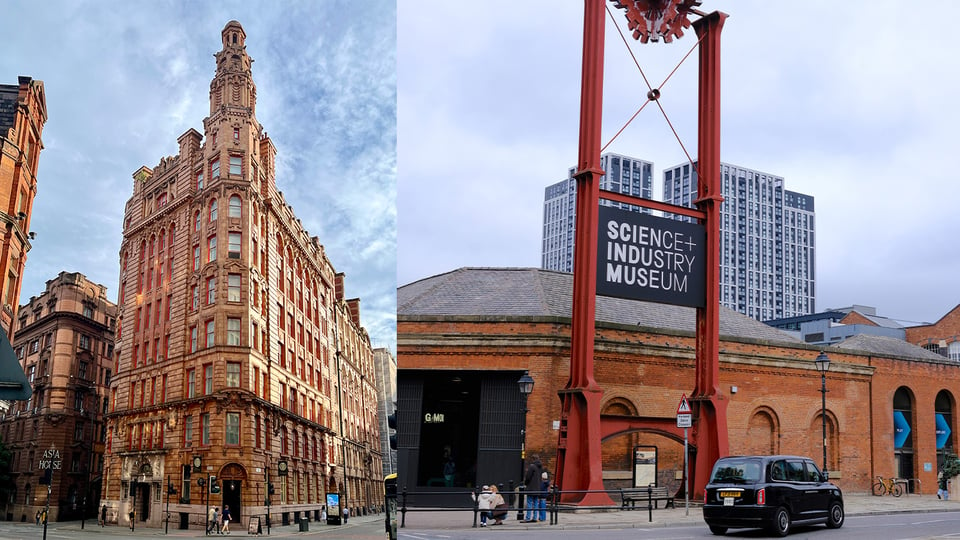
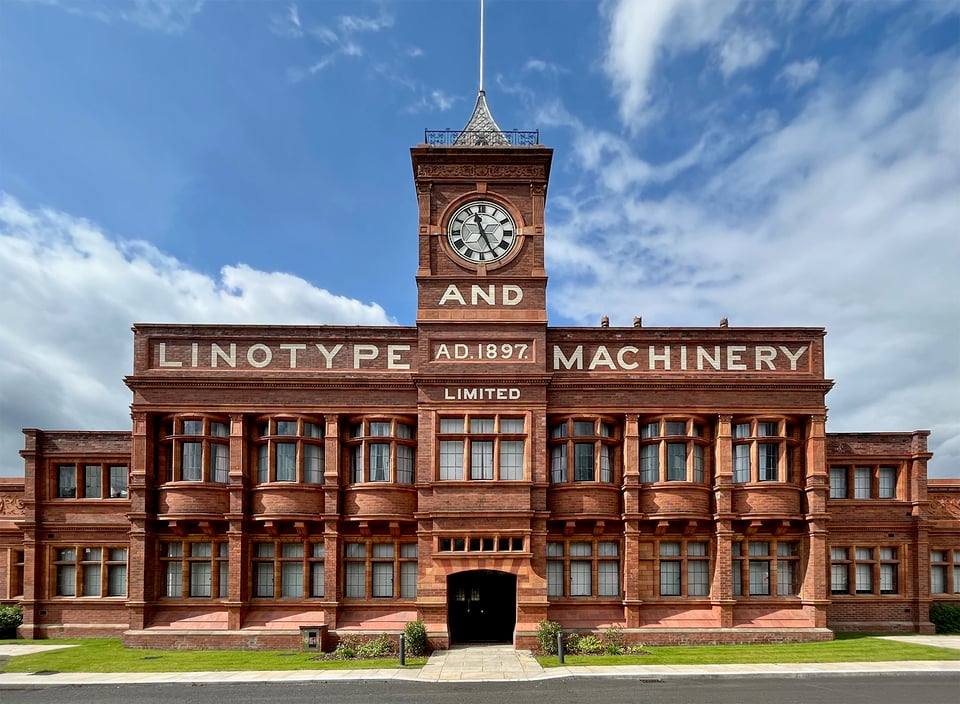
I flew from Zurich, Switzerland (covered in Issue № 19) to Manchester and took the train from the airport to the city centre. As I walked to my hotel, the first things that stood out to me were the ornate, beautiful, red-brick buildings. They were striking in the hot afternoon sun (I thought this was the rainy part of England?!) and instantly reminded me of my visit four years ago to the Linotype & Machinery factory building outside of Manchester in the town of Altrincham.
Something clicks inside my head: now the L&M factory building makes perfect sense! This is precisely the style of building that was built during the explosion of industry in Manchester at the end of the 19th century. Of course the Linotype factory would have been built in the Manchester area and of course it would be made of those bricks, in that style.
The following day, I met a lovely older gentleman researching alongside me named Phil, who grew up in Manchester. When I asked him about all those red-brick buildings everywhere, he instantly corrected me, “When I was a kid, those buildings weren’t red; they were all black! As a kid I asked my dad why they were all black and he told me they were red underneath and I didn’t believe him.”
And yet again, of course the buildings were covered in smoke and soot and years of accumulated industrial emissions expelled by the many smokestacks from the mills, steam plants, and factories of greater Manchester.
The L&M Archives
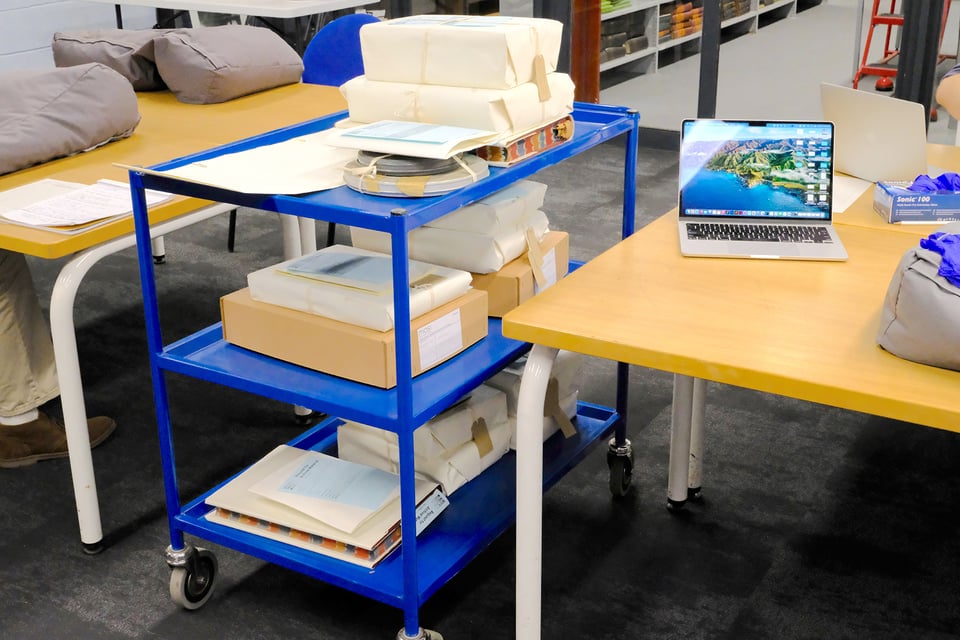
I don’t yet know the full story of when the L&M factory shut down and what happened to the machines and materials, but I get the impression that the buildings were shuttered and most everything besides the machinery was just left behind locked doors.
What I do know is that in 1997, the L&M company archives were donated to the Science + Industry Museum in Manchester. I won’t link to the (slightly notorious) scrap seller who has spent the past ten years piecing out many of the type office drawings of typefaces from the L&M factory and instead I’ll link to the Letterform Archive’s negotiated collection that they saved in 2017.
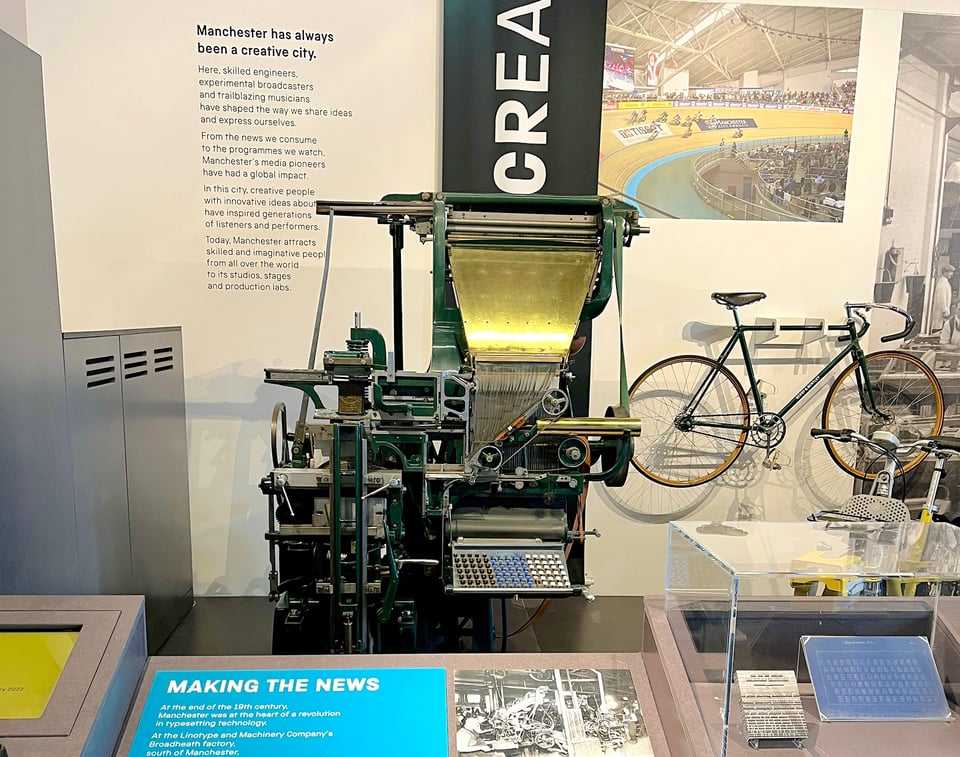
The MSI does not contain any of those type drawings (since the scrap dealer obviously got them whilst clearing out the building for redevelopment) but it does hold many records of board meetings, machine order ledgers, marketing materials, and much more from the British company.
I’ve already found a great deal of L&M material in my visits to St. Bride Library but of course, I knew they didn’t have everything, and thus my visit to the museum, to make sure I leave no stone unturned.
Long Lead Times and Giant PDFs
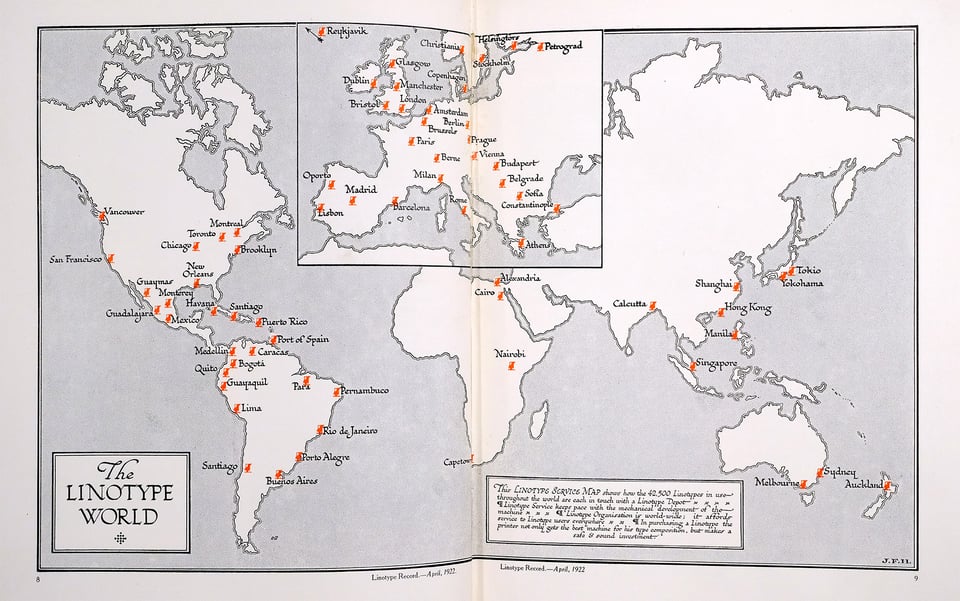
The starting point of this research trip was many months ago. As I said in a previous newsletter, this trip started after Titus Nemeth told me it was worth visiting the MSI archive if I wanted to get a better understanding of the British side of the company. My first email to the museum was back in March and I was sent a “preliminary finding aid” which was an over-500-page PDF with only very basic information on the collection. How on earth could I process so many pages with such a small amount of detailed information?
Now, I have a whole bunch of issues with AI and LLMs, but this is an area where I used it in a very specific and very helpful way: having Claude ingest the whole document and create a summary of the collection. With this, I was able to get a handle on what the L&M collection contained and what I needed to request for my visit.
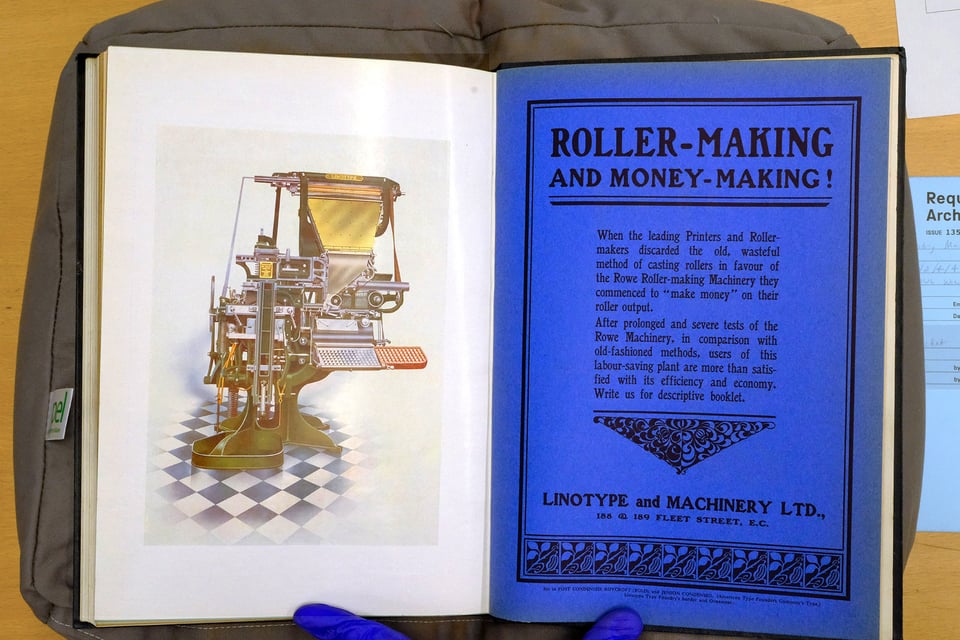
At my latest count, this is the 17th location that I have visited and by this point, I have a pretty good idea of the time required to get through stacks and stacks of books, correspondence, and advertising. I figured that two days was just enough to get through it all. And I’m proud to say: I just made it. 💅
My Favourite Finds
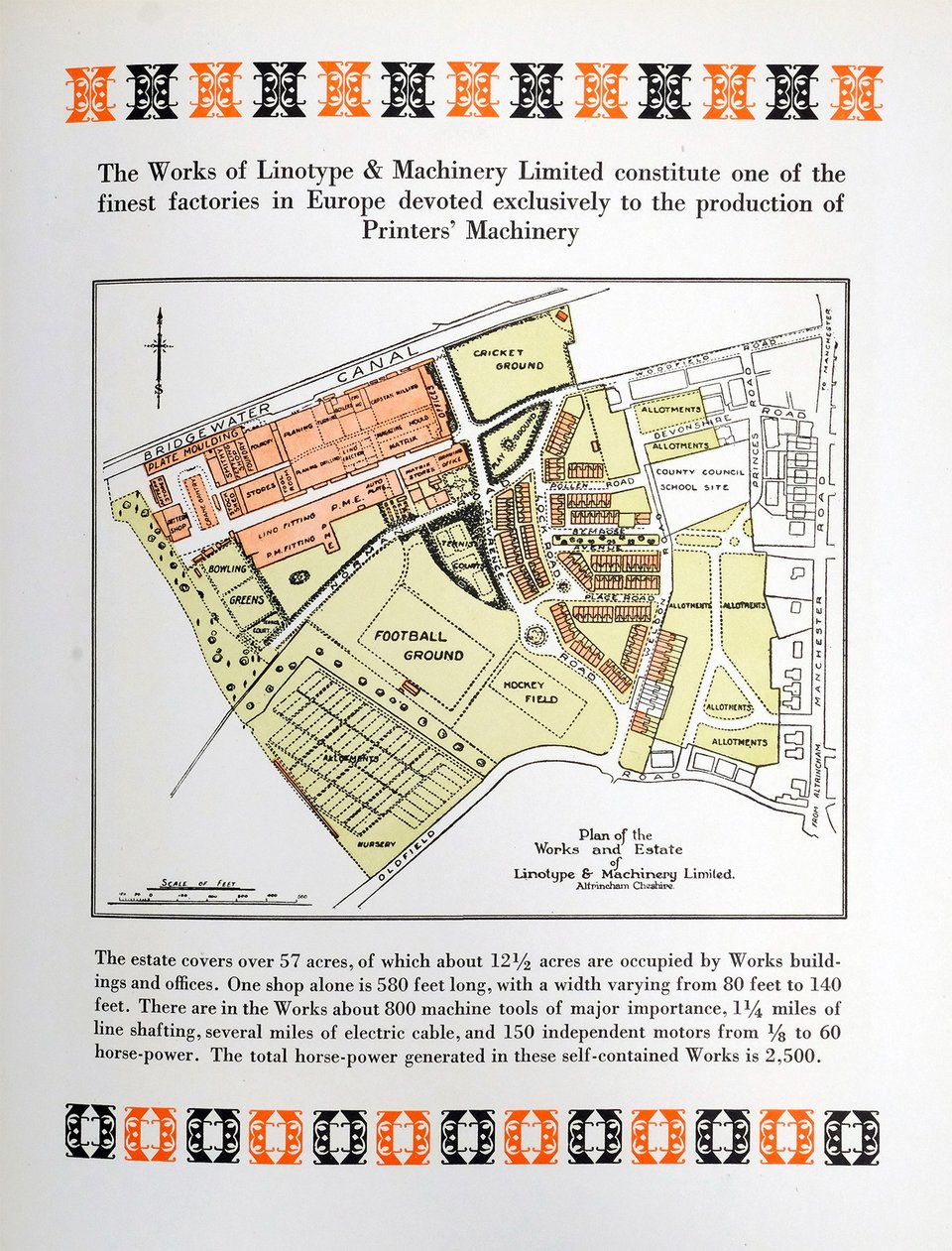
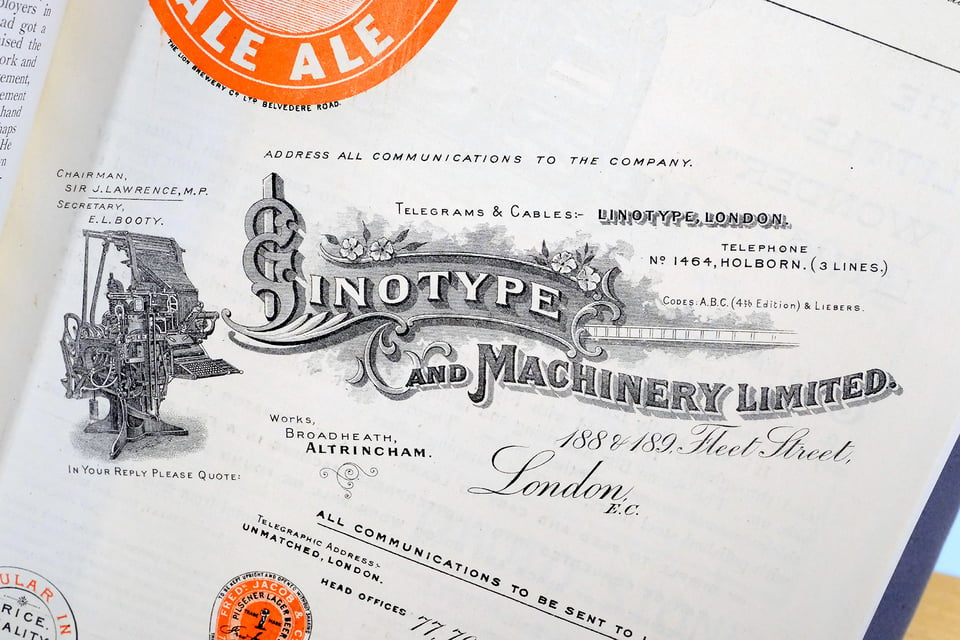
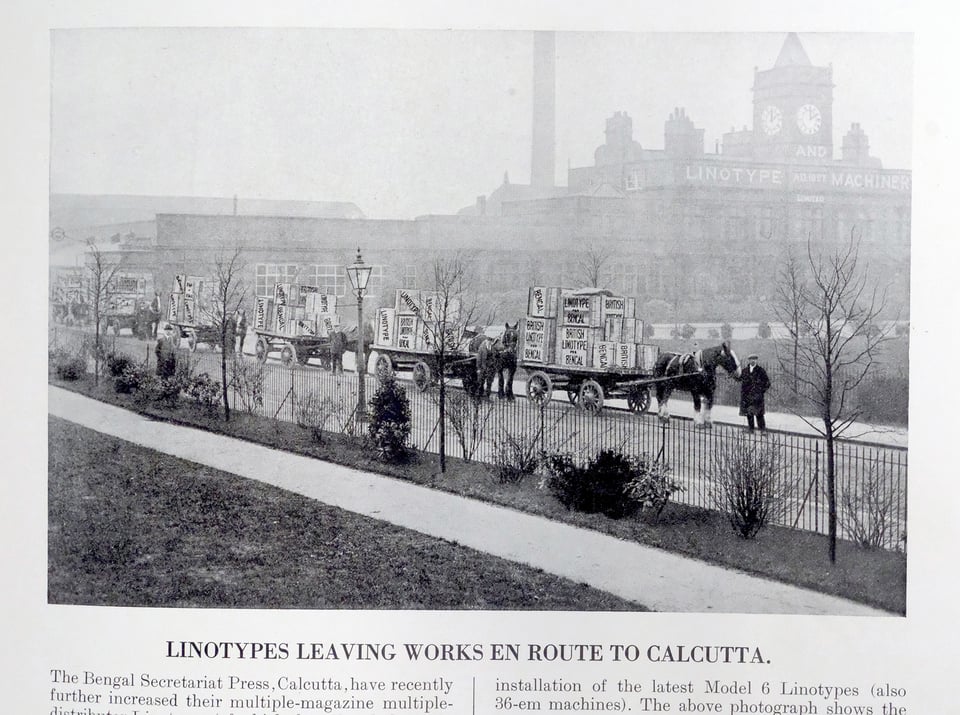
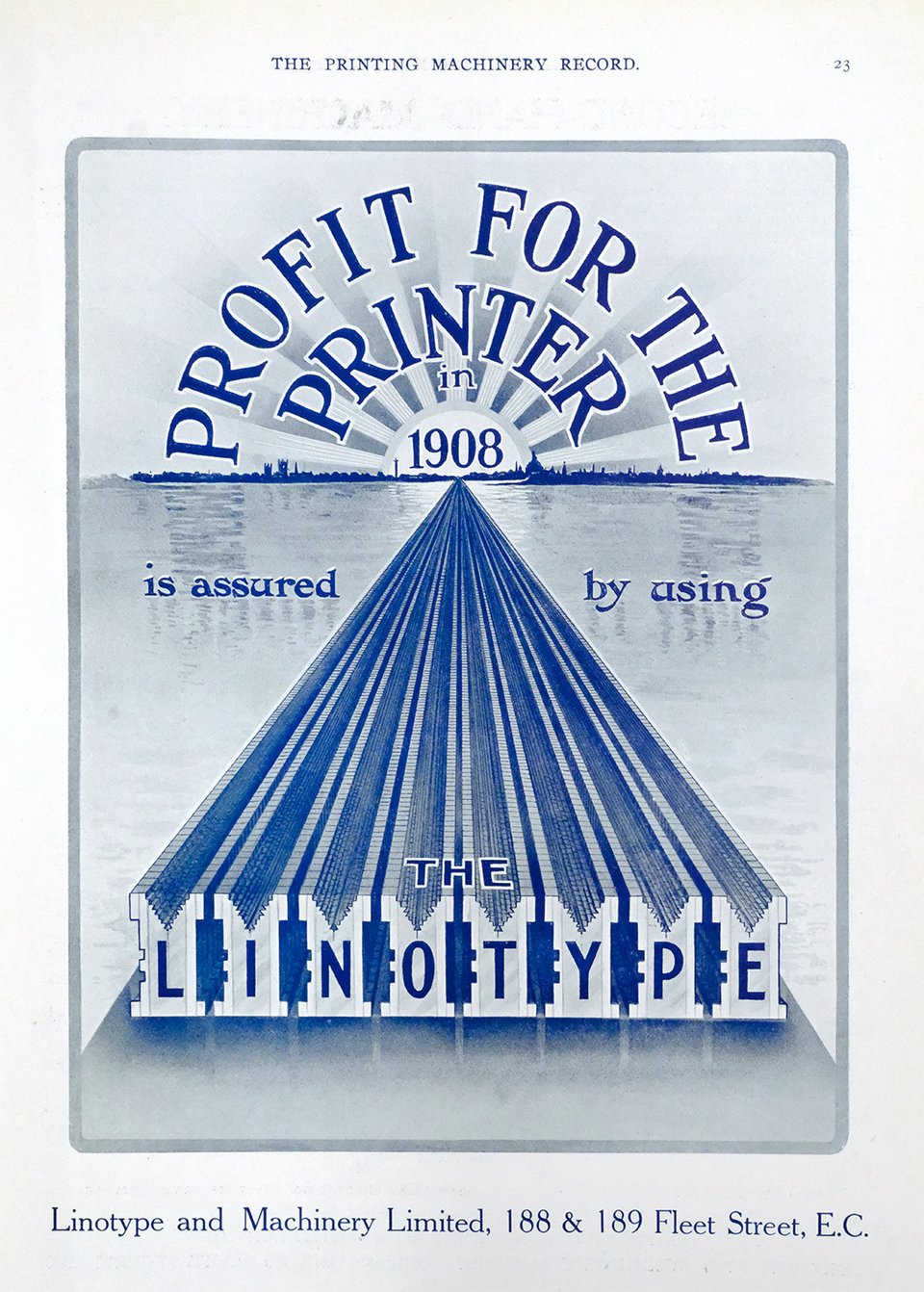
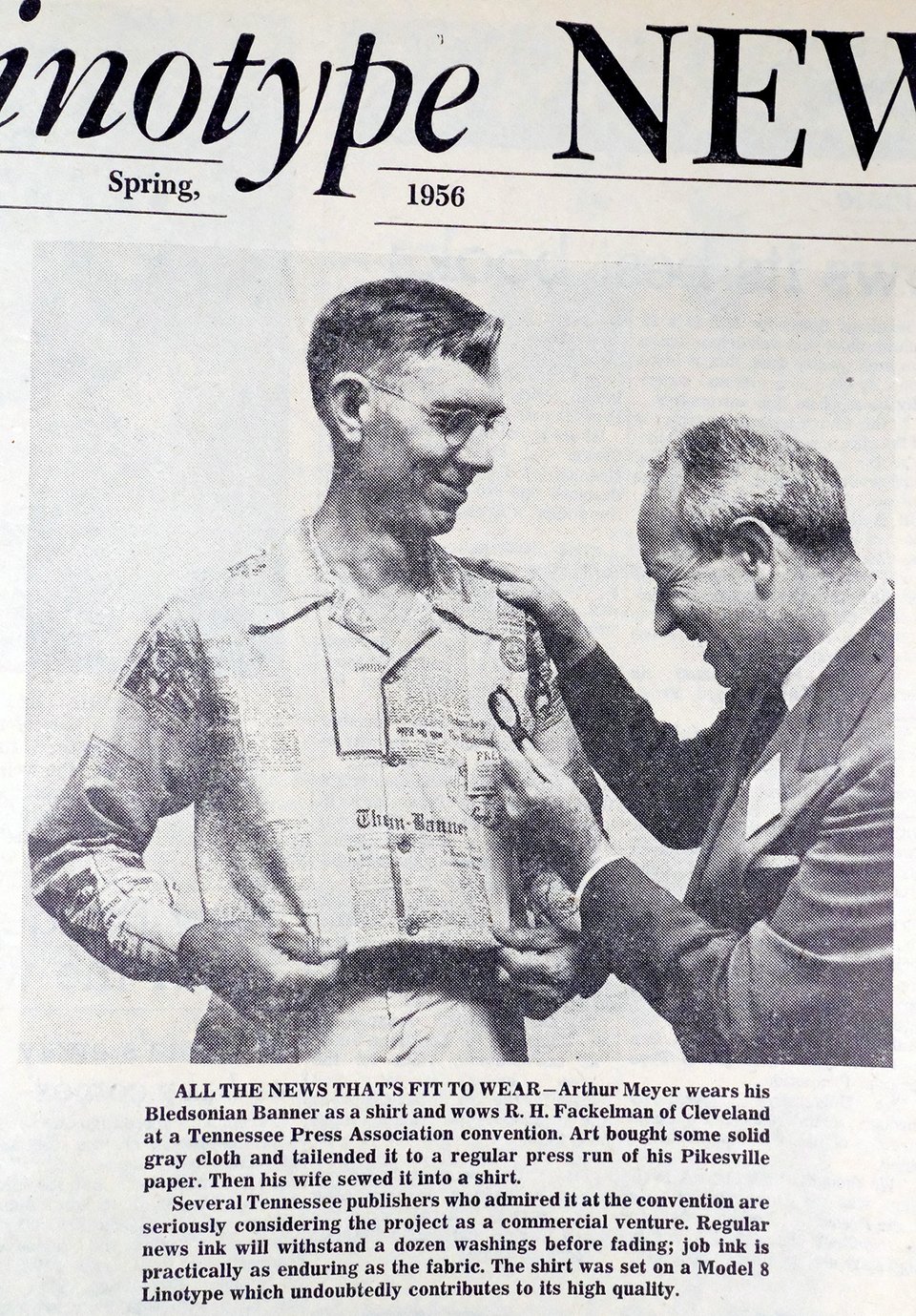
Let’s be honest: you’re here for the pretty pictures, so here are a bunch of things that caught my eye as I dug through the collection.
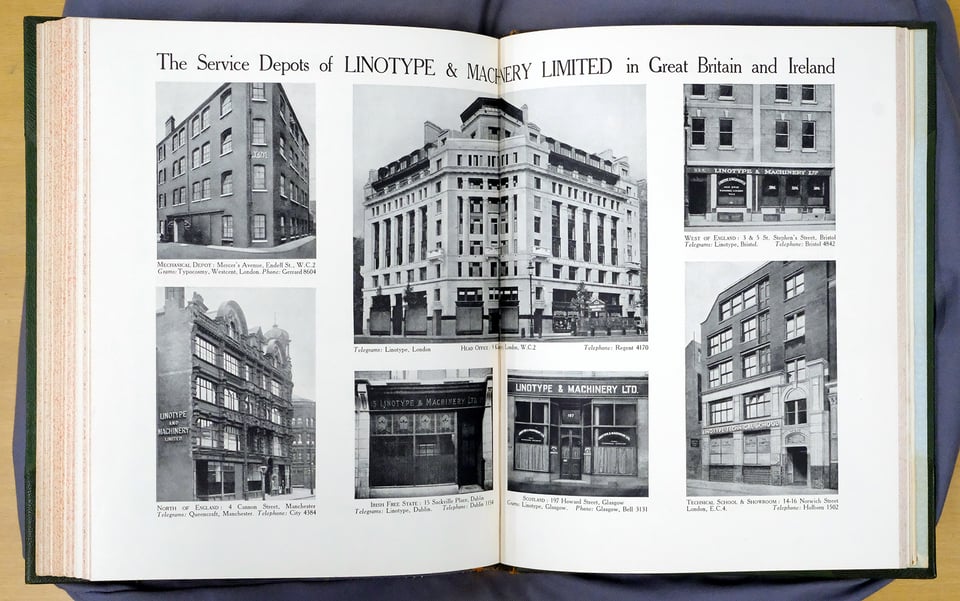
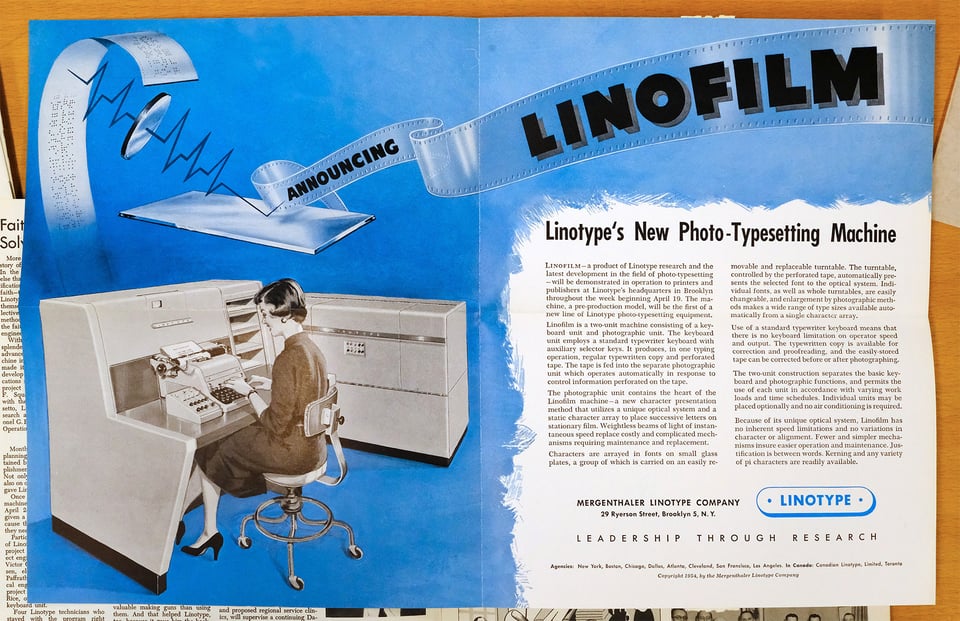
The Preservation of Fire
Recently, I was reading an article in Wallpaper* Magazine about Tbilisi, Georgia, and in the story was a quote often attributed to the 19th-century composer Gustav Mahler, which says:
“Tradition is not the worship of ashes, but the preservation of fire.”
And that struck me as true. I often worry that people see me only as “the guy who loves old things” rather than as “the guy who understands how we got from scribes in monasteries to variable fonts on the web and why those transitions and revolutions matter today.”
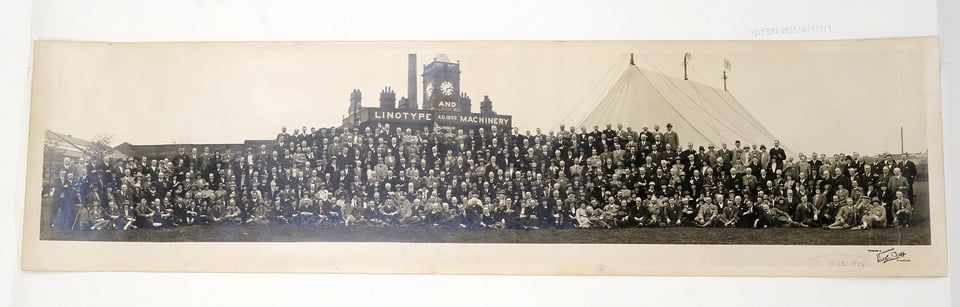
When I write about the Linotype, or the International Typographical Union, or early desktop publishing, I’m not worshipping “the good old days,” but saying, “This isn’t the first time we’ve come up against this problem, and let me tell you how the people before us navigated it.”
Background Movement
As we wrap up the year 2026, there is so much happening with my book in the background that only I know about. I’m tracking my daily writing, I’m speaking with publishers, I’m scheming about design, I’ve got a custom typeface in the works, and I’m wading through my research from the past 3.5 years.
All this is to say: 2027 will be a very big year for me and the book, and I will be sharing much more early next year.
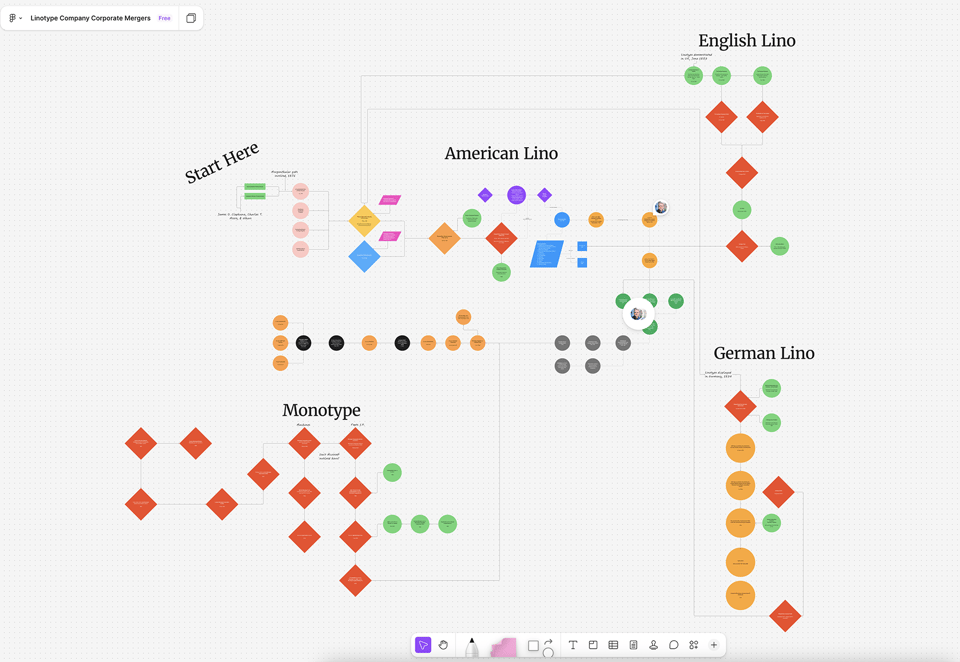
For all of you who have paid attention, given me money, or simply asked me, “Hey Doug, how is the book coming along?” — I greatly appreciate your interest. There are days when I second-guess everything and there are days when I am so excited I can barely sit still. All of you keep me on track through those big ups and downs.
So much more to come,

Doug

