
What if fewer choices meant more sales?
Plus: the psychology behind why simplified product pages actually convert better →

Well, hello, and welcome to this week's edition of the eCommercer.
One assumption that is easy to make is that more options lead to a better customer experience. More SKUs, more pack sizes, more flavours, more ways to buy. The logic seems sound. Give people what they want by giving them everything.
But what if the opposite is true? What if the brands winning on conversion aren't the ones offering more SKUs, but the ones brave enough to offer less?
This week’s podcast challenges how we think about product pages, subscription design, and the quiet power of simplification. And we’ve pulled out an episode from the archives that explains the psychology behind why this approach actually works.
Have a great week, wherever you are in the world.
Until next time,
This Week's Episode of the eCommerce Podcast →
From Zero to 5,000 Subscribers by Doing Less, Not More
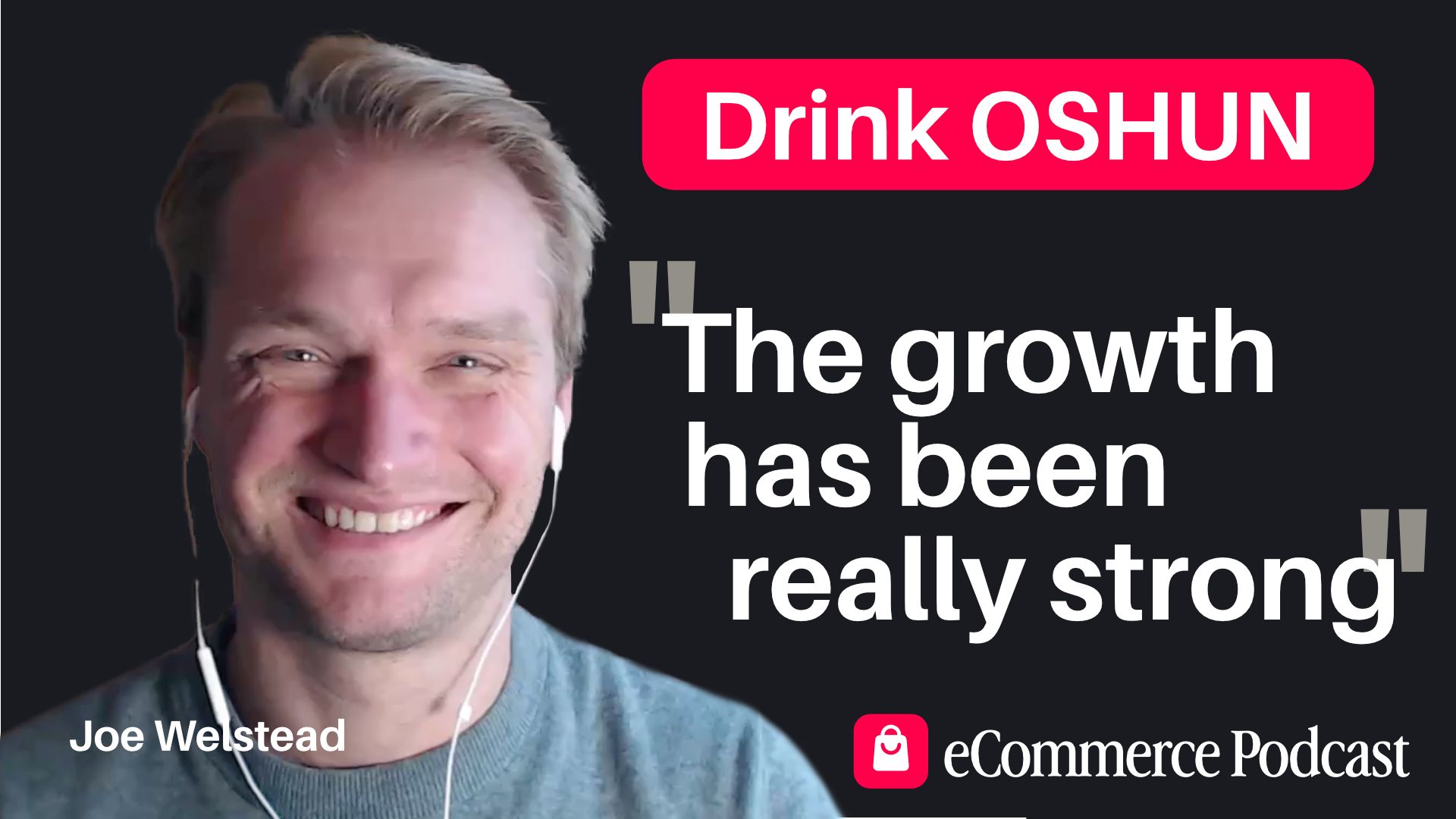
Joe built OSHUN, an electrolyte brand, from zero to over 5,000 subscribers in just ten months. His subscription signup rate sits at 42%. His conversion rate hovers around 5%. And he did it by deliberately stripping things back.
One product instead of twelve. No quantity selector on the product page. Decisions spread across the customer journey rather than dumped on people all at once.
Normally, when you land on a product page, you're hit with pack size, frequency, flavour, quantity — all before you've even committed to wanting the thing. Joe’s approach is different.
"We don't even have a quantity selector," Joe explains. "You're either going to click subscribe and add to cart, or buy once and add to cart. That's it."
The additional decisions happen later, in bite-sized pieces, once someone has already said yes to the product itself.
There's a deeper philosophy here, too. Joe isn't relying on retention gimmicks to keep subscribers around. No loyalty points. No increasingly desperate win-back campaigns. Just a product that works.
"We're not in the game of providing gimmicks to keep people roped in," he told me. "We have a really good product. If you feel the benefits, you're going to be happy with a little bit of money going out every month towards refilling it."
It's the difference between building a leaky bucket and constantly trying to plug holes, versus building something people genuinely want to keep using.
Joe's Links:
Company: Drink OSHUN → https://drinkoshun.co
LinkedIn: https://www.linkedin.com/in/joewelstead/
Related Episode →
The Science Behind Why This Works
This connects to something Valon Xhafa shared previously that I keep coming back to. Valon's an AI scientist who spent years studying cart abandonment, and his research explains exactly why Joe's stripped-back approach converts so well.
"The more options you have to choose from, the harder it is to make a decision," Valon explained. He calls these moments "confusion points" — places in the customer journey where people freeze up and defer the decision entirely.
Here's the counterintuitive finding: after a certain number of products in the cart, purchase probability actually decreases. Customers aren't collecting items to buy. They're procrastinating on the decision itself. The cart becomes a wishlist by default.
Most brands respond to abandonment by trying to recover lost sales through emails and retargeting. Valon's point is that the real opportunity lies in prevention — removing the friction that causes abandonment in the first place.
Which is precisely what Joe has done with OSHUN. By spreading decisions across the journey rather than front-loading them, he's eliminated the confusion points before they occur.
Freebie of the Month →
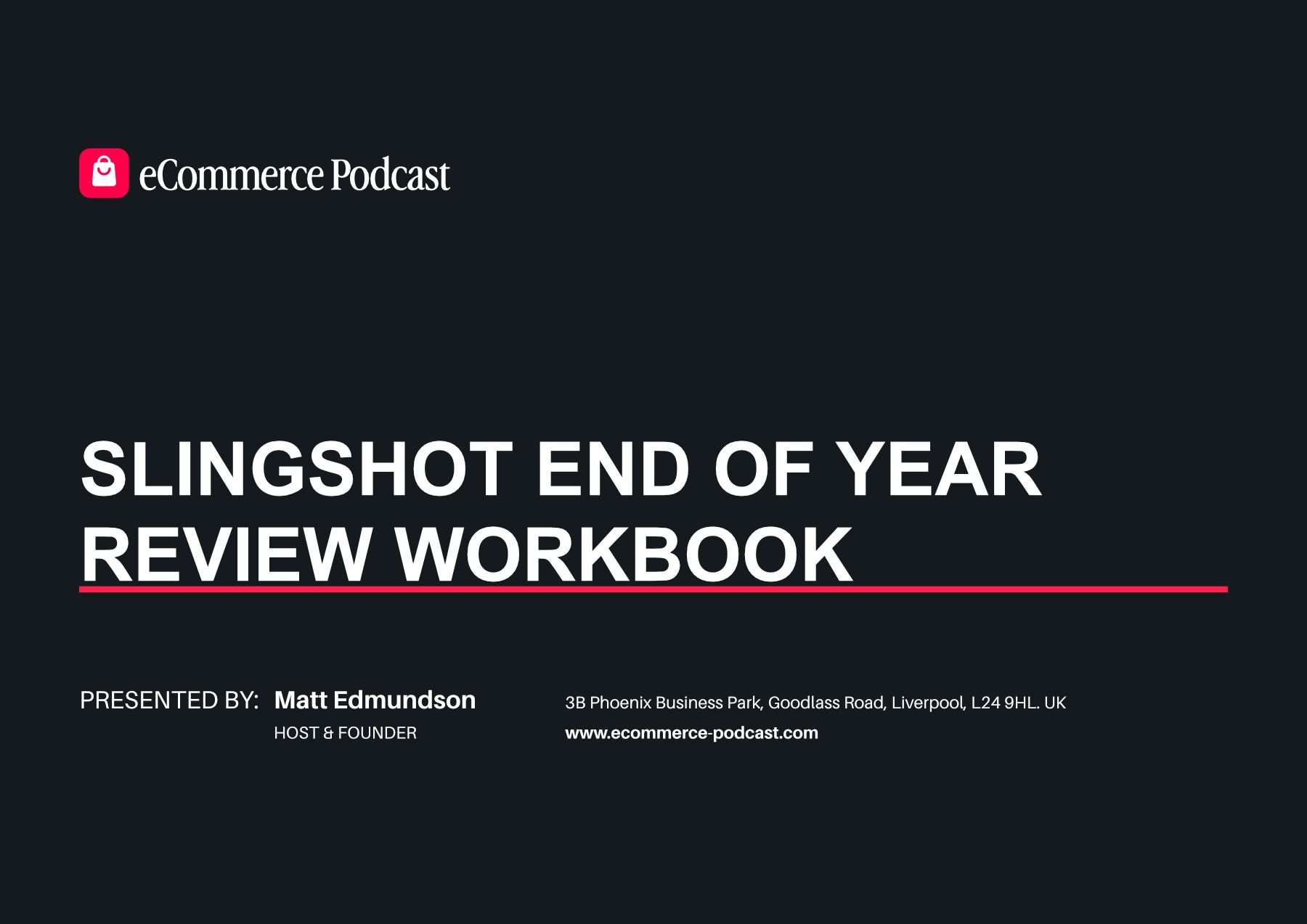
I've put together a complete workbook that walks you through all seven areas of the Slingshot framework — with specific questions, metrics to track, and space to capture your lessons and goals.
It's designed to take about half a day. Block the time. Treat it like a board meeting with yourself.
Be A Guest →
Got an eCommerce business with stories worth sharing?
Come be my guest on the eCommerce Podcast, where I chat with founders about the wins, the disasters, and everything in between. Your story could be the one that helps another founder grow smarter (or avoid your mistakes).