
The problem isn't usually the problem
25% of chargebacks hit transactions you've already refunded. Here's why →

Well, hello, and welcome to this week's edition of the eCommercer.
How many of us spend too much energy trying to eliminate problems when the real issue is actually how those problems get resolved?
A refund policy isn't the problem. The experience of getting a refund is. A delivery delay isn't the problem. The feeling of being left in the dark is.
This week's podcast with Jeff Foster is another one of those great conversations that connected to something I learned from Vance Morris a while back about how Disney thinks about queues. Different contexts, same insight.
Have a great week, wherever you are in the world.
Until next time,
This Week's Episode of the eCommerce Podcast →
Why Fighting Chargebacks Might Be Costing You More Than Accepting Them
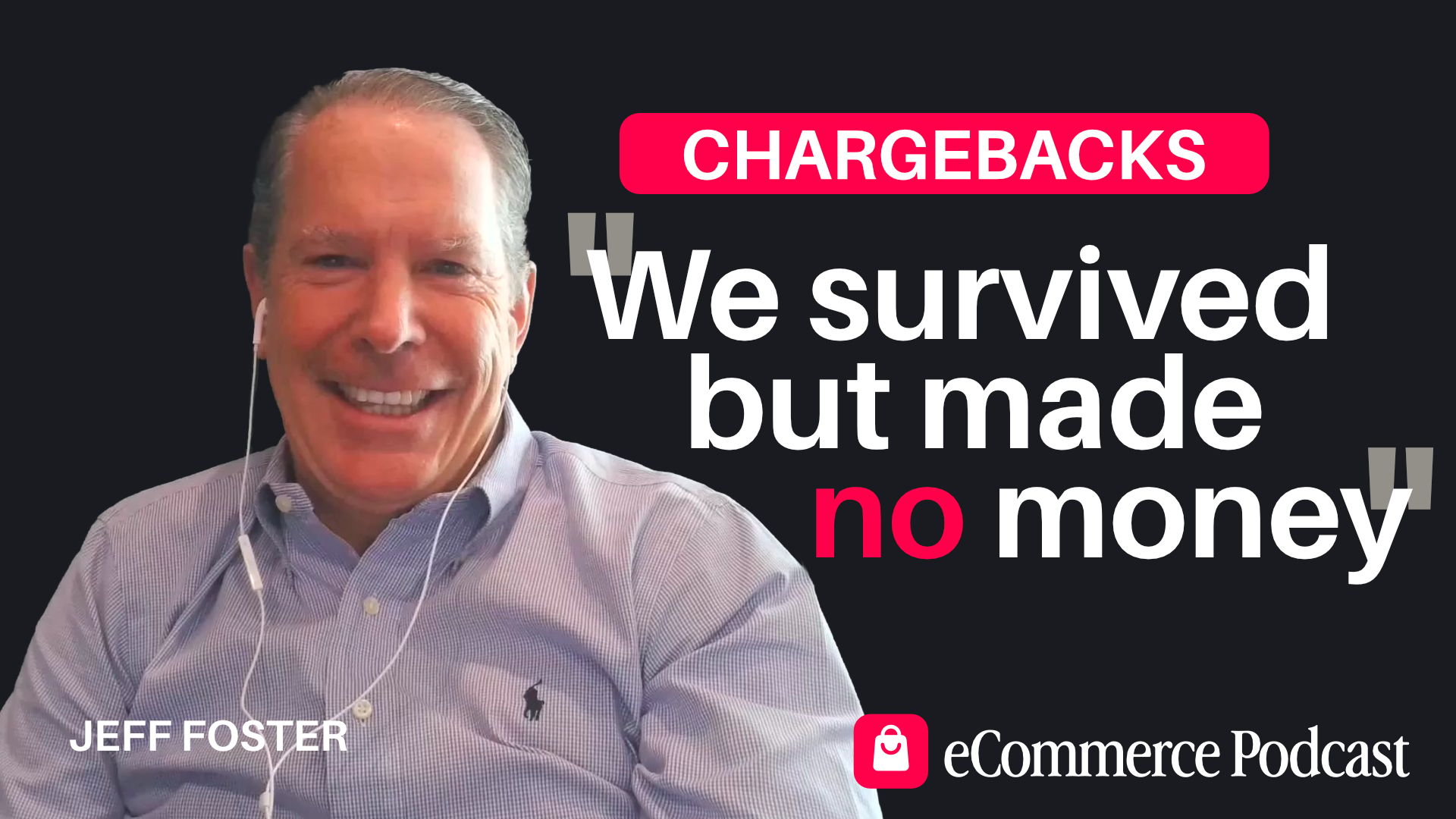
Jeff Foster has been in payments since 1998. He processed the first-ever CVV transaction. The first Verified by Visa transaction. He's seen every flavour of merchant problem, and his take on chargebacks completely flipped how I think about them.
For example, around 25% of chargebacks are issued for transactions the merchant has already refunded. The customer got their money back. But they still went to their bank. Why? Because getting the refund felt harder than tapping a button in their banking app.
"Imagine your bank threatening to shut your business down because only 98% of your customers were perfectly happy," Jeff told me. "Imagine if a politician had to deal with those stats. Every elected official would be gone their first week."
The threshold for acceptable chargebacks was 3.5%. Then it dropped to 1%. Now it's heading towards 0.5%. And the costs cascade quickly. A $25 product can generate $75 in fees and fines. Cross certain thresholds, and you're not just paying penalties - you're losing the ability to process cards entirely.
Jeff's advice runs counter to the instinct most of us have. Don't fight harder. Make refunds so frictionless that customers never even think to call their bank. Overcommunicate through the process. Resolve things before frustration builds.
It feels like surrendering. But the maths says otherwise.
Jeff's Links:
Company: Quick Refund → https://getquickrefund.com
Email: [email protected]
Related Episode →
What Disney Learned About Problems You Can't Solve
This connects to something Vance Morris shared on the podcast, too.
Disney realised they couldn't make the queues shorter. An hour wait for a popular ride was just reality. So instead of fighting that, they changed how the wait felt. Entertainment. Storytelling. Interactive elements. Same queue. Completely different experience.
The lesson translates directly to eCommerce. The gap between order and delivery is your queue. You can't eliminate it. But you can turn dead time into engagement.
And when something goes wrong, which it will, the experience of resolving it matters more than the resolution itself. A customer who gets a refund but feels like they had to fight for it will remember the fight. A customer who gets the same refund with zero friction will remember the ease.
Jeff's chargeback data proves the point. The refund happened. The customer still went to their bank. The problem was solved, but the experience of solving it wasn't.
Freebie of the Month →
Most ecommerce product descriptions either rank but bore people to tears, or read beautifully but never get found. The STORY-SEO Framework solves both problems at once. This free guide includes the complete method for writing product descriptions that rank on Google AND stick in memory, a step-by-step walkthrough with a real product example, an AI prompt you can use immediately, two real before-and-after case studies from a live ecommerce site, plus a gift product adaptation (the THEM Method) for anyone selling products people buy for others.
Be A Guest →
Got an eCommerce business with stories worth sharing?
Come be my guest on the eCommerce Podcast, where I chat with founders about the wins, the disasters, and everything in between. Your story could be the one that helps another founder grow smarter (or avoid your mistakes).