
The Dead Internet Almanac Dispatch: Week of August 10
Weekly dispatch from The Dead Internet Almanac
The Dead Internet Almanac Dispatch: Week of August 10
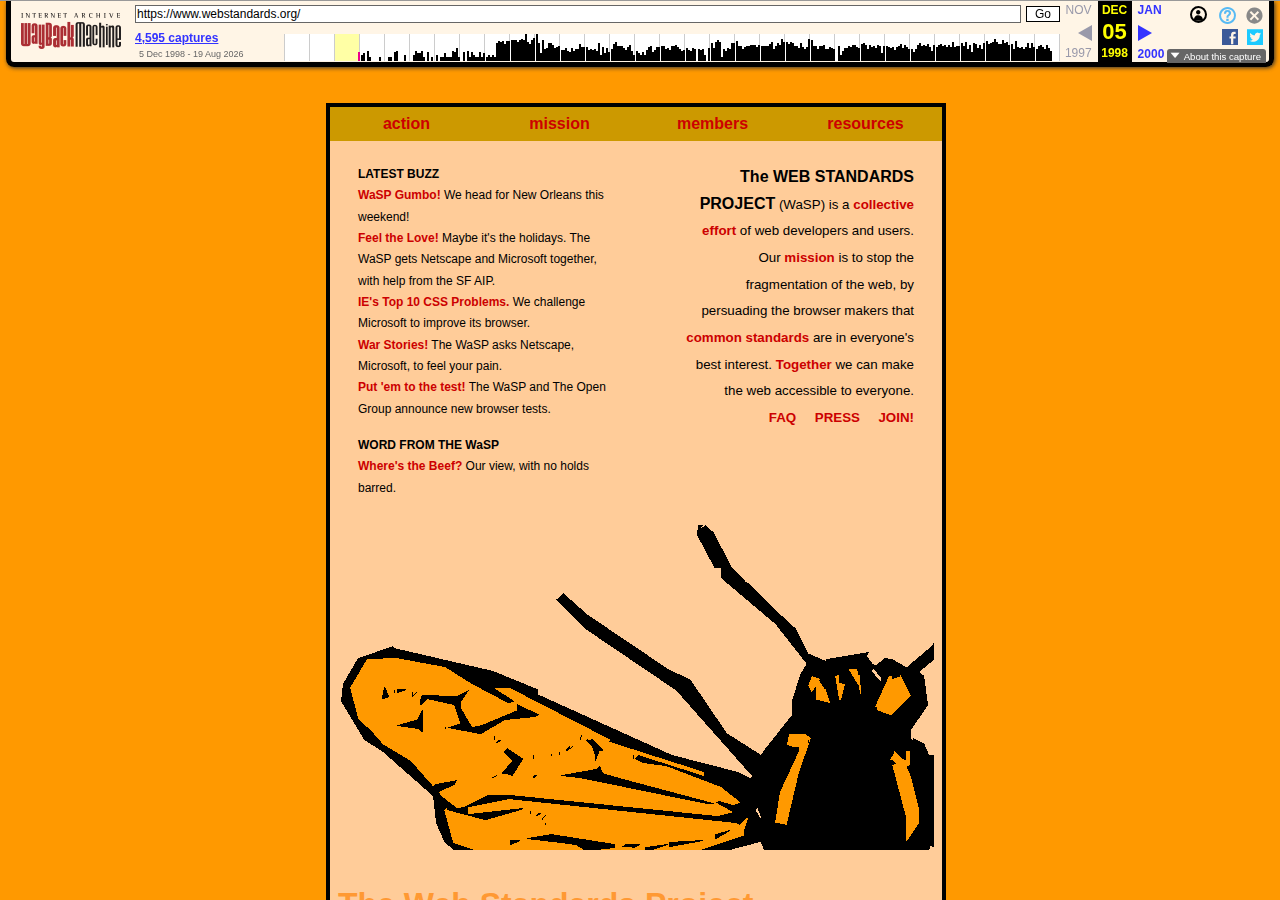
This week had the texture of machines becoming too common to stay mysterious. One story follows web workers who got tired of building the same page twice for dueling browsers. Another follows a Windows worm that turned home broadband into a public health problem with a countdown box on the desktop. Between them is a small reminder: the old web was not only made of pages and protocols. It was made of people improvising standards, patches, warning pages, workarounds, and tiny acts of repair because the infrastructure around them had not yet learned how to behave.
Start Here
🧩 A Wasp Nest in the Browser War
Start with the browser-war piece. It is the cleanest entry point for the week: designers and developers organizing in public because Internet Explorer, Netscape, and the standards process were turning ordinary web work into a compatibility maze. The Web Standards Project story is not just about HTML and CSS. It is about the moment the people building the web had to become its immune system.
Also in the Almanac
🦠 August 11: The Countdown on the XP Desktop
Blaster made the vulnerability visible. A remote procedure call flaw became a reboot timer, a support call, a campus problem, a home-computer panic, and a reminder that always-on Windows machines had quietly joined the weather system of the internet.
Now in Audio
🏰 July 28: A Castle in a Browser Tab Listen instead: Podcast episode
📻 August 3: Radio Shack Sold the Future in a Mall Listen instead: Podcast episode
From the Cache
- The Hackers Movie Page turns up as the kind of early film shrine that made fandom searchable before social platforms flattened it into feeds.
- PC-DOS and MS-DOS sit in the shadow of the IBM PC launch, a text-command layer that made a small software company central to the cloneable desktop world.
- Fat Princess belongs to the late-2000s PlayStation Network moment when downloadable console games still felt odd, compact, and experimental.
On the Desk
A database disappears so completely into browsers, phones, apps, and caches that its real monument may be the files nobody opens by hand.
A volunteer attic of old browsers keeps the web's incompatible past downloadable, from Mosaic and Lynx to the strange edges of evolt preservation.
An email worm turns ordinary subject lines into weather, with Sobig-style familiarity doing as much damage as the attachment itself.
A content-delivery layer and a Flash fighting game pull in opposite directions: one invisible enough to become infrastructure, the other handmade enough to feel impossible now.
Forward this to one person who remembers when the web felt handmade.