
The Dead Internet Almanac Dispatch: Week of August 17
Weekly dispatch from The Dead Internet Almanac
The Dead Internet Almanac Dispatch: Week of August 17
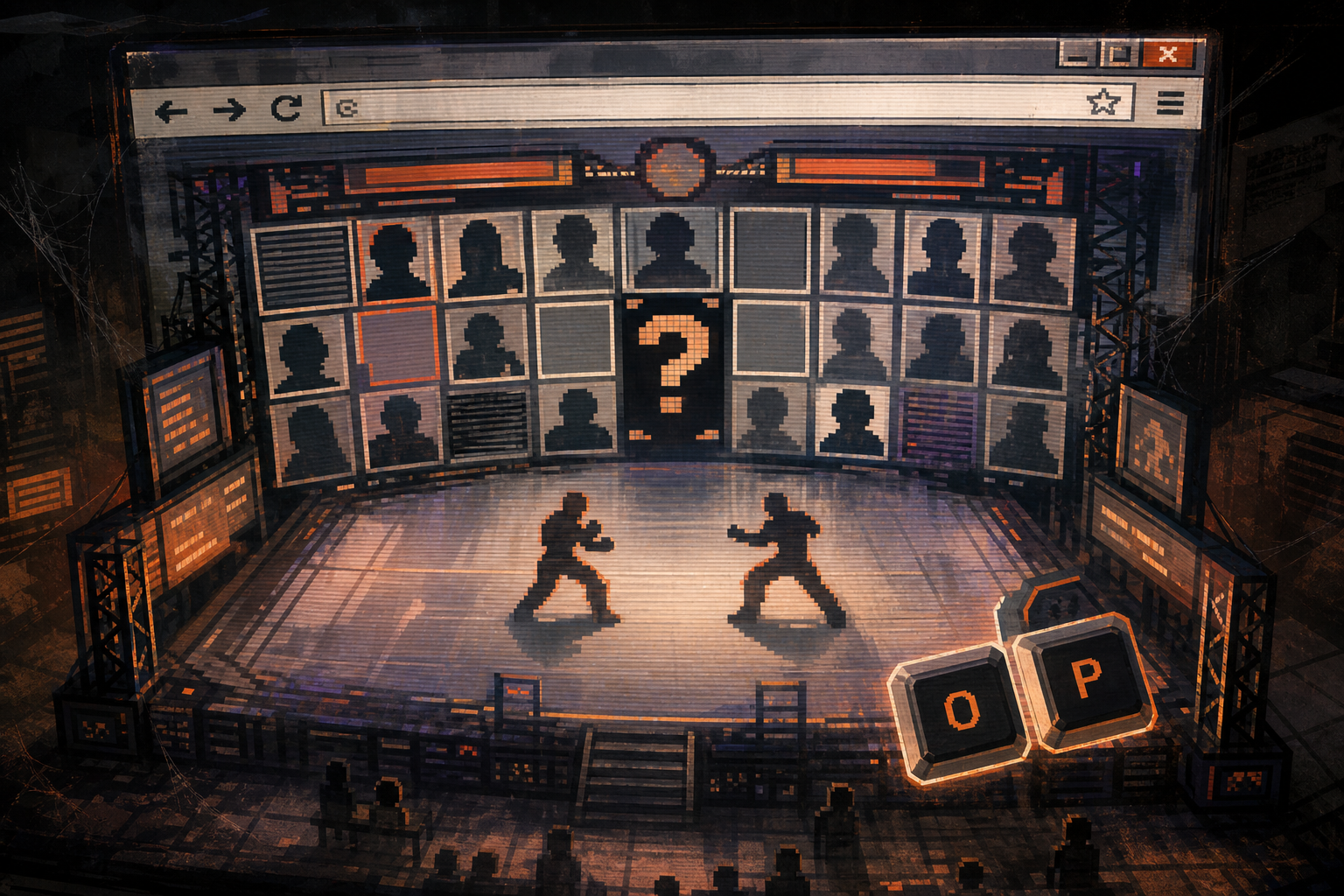
This week the Almanac kept circling the same strange truth: the web became powerful by hiding its machinery. Akamai made distance feel shorter by keeping copies close to us. Super Smash Flash made a browser window feel bigger than copyright, hardware, or common sense. Both stories are about scale, but the kind you feel before you can name it: a page that loads because invisible servers moved the work around, or a school-computer game that somehow holds an entire playground argument inside one plug-in. The old internet was never as simple as nostalgia makes it. It was infrastructure, imitation, fan labor, and shortcuts, all pretending to be ordinary.
Start Here
⚔️ August 21: A Browser Window Full of Stolen Thunder
Super Smash Flash is the right front door this week: a fan-made Flash fighting game where Mario, Sonic, Goku, Naruto, and assorted borrowed legends could collide inside the same tiny browser window. The piece is partly about copyright-defying fan culture, but mostly about a vanished expectation: that a web page might contain a whole unofficial arcade if someone stubborn enough built it after school.
Also in the Almanac
🌐 August 20: The Web Learned to Keep Copies
Akamai’s story is quieter, which is the point. The company helped teach the web to answer from nearby copies instead of making every request trudge back to one overloaded origin server. It is an infrastructure story with almost no visible interface, except the one users cared about most: the page showed up.
From the Cache
- WebCrawler’s full-text search breakthrough still feels like a hinge between directories you browsed by category and the modern habit of asking a box for anything.
- PointCast’s screensaver-delivered “push” news is a perfect fossil from the moment publishers thought the web might come to your desktop instead of waiting for you to open a browser.
- Google Image Labeler, launched years later as a game-like labeling project, reads now like an early public rehearsal for the crowdsourced training data era.
On the Desk
A hobby operating system starts as a modest Linux post and slowly becomes the floorboards under almost everything. A retail desktop launch turns Windows into a midnight-line spectacle, complete with the feeling that the home PC is now an on-ramp to the networked world. Somewhere nearby, computer correspondence and netiquette try to teach people how to behave when the message moves faster than the manners. By the end of the week, AppleTalk and the old local-network ritual of the Chooser begin to look like a small protocol funeral.
Forward this to one person who remembers when the web felt handmade.