
There is no escape.
There's something in the fog. The island won't let you leave. Your host has some letters for you to send. But first he'd like to stop and grab a bite. Ignore those missing persons posters and pull up a chair. It's time for some Sunday Scaries.
Ten days adrift at sea today
Who’ll be the last man?
The widows weep at home and pray that
Theirs will be the last man
A hunger creeps for men asleep
And when I wake I bare my teeth
The blood and bile, o’er deck they seep
For I become the last man, for I become the last man.
~ Widow’s Bay (2026)
Welcome back to Sunday Scaries. And Happy Pride Month for those who celebrate. (Out here in Newfoundland, we have our Pride Week in July, and of course other cities, provinces and countries scatter their Prides across the calendar, so enjoy wherever and whenever you can.) I’m having a little break in my travel between one heatwave (UK) and another (NYC), so I thought I’d file a quick Sunday Scaries report on my meanderings.
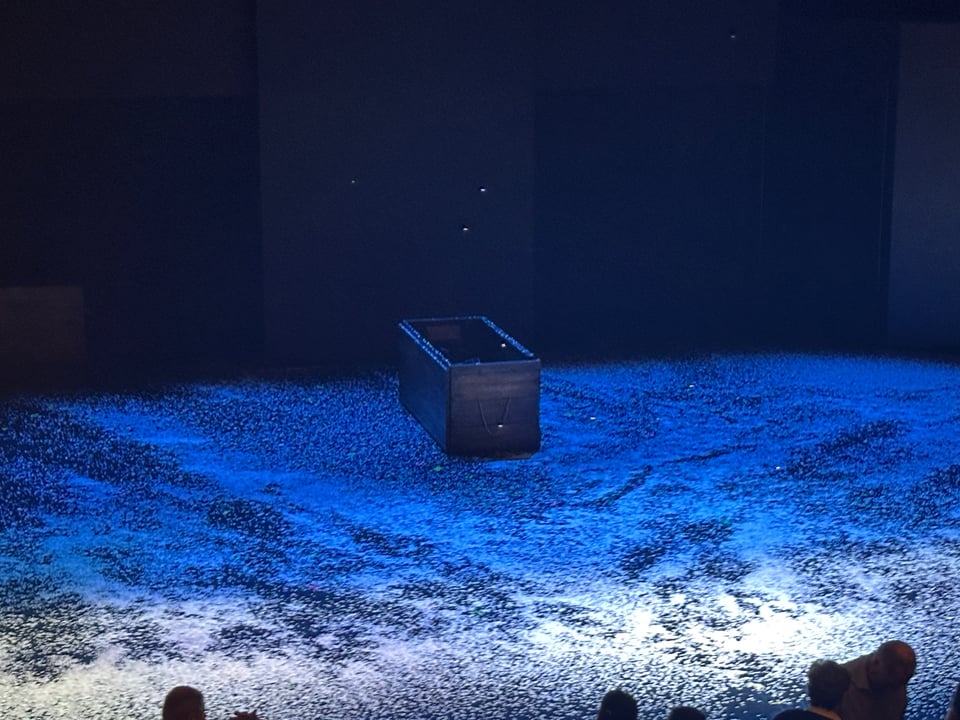
‘A Frenzy of Ghosts’
I knew Cynthia Erivo’s 23-role performance in Kip Williams’s controversial West-End production of Dracula would be a remarkable experience, but I could not have guessed how powerful and revelatory it would be. The show had already caused a stir when it arguably opened at least ten days too soon, before all of the technical and physical challenges had been properly conquered. It is a tremendously demanding work—20,000 words over 110 minutes, which comes to about 5,000 lines (the role of Hamlet, by comparison, has 1,500 lines, and Lear has 750), with a startlingly athletic approach to the staging and a whirlwind of costume changes, set-pieces and choreography against the looming video screen that dominates the stage. This screen, of course, is the gambit that makes the entire enterprise possible: as in some of Williams’s previous productions (Suddenly Last Summer, Julius Caesar, The Strange Case of Dr. Jekyll & Mr. Hyde, The Picture of Dorian Gray), live broadcast and pre-recorded video are shrewdly manipulated to make many actors out of one, to elevate minute gestures into spectacle, to superimpose images upon images and to reveal onscreen what onstage is concealed or otherwise unseen.
Dracula, at first, seems an odd choice for this approach. While the novel’s epistolary narrative makes some use of the technology of the day (telegraphs, newspaper clippings) to create a found-footage sense of veracity for its tale, technology as an image or a concept is not near to the heart of the work, so at first the aggressive and unrelenting use of video technology feels like an imposition rather than an organic outgrowth in this interpretation. So, too, Erivo’s initially off-putting depiction of Jonathan Harker as a man racing against himself, fleeing the glare of the cameras that chase him, spewing out his diary entries at breakneck speed with little emotional nuance other than terror. (Though—can you blame him?)
However, the director’s true strategy quickly reveals itself, in three distinct modes: this Dracula is a taxing physical, emotional and spiritual ritual, an incantation enacted by Erivo to embody all the aspects of this now-mythic narrative as a dance with desire, repression, faith, madness and death; this Dracula grapples directly with the xenophobia and homophobia that fuel the novel’s fears by centering the complexity of identity—via race, queerness and gender play—as the driving forces of the interpretation; most crucially, this Dracula uses the towering screen as a kind of spirit glass, showing us creatures in empty coffins and phantoms in empty rooms, characters living and dead and undead communing together where a single performer stands alone. This Dracula is haunted, even by the living. “A frenzy of ghosts,” Harker says at one point of his encounters at the castle, and it is true of this performance as well.
What’s more: while the other characters, wan and pallid, struggle with propriety and modernity as Dracula’s shadow looms, this production gives us a full-blooded Lucy Westenra who embraces her sexuality and is shamed and belittled for it. Her surrender to Dracula, the inevitability of her descent, her rebirth as a monster and her final martyrdom were more vivid and devastating here than in any other version I’ve seen. The moment where Mina inadvertently exposes her friend to further harm by removing the protection of the garlic flowers (because why would any of the men inform her) drew gasps from the audience as if this story had never before been told. And Lucy’s gruesome but merciful return to peace provoked sobs from around the room, including from me.
Williams and Erivo make their most radical revisions to the text in the final moments of the piece as Jonathan, Mina, Van Helsing and the surviving members of the party confront Dracula at his coffin. In a striking meta-theatrical turn, Erivo unleashes a powerful plea for his/her/their existence and sings an enticement not just to her assassins but also to us: “Come with me,” she chants, crawling towards the edge of the stage, as electronica throbs throughout the room. “Come with me, come with me,” and dear reader, I assure you, we came.
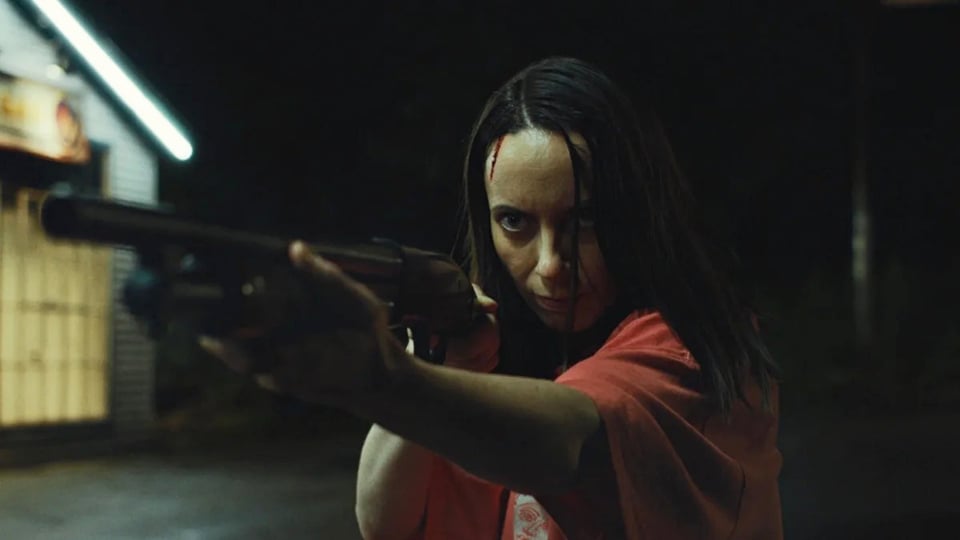
“Why do we never leave the island?”
I could do a whole new weekly newsletter just about Widow’s Bay, the horror-comedy series (created by Katie Dippold, co-executive produced by Hiro Murai, and populated with a mob of absolute geniuses) about a somewhat haunted New England island and the mayor who is ill-advisedly trying to turn it into a tourist destination. If you’re not watching this show, stop reading this, go to Apple TV, subscribe for the month, binge-watch the first eight episodes, and come right back here.
Holy fuck, right? This is kicking the absolute shit out of everything else right now (though, to be fair, I have yet to check out Cape Fear), by being both fresh and familiar, funny and scary, and heartfelt in its observations about grief and loss, and how our fears (even if well-founded) can hold us back and thwart our potential. The most recent episode, a breathtaking riff on the Halloween series, is about as close to perfect as one could possibly hope, hilarious and terrifying in equal measure. Mike Flanagan could never. I also appreciate that the series dropped its ‘are the horrors real or are they in everyone’s heads?’ game early on and went full supernatural while reminding us that our colleagues, schoolmates, friends and loved ones can be far more frightening than any number of seahags, ghost clowns, masked killers, possessed partygoers, or cursed colonists. We have two episodes left, the Storm of the Century is on its way, and Tom has something in the basement. Season Two can’t come soon enough.
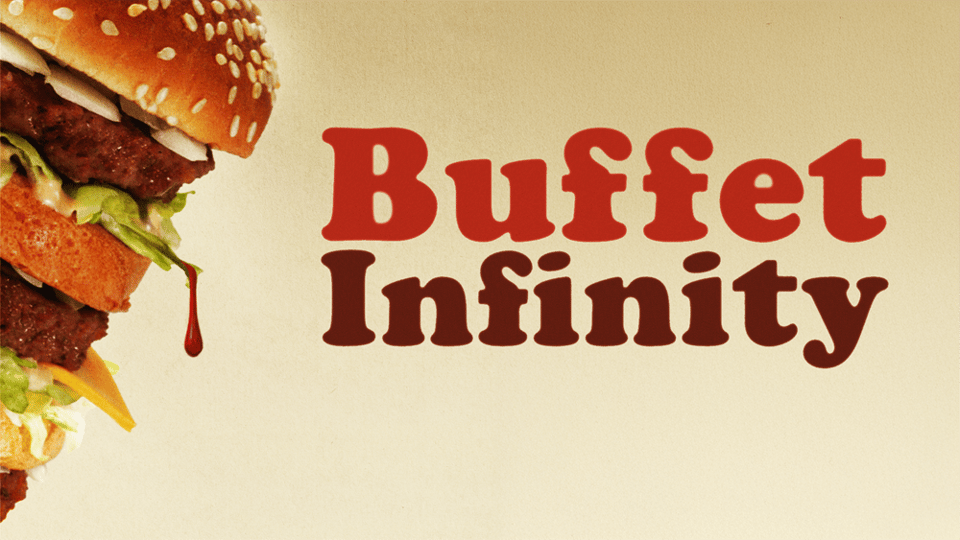
“They’ve got the sauce.”
We are having an incredible run of original horror right now, on film and TV and on the printed page. Let’s celebrate that! But one of the year’s best horror films (another brilliant horror comedy, what is happening here?) is only available on VOD at the moment, and well worth the price: a little Canadian film called Buffet Infinity, directed by Simon Glassman and starring another mob of absolute geniuses. This is a 110-minute film told entirely through TV commercials, bumpers and interstitials emanating from a small suburban town in Alberta, where two restaurants in a strip mall express their rivalry through their increasingly unhinged ads. And Then Things Get Really Weird. If you’re haven’t already seen this film, stop reading this, go to your favourite VOD provider, rent it, watch the shit out of it, and come right back here.
Holy fuck, right? Late-stage capitalism never tasted so good. It is difficult to single out any one highlight over another but there is one shot in particular that once seen 👁️ cannot be forgotten. Glassman is one of a number of recent horror filmmakers who started developing their voices and approaches on YouTube and other social media, honing their skills in front of an online audience before making the leap to other platforms. While I would love to see this at a late-night screening with a full house of noisy reactive fans, it is equally delicious to watch alone or with a group of friends all laughing and shrieking along. Which I hope to do again soon.
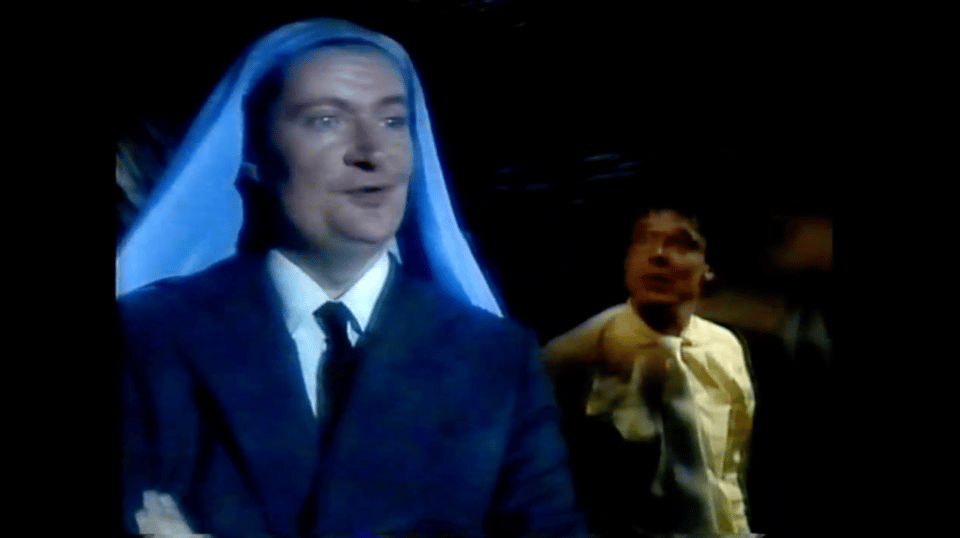
Subscribe nowThis Week in Horror: Jim Broadbent turned 77 while I was on the road. A legend in British film, TV and theatre, his genre bonafides include Time Bandits, Brazil, The Crying Game, Paddington and the uniquely terrifying Bridget Jones’ Diary. Watch him in his dazzling portrayal of Mary in The National Theatre of Brent’s production of The Messiah. Yes, that’s right. No, seriously. Go on if you don’t believe me.
Cool Story, Bro: My story The Black Fox is now reprinted in The Dark Magazine.
‘If a creature comes to you after dark, feed but never follow,’ that’s what Mother always said. Toss it a carrot and it will be on its way.” As children we were told many tales of woodland spirits that made mischief in the guise of forest creatures. We grew older and heard darker tales of souls who were wronged in life and who used such means to return for revenge. Our father never shared in these stories. I think they frightened him.
“I’ll chase it off with a broom, thank you, and keep my carrots to myself.” She swallowed the morsel of beef and washed it down with wine. “I suppose you think it’s a message from her.”
“From Mother? Don’t be silly,” I said. But I wondered, just for a moment: who else might it be?
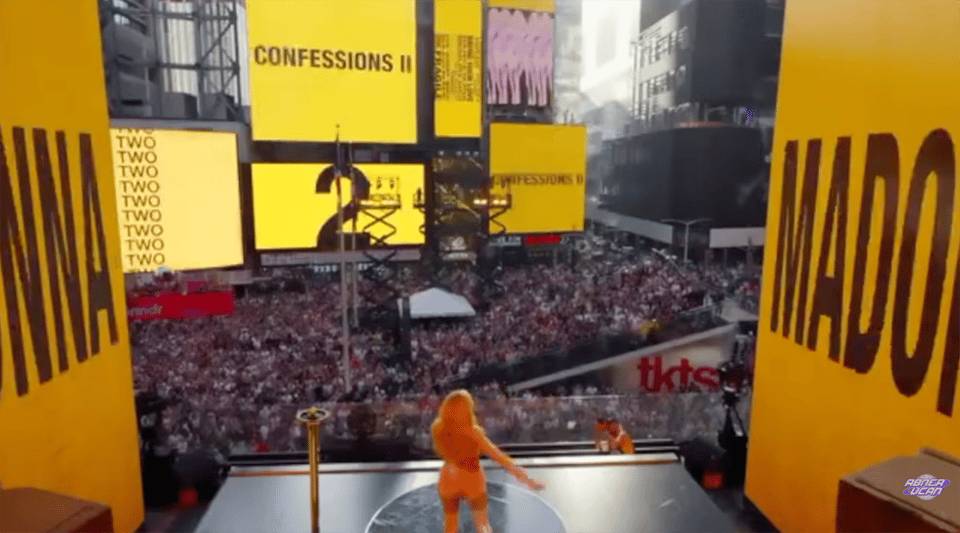
Currently listening: “Hello, it’s Mother.” Madonna took over Times Square for a pop-up mini-concert, promoting her upcoming sequel to Confessions on a Dance Floor. She can be whoever she wants to be, create a new persona, but she will always be a legend and icon to the queer and trans communities.
That’s it for this edition of Sunday Scaries. Stay cool or stay warm, stay dry or stay wet as the case may be. Until next time, remember: “I just don’t understand why so many adults would lie about such an amazing fun place!” “Well, a lot of people feel threatened by our fun atmosphere and great prices.”

