Frederick Wiseman and the Patriotic Moment - #13
Remembering the late master documentarian's subtle 1977 masterpiece about patriotic performance and how we pay attention
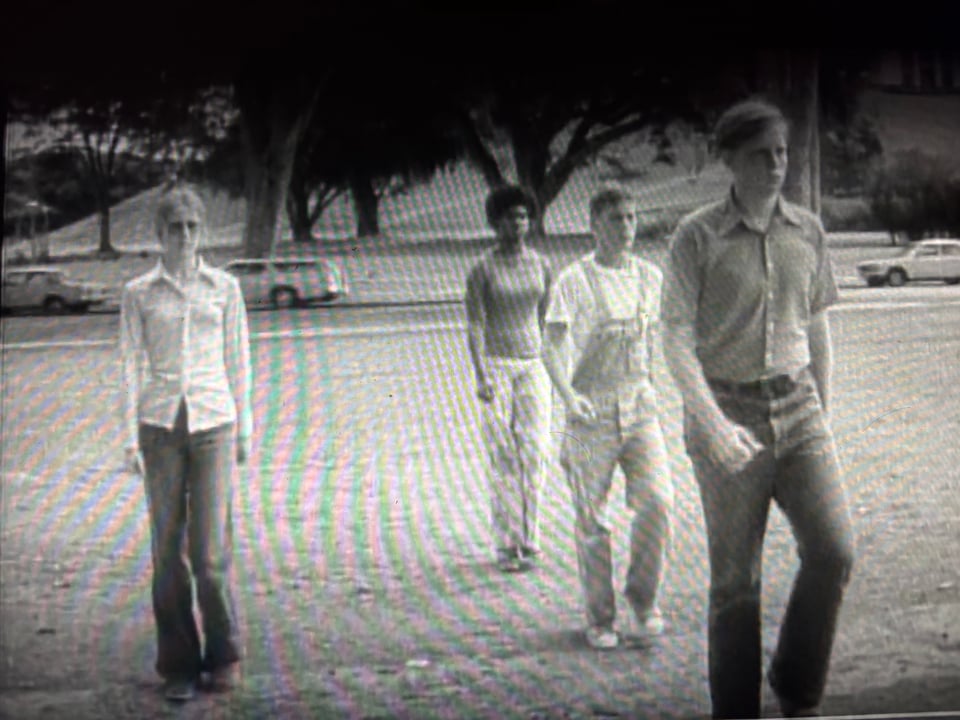
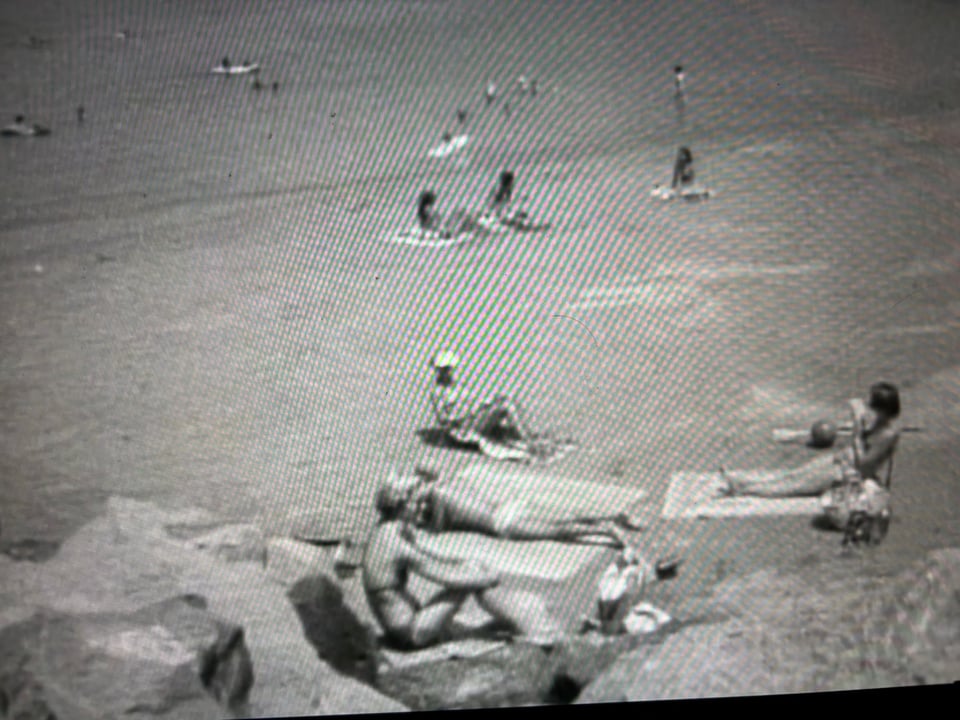
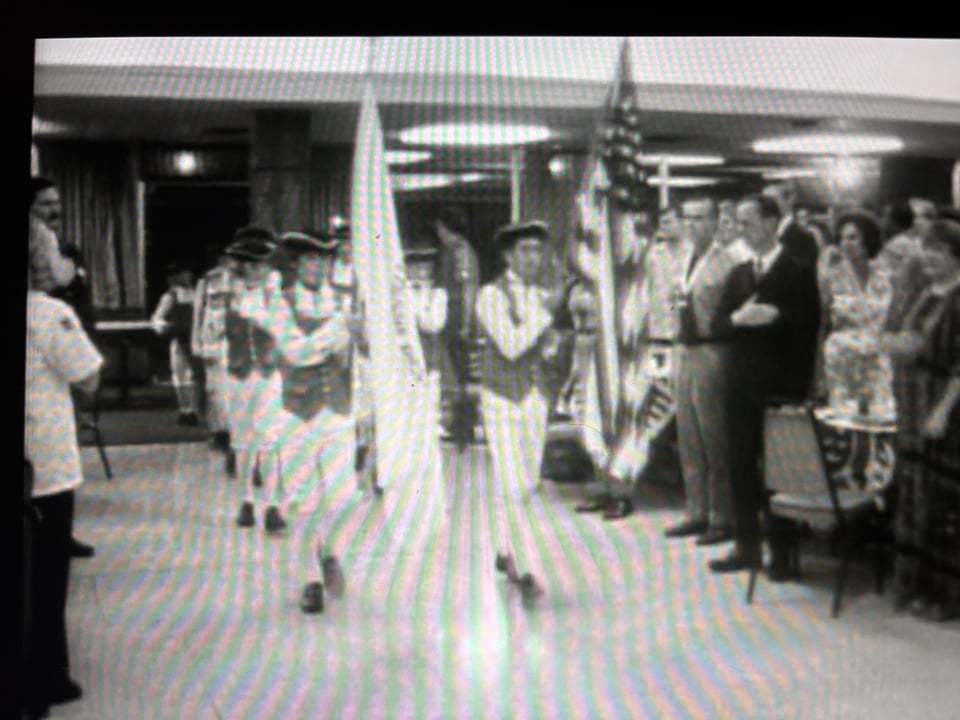
Back when I thought the American 250th anniversary celebration would be a big deal, and leave something in our cultural memory more than memes about the incompetence of our aspiring authoritarian regime, I watched Frederick Wiseman’s 1977 documentary Canal Zone. It was filmed in 1976, and the zombified performance of patriotism is everywhere — in school kids solemnly hoisting a flag, or dressed up as fife and drummers, or sitting through public orations insisting there is nothing wrong with loving the Good Ole U S of A. With the benefit of a few decades, it all comes across as just some weird historical detritus to look at while the real story is unfolds nearby.
That’s part of what I love about Wiseman’s films, which I was reminded earlier this year when I binged on them after news came that he had died. I had already seen many of his early, more famous films like Titicut Follies, High School, Basic Training, but Canal Zone leapt out, all about the five-mile strip of American military base along the Panama Canal. Thanks to Kanopy, which you can access with a library card, many of his films are available. Wiseman only agreed to stream them in 2018.
There’s little very shocking on display, though there is plenty of razor-sharp humor. There’s a heavy overlay of post-Vietnam hangover, but in various fervid proclamations of American righteousness and exceptionalism you see the seeds of the Reagan Revolution, the Tea Party, and MAGA. That’s just one of the dark undercurrents that swirl around, joining subtle nods to domestic abuse, racism, and violence. It moves a lot of information along the way. We overhear a tour guide explain how the canal works in encyclopedic detail, including trivia like how much they charged the first guy to swim its length (36 cents). And we hear an inside breakdown of the economics and politics of the its future from a high-ranking official briefing a group of very bored looking guests. There is only one scene of actual Panamanians as they wrangle some livestock off a ferry and on to trucks. It’s all in Wiseman’s signature style — no interviews, no voiceovers, no labels. Just a camera suggesting you point your attention over that way, and counting on your sense of curiosity to hold you there.
I was reminded why I love this kind of viewing experience, and why it matters. “The ‘real’ film takes place where the mind of the viewer meets the screen,” he once said (a quote I found in this very interesting essay about his work, which reveals a bit about his filming method too). That’s a premise so bold it’s almost a dare, when even serious film students are tempted by the 1.5x and 2x button on their screen. Each of his films, or “reality fictions” as he sometimes called them, are crafted, edited, manipulated, and give you, the viewer, a lot of credit. This is a sharp departure from today’s media ecosystem saturated with disposable visual material and its direct-to-camera commentary, vertically aligned smartphone aesthetics, and attention-seeking stunts designed for social media traction.
All of his films have a “tip of the iceberg” feeling, which you can track down later. A member of the Zone’s police force explains in a roundabout way that the area has roughly three time the rate of domestic violence than comparable communities in the mainland. She unconvincingly explains it has to do with new young families being removed from their support systems. No mention is made that the Zone was the home of the infamous “School of the Americas,” where the U.S. was training right-wing death squads in “counter-insurgency” tactics and “democratic” values that terrorized the entire hemisphere. From this distance, my mind could see the evil coming home to roost, but would you know just watching along?
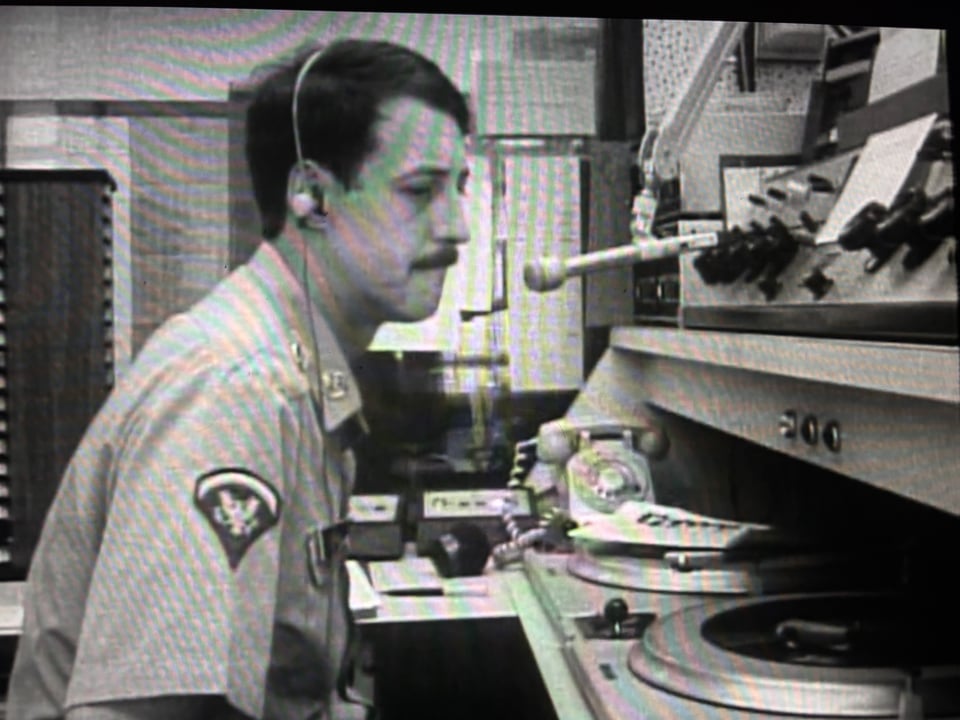
There is a lot about the Canal and its moment in time that isn’t explained but only hinted at. Already at the time talks were underway to return the canal to Panama, and it had become a major right-wing talking point (Ronald Reagan wouldn’t shut up about it). The subtext of what look like Midwestern Rotary Club luncheons includes all sorts of ominous notes, like the distinction between “gold” and “silver” categories of base personnel. It was a literal remnant of when the Jim Crowe military ran things, and the white officers got a better, segregated base experience from Black and local employees. That they were all more or less working class shows how the race-coded system seamlessly evolved into a class-coded one. The pop culture convulsions of the 60s and 70s are there, when the base radio station plays a song from Jimmy Buffett’s latest album about finding more cocaine before sunrise. The deadpan, subtle joys of his films leap out as people just do their jobs, or try to explain themselves, often in spectacular regional accents now lost to time.
Just letting a story happen and trusting us to follow along, with the awareness that a lot might fall of the table feels like a bold decision. This is a contrast with another documentary series I watched this year. Neighbors on HBO, from Harrison Fishman and Dylan Redford premiered just a few days before Wiseman died. Each episode follows two intertwined stories about disputes between neighbors, which usually begin with something mundane and spiral past insanity. It is fun the way roller coasters are, with every trick in the book thrown at you in quick succession. Frantic jump cuts, reality t.v. set-ups, an array of media from surveillance videos and screen grabs and even fish-eye lenses. Out of this chaos emerges a real ethnography of America’s insane fetish for private property, and how it defies mediation of police and courts and tramples basic social skills, courtesy, and common sense. And how it poisons the mind until everyone imagines they are a righteous gladiator fighting for justice in front of an imaginary audience of infinite viewers on the internet.
There was a rumor I heard a few times through the years that Frederick Wiseman had looked into making a documentary at Williams College, where he graduated in 1951. The story goes that the administration balked at the idea because of how even well-meaning institutions like hospitals, schools, or social service offices often didn’t look great under such focused attention. This is probably apocryphal, but it is fun as walking around town to imagine what the lost film College might have looked like.
They probably didn’t have anything to worry about. Wiseman’s method of close observation and long-form storytelling often has its moments of shock and surprise, but overall there is something inspiring and human in almost all of his work. And in 2013, he made his higher ed movie at the University of California at Berkeley, and it survived fine (more than that: it’s a pretty moving portrait of earnest and sincere striving toward education’s highest ideals in the face of neoliberal wrecking, and is mostly inspiring over its four hours plus).
The mind makes order from what it gathers, and as nice as it is to see young filmmakers and their new technologies make new stories, Wiseman reminds us that the world wasn’t invented yesterday. I followed up with 1991’s Аspen, another look at an American enclave, and this time in full color, and becomes about the ways we distract ourselves into a kind of transcendence. The story is told through images of skiing, or being rich and having fun with your friends, but also through intense prayer, shopping, getting facials, reflexology appointments, or discussing at book club the moral universe of a Flaubert novel. Even as massive forces try to tear us apart, others work to transcend and bind us together. Spending a few hours under the guidance of a master filmmaker can do that.