Friday's Elk

Archives
Subscribe

Friday's Elk

Archive

Friday's Elk, June 10, 2016


Greetings--

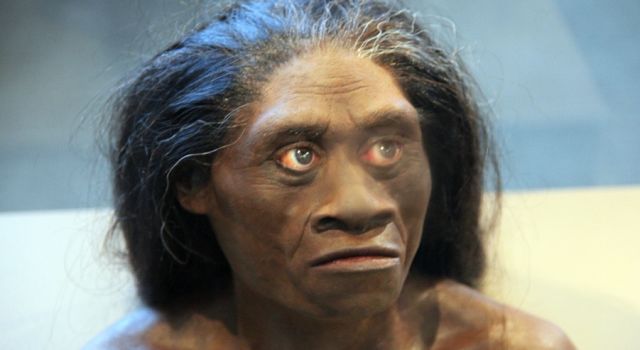
Homo floresiensis is one of my favorite hominins. (What's yours?) Back in 2004, scientists announced they had found a tiny human-like species on an Indonesian island. I fell into a blogging frenzy that lasted over two years:

10/26/04: Island of the Lost Hominids

11/26/04: Hobbit Limbo?

2/24/05: Return of the Prodigal Bones

3/3/05: The Hobbit's Brain

4/29/05: Hobbits Alive?

6/15/05: Return to Hobbit Limbo

10/11/05: Hobbits Again

10/14/05: Whose Brain Is It Anyway?

5/18/06: Jakob the Hobbit?

6/9/06: Small Girls With Sharp Rocks

6/21/06: Hobbits: Healthy, Happy, Human?

8/21/06: Return of the Microcephalic Hobbit

10/9/06: Homo floresiensis: Two Years Out

1/29/07: My Fossil Wish List: Homo sulawesiensis

Things quieted down after that, although the mystery remained. Now, twelve years later, scientists have found what appearS to be a second set of H. floresiensis fossils at another site on the island, dating back far further back in time. Here's my column for the New York Times on the new find and what it may tell us about these marvelous cousins.

(Photo by Tim Evanson, via Creative Commons)
 
The Talks

NEXT WEEK! June 17: Austin, Texas. Public Lecture for the Stephen Jay Gould Award. Details here

June 23-25: Durham North Carolina: International Society for Evolution, Medicine, and Public Health, Plenary Lecture. Here's the meeting site.

June 29: Boston: Festival of Genomics, Plenary Lecture, "Tales from the genome beat: how journalists explore (& sometimes get lost in) our DNA." Details here.

July 31: Plenary lecture at the annual meeting of the Botanical Society of America in Savannah. The talk is entitled, "Plants Are Weird: Epigenetics, Journalism, and the Alien Beauty of Botany"

September 8: University of Nebraska. Lecture: A Journey to the Center of the Brain. Details to come

January 28-29, 2017 Rancho Mirage Writers Festival
 
The End
 
As always, if you have friends who would enjoy getting this newsletter, please let them know they can sign up at http://tinyletter.com/carlzimmer.

You can also follow me on Twitter, Facebook , LinkedIn, and Google+. And there's always carlzimmer.com.

Best wishes, Carl
Free post
#37
June 10, 2016
Read more

Friday's Elk, June 3, 2016


Greetings--

It's late spring here in New England, and that means one thing: an invasion of snapping turtles, in search of a place to lay their eggs. Here's a story I told two years ago about learning to love my monstrous neighbors.
 
Two Weeks Till the Stephen Jay Gould Prize Lecture!

If you are in Austin, or if you'll be there for the Society for the Study of Evolution meeting, please join me on June 17 for a public lecture, "The Surviving Branch: How Genomes Are Revealing The Twisted Course of Human Evolution." Details here
 
Crispr's Exuberant Evolution

Crispr has become famous as a powerful new gene-editing technology. But it started out as a way for bacteria to kill viruses. It turns out that bacteria have lots of these defenses, and there may be many more technologies to draw from their evolutionary exuberance. I take a look at a couple new examples in my new column for the New York Times.
 
The Talks

June 17: Austin, Texas. Public Lecture for the Stephen Jay Gould Award. Details here

June 23-25: Durham North Carolina: International Society for Evolution, Medicine, and Public Health, Plenary Lecture. Here's the meeting site.

June 29: Boston: Festival of Genomics, Plenary Lecture, "Tales from the genome beat: how journalists explore (& sometimes get lost in) our DNA." Details here.

July 31: Plenary lecture at the annual meeting of the Botanical Society of America in Savannah. The talk is entitled, "Plants Are Weird: Epigenetics, Journalism, and the Alien Beauty of Botany"

September 8: University of Nebraska. Lecture: A Journey to the Center of the Brain. Details to come

January 28-29, 2017 Rancho Mirage Writers Festival
 
The End
 
As always, if you have friends who would enjoy getting this newsletter, please let them know they can sign up at http://tinyletter.com/carlzimmer.

You can also follow me on Twitter, Facebook , LinkedIn, and Google+. And there's always carlzimmer.com.

Best wishes, Carl
Free post
#36
June 3, 2016
Read more

Friday's Elk, May 27, 2016


Greetings--

Here are a couple items for your long-holiday reading list. 
 
From The Atomic Age to the Biotech Era

Last month in Stat, I wrote about science fairs and how they've become an exercise in privilege. Yesterday, my attention was drawn back to science fairs with the announcement that the Intel Science Talent Search--the biggest high school science fair in the United States--is now the Regeneron Science Talent Search. Intel was an iconic company in the age of personal computing. Likewise, Regeneron is one of the darlings of the new generation of biotech companies making (expensive) wonder drugs. The announcement inspired me to write a new piece about science fairs as bellwethers of American science over the past 70 years.
 
The Genetic Great Migration

History, scientists are increasingly appreciating, is inscribed in our DNA. For my column today in the New York Times, I look at a new study on African Americans, and how their journeys in Southern slavery and then across the rest of the country has influenced their genetic variation throughout the United States.
 
The Talks

June 17: Austin, Texas. Public Lecture for the Stephen Jay Gould Award. The title of the talk will be "The Surviving Branch: How Genomes Are Revealing The Twisted Course of Human Evolution." Details here

June 23-25: Durham North Carolina: International Society for Evolution, Medicine, and Public Health, Plenary Lecture. Here's the meeting site.

June 29: Boston: Festival of Genomics, Plenary Lecture, "Tales from the genome beat: how journalists explore (& sometimes get lost in) our DNA." Details here.

July 31: Plenary lecture at the annual meeting of the Botanical Society of America in Savannah. The talk is entitled, "Plants Are Weird: Epigenetics, Journalism, and the Alien Beauty of Botany"

September 8: University of Nebraska. Lecture: A Journey to the Center of the Brain. Details to come

January 28-29, 2017 Rancho Mirage Writers Festival
 
The End
 
As always, if you have friends who would enjoy getting this newsletter, please let them know they can sign up at http://tinyletter.com/carlzimmer.

You can also follow me on Twitter, Facebook , LinkedIn, and Google+. And there's always carlzimmer.com.

Best wishes, Carl
Free post
#35
May 26, 2016
Read more

Friday's Elk, May 20, 2016


Greetings--

In previous issues of Friday's Elk, I've shared a number of stories about ancient DNA and what it's telling us about our history. This week, I wrote a long profile for the New York Times about one of the most intriguing figures in this exploding discipline, a geneticist named Eske Willerslev. His story conveys not only the excitement of this field, but the powerful, complex resonance that ancient DNA has for today's world.
 
The Talks

June 17: Austin, Texas. Public Lecture for the Stephen Jay Gould Award. The talk is entitled, "The Surviving Branch: How Genomes Are Revealing The Twisted Course of Human Evolution." Details here

June 23-25: Durham North Carolina: International Society for Evolution, Medicine, and Public Health, Plenary Lecture. Here's the meeting site.

June 29: Boston: Festival of Genomics, Plenary Lecture, "Tales from the genome beat: how journalists explore (& sometimes get lost in) our DNA." Details here.

July 31: Plenary lecture at the annual meeting of the Botanical Society of America in Savannah. The talk is entitled, "Plants Are Weird: Epigenetics, Journalism, and the Alien Beauty of Botany"

September 8: University of Nebraska. Lecture: A Journey to the Center of the Brain. Details to come

January 28-29, 2017 Rancho Mirage Writers Festival
 
The End
 
As always, if you have friends who would enjoy getting this newsletter, please let them know they can sign up at http://tinyletter.com/carlzimmer.

You can also follow me on Twitter, Facebook , LinkedIn, and Google+. And there's always carlzimmer.com.

Best wishes,

Carl
Free post
#34
May 20, 2016
Read more

Friday's Elk, May 13, 2016


Greetings--
 
Getting Astronaut Blood From Space

I've got a new video out in my Science Happens series for Stat. This time, I paid a visit to the lab of Chris Mason in New York, where he and his colleagues are studying blood and other samples from astronaut Scott Kelly. They're examining his DNA to see if life in space brings about any changes in how his genes work. Check it out. (GIF from NASA)

 
The Mystery of the Dwindling Red Knot

Climate change is altering the natural world in ways we're just beginning to reckon with. A new study shows that it may be wreaking havoc with one of the greatest migrations in the animal kingdom. For my column this week in the New York Times, I take a look at the mystery of a shrinking shorebird.

 
Three Years!

This week marks the three-year anniversary of "Matter," my weekly column for the Times. In May 2013, I kicked things off with a column about the 13-year cycle of cicadas. And here's a video of a talk I had at the time about the column with my editor, Michael Mason. I'm incredibly grateful to Mike and the editorial team at the Science Times for giving me such a fantastic sandbox to play in, and look forward to many more surprising stories.

 
The Talks

June 17: Austin, Texas. Public Lecture for the Stephen Jay Gould Award. Details here

June 23-25: Durham North Carolina: International Society for Evolution, Medicine, and Public Health, Plenary Lecture. Here's the meeting site.

June 29: Boston: Festival of Genomics, Plenary Lecture, "Tales from the genome beat: how journalists explore (& sometimes get lost in) our DNA." Details here.

July 31: Plenary lecture at the annual meeting of the Botanical Society of America in Savannah. The talk is entitled, "Plants Are Weird: Epigenetics, Journalism, and the Alien Beauty of Botany"

September 8: University of Nebraska. Lecture: A Journey to the Center of the Brain. Details to come

January 28-29, 2017 Rancho Mirage Writers Festival
 
The End
 
As always, if you have friends who would enjoy getting this newsletter, please let them know they can sign up at http://tinyletter.com/carlzimmer.

You can also follow me on Twitter, Facebook , LinkedIn, and Google+. And there's always carlzimmer.com.

Best wishes, Carl
Free post
#33
May 12, 2016
Read more

Friday's Elk, May 6, 2016


Greetings--

I'm back, with some further reading for your enjoyment and edification (I hope!).
 
Fighting Zika with the Most Amazing Microbe

Have you ever heard of Wolbachia? If not, you have a wonderful surprise in store. It's arguably the most successful symbiont on Earth, a species of bacteria that lives inside several million species of invertebrates. And it thrives in those hosts with weird manipulations of their reproduction. I've written about Wolbachia a few times in the past (here for example), and this week in the New York Times I revisit it to explore an exciting possibility: that Wolbachia could block mosquito-borne diseases including Zika and dengue fever. Check it out.
 
Re-engineering Humanity

A few weeks ago, I mentioned I was going to talk with historian Daniel Kevles about the past and future of human engineering. Emily McManus, the editor of ted.com, came to the event, and has written up this excellent piece about it.
 
Science & Storytelling

On April 25, I participated in a day-long meeting about how to tell the stories of science, hosted by National Geographic and Yale. The videos are now up on this page. I talk in this session (it's the third video on the meeting page). David Quammen's keynote on writing about Yellowstone is here.

 
The Talks

June 17: Austin, Texas. Public Lecture for the Stephen Jay Gould Award. Details here

June 23-25: Durham North Carolina: International Society for Evolution, Medicine, and Public Health, Plenary Lecture. Here's the meeting site.

June 29: Boston: Festival of Genomics, Plenary Lecture, "Tales from the genome beat: how journalists explore (& sometimes get lost in) our DNA." Details here.

July 31: Plenary lecture at the annual meeting of the Botanical Society of America in Savannah. The talk is entitled, "Plants Are Weird: Epigenetics, Journalism, and the Alien Beauty of Botany"

September 8: University of Nebraska. Lecture: A Journey to the Center of the Brain. Details to come

January 28-29, 2017 Rancho Mirage Writers Festival
 
The End
 
As always, if you have friends who would enjoy getting this newsletter, please let them know they can sign up at http://tinyletter.com/carlzimmer.

You can also follow me on Twitter, Facebook , LinkedIn, and Google+. And there's always carlzimmer.com.

Best wishes, Carl
Free post
#32
May 5, 2016
Read more

Friday's Elk, April 22, 2016


Greetings--

It's a short email today. Also, a head's up that I won't be sending out a Friday's Elk next week. I'll be back in touch in May. Happy Spring!
 
California's Mysterious Foxes

About nine thousand years ago, gray foxes arrived on California's Channel Islands. They've since evolved into a new species--a tiny animal that's smaller than a house cat. In my column this week in The New York Times, I write about a new study that peers into their genomes--and finds next to no genetic variation. How they've survived with that kind of DNA is a mystery.

 
The Talks

TOMORROW--> April 23: Yale. Science & Storytelling Conference. Details here

June 17: Austin, Texas. Public Lecture for the Stephen Jay Gould Award. Details here

June 23-25: Durham North Carolina: International Society for Evolution, Medicine, and Public Health, Plenary Lecture. Here's the meeting site.

June 29: Boston: Festival of Genomics, Plenary Lecture, "Tales from the genome beat: how journalists explore (& sometimes get lost in) our DNA." Details here.

July 31: Plenary lecture at the annual meeting of the Botanical Society of America in Savannah. The talk is entitled, "Plants Are Weird: Epigenetics, Journalism, and the Alien Beauty of Botany"

September 8: University of Nebraska. Lecture: A Journey to the Center of the Brain. Details to come

January 28-29, 2017 Rancho Mirage Writers Festival
 
The End
 
As always, if you have friends who would enjoy getting this newsletter, please let them know they can sign up at http://tinyletter.com/carlzimmer.

You can also follow me on Twitter, Facebook , LinkedIn, and Google+. And there's always carlzimmer.com.

Best wishes, Carl
Free post
#31
April 21, 2016
Read more

Friday's Elk, April 15, 2016


Greetings--
 
Science Fairs and Privilege

This week at Stat I wrote about my experience as the father of a girl in a science fair. She had a great time, but I came away reminded of how problematic the science fair phenomenon has become. The piece triggered a lot of discussion on Twitter and Facebook, which Stat followed up with some thoughtful opinion pieces from science fair participants, sharing their own experiences. Also, physicist Chad Orzel chimed in about how parents can help kids think scientifically at home.
 
The Tree of Life, Now With A Lot More Branches

This week I wrote in the New York Times about a new study that reveals just how much of the tree of life is made up of bacteria. We animals are a mere twig. (I added the labels above to an original figure from the paper.)
 
File Under: Dubious Honor

Not sure how to feel about being referred to as a "Kardashian of science." But there's that.
 
Next week: the Bronx and New Haven

Just a reminder that I'll be at Fordham and Yale next week giving talks. If you live in the area, join us!
 
Ragtime Science

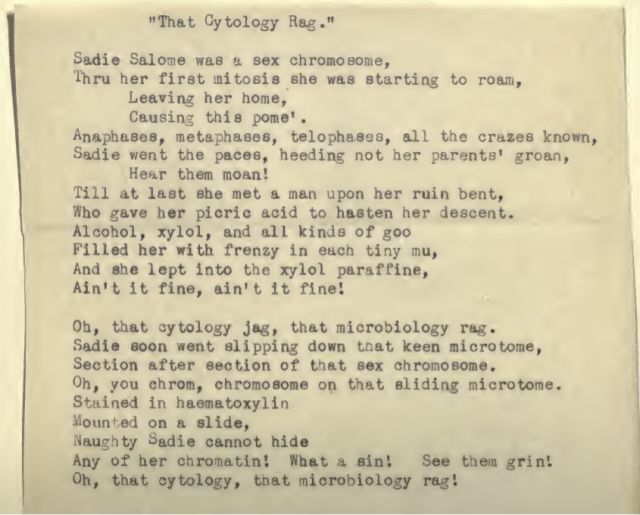
While working on my next book on heredity, I stumbled across something strange and surprising. I was making my way through a scanned version of Thomas Hunt Morgan's classic 1915 book, The Mechanism of Mendelian Heredity, when I came across the typed lyrics to a song that some library patron long ago slipped into the preface.


On Twitter, Dwayne Godwin kindly pointed me to a partial explanation. But I would love to know more about it...

 
The Talks

April 21: New York. Fordham University. "Editing Life: The Strange Science of Engineering Humans, Altering Nature, and Bringing Species Back from Extinction" Details here.

April 23: Yale. Science & Storytelling Conference. Details here

June 17: Austin, Texas. Public Lecture for the Stephen Jay Gould Award. Details here

June 23-25: Durham North Carolina: International Society for Evolution, Medicine, and Public Health, Plenary Lecture. Here's the meeting site.

June 29: Boston: Festival of Genomics, Plenary Lecture, "Tales from the genome beat: how journalists explore (& sometimes get lost in) our DNA." Details here.

July 31: Plenary lecture at the annual meeting of the Botanical Society of America in Savannah. The talk is entitled, "Plants Are Weird: Epigenetics, Journalism, and the Alien Beauty of Botany"

NEW!--> September 8: University of Nebraska. Lecture: A Journey to the Center of the Brain. Details to come

January 28-29, 2017 Rancho Mirage Writers Festival
 
The End
 
As always, if you have friends who would enjoy getting this newsletter, please let them know they can sign up at http://tinyletter.com/carlzimmer.

You can also follow me on Twitter, Facebook , LinkedIn, and Google+. And there's always carlzimmer.com.

Best wishes, Carl
Free post
#30
April 14, 2016
Read more

Friday's Elk, April 8, 2016


Greetings--

A Times double-header this week!
 
"Just" A Theory

This week, the New York Times ran a series of articles about misconceptions. I rounded out the series with a piece on one of the biggest misconceptions about science: What's a theory? Hint: it doesn't involve someone's ideas about how cats fit in boxes.
 
Not the Mailman

For my "Matter" column this week, I write about the science of cuckoldry--how researchers are using DNA to figure out just how often dad isn't dad. (Photo illustration by Stephen Webster.)
 
Talking Viruses on Inquiring Minds

I talked with Kishore Hari about viruses for the podcast "Inquiring Minds." Listen here.


The Talks

April 21: New York. Fordham University. "Editing Life: The Strange Science of Engineering Humans, Altering Nature, and Bringing Species Back from Extinction" Details here.

April 23: Yale. Science & Storytelling Conference. Details here

June 17: Austin, Texas. Public Lecture for the Stephen Jay Gould Award. Details here

June 23-25: Durham North Carolina: International Society for Evolution, Medicine, and Public Health, Plenary Lecture. Here's the meeting site.

June 29: Boston: Festival of Genomics, Plenary Lecture, "Tales from the genome beat: how journalists explore (& sometimes get lost in) our DNA." Details here.

July 31: Keynote lecture at the annual meeting of the Botanical Society of America in Savannah

January 28-29, 2017 Rancho Mirage Writers Festival
 
The End
 
As always, if you have friends who would enjoy getting this newsletter, please let them know they can sign up at http://tinyletter.com/carlzimmer.

You can also follow me on Twitter, Facebook , LinkedIn, and Google+. And there's always carlzimmer.com.

Best wishes, Carl
Free post
#29
April 7, 2016
Read more

Friday's Elk, April 1, 2016

Greetings--

Guaranteed: Nothing on this list is an April Fool's joke.
 
Save the Tapeworms!

Endangered animals get a lot of medical attention in captivity--but are they getting too much attention for their own good? For my column this week in the New York Times, I write about some scientists who think that parasites are important to the long-term survival of species.
 
DNA in 3D

In some ways, DNA is a ridiculous molecule to use for heredity. The DNA in a single cell measures six feet in length, and has to be carefully folded in order to function. For my latest Science Happens video on Stat, I visit a scientist who studies DNA's three-dimensional structure. It's accompanied by gorgeous computer visualizations of our inner tangle. (GIF courtesy of Leonid Mirny, MIT)
 
Science & Storytelling

I've added a new entry to the talks below. On April 23, I'll be at the Science & Storytelling Conference at the Yale School of Forestry and Environmental Studies. It's shaping up as an exciting event, including a keynote from the great nature writer David Quammen.

 
The Talks

April 21: New York. Fordham University. Details here.

NEW!--> April 23: Yale. Science & Storytelling Conference. Details

June 17: Austin, Texas. Public Lecture for the Stephen Jay Gould Award. Details here

June 23-25: Durham North Carolina: International Society for Evolution, Medicine, and Public Health, Plenary Lecture. Here's the meeting site.

June 29: Boston: Festival of Genomics, Plenary Lecture, "Tales from the genome beat: how journalists explore (& sometimes get lost in) our DNA." Details here.

July 31: Keynote lecture at the annual meeting of the Botanical Society of America in Savannah

January 28-29, 2017 Rancho Mirage Writers Festival
 
The End
 
As always, if you have friends who would enjoy getting this newsletter, please let them know they can sign up at http://tinyletter.com/carlzimmer.

You can also follow me on Twitter, Facebook , LinkedIn, and Google+. And there's always carlzimmer.com.

Best wishes, Carl
Free post
#28
March 31, 2016
Read more

Friday's Elk, March 26, 2016


Greetings--

No stomach flu, no head cold. Just a case of playing hooky on a pleasant Friday. Without further ado, here's Friday's Late Elk:
 
Cavefish That Walk Up Waterfalls

I've been rather obsessed with how life came on land for my whole career. In my first book, At the Water's Edge, I delved into the remarkable history of research into this question. I've tried to keep up with new studies on this great transition in the years since the book came out.

In the book, I wrote about the apparent oddity of vertebrates walking on land. There are many fish in the sea, and yet only once does it seem that they successfully moved ashore with an anatomy for walking. Mudskippers crutch along the edge of the sea, and frogfish bounce slowly along the ocean floor. But it didn't seem as if anything quite evolved walking on land like our ancestors did.

Now, in one of those weird surprises that biology delivers with wonderful regularity, scientists have found a fish that really walks. It has even evolved a skeleton much like ours in the process. Making it an even more wonderful story is the fact that this fish lives only in a cave in Thailand, where it walks up waterfalls. Check it out.

(GIF from Flammang et al., Scientific Reports. Open Access)
 
Virus Marathon

As promised last week, here's the podcast of my conversation with Vincent Racaniello and his team at This Week in Virology.
 
Engineering Humans


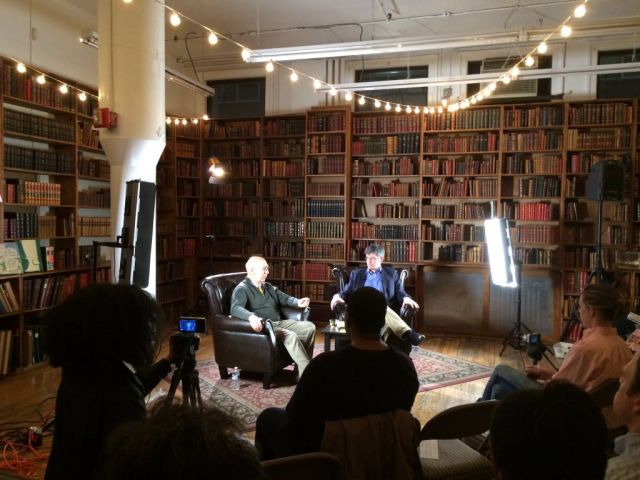
Here's a photo from the Strand Bookstore in New York, where I spoke with historian Daniel Kevles in front of a great crowd about CRISPR and human engineering. I'm told the conversation will be going online. I'll send a link when one becomes available.

(Photo via Idea Distillery)
 
The Talks


NEW!--> April 21: New York. Fordham University. Details here.

June 17: Austin, Texas. Public Lecture for the Stephen Jay Gould Award. Details here

June 23-25: Durham North Carolina: International Society for Evolution, Medicine, and Public Health, Plenary Lecture. Here's the meeting site.

June 29: Boston: Festival of Genomics, Plenary Lecture, "Tales from the genome beat: how journalists explore (& sometimes get lost in) our DNA." Details here.

July 31: Keynote lecture at the annual meeting of the Botanical Society of America in Savannah

January 28-29, 2017 Rancho Mirage Writers Festival
 
The End
 
As always, if you have friends who would enjoy getting this newsletter, please let them know they can sign up at http://tinyletter.com/carlzimmer.

You can also follow me on Twitter, Facebook , LinkedIn, and Google+. And there's always carlzimmer.com.

Best wishes, Carl
Free post
#27
March 26, 2016
Read more

Friday's Elk, March 18, 2016

Via Creative Commons
Greetings--

It's a quieter week this time around, but here are a few things for your enjoyment...
 
More Than Just A One-Night Stand

The study of ancient human DNA just keeps getting more interesting. In the New York Times, I write this week about a new survey of the Neanderthal and Denisovan DNA lurking in our genomes. It looks like there was even more interbreeding between our ancestors and these extinct humans than we previously thought. Here's the story. P.S.: As a big fan of the comedian Harry Shearer, I was tickled to see on Twitter that the column inspired him to write a Neanderthal love song.

(Photo above by Erich Ferdinand via Creative Commons)
 
Undark Magazine

I mentioned a few weeks ago that I'm an advisor to a new magazine about science called Undark. The editor-in-chief, Deborah Blum, has written an essay to explain why she's launching it. Check it out.
 
New York This Thursday to Talk About Engineering Humans

If you're in New York, please consider coming to the Strand Bookstore on Thursday to hear me talk to the eminent historian of science Daniel Kevles about CRISPR's place in the history of our manipulations of nature--and of ourselves. Details are here.
 
This Week in Virology

On Wednesday I visited the office/studio of Columbia virologist Vincent Racaniello to record an episode of his podcast, This Week in Virology. We spoke for over two hours with Racaniello's regular podcast crew on a huge range of subjects, from Ebola to Moby Dick. The recording will be posted Sunday--check in at the podcast web site for the episode.

That weird wall in the photo is made up of plastic containers from a polio experiment. I'm assuming it's not contagious...

Photo by Vincent Racaniello


The Talks

March 24: Strand Bookstore, New York: Should We Re-engineer Humanity? With Daniel Kevles. Details here.

June 17: Austin, Texas. Public Lecture for the Stephen Jay Gould Award. Details here

June 23-25: Durham North Carolina: International Society for Evolution, Medicine, and Public Health, Plenary Lecture. Here's the meeting site.

June 29: Boston: Festival of Genomics, Plenary Lecture, "Tales from the genome beat: how journalists explore (& sometimes get lost in) our DNA." Details here.

July 31: Keynote lecture at the annual meeting of the Botanical Society of America in Savannah

January 28-29, 2017 Rancho Mirage Writers Festival
 
The End
 
As always, if you have friends who would enjoy getting this newsletter, please let them know they can sign up at http://tinyletter.com/carlzimmer.

You can also follow me on Twitter, Facebook , LinkedIn, and Google+. And there's always carlzimmer.com.

Best wishes, Carl
Free post
#26
March 17, 2016
Read more

Friday's Elk, March 11, 2016


Greetings--

An exciting week!
A Big Honor

Stephen Jay Gould, the late Harvard paleontologist, was a master of bringing evolution to a wide audience in books like Wonderful Life and The Panda's Thumb. The Society for the Study of Evolution now honors his legacy with the Stephen Jay Gould Prize. I'm delighted to be this year's winner. I'll be giving a public lecture in conjunction with the award ceremony. If you're in Austin on June 17, please come by. Details here.
 
Chewing over Human Evolution

How did we evolve our big-brained anatomy from ape-like ancestors? A shift in our diet gave us the extra energy we needed. A new study suggests that we didn't have to wait till the invention of fire for a better cuisine. Slicing and pounding our food might have given us a good start on the path to humanity. I write about the study in my column this week in the New York Times.
 
Science Communication in Cell

The journal Cell invited me to write an essay about how scientists can better communicate with the public. You can read it on the journal's web site. (I've also uploaded a pdf here.) 
 
Virus Podcast

I was a recent guest on Podcast Science to talk about A Planet of Viruses. It's a French show, but my hosts thankfully let me talk in English. Otherwise we would have been limited to questions about what to order for lunch. You can listen to it here.

 
The Talks

March 15: Cooper Union, New York. A conversation with biologist Sean Carroll

March 24: Strand Bookstore, New York: Should We Re-engineer Humanity? With Daniel Kevles. Details here.

New-->June 17: Austin, Texas. Public Lecture for the Stephen Jay Gould Award. Details here

June 23-25: Durham North Carolina: International Society for Evolution, Medicine, and Public Health, Plenary Lecture. Here's the meeting site.

New-->June 29: Boston: Festival of Genomics, Plenary Lecture, "Tales from the genome beat: how journalists explore (& sometimes get lost in) our DNA." Details here.

July 31: Keynote lecture at the annual meeting of the Botanical Society of America in Savannah

January 28-29, 2017 Rancho Mirage Writers Festival
 
The End
 
As always, if you have friends who would enjoy getting this newsletter, please let them know they can sign up at http://tinyletter.com/carlzimmer.

You can also follow me on Twitter, Facebook , LinkedIn, and Google+. And there's always carlzimmer.com.

Best wishes, Carl
Free post
#25
March 10, 2016
Read more

Friday's Elk, March 4, 2016


Greetings--

This week brings a virus double-header about strange ways to fight those pesky buggers...
 
A Virus With Its Own Immune System?

Over at Stat, I wrote about giant viruses, the weirdest viruses of all. For one thing, these viruses are so big, they get infected by their own viruses. This week giant viruses got even weirder, when scientists reported that they may have an immune system of their own to fight their viral enemies. (Image courtesy of American Scientist)
 
Our Inner Viruses Switch On Our Antiviral Genes

We get sick with viruses too, of course, and our cells fight them by switching on lots of defensive genes. It turns out that many of the switches for those genes came from viruses. I tell that twisted tale in my column this week for the New York Times.
 
Another New Talk--Should We Re-Engineer Humanity?

I'm thrilled to join the historian of science Daniel Kevles (author of In the Name of Eugenics) to talk about past and future dreams of human genetic engineering. We'll be at the fantastic Strand Bookstore in New York on March 24. Details here.
 
The Talks

March 15: Cooper Union, New York. A conversation with biologist Sean Carroll

NEW--> March 24: Strand Bookstore, New York: Should We Re-engineer Humanity? With Daniel Kevles. Details here.

June 23-25: International Society for Evolution, Medicine, and Public Health, Plenary Lecture. Durham North Carolina. Here's the meeting site.

July 31: Keynote lecture at the annual meeting of the Botanical Society of America in Savannah

January 28-29, 2017 Rancho Mirage Writers Festival
 
The End
 
As always, if you have friends who would enjoy getting this newsletter, please let them know they can sign up at http://tinyletter.com/carlzimmer.

You can also follow me on Twitter, Facebook , LinkedIn, and Google+. And there's always carlzimmer.com.

Best wishes, Carl
Free post
#24
March 4, 2016
Read more

Friday's Elk, February 26, 2016


Greetings--

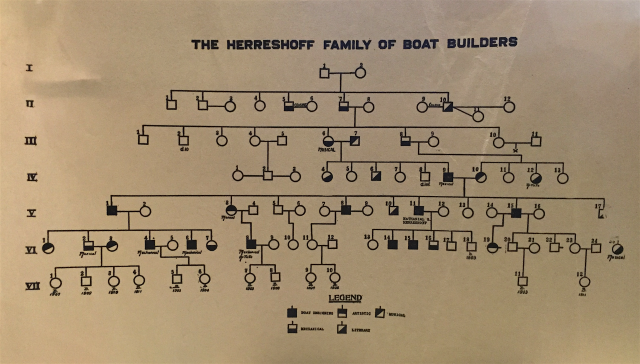
These days, I'm working on a book about heredity. This week I spent some time digging through the archives a historical society and came across this crazy pedigree from the early 1900s. At the time, the rediscovery of Mendel had set everyone abuzz, and a lot of scientists believed that everything was genetic--even boat building. (Note how some relatives were merely artistic, musical, mechanical, or literary. Heterozygotes, I guess...)


A Controversy over Trace DNA

Scientists can detect smaller and smaller amounts of DNA. While this advance has enabled scientists to study genes in greater detail, it also raises the risks of false positives. And when that false positive points to a criminal suspect, the stakes can be huge. I take a look at the controversy over trace DNA for my New York Times column this week. [Photo by Petra Fritz]
 
The Media Startup to Envy

Here's a portrait of Stat as a young publication. (Sorry, James Joyce.) Thanks to Columbia Journalism Review for the attention.
 
A Personal History of Science Blogging

Hippo Reads has published an excerpt from my chapter in Science Blogging: The Essential Guide. I offer up a personal history of science blogging over the last 15 years.
 
The Serengeti Rules

I wanted to elaborate about the new entry in my talks below. On March 15, I'll be at Cooper Union in New York to have a conversation with evolutionary biologist Sean B. Carroll. Carroll has done important studies on how new forms of animals evolve, and these days he is also vice president for science education at the Howard Hughes Medical Institute. Somehow, he finds time to write books, too, and really good ones at that--so good that he won this year's Lewis Thomas Prize for Writing About Science. Carroll and I will be talking about his latest book, The Serengeti Rules: The Quest to Discover How Life Works and Why It Matters. We'll be talking about everything from cancer to wildebeest. The talk is free--details are here.
 
The Talks

March 15: Cooper Union, New York. A conversation with biologist Sean Carroll

June 23-25: International Society for Evolution, Medicine, and Public Health, Plenary Lecture. Durham North Carolina. Here's the meeting site.

July 31: Keynote lecture at the annual meeting of the Botanical Society of America in Savannah

January 28-29, 2017 Rancho Mirage Writers Festival
 
The End
 
As always, if you have friends who would enjoy getting this newsletter, please let them know they can sign up at http://tinyletter.com/carlzimmer.

You can also follow me on Twitter, Facebook , LinkedIn, and Google+. And there's always carlzimmer.com.

Best wishes, Carl
Free post
#23
February 25, 2016
Read more

Friday's Elk, February 19, 2016

A Neanderthal toe bone full of DNA. Photo Bence Viola
Greetings--

A great week for gene flow...
 
Humans and Neanderthals Get More Intimate

Over the past few years, I've written several pieces for The New York Times about how our ancestors interbred with Neanderthals and other extinct human populations (in 2010, 2013, 2015, and again in 2015). Now comes a cool study that appears to uncover even more gene flow--not going from extinct humans into our own gene pool, but in the other direction. I don't know how many more of these big insights we will get in years to come. But it's clear that our understanding about human evolution is becoming profoundly different from what you would have read in the textbooks twenty years ago.

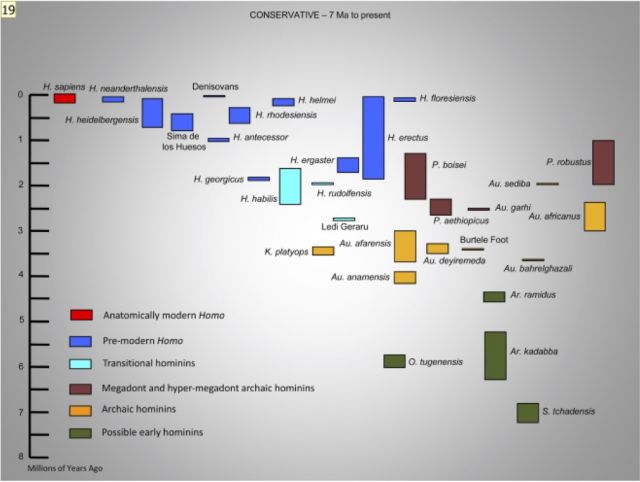
If you need a broader review of what we understand about human evolution--not just interbreeding in the past 100,000 years, but the past few million years of evolutionary change--the American Journal of Physical Anthropology just published a nice piece that's freely accessible. Here's a chart from the reviewing showing almost all the known variety of human relatives.
 
"Parasite Whisperer"--Like That's a Bad Thing?

As I mentioned last week, I wrote a column about a study suggesting that a parasite can make chimpanzees lose their fear of leopards. On Tuesday, my Phenomena colleague Ed Yong offered his own take. Like some of the scientists I talked to, he's skeptical. Ed mentioned my column, saying that "parasite whisperer Carl Zimmer was the first to write about the study." A member of Twitter nation wondered if that description of me was meant as an insult, and Ed explained that it wasn't. But it is true that others have had similar suspicions such as in this interview I had with Ira Glass on This American Life. "Mr. Zimmer, whose side are you on?"
 
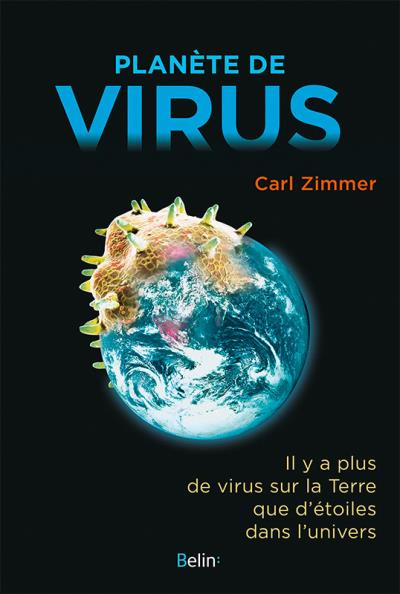
Vive La Planete de Virus!

The second edition of my book A Planet of Viruses has come out in a French translation. Here's the lovely cover. I'll be talking about the book on Podcastscience, a French podcast, on March 1. You can listen live. (My French is so primitif that I'll stick to English and let others translate.)

You can order the French translation here. (English version here.)


As If You Didn't Have Enough Science Email Newsletters...

It's remarkable that email newsletters--based on one the oldest forms of online communication out there--are the new hot thing. Be that as it may, they're very much a part of my own reading day, as they presumably are of yours. If you are looking for other science-related ones to subscribe to, here are a few of my favorites: Rose Eveleth, Alexis Madrigal, Ed Yong, and (coming soon) the Science Times section of the New York Times.
 
The Talks

June 23-25: International Society for Evolution, Medicine, and Public Health, Plenary Lecture. Durham North Carolina. Here's the meeting site.

July 31: Keynote lecture at the annual meeting of the Botanical Society of America in Savannah

January 28-29, 2017 Rancho Mirage Writers Festival
The End
 
As always, if you have friends who would enjoy getting this newsletter, please let them know they can sign up at http://tinyletter.com/carlzimmer.

You can also follow me on Twitter, Facebook , LinkedIn, and Google+. And there's always carlzimmer.com.

Best wishes, Carl
Free post
#22
February 18, 2016
Read more

Friday's Elk, February 12, 2016

Greetings--

My first cold of the season slowed down this week's newsletter. Between the sniffles, here we go:
 
Viruses and Birth Defects

As Zika virus spreads through the Western Hemisphere, scientists are investigating whether it's responsible for a burst of birth defects in Brazil, known as microcephaly. In this week's Science Times section of the New York Times, I wrote about other viruses, like rubella and cytomegalovirus, that can also harm a fetus if they infect a pregnant woman. Those lesser-known are providing a guide for research on Zika--but we still don't understand a lot of their biology.
 
I Love the Smell of Leopards in the Morning

I've written a lot about parasites over the years, ever since I wrote a book about them. But of all those parasites, the one I've written the most about is Toxoplasma. (Here are a few articles from 2006, 2011 2012, 2013, and 2014.) The science keeps moving forward, and so there's more to write. To understand how Toxoplasma alters our minds, scientists want to understand its evolutionary history. To that end, scientists recently ran a study on Toxoplasma-exposed chimpanzees. It's possible that the parasite makes them less fearful of leopards--which can serve as Toxoplasma's final host. I wrote about the research this week in my Matter column for the Times. Check it out.
 
Dinosaur Plumage

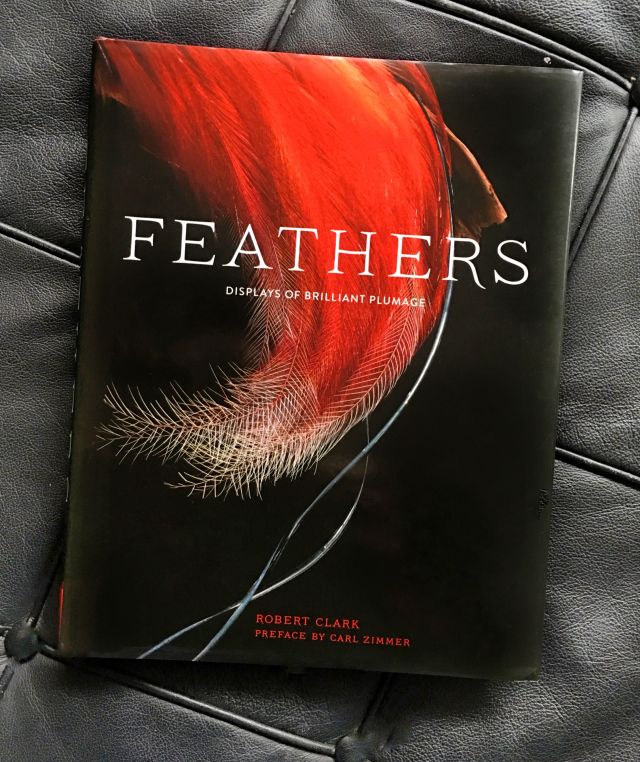
I met the photographer Robert Clark a few years ago when we worked together in China on a story for National Geographic about the origin of feathers. Clark went on to take a staggering number of photographs of gorgeous feathers all over the world. Now he's put them together in a book, for which I've written a preface. It comes out in April. You can pre-order it now.


The Talks

June 23-25: International Society for Evolution, Medicine, and Public Health, Plenary Lecture. Durham North Carolina. Here's the meeting site.

July 31: Keynote lecture at the annual meeting of the Botanical Society of America in Savannah

New!--> January 28-29, 2017 Rancho Mirage Writers Festival
 
The End
 
As always, if you have friends who would enjoy getting this newsletter, please let them know they can sign up at http://tinyletter.com/carlzimmer.

You can also follow me on Twitter, Facebook , LinkedIn, and Google+. And there's always carlzimmer.com.

Best wishes, Carl
Free post
#21
February 12, 2016
Read more

Friday's Elk, February 5, 2016

Greetings--

Happy February! I hope that you, unlike me, aren't greeting the new month with a rather unpleasant, unexpected snowstorm. If you need a little distraction between the roof-raking and snow-shoveling, here are a couple items:
 
An Ancient Genome And A Skipped Bit of Software

Last October, I wrote a column for the New York Times about the first ancient human genome recovered from Africa. Last week, however, I discovered that the scientists had made a small oversight in their analysis that led to a big problem in their conclusions.

I asked my editor what to do. Should we add a correction to my column? An update note?

Instead, my editor made the right call: just write a new column.

So I did. It was fun to follow up on the evolution of science, rather than just providing a snapshot of a single new paper.


The Lifespan Machine

For my new Science Happens video for Stat, I paid a visit to a lab where scientists observe thousands of little worms grow old and note the moment each of them die. No one has ever carried out such a precise observation of so many lifespans at once, and the experience has led these researchers to a pretty cosmic perspective on why we live as long as we do.

Added bonuses: cameos by Woody Allen and Monty Python. Watch it here.
 
The Talks

This week!-->February 11: "Is There A Future for In-Depth Science Journalism?" MIT Communication Forum Details here.

June 23-25: International Society for Evolution, Medicine, and Public Health, Plenary Lecture. Durham North Carolina. Here's the meeting site.

July 31: I'll be giving the keynote lecture at the annual meeting of the Botanical Society of America in Savannah
 
The End
 
As always, if you have friends who would enjoy getting this newsletter, please let them know they can sign up at http://tinyletter.com/carlzimmer.

You can also follow me on Twitter, Facebook , LinkedIn, and Google+. And there's always carlzimmer.com.

Best wishes, Carl
Free post
#20
February 4, 2016
Read more

Friday's Elk, January 30, 2016


Greetings--

Don't check your calendar. It is, indeed, Saturday, not Friday. As I was getting ready to put together this newsletter yesterday, I got a call from an editor who needed a story done fast. Everything had to go by the wayside, including Friday's Elk.
 
A Court Case Over Ancient Skeletons

As I've written about human prehistory in recent years, I've become aware of a pair of 9,500-year-old skeletons stuck in a legal limbo. For my New York Times column this week, I report on a Supreme Court decision that now transfers the bones to a California Indian tribe.
 
The Talks

February 11: "Is There A Future for In-Depth Science Journalism?" MIT Communication Forum Details here.

June 23-25: International Society for Evolution, Medicine, and Public Health, Plenary Lecture. Durham North Carolina. Here's the meeting site.

July 31: I'll be giving the keynote lecture at the annual meeting of the Botanical Society of America in Savannah
 
The End
 
As always, if you have friends who would enjoy getting this newsletter, please let them know they can sign up at http://tinyletter.com/carlzimmer.

You can also follow me on Twitter, Facebook , LinkedIn, and Google+. And there's always carlzimmer.com.

Best wishes, Carl
Free post
#19
January 29, 2016
Read more

Friday's Elk, January 22, 2016


Greetings--

In advance of the blizzard coming to my part of the world (and maybe yours), here are a couple stories, a video, and even a podcast for your wintry enjoyment:
 
Obama's Three Big Science Plays

The cancer "moonshot" that Obama announced at his State of the Union address last week was the last of three high-profile projects in biomedicine he's personally unveiled over the past three years. At Stat, I get some prominent scientists to gaze into their crystal ball and figure out what kind of legacy Obama is leaving behind with these trio of initiatives. One important lesson: actual moonshots are really expensive.
 
Sifting the Jewels from the Junk

Last year in the New York Times Magazine I wrote about the debate over how much of the genome is functional, and how much is junk. This week in the New York Times, I look at a new study that offers an intriguing way to distinguish between the two. By plunging into evolutionary history, scientists can discover hidden genes that actually make essential molecules.
 
It's Alive!

I've got a new video this week for my series at Stat, Science Happens. I pay a visit to a lab where scientists grow brains. There I discover the process is unsettlingly akin to making a loaf of bread.
 
Where's the Ketchup?

Over the weekend, the producers of Reply All, the excellent podcast about Internet culture, gave me a call to talk about the role of diversity in science. I talked about how bringing people together lets them see old problems in a new light--like bringing together an ecologist and a gastroenterologist to understand why someone gets sick. I chime in about two-thirds of the way through this week's episode.
 
The Talks

COMING UP!--> January 28: New Jersey Institute of Technology in Newark, NJ. I'll talk about how parasites can control their hosts' minds. Details here.

February 11: "Is There A Future for In-Depth Science Journalism?" MIT Communication Forum Details here.

June 23-25: International Society for Evolution, Medicine, and Public Health, Plenary Lecture. Durham North Carolina. Here's the meeting site.

July 31: I'll be giving the keynote lecture at the annual meeting of the Botanical Society of America in Savannah
 
The End
 
As always, if you have friends who would enjoy getting this newsletter, please let them know they can sign up at http://tinyletter.com/carlzimmer.

You can also follow me on Twitter, Facebook , LinkedIn, and Google+. And there's always carlzimmer.com.

Best wishes, Carl
Free post
#18
January 21, 2016
Read more
  Newer archives Older archives  
Bluesky
Threads
LinkedIn
Powered by Buttondown, the easiest way to start and grow your newsletter.