Friday's Elk

Archives
Subscribe

Friday's Elk

Archive

Friday's Elk, November 25, 2016


Apologies for the long radio silence. This month has been full of distractions, and not just the election. I went to London for a few days to report on a scientific meeting about evolution and cranking out a story about it. It was published this Tuesday by Quanta.

Seventy years ago, geneticists and other researchers created a new framework for investigating Darwin's theory of evolution. The Modern Synthesis, as it's now known, has been a powerful tool ever since. But in recent years, some scientists have argued that it needs an overhaul. They've developed a new framework that they call an "Extended Evolutionary Synthesis." They hold that we need a broader understanding of the causes of evolutionary change. Scientists need to take into account the constraints on development, for example. They need to explore how species shape their environment, which in turn shapes their evolution.

At the London meeting, some of these scientists were met head-on by skeptical biologists who don't see what the fuss is about. These debates are a vital part of the scientific enterprise, and I found it fascinating to watch one play out in such a public way. You can read my account here.

After I got home, I wrote a new column for the New York Times about global warming. In the past few weeks there's been a lot of news about just how hard the Arctic is getting slammed by the greenhouse gases we've put in the atmosphere, with insanely high temperatures and staggeringly low levels of ice.

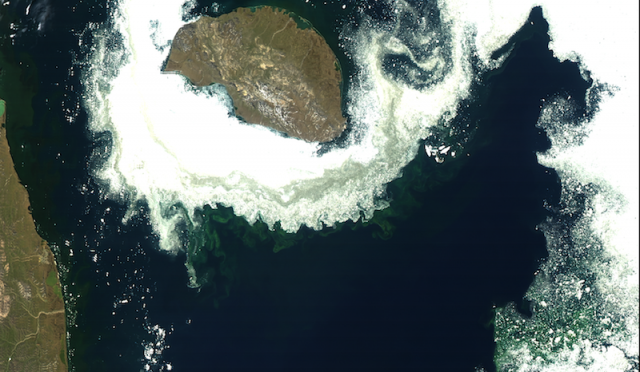
There are many reasons to take this change seriously, one of which is that the ecology of the entire Arctic Ocean is changing as a result. I wrote about a new study showing how the ocean's food web is getting massively altered by the retreat of the ice. You can read it here. (Image courtesy of Mati Kahru.)

I can't predict what this coming year will be like. But I do promise that I will work as hard as I can to learn about what scientists are discovering about global warming, evolution, and other aspects of the natural world, and I will write about it for you as accurately as I can. That's my job, and nothing will change that.
 
The Talks

January 28-29, 2017 Rancho Mirage Writers Festival

March 2-3, 2017 San Diego. The Future of Genome Medicine. Details here.
 
The End
 
As always, if you have friends who would enjoy getting this newsletter, please let them know they can sign up at http://tinyletter.com/carlzimmer.

You can also follow me on Twitter, Facebook , LinkedIn, and Google+. And there's always carlzimmer.com.

Best wishes, Carl
Free post
#57
November 25, 2016
Read more

Friday's Elk, November 4, 2016


This week I revisited the science of Ebola
.

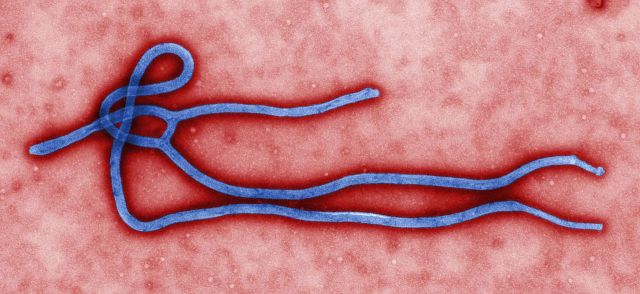
In 2014, in the midst of the the outbreak in West Africa, I wrote a couple articles for the New York Times about how Ebola works and how it evolved. At the time, there were a lot of claims that Ebola was on the verge of becoming an airborne nightmare, which I tried to debunk with inteviews with virologists and evolutionary biologists. Afterwards, I wrote a new chapter about Ebola for the second edition of my book A Planet of Viruses, which came out last year.

While the outbreak has ended, research on it continues. And two studies published this week (and a third on the way) indicate that a mutation arose in the epidemic that made Ebola better at infecting human cells. That's not the same thing as a virus sprouting wings, but it is a potentially worrying sign of Ebola's adaptability.

Next week, I'm going to be traveling to do research for my book on heredity and an article (details to come). So I'll be sending out the next Friday's Elk on November 18.

 
The Talks

January 28-29, 2017 Rancho Mirage Writers Festival

March 2-3, 2017 San Diego. The Future of Genome Medicine. Details here.
 
The End
 
As always, if you have friends who would enjoy getting this newsletter, please let them know they can sign up at http://tinyletter.com/carlzimmer.

You can also follow me on Twitter, Facebook , LinkedIn, and Google+. And there's always carlzimmer.com.

Best wishes, Carl
Free post
#56
November 3, 2016
Read more

Friday's Elk, October 28, 2016


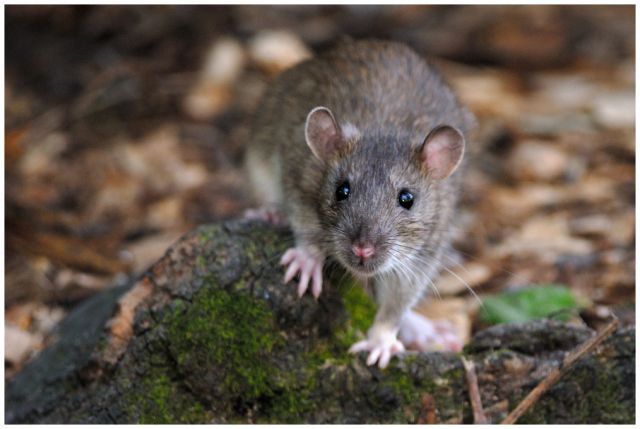
This week: a look at a globalist rodent...
 
A Rat's History of the World

A few years ago I clambered into some of the remoter corners of New York City's parks with the biologist Jason Munshi-South. I watched him study the city's wildlife, seeking to understand how New York was sculpting evolution. Out of that experience came an article for the New York Times.

I've followed Munshi-South's work ever since, and this week I wrote up his latest study. Recently Munshi-South and his colleagues took a look at the DNA of New York City's rats, trying to figure out where they came from. Ultimately, that question led them to ask how brown rats conquered the world. (Image: Wikipedia)
 
The Talks

January 28-29, 2017 Rancho Mirage Writers Festival

March 2-3, 2017 San Diego. The Future of Genome Medicine. Details here.
 
The End
 
As always, if you have friends who would enjoy getting this newsletter, please let them know they can sign up at http://tinyletter.com/carlzimmer.

You can also follow me on Twitter, Facebook , LinkedIn, and Google+. And there's always carlzimmer.com.

Best wishes, Carl
Free post
#55
October 27, 2016
Read more

Friday's Elk, October 20, 2016


Last week was a lull, but this week I have a few things to share...

 
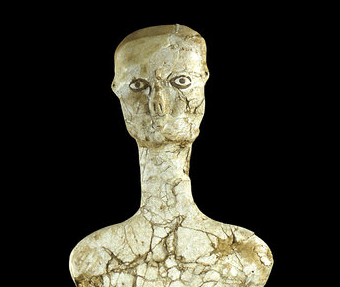
Who Were the First Farmers?

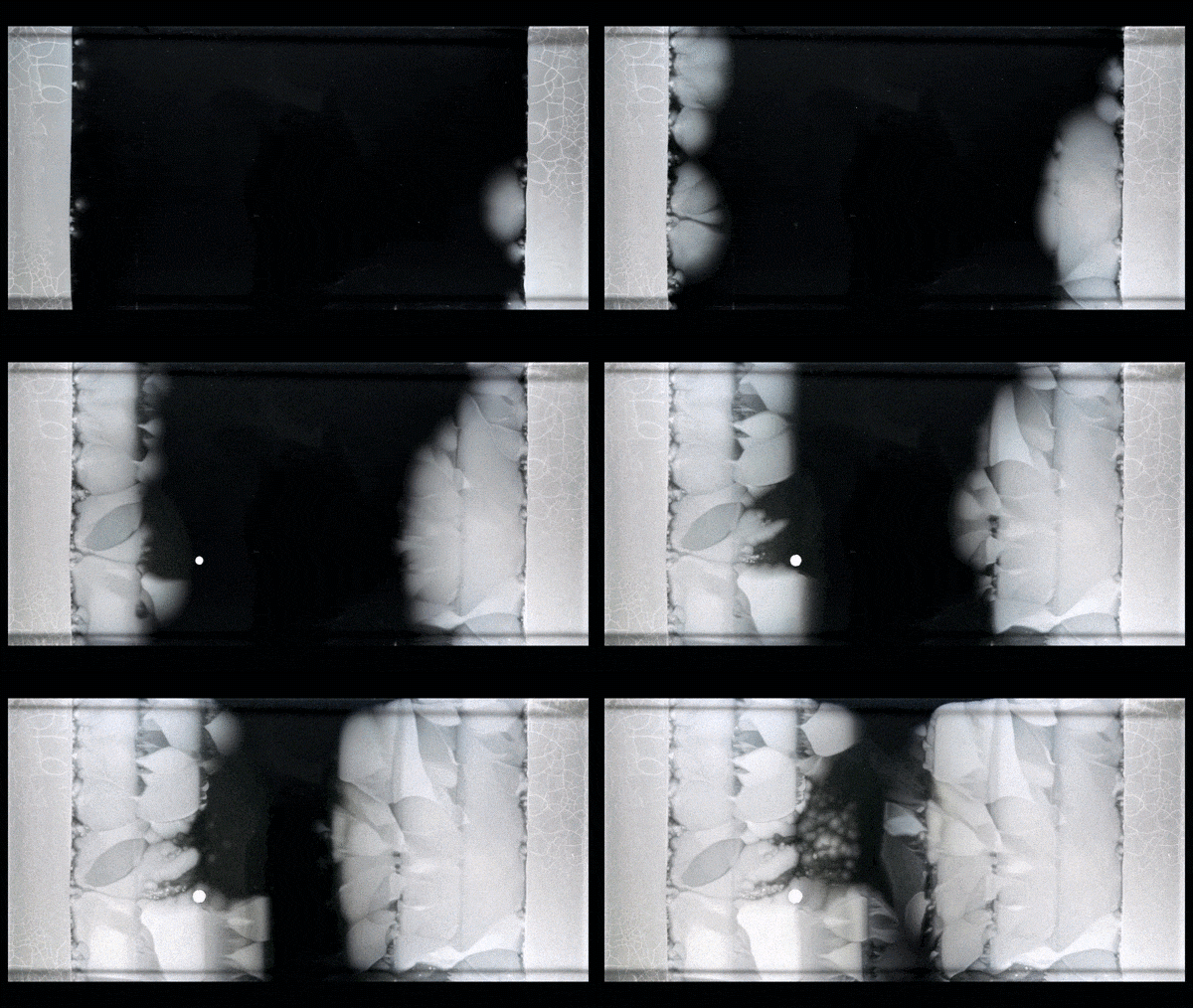
The agricultural revolution that began 11,000 years ago changed humanity as well as the planet. But how did the transformation happen? Some intriguing clues have emerged in recent months from ancient DNA extracted for the first time from the oldest skeletons of farmers. I wrote a feature for the New York Times about the new findings, and how archaeologists are folding them into their understanding of how farming began. (Image: P. Dorrell and S. Laidlaw/The Ain Ghazal Archaeological Project)

 
A Vaccine for the Common Cold?

In the early 1970s, scientists were making great strides towards a vaccine for the common cold. And then research ground to a halt. There hasn't been a human trial of a cold vaccine for forty years. Now there's a revival of research, driven by a realization that colds can be a lot worse than we once thought. I've got a story on the turnaround in Stat.

 
A Brain Workout

For my latest Science Happens! video, I paid a visit to Wendy Suzuki at New York University. Suzuki is exploring how the body can affect the brain--in particular, how exercise can improve our memory and attention. Suzuki put me on a treadmill and gave me some cognition tests to show me how it works. Check it out.


The Talks

January 28-29, 2017 Rancho Mirage Writers Festival

March 2-3, 2017 San Diego. The Future of Genome Medicine. ***Here's a pdf of the speakers.
 
The End
 
As always, if you have friends who would enjoy getting this newsletter, please let them know they can sign up at http://tinyletter.com/carlzimmer.

You can also follow me on Twitter, Facebook , LinkedIn, and Google+. And there's always carlzimmer.com.

Best wishes, Carl
Free post
#54
October 20, 2016
Read more

Friday's Elk, October 9, 2016

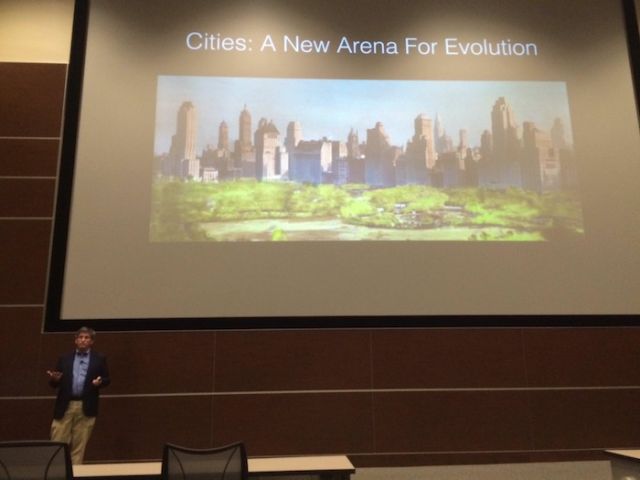
Thanks to Dana Ehret for taking pictures of my talk Thursday at the University of Alabama. Before speaking about human-driven evolution, I had an excellent day talking with UA biologists about turtles and death cap mushrooms and other glories of Alabama's biodiversity.

 
Does the Human Lifespan Have a Limit?

Aging is one of those science-journalism topics that never gets old. (Sorry.) Over the years, I've written a number of pieces on what happens when we get old, and why we get old in the first place. You can read some of them here here here and here. Also, you can watch this Science Happens video or this lecture I gave at Stony Brook on the evolution of aging (I wrote it up here.)

On Wednesday, a provocative new study on aging came out. Researchers looked at the demography of aging over the past century and came to the conclusion that we have hit a biological limit. I report on the study this week in the New York Times.
 
Creating A Portrait of the Human Gene Pool

At Stat, I've written a feature about a new way at looking at genomes: as a map-like graph. The genome graph may let scientists understand genomes at a deeper level, and understand the interconnections between millions of genomes at once. You can read it here.


The Talks

January 28-29, 2017 Rancho Mirage Writers Festival

March 2-3, 2017 San Diego. The Future of Genome Medicine. Details to come.
 
The End
 
As always, if you have friends who would enjoy getting this newsletter, please let them know they can sign up at http://tinyletter.com/carlzimmer.

You can also follow me on Twitter, Facebook , LinkedIn, and Google+. And there's always carlzimmer.com.

Best wishes, Carl
Free post
#53
October 8, 2016
Read more

Friday's Elk, September 30, 2016


It was a busy week for me: a talk in Boston, a shoot for an upcoming Science Happens video, and a lot of time spent burrowing deep into my next book. On Thursday I'll resurface in Alabama to give a lecture at UA about evolution in our own time. So, Alabamians, I hope to see you there! Here are the details about this free lecture.

 
The Talks

January 28-29, 2017 Rancho Mirage Writers Festival

March 2-3, 2017 San Diego. The Future of Genome Medicine. Details to come.
 
The End
 
As always, if you have friends who would enjoy getting this newsletter, please let them know they can sign up at http://tinyletter.com/carlzimmer.

You can also follow me on Twitter, Facebook , LinkedIn, and Google+. And there's always carlzimmer.com.

Best wishes, Carl
Free post
#52
September 30, 2016
Read more

Friday's Elk, September 23, 2016

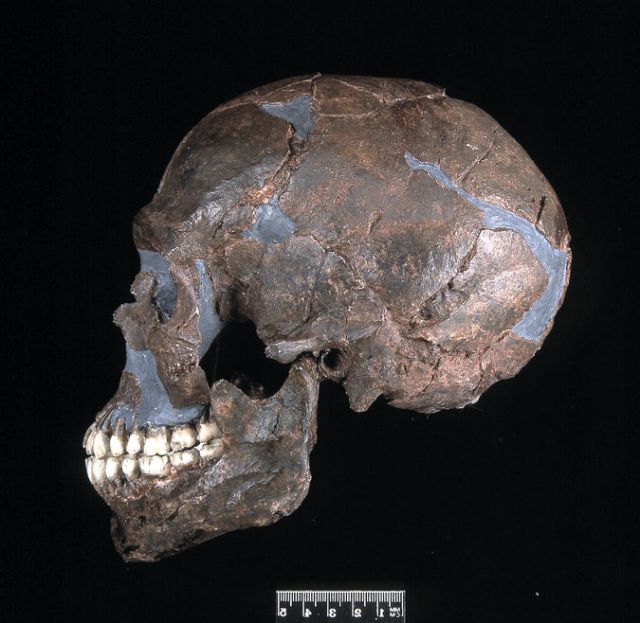
Photo: a 90,000-year-old skull from Israel. Christopher Stringer/National History Museum
 
Out of Africa: What the Genomes Say

Back in December, when I was working on a profile of the geneticist Eske Willerslev, he told me off the record that he and his colleagues had a huge new genome paper in the works that would offer a lot of clues about human history. But it would take a while to come out because similar papers were going to be published at the same time by other scinetists.

Well, the wheels turn slowly, but they were worth the wait. On Thursday's front page of the New York Times, I reported on four new studies that give an unprecedented look at our origins. There was a whole lot to write about--more than can fit in one article, so I focused on one of the most contentious questions in paleoanthropology: how did humans emerge out of Africa and settle the rest of the world? Some fascinating possibilities emerge from these new studies on hundreds of genomes.
 
Good Cop Meets Bad Cop in the Microbial World

My conversation with Sonia Shah and Ed Yong at the Brooklyn Book Festival has been posted on C-SPAN. You can watch it here.
 
The Talks

THIS MONDAY 9/26: Massachusetts General Hospital/Boston's HUBWeek. “The Art of Talking Science.” Here are the details.

October 6: University of Alabama, Tuscaloosa. Details here.

January 28-29, 2017 Rancho Mirage Writers Festival

March 2-3, 2017 San Diego. The Future of Genome Medicine. Details to come.
 
The End
 
As always, if you have friends who would enjoy getting this newsletter, please let them know they can sign up at http://tinyletter.com/carlzimmer.

You can also follow me on Twitter, Facebook , LinkedIn, and Google+. And there's always carlzimmer.com.

Best wishes, Carl
Free post
#51
September 22, 2016
Read more

Friday's Elk, September 16, 2016

Greetings! As you may have observed, there was no newsletter last Friday. I didn't have anything to point you to, and I was also swamped with stuff that wasn't yet ready for prime time.

But now I'm out of that knot. And so, without further ado...
 
The Antibiotic Crisis: What's New Is Old

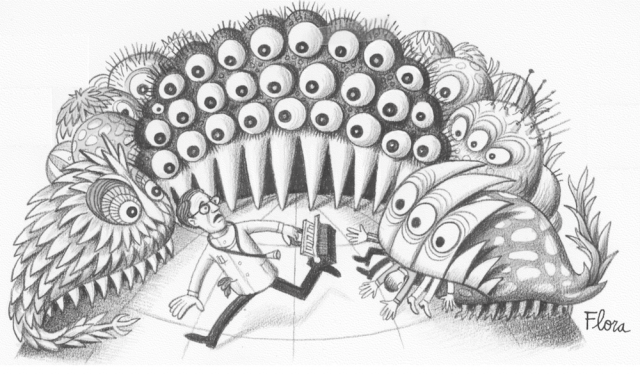
I'm really enjoying writing for Stat, in part because they're hungry for different sorts of writing about medicine and the life sciences. Exhibit A: They let me delve into history. My latest piece for them is on antibiotic resistance. It may seem like a new crisis that we're just coming to terms with. In fact, scientists started warning us about the coming failure of these wonder drugs 70 years ago. But nobody did anything about it. Why not? The answer can give us lessons for dealing with the crisis now that it's upon us. (Image from The Antibiotic Era.)
 
The Stephen Jay Gould Prize Lecture

As I mentioned earlier this year, I gave a talk in June when I received the Stephen Jay Gould Prize. I spoke about the latest findings on human evolution, and how they require us to revise our picture of our family tree. The video is now online, and you can watch it here.
 
Upcoming: Brooklyn Gets Infected, and "American Idol" for Scientists

Just wanted to draw your attention to two upcoming talks. On Sunday, I head to Brooklyn for the Brooklyn Book Festival, where Sonia Sha, Ed Yong, and I will talk about viruses, microbiomes, and other features of the invisible world on which our fate depends. Here are the details. It also looks like C-SPAN will be broadcasting it here.

And then on Monday, 9/26, I'll be at Massachusetts General Hospital for Boston's HUBWeek. At “The Art of Talking Science,” I'll be giving some opening remarks, after which I'll serve as one of the judges for a kind of scientific "American Idol," in which eight Boston biomedical researchers give presentations about their work. Here are the details.
 
What Are Our Genes Telling Us?

This week I was on the radio program "Innovation Hub" to talk about what you can and can't learn from your genome. I likened genomics today to eighteenth century astronomy: a growing science, but a blurry one.

Death to the Embargo System!

This item may feel to some of you like inside baseball, but it's important to us science writers. We are hemmed in by a system of embargoes imposed by prominent science journals. Personally, I think they're a bad idea. Now a hack of the dominant embargoed-news web site, has partially paralyzed the system. I think it may be a good exercise for us step out of the cave and blink in the sunlight. Over at Retraction Watch, some of us journalists exchange views on the issue.

 
The Talks

September 18: Brooklyn Book Festival. I'll be joining Ed Yong and Sonia Shah. Details here.

September 26: Massachusetts General Hospital. "The Art of Talking Science." Details here.

October 6: University of Alabama, Tuscaloosa. Details to come.

January 28-29, 2017 Rancho Mirage Writers Festival

March 2-3, 2017 San Diego. The Future of Genome Medicine. Details to come.
 
The End
 
As always, if you have friends who would enjoy getting this newsletter, please let them know they can sign up at http://tinyletter.com/carlzimmer.

You can also follow me on Twitter, Facebook , LinkedIn, and Google+. And there's always carlzimmer.com.

Best wishes, Carl
Free post
#50
September 15, 2016
Read more

Friday's Elk, September 2, 2016

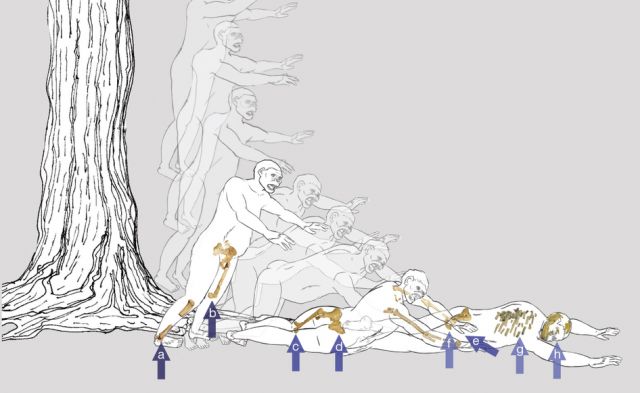
(Image: Kappelman et al, Nature)

A Life (And Death?) In the Trees

You've probably heard about Lucy. She's a 3.2-million-year-old relative of ours, a bipedal ape who only stood three feet tall. She's famous for the discovery of her partial skeleton in 1974, a discovery that enabled scientists to learn a lot about her life, and about her species, Australopithecus afarensis. Now a team of scientists has put forward evidence about how she died: by a long fall from a tree. If they're right, her death might actually tell us a lot about her life, too--and about how we evolved to walk upright. But hold on--as I wrote in the New York Times on Monday--a number of other experts don't think the scientists have made a compelling case. Regardless of how she died, however, this research has led to something pretty exciting: you can download the 3-D scans of some of Lucy's bones and print out replicas.
 
This Week In Genomes

I paid a visit to the good folks at This Week In Science on Wednesday to talk about getting my genome sequenced. You can watch here, although between my fuzzy camera and fuzzier beard, you may just want to listen.
 
Next Week In Nebraska

Just a reminder that I'm heading to Lincoln, Nebraska, next week to give a public lecture about our 500-year quest to map the brain. Details here.


The Talks

September 8: University of Nebraska. Lecture: A Journey to the Center of the Brain. Details here.

September 15: Washington DC. “The Emergence of Life: On the Earth, in the Lab, and Elsewhere.” Panel discussion at a daylong public conference at the Library of Congress.

September 18: Brooklyn Book Festival. I'll be joining Ed Yong and others. Details here.

October 6: University of Alabama, Tuscaloosa. Details to come.

January 28-29, 2017 Rancho Mirage Writers Festival

March 2-3, 2017 San Diego. The Future of Genome Medicine. Details to come.
 
The End
 
As always, if you have friends who would enjoy getting this newsletter, please let them know they can sign up at http://tinyletter.com/carlzimmer.

You can also follow me on Twitter, Facebook , LinkedIn, and Google+. And there's always carlzimmer.com.

Best wishes, Carl
Free post
#49
September 1, 2016
Read more

Friday's Elk, August 26, 2016

(Image: Wikipedia)

Hard believe it, but here's the last Friday's Elk of summer vacation...
 
The Amazing Axolotl

I recently paid a visit to the lab of Jessica Whited, an assistant professor in the orthopedic surgery department at Brigham and Women’s Hospital in Boston. Whited doesn't study people. Instead, she studies a spooky salamander called the axolotl. What makes the axolotl amazing is that it can regrow and entire leg in a matter of days. Whited is studying its powers of regeneration in the hopes of finding lessons that doctors can apply to people, coaxing our own bodies to fix themselves. I profile Whited in my latest "Science Happens!" video for Stat.
 
No Sleep Till Brooklyn!

The Brooklyn Book Festival has now posted the details for my talk on September 18. I'm joining fellow microbial enthusiasts Ed Yong and Sonia Shah to talk about bacteria, viruses, and how they protect and destroy us.


The Talks

September 8: University of Nebraska. Lecture: A Journey to the Center of the Brain. Details here.

September 15: Washington DC. “The Emergence of Life: On the Earth, in the Lab, and Elsewhere.” Panel discussion at a daylong public conference at the Library of Congress.

September 18: Brooklyn Book Festival. A panel on bacteria and viruses with Ed Yong and Sonia Shah. Details here.

October 6: University of Alabama, Tuscaloosa. Details to come.

January 28-29, 2017 Rancho Mirage Writers Festival

March 2-3, 2017 San Diego. The Future of Genome Medicine. Details to come.
 
The End
 
As always, if you have friends who would enjoy getting this newsletter, please let them know they can sign up at http://tinyletter.com/carlzimmer.

You can also follow me on Twitter, Facebook , LinkedIn, and Google+. And there's always carlzimmer.com.

Best wishes, Carl
Free post
#48
August 25, 2016
Read more

Friday's Elk, August 19, 2016


Front page news this week!
 
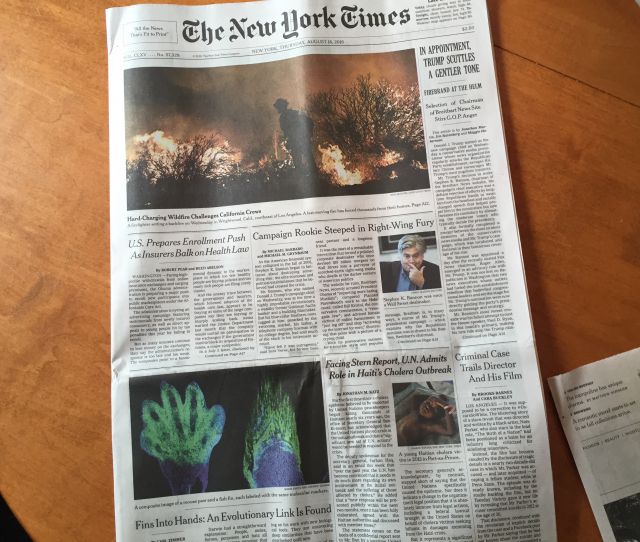
Hands and Fins, Twenty Years Later

Twenty years ago, scientists were starting to study evolution in a new way: by picking apart the genes that govern the development of animals. Reporting on their work for Discover at the time, I was incredibly excited to watch the research unfold. Scientists could generate hypotheses about genetic changes that occurred millions of years ago, giving rise to new structures like limbs and wings. This new field of "evo-devo," as it was sometimes called, helped inspire me to write my first book, At the Water's Edge.

This kind of science depends for its progress not just on new ideas but also new tools. In just the past few years, the gene-editing technology known as CRISPR has turned out to be a tremendously powerful tool for the evo-devo crowd, allowing them to find new secrets about evolution.

On the front page of Thursday's New York Times, I reported on a new study in which scientists used CRISPR to discover a hidden evolutionary link between our hands and fish fins. The research I wrote about this week was led by Neil Shubin of the University of Chicago. Two decades ago, when I was writing At the Water's Edge, I spent a few pages recounting the adventures of a young, up-and-coming evo-devo expert. His name was Neil Shubin.

Much to the regret of science writers everywhere, Shubin turned out to be an excellent author himself. For more on the evolution of limbs from fins, check out his book, Your Inner Fish, or the PBS series of the same name which he hosted.
 
A Game of Genomes Post-Script: The Database That Saved Me From A Lifetime of Dread

While working on my Game of Genomes series, I learned that I have a mutation in a heart-muscle gene that's been linked to sudden cardiac death. But I haven't been crying myself to sleep at night, because I also learned that the studies linking the mutation to the disorder were almost certainly wrong. A database called ExAC brought me that peace of mind. This week in STAT, I wrote about ExAC, and a new study by its creators on just how much it tells us about what we do and don't understand about the human genome.

 
The Talks

September 8: University of Nebraska. Lecture: A Journey to the Center of the Brain. Details here.

September 15: Washington DC. “The Emergence of Life: On the Earth, in the Lab, and Elsewhere.” Panel discussion at a daylong public conference at the Library of Congress.

September 18: Brooklyn Book Festival. I'll be joining Ed Yong and others. Details to come.

October 6: University of Alabama, Tuscaloosa. Details to come.

January 28-29, 2017 Rancho Mirage Writers Festival

March 2-3, 2017 San Diego. The Future of Genome Medicine. Details to come.
 
The End
 
As always, if you have friends who would enjoy getting this newsletter, please let them know they can sign up at http://tinyletter.com/carlzimmer.

You can also follow me on Twitter, Facebook , LinkedIn, and Google+. And there's always carlzimmer.com.

Best wishes, Carl
Free post
#47
August 18, 2016
Read more

Friday's Elk, August 12, 2016


Greetings after a week of vacation!
 
On the Origin of Orgasms (with a Surprise Cameo by JK Rowling)

Bet you never saw those words in that particular combination. Here's the story:

Recently two scientists put together a new hypothesis about the evolution of the female orgasm. They argue that female mammals had orgasms, or at least precursors of them, 150 million years ago. And it started out with a function that was lost in our ancestors long ago.

I wrote about their study, and the response from other researchers, for my column last week in the New York Times. It triggered a lot of comments, including much snark.

Even JK Rowling chimed in, cracking a joke on Twitter.

But a writer for the Daily Mail got my tweets mixed up and wrongly reported that I had scolded Rowling for not reading my article.

I tried to sort things out on Storify. No correction from the Mail, though.
 
A Game of Genomes Q & A

The Forward talked to me about my Game of Genomes series at Stat. We discussed what it's like to get up close and personal with your genome, and what DNA can--and cannot--tell you about yourself.
 
New Events

Just wanted to draw your attention to a couple newly added talks below--one with fellow scribe Ed Yong in Brooklyn, one at the Library of Congress, one at the University of Alabama, and one at the next Future of Genome Medicine meeting.


The Talks

September 8: University of Nebraska. Lecture: A Journey to the Center of the Brain. Details here.

September 15: Washington DC. “The Emergence of Life: On the Earth, in the Lab, and Elsewhere.” Panel discussion at a daylong public conference at the Library of Congress.

September 18: Brooklyn Book Festival. I'll be joining Ed Yong and others. Details to come.

October 6: University of Alabama, Tuscaloosa. Details to come.

January 28-29, 2017 Rancho Mirage Writers Festival

March 2-3, 2017 San Diego. The Future of Genome Medicine. Details to come.
 
The End
 
As always, if you have friends who would enjoy getting this newsletter, please let them know they can sign up at http://tinyletter.com/carlzimmer.

You can also follow me on Twitter, Facebook , LinkedIn, and Google+. And there's always carlzimmer.com.

Best wishes, Carl
Free post
#46
August 11, 2016
Read more

Friday's Elk, July 29, 2016

(Image: Wikipedia)

It's a little disturbing to realized that this is my last newsletter of July. Time is moving too fast. But at least I have accumulated a few things to offer you from the past week...
 
For Your Binge-Reading Consideration

I'm forever grateful that the good folks at Stat let me go a bit crazy in writing about my genome. Now at last the whole three-part beast is online, complete with my Neanderthal genes and inner viruses. If you haven't read it yet, now you can just binge through it like a night of "Breaking Bad."
 
Here's Season One.

Here's Season Two.

And Season Three.

For the scientific backstory, be sure to check out the supplementary data site.

I was also interviewed about the whole experience by Hank Green for his great Youtube series SciShow.
 
What Is a Wolf?

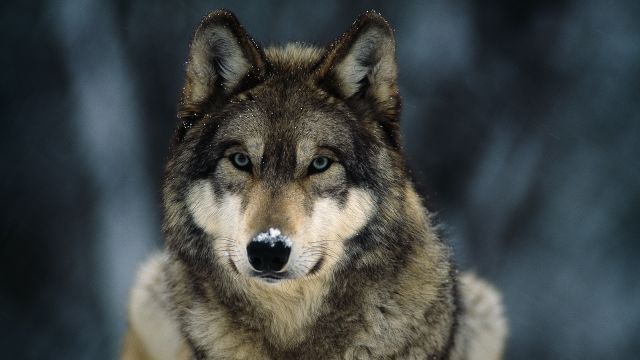
I've been fascinated for a long time about how we define species. Species are not fixed from time immemorial; they're the product of evolution and are themselves continuing to evolve--to split, to merge, to split again. In 2008 I wrote in Scientific American about the species puzzle, with wolves as my prime example.

Eight years later, wolves continue to challenge our typological thinking. A new study on wolf genomes may lead to a new way of drawing the line between wolf species--with major implications for how we conserve them. I have the story in my column this week in the New York Times.
 
When I Snap My Fingers, You Will Read This Article...

Hypnosis exists in that fuzzy space between stage performance and medical treatment. To figure out what is really going on when people get hypnotized, some scientists have turned to brain scanners. I wrote a piece for Stat about what they found.
 
A Little More Radio

I talked to WNPR about how global warming is changing the map of nature. (Here's a column from last year I wrote on the oceans in particular.)

I talked to WBEZ about an important new brain atlas. (Here's my column on the research.)
 
Should We Re-Engineer Humanity? A Video
 
As I mentioned in an earlier edition of Friday's Elk, I talked at the Strand Bookstore in New York with the historian Daniel Kevles about the past and future of gene editing. We asked each other a series of questions, and you can watch the video of our answers here.
 
The Talks

July 31: Plenary lecture at the annual meeting of the Botanical Society of America in Savannah: "Plants Are Weird: Epigenetics, Journalism, and the Alien Beauty of Botany"

September 8: University of Nebraska. Lecture: A Journey to the Center of the Brain. Details to come

January 28-29, 2017 Rancho Mirage Writers Festival
 
The End
 
As always, if you have friends who would enjoy getting this newsletter, please let them know they can sign up at http://tinyletter.com/carlzimmer.

You can also follow me on Twitter, Facebook , LinkedIn, and Google+. And there's always carlzimmer.com.

Best wishes, Carl
Free post
#45
July 28, 2016
Read more

Friday's Elk, July 22, 2016


Broken Genes and Protector Genes

The GOP convention is over, and summer has clamped its heat dome on us. This may be just the time for you to sit down with my "Game of Genomes" series at Stat.

Here's Season One.

Season Two came out on Monday.

And tune back in this coming Monday for the rousing finale, in which I use my genome as a time machine to look back our evolutionary past. Then I look forward to a time when we all get our genome sequenced at the doctor's office. (Alas, that future isn't coming tomorrow.)

Also this week, I had a blast talking on Reddit for one of their AMA's. You can read the conversation here.

I also talked to "How on Earth" on KGNU in Boulder, Colorado. Listen here.

I'll have links to other shows next week, too.
 
A New Map for the Brain

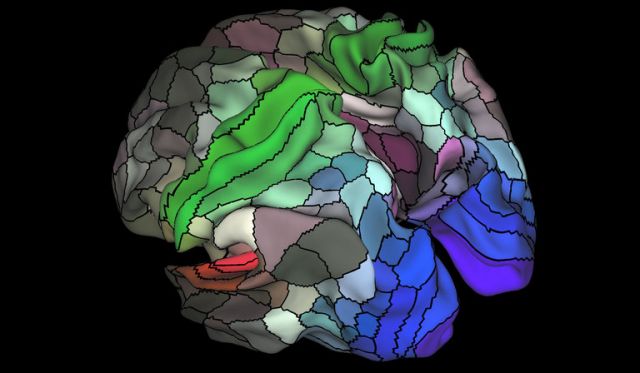
A couple years ago, I wrote a feature for National Geographic about the brain's new mapmakers. I've been trying to keep up with their work since then. This week, one team unveiled an impressive new map, based on intensive scans of hundreds of volunteers. I wrote about their work for my latest column in the New York Times.


The Talks

July 31: Plenary lecture at the annual meeting of the Botanical Society of America in Savannah: "Plants Are Weird: Epigenetics, Journalism, and the Alien Beauty of Botany"

September 8: University of Nebraska. Lecture: A Journey to the Center of the Brain. Details to come

January 28-29, 2017 Rancho Mirage Writers Festival
 
The End
 
As always, if you have friends who would enjoy getting this newsletter, please let them know they can sign up at http://tinyletter.com/carlzimmer.

You can also follow me on Twitter, Facebook , LinkedIn, and Google+. And there's always carlzimmer.com.

Best wishes, Carl
Free post
#44
July 21, 2016
Read more

Friday's Elk, July 15, 2016


"Game of Genomes" is here!

For the past few months, I've been traveling through my genome with the guidance of a couple dozen scientists. On Monday, Stat published the first part of my narrative of the experience. You can read it here.

As part of the package, I've also set up a parallel web site for the scientific nuts and bolts. I've posted some of the analysis that researchers produced while poring over my genome. And you can find the raw data of my genome there, too (including files of variants, and the original, gigantic BAM file). I hope it will be of use to teachers who want to show students how to make sense of a genome. I will add more materials as the next two parts of the series are published.

This week I also talked about the experience a few times.

Here's my interview with "The Takeaway."

Here's my interview with "Here & Now."

And here's an article in Boston Magazine.

On Monday, the second installment of "Game of Genomes" will be published by Stat. I'll be investigating some of the biggest mysteries of our genomes. Only about one percent of our DNA, for example, encodes protein-coding genes. The other ninety-nine percent is a vast expanse of junk with a few jewels sprinkled here and there. I enlist a scientist to help me hunt for one of those jewels and show me how it influences my health. I hope you enjoy it.
 
And Now For Something Completely Different: The Mysterious Healing Power of Poop

I can still remember the shock and disbelief I felt when I first heard about fecal transplants--a treatment for lethal gut infections that involves putting stool from a healthy person into a sick patient. Today it's clear that fecal transplants work very well--often curing patients for whom antibiotics have failed.

But why they work remains something of a mystery. Poop turns out to be remarkably complex. I write about the best hunches that scientists have so far for my column this week in the New York Times.

There's an intriguing parallel between their ideas and my earlier column about how soil microbes can protect crops from diseases. Microbiomes everywhere!
 
The Talks

July 31: Plenary lecture at the annual meeting of the Botanical Society of America in Savannah: "Plants Are Weird: Epigenetics, Journalism, and the Alien Beauty of Botany"

September 8: University of Nebraska. Lecture: A Journey to the Center of the Brain. Details to come

January 28-29, 2017 Rancho Mirage Writers Festival
 
The End
 
As always, if you have friends who would enjoy getting this newsletter, please let them know they can sign up at http://tinyletter.com/carlzimmer.

You can also follow me on Twitter, Facebook , LinkedIn, and Google+. And there's always carlzimmer.com.

Best wishes, Carl

Free post
#42
July 14, 2016
Read more

A Friday's Elk P.S.! I'll be on Reddit on Monday

Monday: Ask Me Anything!

I was so busy looking back at the week that was that I forgot to mention that, on Monday at 3 pm ET, I will be on Reddit for an AMA about my genome series.

I'll be answering questions about what it's like to look at your own genome, the future of genomes in medicine, the evolutionary clues hidden in our DNA, and whatever other questions you may have. Please join us.
 
The End
 
As always, if you have friends who would enjoy getting this newsletter, please let them know they can sign up at http://tinyletter.com/carlzimmer.

You can also follow me on Twitter, Facebook , LinkedIn, and Google+. And there's always carlzimmer.com.

Best wishes, Carl
Free post
#43
July 14, 2016
Read more

Friday's Elk, July 8, 2016


Last summer, I found a way to get my genome sequenced--and to get my hands on the raw data.

I then enlisted a couple dozen scientists to join me on a trip into my DNA, pushing beyond standard genetic counseling to discover the weirdness the lurks in all our genomes. I encountered ancient viruses, Neanderthal genes, broken genetic switches, and genes that protect me from diseases.

The experience was so rich and rewarding that I ended up writing a three-part series about it for Stat. The first part will come out on Stat Monday morning. The next two will come out the following Mondays. I hope you enjoy it! (And for scientists and other genome junkies, I'm going to set up a parallel site where all the data will be freely available.)

On Monday around 9:30 am ET I'm going to talk about the series on "The Takeaway." I'll also be talking about it in other venues in the days to come. I'll post updates on Twitter and Facebook, as well as in next week's newsletter.
 
The Talks

July 31: Plenary lecture at the annual meeting of the Botanical Society of America in Savannah: "Plants Are Weird: Epigenetics, Journalism, and the Alien Beauty of Botany"

September 8: University of Nebraska. Lecture: A Journey to the Center of the Brain. Details to come

January 28-29, 2017 Rancho Mirage Writers Festival
 
The End
 
As always, if you have friends who would enjoy getting this newsletter, please let them know they can sign up at http://tinyletter.com/carlzimmer.

You can also follow me on Twitter, Facebook , LinkedIn, and Google+. And there's always carlzimmer.com.

Best wishes, Carl
Free post
#41
July 7, 2016
Read more

Friday's Elk, July 1, 2016

(Photo of Drosophila: Wikipedia)

Happy July! Here are a couple things I published this week. I've also got a big project to unveil soon that I hope you'll enjoy. I'll spill some details in next week's newsletter.
 
What Do We Really Know About Epigenetics?

Epigenetics is one of those subjects that's irresistible to a science writer. Our DNA is enveloped by proteins and molecular caps that influence how active our genes can get. Some studies have suggested these epigenetic marks are the way in which the environment can reach into our cells and alter the workings of our DNA. But there's a big debate in the epigenetics field about just how meaningful that research is. The studies may only be uncovering biological randomness, or perhaps some other process in our cells. Given that I've written my own share of articles about epigenetics (here and here, for example), I decided I needed to pay some attention to the skeptics, too. That's the subject of my column this week in the New York Times.
 
Bedtime for Drosophila

My new Science Happens video is out. I pay a visit to the lab of Amita Sehgal at Penn, where she studies the sleeping habits of flies. It turns out that flies doze a lot like we do, down to the genes that control their inner clock. Check it out.
 
The Talks

July 31: Plenary lecture at the annual meeting of the Botanical Society of America in Savannah: "Plants Are Weird: Epigenetics, Journalism, and the Alien Beauty of Botany"

September 8: University of Nebraska. Lecture: A Journey to the Center of the Brain. Details to come

January 28-29, 2017 Rancho Mirage Writers Festival
 
The End
 
As always, if you have friends who would enjoy getting this newsletter, please let them know they can sign up at http://tinyletter.com/carlzimmer.

You can also follow me on Twitter, Facebook , LinkedIn, and Google+. And there's always carlzimmer.com.

Best wishes, Carl

Free post
#40
June 30, 2016
Read more

Friday's Elk, June 24, 2016

(Photo of Tasmanian Devil: Wikipedia)

Greetings from Durham!

Durham isn't quite the brutal oven that Austin was, but it's pretty sultry. I'm here for the annual International Society for Evolution, Medicine, and Public Health meeting. I gave a plenary talk about reporting on evolutionary medicine. Some stories virtually write themselves, while others, on tricky concepts like imprinting, require a lot of wrestling. With my talk over, I get to enjoy a couple days of presentations about research about everything from sex chromosomes to mountain sickness.
 
Contagious Cancer On the Loose

Sometimes I like to write about rare, weird corners of biology. One of my long-time favorites corners is contagious cancer: cases in which a cancer cell breaks free of its host and invades other bodies, evolving into an immortal parasite. Until last year, scientists only had good evidence for contagious in Tasmanian devils and dogs. Here are a few pieces I've written over the years in the Times and the Loom...

Scientists Discover Origin of a Cancer in Tasmanian Devils

Raising Devils in Seclusion

How A Dog Has Lived For Eleven Thousand Years–In Other Dogs

Now it turns out that contagious cancer may not be rare at all. For the full (and freaky) story, see my column this week in the New York Times.
 
The Memory Wars

I wrote a feature for Stat about a long-running debate about how memory works. It'a also a story about how scientific findings can get shot down, and what it takes for scientists to try to bring them back into favor.
 
The Talks

June 29: Boston: Festival of Genomics, Plenary Lecture, "Tales from the genome beat: how journalists explore (& sometimes get lost in) our DNA." Details here.

July 31: Plenary lecture at the annual meeting of the Botanical Society of America in Savannah. The talk is entitled, "Plants Are Weird: Epigenetics, Journalism, and the Alien Beauty of Botany"

September 8: University of Nebraska. Lecture: A Journey to the Center of the Brain. Details to come

January 28-29, 2017 Rancho Mirage Writers Festival
 
The End
 
As always, if you have friends who would enjoy getting this newsletter, please let them know they can sign up at http://tinyletter.com/carlzimmer.

You can also follow me on Twitter, Facebook , LinkedIn, and Google+. And there's always carlzimmer.com.

Best wishes, Carl
Free post
#39
June 23, 2016
Read more

Friday's Elk, June 17, 2016


Greetings from Austin!

I'm broiling under the Texan sun on a visit to the Society for the Study of Evolution's annual meeting. Last night I gave the Stephen Jay Gould Prize lecture, about our changing picture of human evolution. I talked about the articles I've written about in recent newsletters, on exciting new fossils and insights from DNA. In the 1970s, Gould pushed his readers to appreciate human evolution as a bush, rather than a simplistic march of progress. With lots of new fossils found since then, the human evolutionary trees is even more ramified. And all the interbreeding revealed in ancient DNA over the past 100,000 years between humans, Neanderthals, Denisovans, and other mysterious hominins has complicated our family tree even more.

It was a little spooky to talk with people after the lecture and realize that a lot of them may have been teenagers or even younger when Gould died in 2002. So if there are any whippersnappers among my Friday's Elk readers who don't really know who this Gould guy was, please go read his stuff. I'd suggest starting with a book of essays like Ever Since Darwin.

The lecture was recorded and will go on YouTube before too long. I'll link to it when it's up.

 
Dirt, the Great Defender

This week I wrote about dirt. Scientists and gardeners have long known that some kinds of soil can protect plants from diseases. Its defensive powers come from the microbes that live within it. In my latest column for the New York Times, I write about scientists who are beginning to understand how the soil acts like an immune system, and their attempts to harness this power to protect crops. (Photo: National Conservation Service)
 
The Talks

June 23-25: Durham, North Carolina: International Society for Evolution, Medicine, and Public Health, Plenary Lecture. Here's the meeting site.

June 29: Boston: Festival of Genomics, Plenary Lecture, "Tales from the genome beat: how journalists explore (& sometimes get lost in) our DNA." Details here.

July 31: Plenary lecture at the annual meeting of the Botanical Society of America in Savannah. The talk is entitled, "Plants Are Weird: Epigenetics, Journalism, and the Alien Beauty of Botany"

September 8: University of Nebraska. Lecture: A Journey to the Center of the Brain. Details to come

January 28-29, 2017 Rancho Mirage Writers Festival
 
The End
 
As always, if you have friends who would enjoy getting this newsletter, please let them know they can sign up at http://tinyletter.com/carlzimmer.

You can also follow me on Twitter, Facebook , LinkedIn, and Google+. And there's always carlzimmer.com.

Best wishes, Carl
Free post
#38
June 18, 2016
Read more
  Newer archives Older archives  
Bluesky
Threads
LinkedIn
Powered by Buttondown, the easiest way to start and grow your newsletter.