This week: This Pine Is No Scrub
Hello,
Virginia Pine sounds like an elegant evergreen. Scrub Pine? Less so—it sounds like a derisive label for a misfit tree. Yet both are common names for Pinus virginiana, a tree native to the Appalachians.
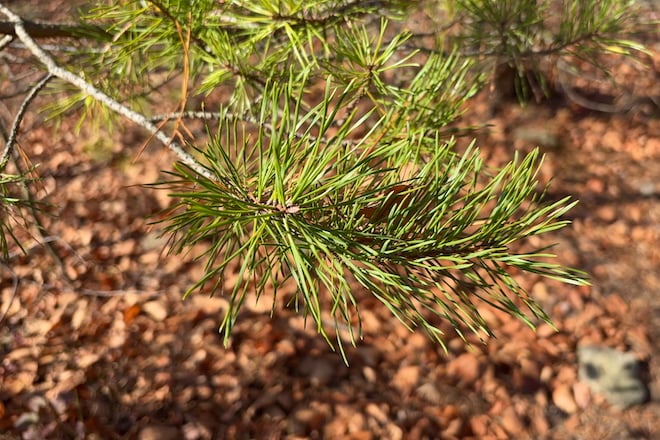
So, why the name Scrub Pine? Probably because of its looks. Compared to other eastern evergreens like the towering White Pine, Pinus virginiana is short and scraggly, ranging from 15 to 40 feet tall, often with contorted branches. Sometimes the entire tree grows off-kilter. Up close, it’s easy to identify. It has short, sharp, twisted needles about two inches long, in bundles of two. Its cones remain on the tree for several years, so they’re usually ever-present.
Its scrubby growth habit may be due to its habitat: full sun and poor soils. It’s notable as a pioneer tree after mountaintop removal and strip mining. In Pennsylvania and West Virginia, you can spot large stands in areas mined over the past few decades. It also grows on rocky slopes. Over time, Pinus virginiana stands decline as longer-lived hardwoods grow up around them and shade them out. And that declining Scrub Pine wood? It becomes a smorgasbord for woodpeckers.
And now, a fun fact. Pinus virginiana is a common Christmas tree in the South. It can be farmed there more readily than firs, pines, and spruces typical of more northerly climates. If you’re picturing Charlie Brown’s beleaguered Christmas tree, don’t! Christmas tree growers use seed selections that produce a fuller tree, and Virginia Pine responds well to trimming and shaping.
Elsewhere:
Does climate change also mean color change? This NPR feature examines how coral reefs, lakes, and even dragonflies are changing color as temperatures rise.
Have a great week,
Julie