Kids These Days Can Be Overtly Queer In Horror Media (And That's Mostly a Good Thing)
Hi all, happy Pride, and welcome back to So Desensitized! If you’ve seen my Instagram, you’ll know that today’s discussion is on queer-coding in horror, why it matters, and what it even is. This is one of my very favorite things to write about, so I hope you all enjoy! Happy reading and stay spooky!🏳️🌈🔪🩸
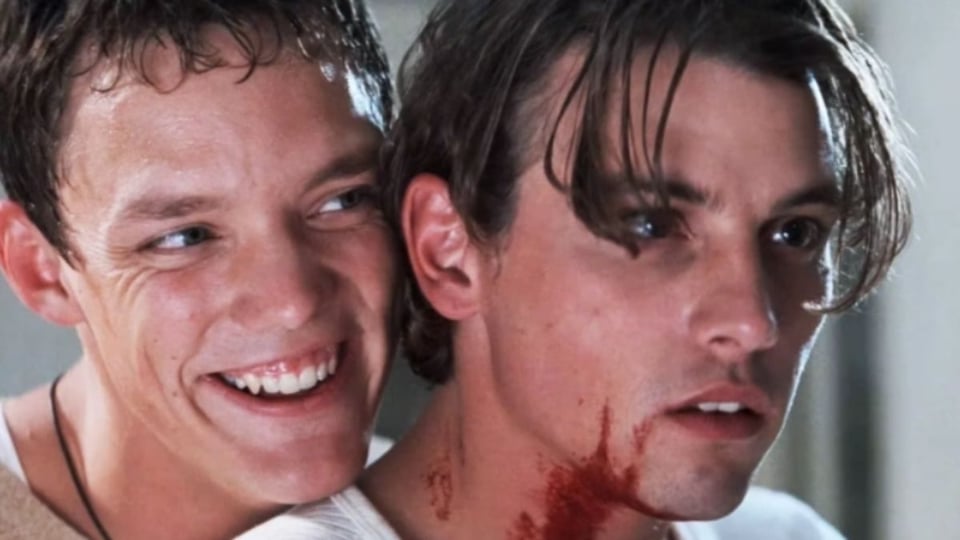
The history of queer-coding in horror goes back to the very beginning of horror, and I mean that literally. The first horror story ever, Mary Shelley’s Frankenstein is a story many queer people have found a home in, and not just for its themes. The character of Henry Clerval, and his relationship to the titular Victor Frankenstein (which I covered in the last Re-Animator post), are pretty overtly queer coded. Similarly, Bram Stoker began writing Dracula the year Oscar Wilde was incarcerated for homosexuality, with many queer-coded characters found within, all reflections of either Wilde or Stoker himself. A few years before, Wilde’s The Picture of Dorian Gray created such a stir that it was used as evidence in his trial, toeing the line of queer-coding and overt queerness. Queer people have always, and I mean always found a home in horror, whether they were technically meant to or not.
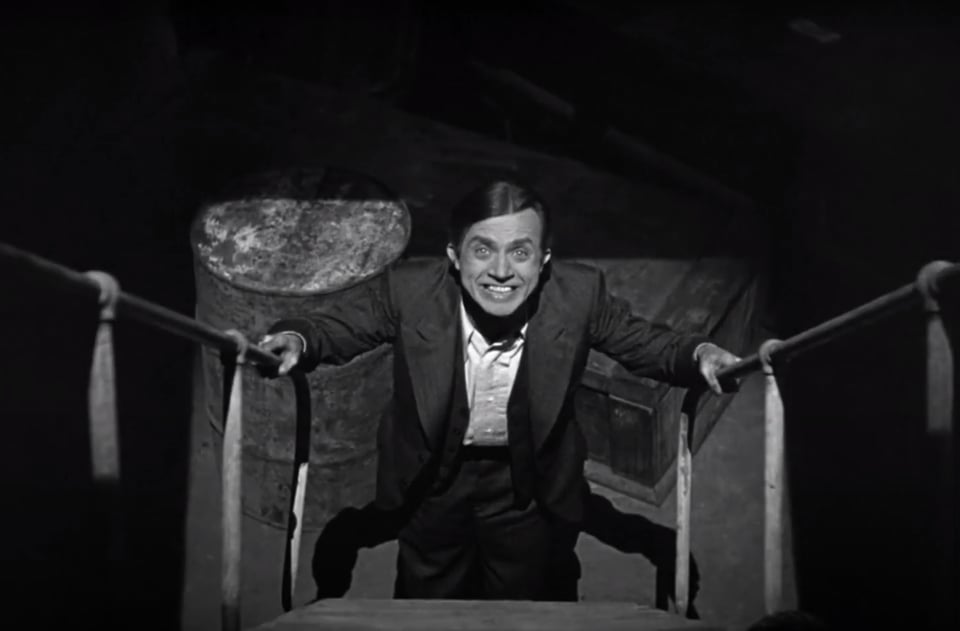
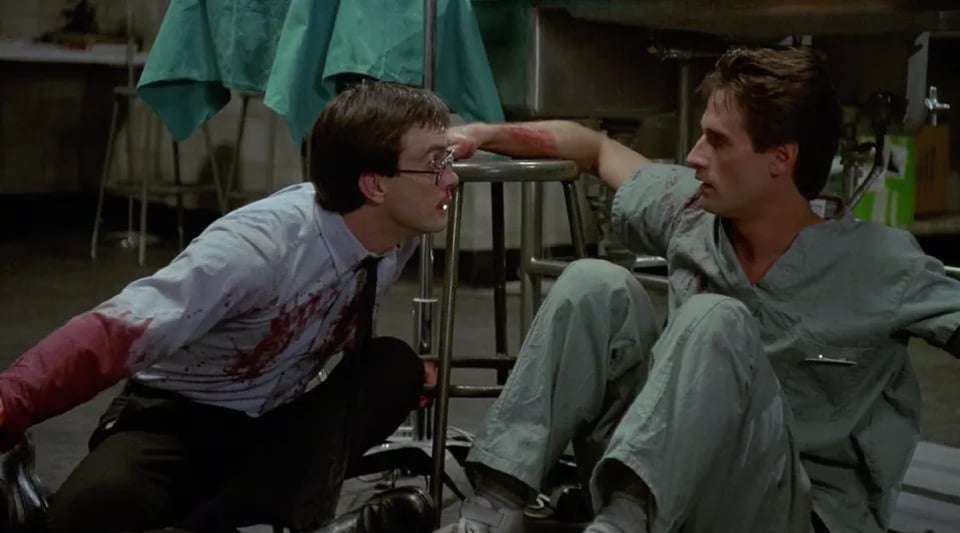
So horror’s been gay since the beginning. But the ways it expressed its queerness changed and evolved with the culture it was created in (for the purposes of this article I am, from here on out, exclusively discussing American culture around queerness). There are, essentially, three types of queer-coding that present themselves, in horror and beyond. The first, and most prevalent, is the corrupting and corrupted dynamic. Beginning with Henry Clerval and Victor Frankenstein, this archetype has endured all the way into the 21st century. Couples like Brandon Shaw and Phillip Morgan (Rope), David and Jack (An American Werewolf in London),Billy Loomis and Stu Macher (Scream), Dan Cain and Herbert West (Re-Animator), and Jennifer Check and Anita ‘Needy’ Lesnicki (Jennifer’s Body) are all examples of this phenomenon. This type of queer-coding presents homosexuality as a corrupting force, something that people fall victim to, which, of course, lends itself very well to horror. Love can make people do crazy things, like murder their classmates (two such cases), or re-animate the dead. This dynamic is specific to queer-coded duos, however. It leaves very little room for metaphor, or queer-coding of a singular person. It is also the longest running strategy for queer-coding characters, because it’s very easy. It’s indicative without having to commit too hard to actually doing anything. It’s the opportunity to show how much this person would do for this other person in the way that people do when they’re in love but leaves some room for ambiguity because they won’t kiss. They’ll just be completely insane about each other for ninety minutes and that’s meant to be enough.
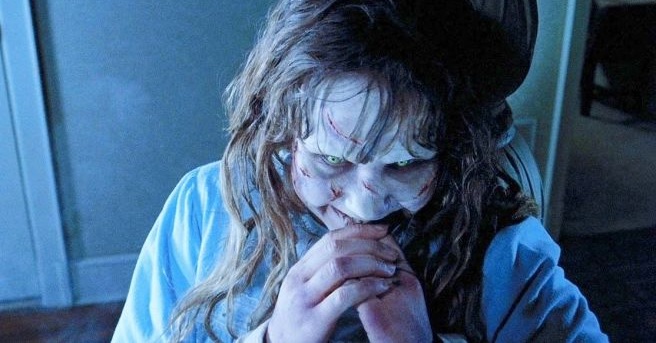
The second type of queer-coding is one that is almost impossible to do with couples, and that is the metaphorical kind. The this-movie-and/or-person-is-a-social-allegory kind of queer-coding. See The Exorcist, The Thing, or The Lost Boys. I also like to call this one the Something’s Weird Here, because it codes either the entire story or individual characters by placing them outside of societal norms and into a box labelled ‘weird’. Regan MacNeil’s possession is less about her and more about Father Damien Karras, but is also representative of the way girls who don’t fit how they should be are treated in society, leading Regan to be widely regarded as a queer allegory. The Thing is the most AIDS allegory anyone ever made. The entire plot is Something’s Weird Here, and that something is AIDS. The Lost Boys is kind of an AIDS allegory (most vampire movies are), but it is also kind of a corrupting/corrupted. David and his group of vampires symbolize those on the outside of society, shunned because they are dangerous to others’ ability to lead normal lives. Sounds pretty queer to me. A majority of metaphorically queer-coded movies and characters came out during the seventies and eighties. There are several contributing factors to this. The first is that they were still kind of riding the tails of the Hayes Code, where most villains were at least a little queer-coded because overt queerness was actually illegal. The second is twofold, in the form of the Tate/LaBianca murders, which bled into the emerging AIDS epidemic. The Tate/LaBianca murders gave way to characters like Regan MacNeil, women who couldn’t control their emotions or ever fit into society. The AIDS epidemic made everything an AIDS metaphor. And I mean everything. Name a movie from between 1981 and 1991 and it’s probably at least a little about AIDS. This, in a way, makes the entire movie queer-coded. Gay men were public enemy number one for a whole decade, and horror movies reflected that tenfold. The AIDS epidemic is largely responsible for the queer-coding of everything from Disney villains to Freddy Krueger and all following slashers. The metaphorical method of queer-coding is very hard to place, and often trips over itself and lands in overt queerness. But it is an important staple of queer-coding that bleeds into modern queer culture as queer people have begun directing their own stories.
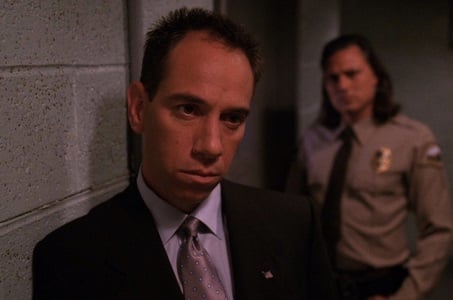
The final method of queer-coding is just barely a step below overt queerness, and that is the one I like to call Never Had Time For a Wife in reference to Billy Joel’s song Piano Man. This is not, as it might sound, exclusive to men. This is the phenomenon of a character who is simply too committed to some aspect of their own life, be it a job or their own solitude, to be in a relationship. Now, this has been a method of queer-coding since Jordan Baker in The Great Gatsby and before, but it kind of serves as the last gasp of queer-coding before people started being kind of allowed to be queer completely. Examples of this type of character include Ellen Ripley (Alien/Aliens), Albert Rosenfield (Twin Peaks), and Mrs. Danvers (Rebecca). This kind of character is few and far between, because, as I said, they’re just barely a step away from overt queerness. They don’t have a girlfriend/boyfriend because they don’t have the time. They’re too committed to space trucking or housekeeping. They tend to be kind of isolated, a little on the outside of society either by nature of their job or their personality. The loner character isn’t always queer-coded, but is often a vehicle for queer-coding. Sometimes, like in the case of Kelvin Gemstone in The Righteous Gemstones, the Never Had Time for a Wife character is given the development necessary to become an outwardly queer character, but that is exceedingly rare, because this kind of character often begins by being overtly queer in modern stories.
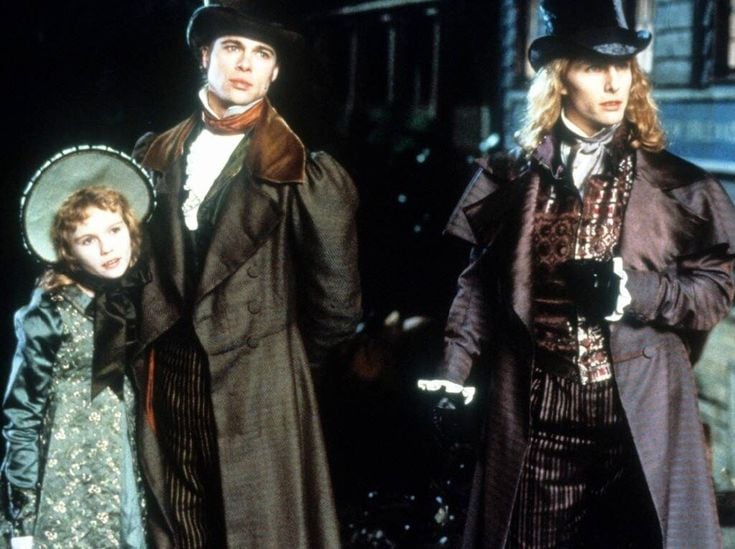
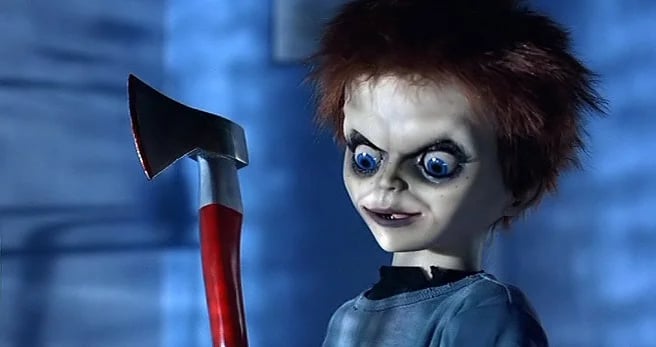
Which raises the question of where the line is. There are more types of queer-coding than I’ve listed here, and some of them toe the line very heavily. Louis and Lestat raise a child together, does that take their queerness over the line in the 1994 movie? Buffalo Bill is known to be gay, but not technically trans, so is that queer-coding or is it overt? Is Tiffany Valentine queer because she kissed the woman that her dead husband was possessing or is that something else entirely? Is Vasquez in Aliens overtly queer or is she queer-coded? Because I know that’s a lesbian but only by nature of her basically having a neon sign over her head that says BUTCH. As we get further into the future of horror, I’m seeing more queer and trans creators make stories with overtly queer characters in them, but often the idea of ‘good’ representation overshadows that of good characters. It’s a good thing that queer people are (mostly) allowed to exist in film in the modern day and age, but there’s just something about queer coding that really has a very special place in the hearts of many.
Queer-coded characters aren’t perfect. They’re not meant to be shining examples of queerness. They’re messy and mean and tired and villainous because they don’t have to be individually representative of a whole group of people. While overt queerness is a sign of progress, it can fall into stereotype and model minority myth very quickly in a way that queer-coding just didn’t. So I say bring back the messy queer characters. Bring back queer characters that kind of suck. Because no group is a monolith, and not every character is every person. Sometimes two teenagers decide to kill their classmates and be real gay about it, and those are the characters that have stayed in queer fans’ hearts all this time. So here’s to the First Husbands of Horror, and Angela Baker. Here’s to Buffalo Bill, Mrs. Danvers, Herbert West, Regan MacNeil, The Thing, Jennifer Check, and John Constantine. To everyone who started off queer-coded and ended up explicitly queer. To Bram Stoker and Jane Schoenbrun. And to everyone before and everyone after. Happy horror Pride.
Thanks for reading, all! Happy pride, happy reading, and stay spooky! 🏳️🌈🔪🩸