Kids These Days Aren't Patriotic Anymore
Hey all, and welcome back to So Desensitized! I know it’s a week late for a Fourth of July post, but I’ve got one anyway! I know the Fourth was…weird this year, to say the least, and I just hope that all of you enjoyed it in some way. And in honor of the occasion, we’re gonna talk about Americana horror today, a wide and varied genre that says a lot about our country and its culture (because it does have one). Happy reading, stay spooky, and visit your local library! 🎆🏈🔪🩸
American culture is strange and multifaceted, and so, of course, is the horror created within it. We’ve discussed the impact of current events and politics on horror before, but all horror is always affected by the undercurrent of the culture that exists in the time and place of its creation. This is a large part of what makes Americana horror difficult to define. In many ways, it would be easier for me to write about American gothic as a genre, because it is a little more confined. American gothic is things like John Steinbeck’s Of Mice and Men, or Tananarive Due’s The Reformatory. It’s gothic media reliant on its American setting. Much of classic gothic literature is what could, by these same standards, be called English gothic (Dracula, Frankenstein, Northanger Abbey, etc.). The categorization of Americana horror is much more complex, because these stories often exist within other subgenres. But also, since American fears influence all American horror media, it could be assumed that all horror that comes out of America is Americana horror. It’s a slippery slope to categorization, but it can be done. And that’s what we’re here to do today.
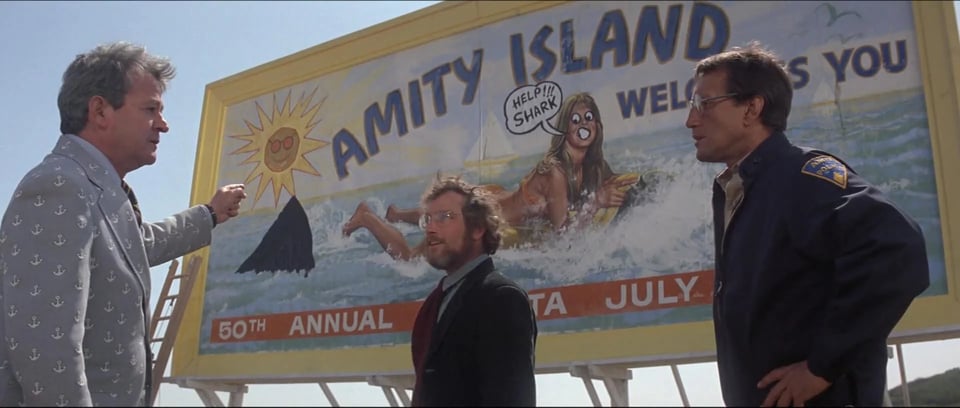
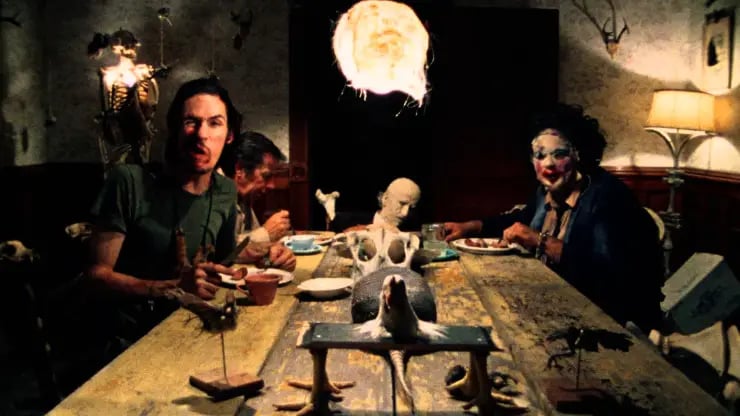
First, the phrase Americana horror indicates a distinct sense of patriotism. A belief in the country, if not its government. By this metric, there are very few Americana horror movies. Because, see, most American horror movies are incredibly critical of America. Think of any American horror classic (Alien, Halloween, Nightmare on Elm Street, Texas Chain Saw, Night of the Living Dead, Jaws…to name a few). Odds are, it’s not a movie that is particularly happy about the state of its country. Alien is about corporate negligence and the perceived value of capital over human life. Halloween is an indictment of the typical American teenager of the seventies. Texas Chain Saw is an art film about the true impacts of both the flower power movement and the Vietnam War. Night of the Living Dead and Jaws are both very overtly about incompetent authority figures during the Vietnam War. On the surface, these films are not patriotic. But deeper down, I’d say they are some of the most patriotic movies of the last century.
The point of patriotism is not to believe in your country as a perfect place, but as a place that can and should be made better. To be patriotic is to want your country to be a good place to be, and acknowledge when it is not. As such, movies that call out America’s failings are the most patriotic of all, as in shining light on the flaws, they show belief in a better America. George Romero did not hate America, and neither did Tobe Hooper or John Carpenter. They loved it enough to believe that it could be better. And that may very well be the most patriotic thing of all.
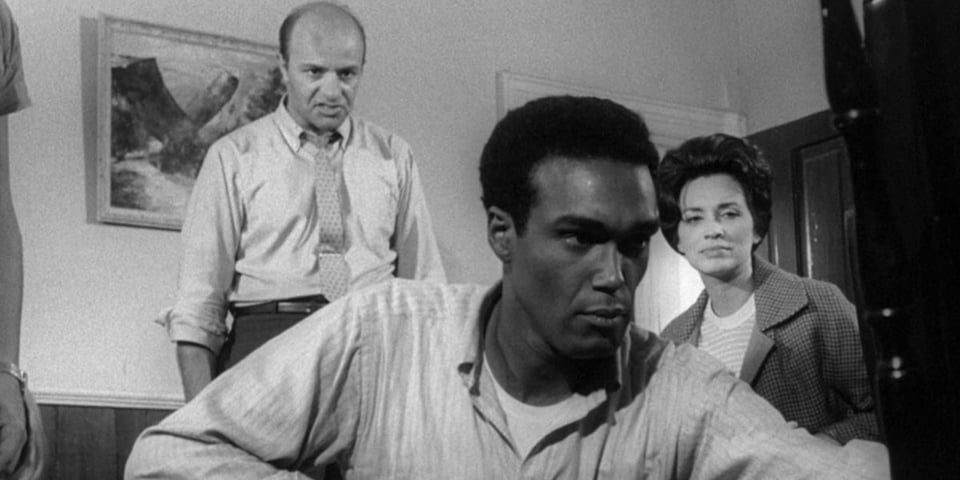
But none of that is to say that all of those movies are Americana horror. I’d say Night of the Living Dead and Texas Chain Saw are (and maybe Halloween), but otherwise, none of the others are what I’d call Americana. To me, Americana horror is reliant on two things: mythology and culture.
First, the mythology. This is what makes stories like Stephen Graham Jones’ The Buffalo Hunter Hunter and Ti West’s X trilogy both Americana horrors. They are reliant on the Great American Myth, as it were. Usually this refers to stories of the American West, but it more generally refers to the myths about itself America has gathered through the decades. The West is what the aforementioned pieces of media are both based in, but there are several American mythologies to choose from it’s almost embarrassing. This is largely because America is massive. There’s so much land, and so many places that are so different from each other that they create their own mythologies. There’s the rough and tumble cowboys and Indians narrative of the Wild West, the dazzling allure of New York City, solidified in the public consciousness by F. Scott Fitzgerald (or Zelda), the sweltering oppression of the South, the free land of the great plains, the sparkling promise of Hollywood…the opportunities for twisting Great American Mythologies are almost endless, not because there are many and varied ways to twist one myth, but because America is simply too big to hold one single mythology. So if you’re reading a horror book or watching a horror movie and you’re sitting there going ‘wow, this seems rooted in [insert American ideal here]’ congratulations! You’re interacting with Americana horror!
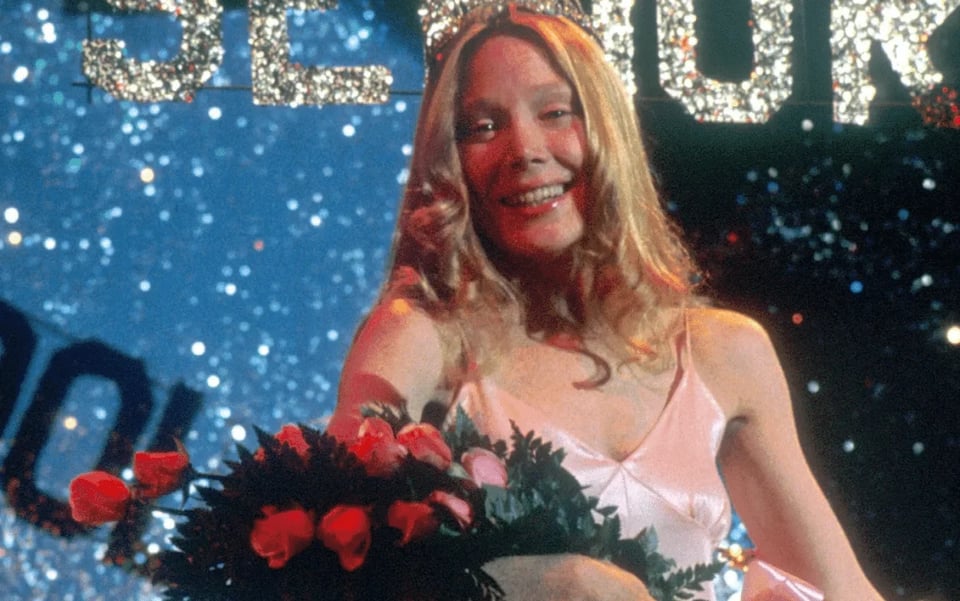
The other thing to watch for in Americana horror is culture. Is the main plot focused on something that could be considered American culture or tradition? This also extends to place. For example, both small town horror and specific big city horror can cross the line into Americana this way. A book or movie that is just set in Los Angeles or New York would not be considered Americana, but if the story relies on the facts of being in that city, there’s something to consider. Similarly, small town horror is not Americana by definition, but tends towards it because American small towns are a very specific kind of thing with a very specific kind of culture. In terms of larger American culture and tradition defining genre, this is where we get things like Carrie and The Lost Boys falling into this category. Carrie is reliant on the American tradition of prom, as well as the specific functions of an American high school, to work. It is focused on the experience of a teenage girl in small town America with a puritanically religious mother. Carrie is a truly American story in a way I wouldn’t call, say, The Shining Americana horror. Similarly, The Lost Boys exists in an environment that is very specific to America, and is tied directly to American traditions and media. Comics like the fictional Vampires Everywhere! Are incredibly American phenomena, as is the kind of town that Santa Carla is. The Lost Boys also relies on the American teenager to carry its story, and not just by nature of being a teenager in America. Both Sam and Michael are incredibly American in their teenage-hood, playing within stereotypes established in postwar America that carried into modern culture. This type of identification is a little harder to do, and, I hate to say it, kind of based on vibes. Mostly, we’re looking for whether or not a movie is incredibly reliant on either being set in America, or a specifically American cultural practice or tradition. Because, no matter what some people on the internet want you to believe, America does have culture. A beautiful and incredibly diverse culture, in fact.
America is, in many ways, a ghost of itself. This is why it lends itself very well to horror. The entire country is literally built on an ancient Indian burial ground. Within less than a century of existence it threw itself into a Civil War. America is, undeniably, a very dark place. It’s a place built on suffering and exploitation and capitalism. But that’s not all it is. There are people right now who, for some reason, very badly want to believe that America is worthless. These people will say that ‘American culture’ is either an oxymoron or just beer, guns, and trucks. And look, as someone who lives pretty squarely in the beer, guns, and trucks part of America, that is some of it. But that’s not the only culture America has. Most recently, the World Cup has shown us that American culture is a beautiful and welcoming thing. Americans are nice. They are welcoming. They want people to be in their country, because they think their country’s pretty great. I mean, it’s got Buc-ee’s and free chips and salsa. And I think that strange disbelief in the value of America as a country is why Americana horror is so important.
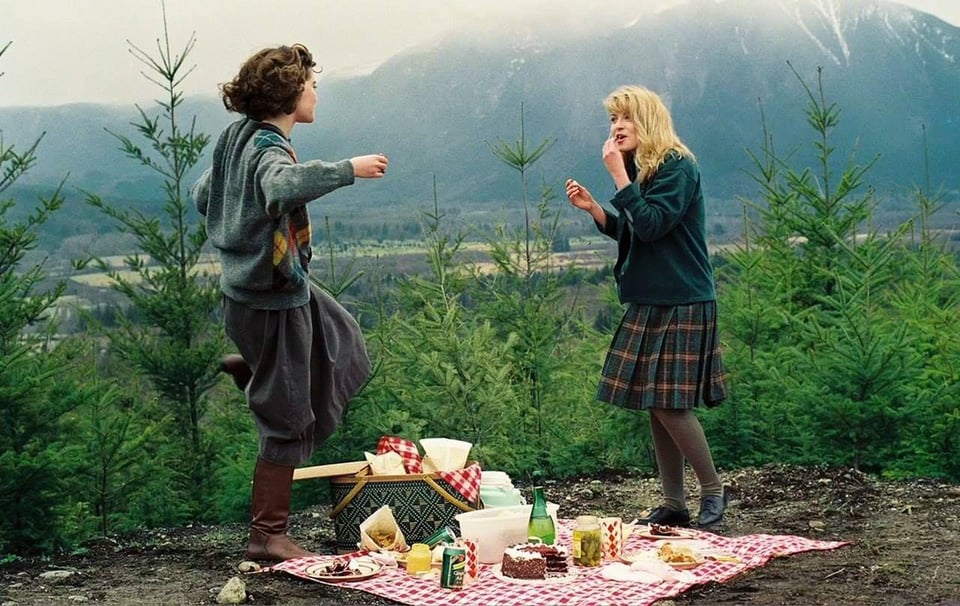
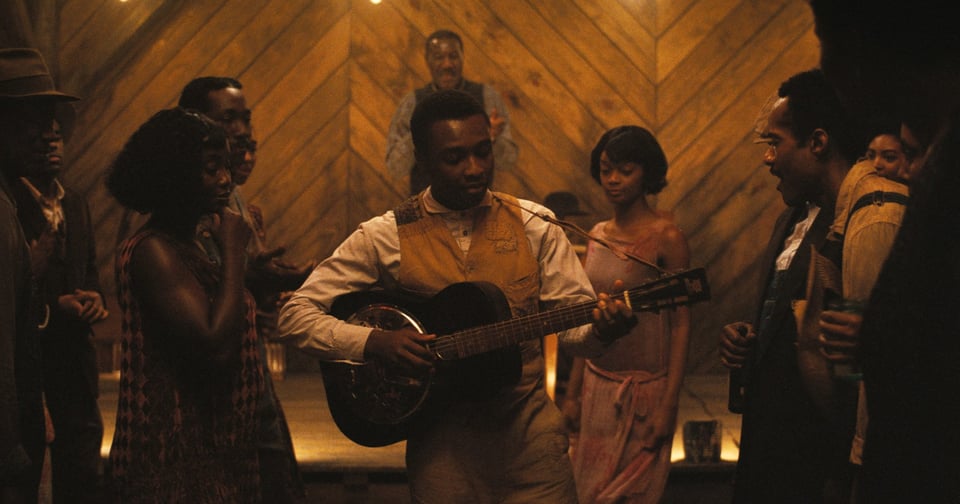
It’s important that books like The Buffalo Hunter Hunter, Preacher, and Carrie, and movies like Get Out, Texas Chain Saw, and Sinners drag the worst parts of America into the light right alongside the best, because what that does is it shows us how we can be better. It shows us what we are and can be, juxtaposed against the horrors we are built on and still operate within today. American culture isn’t just bastardized culture from other places, it’s a mix of all the kinds of people that ever came here, of everyone who ever believed in America. American culture is Carrie White winning prom queen, and the Santa Carla vampires ruling over their little beach town. It’s Preacher Boy Sammie in Sinners. It’s Good Stab and Three Persons confessing their sins in a little tiny church. It’s a social media trend that becomes the apocalypse and a struggling mother buying a possessed doll so her son could have the toy he’d been begging for. It’s Maxine Minx making her way in Hollywood and Laura Palmer losing herself to the evil that men do, to the evil in the woods of her perfect small town. It’s burgers on the Fourth of July and not closing the beaches. Because despite its darkness, America is worth believing in. And that’s all I have to say about that.
BOOK RECS:
The Buffalo Hunter Hunter by Stephen Graham Jones
The Reformatory by Tananarive Due
Preacher by Garth Ennis
American Rapture by CJ Leede
The Black Guy Dies First by Robin R. Coleman and Mark H. Harris
Witchcraft for Wayward Girls by Grady Hendrix
Carrie by Stephen King
Bat Eater and Other Names for Cora Zeng by Kylie Lee Baker
Wake Up and Open Your Eyes by Clay McLeod Chapman
Camp Damascus by Chuck Tingle
Listen to Your Sister by Neena Viel
Patricia Wants to Cuddle by Samantha Allen
We Have Always Lived in the Castle by Shirley Jackson
My Heart is a Chainsaw by Stephen Graham Jones
My Life, My Tapes: The Autobiography of Special Agent Dale Cooper by Mark Frost
The Eyes Are the Best Part by Monika Kim
The Devil all the Time by Donald Ray Pollock
The Mummy, the Will, and the Crypt by John Bellairs
Black Hole by Charles Burns
The Exorcist by William Peter Blatty
The Weight of Blood by Tiffany D. Jackson
The Secret Diary of Laura Palmer by Jennifer Lynch
Maeve Fly by CJ Leede
The Only Good Indians by Stephen Graham Jones