From Gothic Mansions To Southern Suburbs: The Journey Of The Literary Vampire
Hi all, and welcome back to the 2026 So Desensitized Spooky Season Spooktacular! Today wer’re wrapping up week one with a chat about all your favorite literary bloodsuckers, from Dracula to ‘Salem’s Lot. Happy reading, stay spooky and check some of these out at your local library!
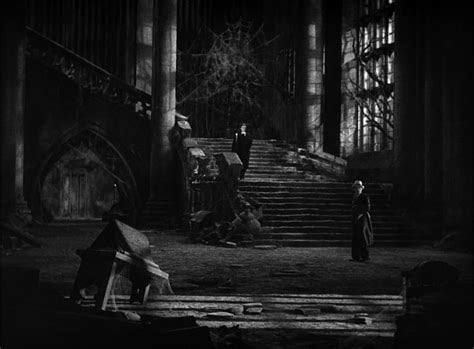
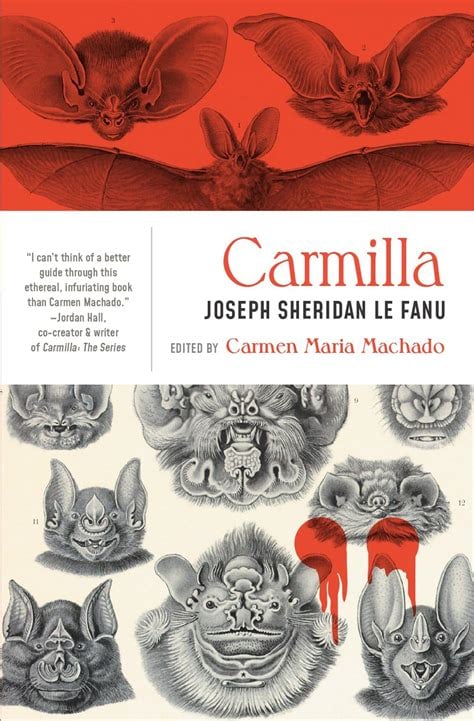
The history of literary vampires doesn’t start with Dracula. It starts with Carmilla. (Well, technically it doesn’t really start there either, on account of the centuries of oral tradition and folktales, but for simplicity’s sake most experts say that it’s Carmilla.) Carmilla is similar to Dracula, pulling from the same mythologies and source material, though it is much shorter, with far fewer characters and plotlines, and a lot more overt queerness than Bram Stoker could afford to put in Dracula. It’s a story we all know. Girl meets girl, girl falls for girl, girl has her life force slowly drained by girl through a series of terrifying dreams, girl learns girl is an evil immortal countess and watches as she is exhumed and beheaded. Pretty standard, as these things go. Dracula and Carmilla exist together in a little sort of classic vampire bubble, though one tends to enjoy more of the spotlight than the other. Carmilla, published in 1872, predates Dracula by 25 years, setting the stage for Victorian gothic literature in the years to come, though it enjoys a simplistic sensibility that was not frequently shared by its descendants. Both were written by Irishmen, though one clearly enjoyed a little more freedom than the other, because Carmilla is almost shockingly queer.
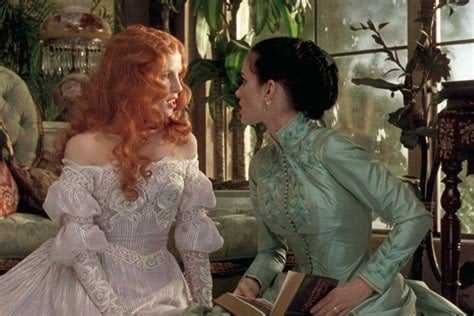
Interview With The Vampire didn’t invent gay vampires, and neither, really, did Carmilla. But Carmilla set the stage with them, these two girls falling in love even as they destroy each other. From their very first meeting, Laura is taken with Carmilla’s beauty, wishing to be around her all the time as her dearest friend. As they grow closer, Carmilla assures Laura that they belong to each other, and will be together always. This companionship provides an interesting contrast to Stoker’s vampire, a creature that cannot love, or even pretend to convincingly. Carmilla was borne of history, the treachery of the old European royalty, and their connections to history and mythology. Meanwhile, Dracula came from self-hatred, loathing of that which made Bram Stoker a person. What this ended up meaning was that Dracula was a love story about people defeating darkness, while Carmilla was a love story that ended in the tragic realization that Carmilla was not who Laura thought she was.
It’s not entirely hard to see why Dracula gained more fame than Carmilla - more action, more characters, much longer, much bloodier - but it did lead to the phenomenon of most vampire novels being variations on Dracula in some way. For most of these, they are based on Dracula in the same way that literally every single slasher movie is based on Pyscho, which is to say, by definition only. Others, like Stephen King’s ‘Salem’s Lot, are really closer to retellings than anything.
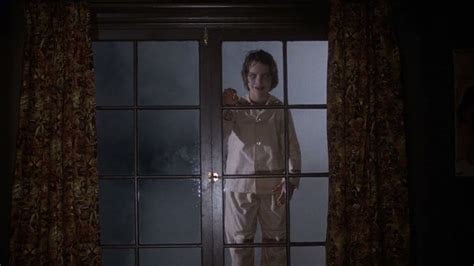
‘Salem’s Lot is, in fact, a seminal vampire novel. The master of horror’s second book, it details the downfall of a small town in Maine (surprise, surprise) to vampires, following the turning of a young boy. It’s an excellent slow burn, with most of the book being about the ordinary lives of the townspeople of ‘Salem’s Lot, as most of them don’t realize what’s happening until it’s too late. And how could they? The vampirism spreads across ‘Salem’s Lot like a virus, and no one who gets sick immediately assumes they’re a vampire. At least, I don’t ‘Salem’s Lot functions as a look at what might have happened to London, if Jonathan Harker & Co. hadn’t been successful in stopping Dracula. And between it and Dracula, we’ve got ourselves a vampire canon that is drawn from almost constantly.
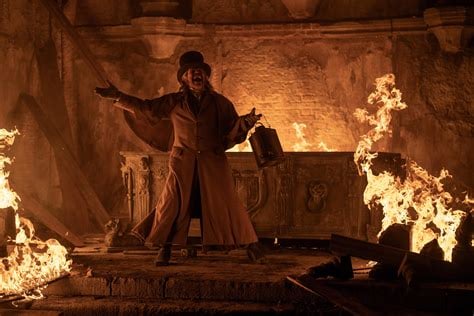
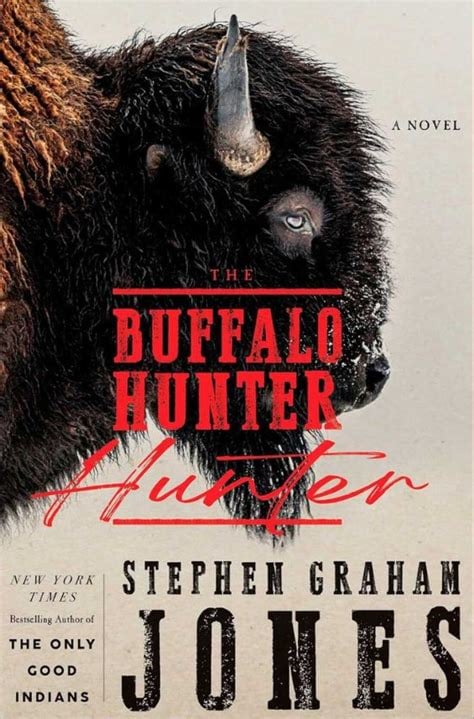
You can basically connect any modern vampire novel to one of four things: Carmilla, Dracula, ‘Salem’s Lot, or Interview With The Vampire. There’s usually overlap between these categories, but they function as the main frames of reference for all vampire novels. For example: The Southern Book Club’s Guide To Slaying Vampires by Grady Hendrix is a ‘Salem’s Lot, where Stephanie Meyer’s Twilight is an Interview With The Vampire, and Stephen Graham Jones’ The Buffalo Hunter Hunter is, believe it or not, a Carmilla. Now of course, this classification boils all of these stories down to the very basic elements of their plot, setting, and characters. This is not to say any of these books are derivative of these source materials, but it is to say that none of them would exist without them, and all carry slightly more of one with them than others.
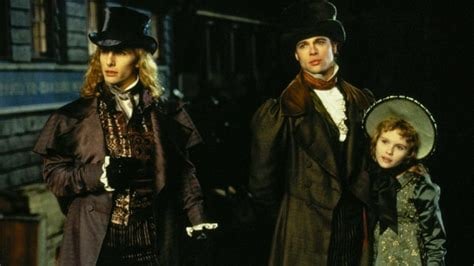
The past thirty years or so have seen an absolute embarrassment of vampire books, beginning with, unsurprisingly, Interview With The Vampire. Coming on the back half of the paperback boom, Anne Rice’s Vampire Chronicles kickstarted a vampire craze that has lasted right up until today. It made vampires camp. It made vampires gay and melodramatic and a little tiresome. None of the books are well-written but no one could really find it within themselves to care. The Vampire Chronicles introduced vampires into the modern era, and they never really left. While The Southern Book Club’s Guide To Slaying Vampires owes most of its plot and general vibes to ‘Salem’s Lot, it owes basically its entire existence to Interview With The Vampire. Perhaps less obviously so than, say Twilight, but vampire novels would not enjoy the success that they do without the melodramatic, pulpy success of Lestat de Lioncourt and Louis de Point du Lac and all their weird-ass family dysfunction.
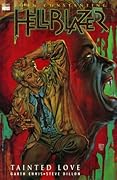
As far as modern vampires go, they’re a diverse and varied bunch. Non-white vampires have come a long way, especially in literature, since their (dubious and distincly racist) origin in, you guessed it, Carmilla, with novels like Alexis Henderson’s House of Hunger and Stephen Graham Jones’ The Buffalo Hunter Hunter. Queer vampires have worked on themselves a lot since the absolutely heaping portion of self-hatred served up in Dracula, with, most obviously, Interview With The Vampire, but also sleeper hits like John Ajvide Lindqvist’s Let The Right One In. Not only that, but vampire romances are on an exponential rise, making for sweet and spooky fall reading. Read all of Jenna Levine’s work. Thank me later. Outside of prose, even, vampire comics are slinking from the shadows and finding their way to your bookshelves. Dracula made his return to comics around this time last year, kicking off BOOM! Studios’ new Universal Monsters series, and even old standbys have had their turn at the undead, with beloved characters like John Constantine and Hellboy each interacting with vampires and vampire royalty from their own mythologies throughout the years. It used to be that vampires were ancient evils, scouring the Earth for the blood of innocents. Now, they could also be swoony romantic heroes, action-y comic book villains, metaphors for AIDS, studies in belonging and identity, sparkly high eternal high school students, kind-seeming neighbors, the kind-seeming neighbors’ child…the list goes on and on as the vampire canon expands, building on itself in a chaotic and beautiful way.
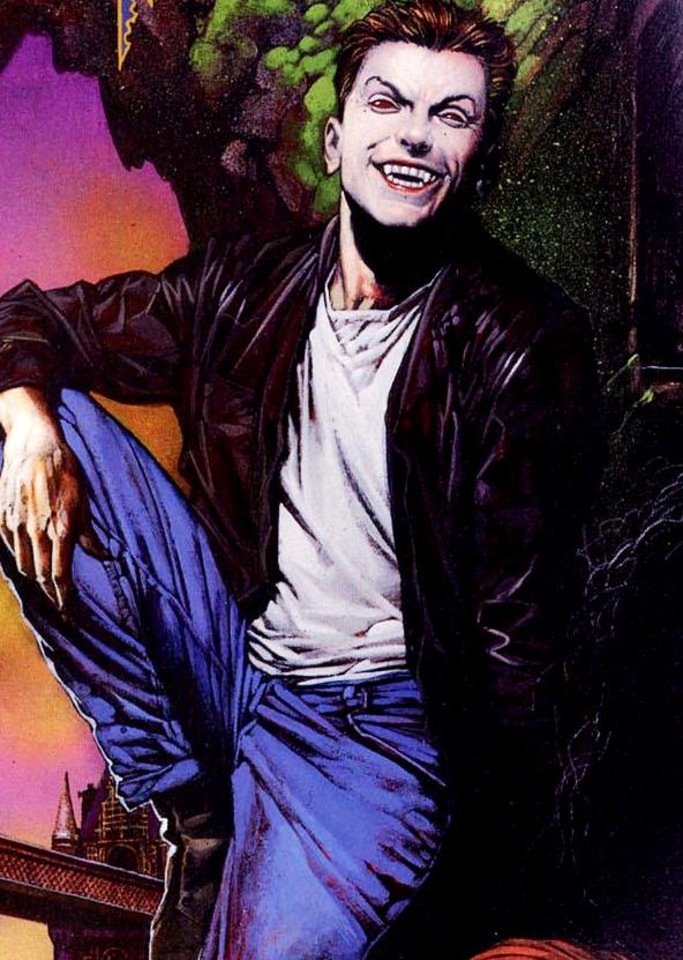
The point is, the history of vampires in literature is long and storied. It took actual centuries to get to where we are now, and vampire stories are still evolving, changing with the times, the culture they find themselves in, and fashion trends. Vampires, as they say, never die. And their stories will live forever in haunted castles, southern suburbs, high school football games, and wherever the hair on the back of your neck starts to stand up as you become aware of the creeping feeling that you’re not alone.
Thanks for reading, all! I hope you enjoyed this look at vampires in literature, and will check out the books mentioned! The full list is compiled on my Pagebound profile, so take a look! Happy reading, stay spooky, and don’t stay up too late!