Oceans of Time: Romantic Vampires in the Modern Day
Hi all and welcome to the first official post of the So Desensitized Spooky Season Spooktacular 2026! Starting out with some classic vamps, we’re going way back to vampire cinema’s humble beginnings - but in their modern incarnations. Happy reading, stay spooky, and start working on your Halloween costume if you haven’t already! 🌹💘🧛♂️🔪🩸
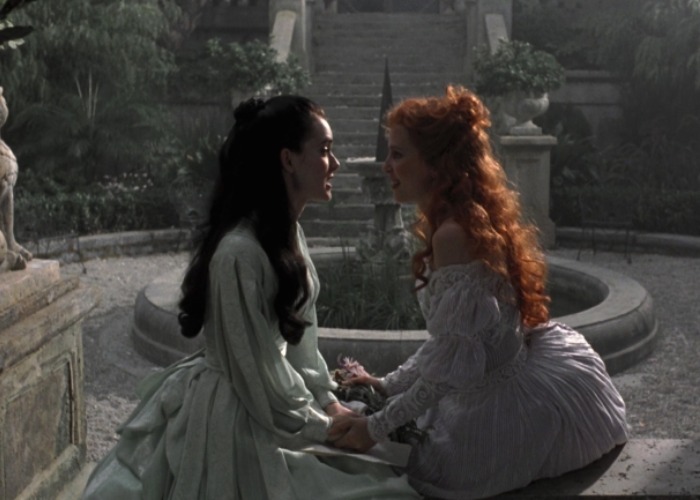
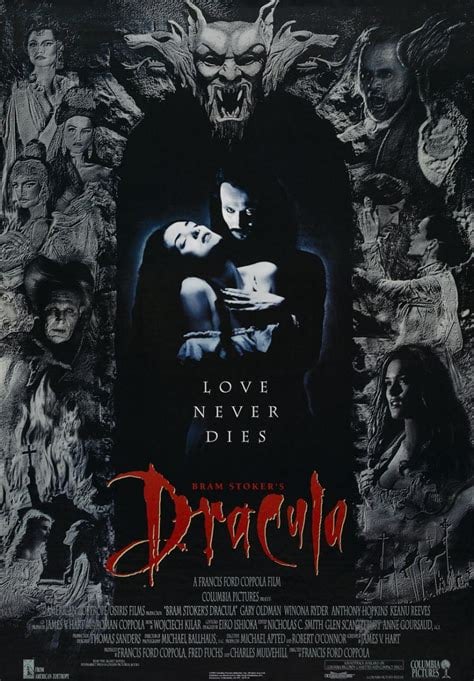
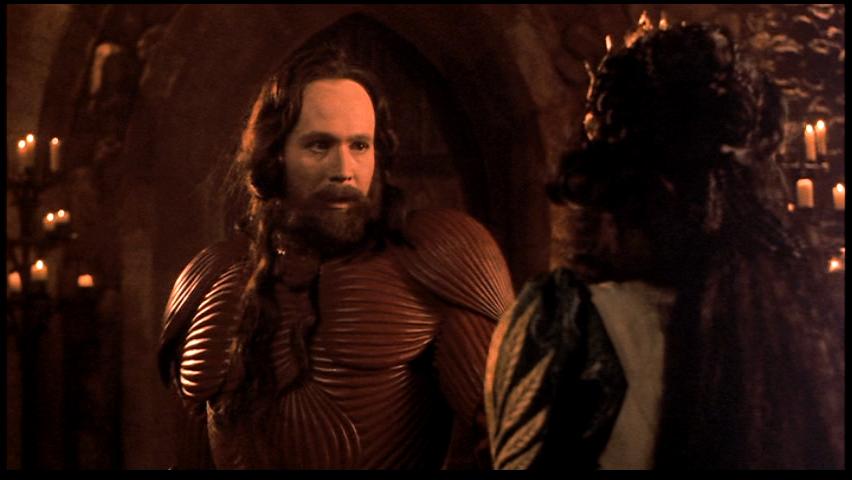
Before I say what I am about to say, I would like to clarify that I think this movie is beautiful. The acting, directing, cinematography, costumes, etc., all wonderful. Winona Ryder is a national treasure and Lucy’s costume post-transformation is the stuff of legends. That said, I truly think that the script of Francis Ford Coppola’s Bram Stoker’s Dracula (1992) is an insult to Bram Stoker. A real, genuine, how-dare-you-put-his-name-on-there, insult to the original story and the meaning behind it. That said, it is also the closest we’ve ever gotten to a truly book accurate screen adaptation, with the notable exception of Robert Eggers’ Nosferatu (2024).
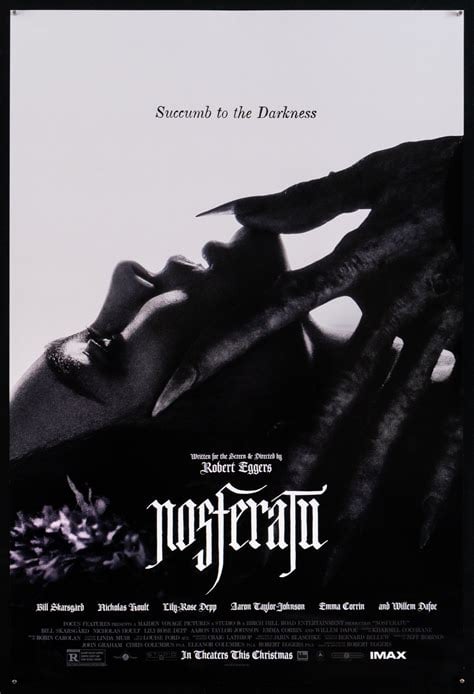
For those of you who don’t know, F.W. Murnau’s Nosferatu: A Symphony of Terror (1922) is an unauthorized Dracula adaptation, meaning that all Nosferatu adaptations are also Dracula adaptations. (Fun fact: all copies of Nosferatu (1922) are pirated because the Stoker Estate ordered that it not be released. The more you know!) As such, Robert Eggers’ Nosferatu should be understood not just as a remake of Nosferatu, but an adaptation of Dracula. And I’m not joking when I say it’s the most accurate one we have, for one reason and one reason only. And that reason has nothing to do with its many deviations from the actual plot of the book, the changes in the characters, or its absolutely gorgeous gothic sensibilities. It lies, instead, in the relationship between Ellen (Lily-Rose Depp, stand-in for both Mina Murray and Lucy Westenra) and Count Orlok (Bill Skarsgård, stand-in for Dracula). It was billed, in trailers, posters, and promo clips, as something romantic, something akin to Coppola’s Dracula, perhaps. But a viewing of the actual movie reveals that it is something much darker, stranger, and closer to Stoker’s original vision.
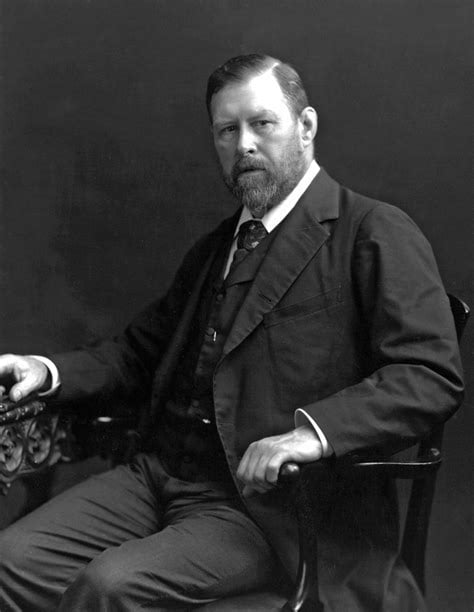
In Dracula, the relationship between Mina and Dracula is one entirely built on fear and possession. Dracula is introduced as an overly friendly, hairy, Eastern European man who is maybe a little too obsessed with England, then is slowly revealed to be the horrifying, baby-eating, wife-possessing, innocent-maiden-killing vampire we all know and, for some reason, love. And that reason is entirely the fault of Francis Ford Coppola. Mina and Dracula’s relationship is fraught and terrifying because it is known to be based on Bram Stoker’s relationship to his own homosexuality and, to some degree, Oscar Wilde. Dracula represents the parts of Bram Stoker that he sees as horrifying. Things that keep him from ordinary society, keep him hidden away from the light, unclean and unfit for love. Dracula is abusive and manipulative, systematically removing first Lucy, then Mina, from the people they love by twisting something within them to make them unknowable to the world outside of him. There is nothing romantic between Mina and Dracula, nothing but manipulation and fear. Mina loves Jonathan, and wants nothing more than to keep loving him even as she loses herself to the darkness that Dracula brings. Mina doesn’t fear Dracula because she loves him more than Jonathan - she fears him because she fears losing Jonathan as she is forcefully drawn deeper into Dracula’s thrall.
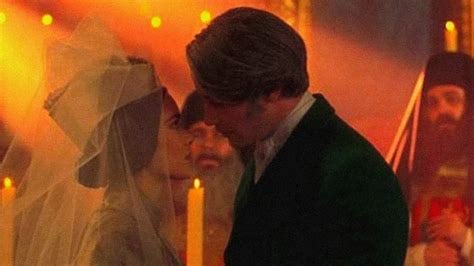
Dracula is what Bram Stoker feared in himself, and every moment of the book is dripping with that fear. It’s in the way the townsfolk mutter at Jonathan when he mentions the castle, in the way Dracula’s friendliness starts as charming and folksy but soon becomes overbearing and manipulative. It’s in the feeling of being unclean, not fit for regular society. The feeling that you must have been a monster already to be so quickly drawn in by one. The core of Dracula is real and true terror, and if it is a romance, it’s the one between Mina and Jonathan, who move Heaven and Earth to save each other over and over again. Not a slimy old creep trying to make a perfectly fine young woman part of his weird undead polycule. And that is why I say that Coppola’s Dracula is an insult to Bram Stoker. Because what the hell do you mean, Mina and Dracula were meant to be together because she was his wife in a past life? Did we read the same book? Did we see Mina travel to a convent in Romania just to marry Jonathan because she thought he was going to die? Did we see how scared she is of Dracula? How he gets in her head and tears her life apart? If anyone has a contact for Mr. Coppola, these are some of the questions I would like them to send his way.
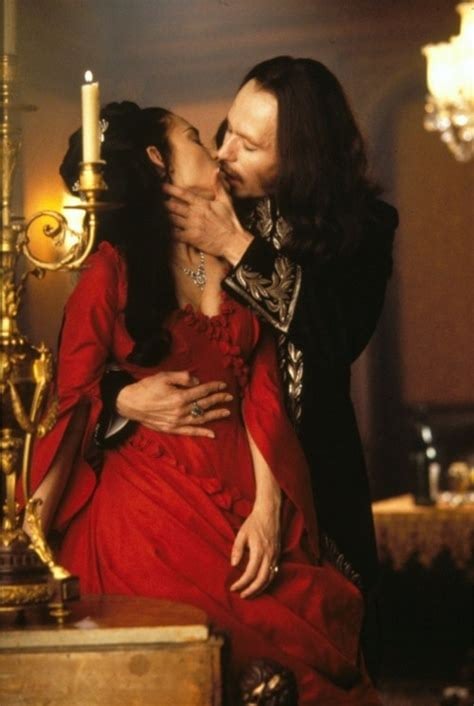
But in all seriousness, the concept of taking a relationship based on the societal fear and shame experienced by its author and making it a swoony romance that completely overturns the actual themes of the story and makes Jonathan Harker, gothic literature’s Gomez Addams, nothing more than a pathetic cuckold is…a choice. It is often pointed out that the “oceans of time” line that Sir Gary Oldman loved so much is not in the original book, and that’s because Coppola’s movie is just a completely different story than the book, despite managing to hit almost every major plot point. So here we have two Dracula adaptations: one that is almost ridiculously inaccurate while also being close to shot-for-shot, and one that is more accurate than anything else despite having almost an entirely different plot. And that’s because Coppola read Dracula and decided to base his adaptation entirely on a subplot that he made up, and Eggers read Dracula, watched Nosferatu (1922), and understood what the story was actually about, at its core.
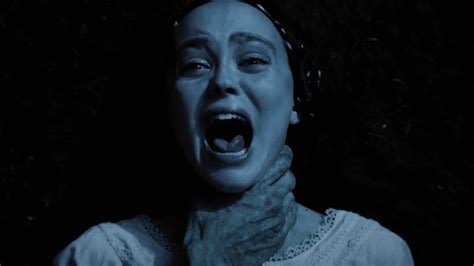
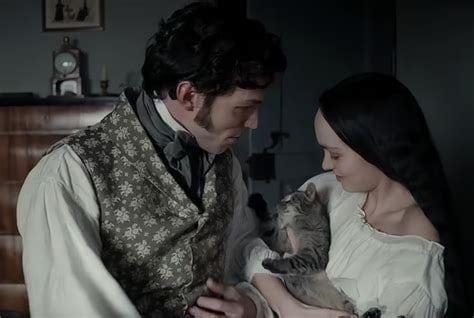
Ellen Hutter functions as both Mina and Lucy, someone who loves her husband, but is also being steadily drawn under by dark forces beyond her control. As much as she wants Count Orlok, she spends the entire movie fighting to want Thomas (Nicolas Hoult, stand-in for Jonathan Harker) more. Every scene where Ellen is in society, with their friends, rings almost false, because you can see how far removed she is from it all. The darkness around her is almost palpable, and only grows as she struggles through living with the Hardings and their fear of her, as Orlok grows closer, taking people and connections from her until she has no one left but herself, and she believes herself too far gone for saving. Nosferatu (2024) understands what Dracula really is - the story of a young woman being manipulated and isolated to her death while everyone around her fights to keep her with them. It might have plot points that aren’t in the original book - plague of rats, the other Lucy stand-in being married with children to add to how poorly Ellen fits into domestic life, truly copious amounts of sex, active Exorcist-style demonic possession, you get the idea - but it doesn’t let a single one of those get in the way of telling the story. Also (and this is important to me) it makes sure Count Orlok is ugly.
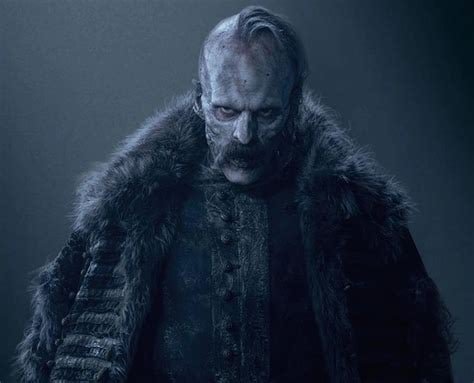
Even from his beginnings as an eccentric, rich, Transylvanian, Orlok is not pleasant to look at. And that’s rather a feat, considering he’s being portrayed by an unrecognizable Bill Skarsgård. At no point in the story is Count Orlok anything other than a rancid old man attempting to steal your wife and murder your entire country. That, more than anything, is what makes Robert Eggers’ Nosferatu the most book-accurate Dracula adaptation I’ve ever seen. It doesn’t shy away from its ugliness, from its terror. The relationship between Ellen and Orlok is one of eroticism and manipulation, not romance. Now, don’t get me wrong, there’s plenty of romance in this movie - it’s just where it’s supposed to be, between Ellen and Thomas, and Anna and Friedrich. There is nothing romantic in the way they are all torn from each other. Coppola’s Dracula is a swoony, centuries-old lover who sweeps your wife off her feet. Eggers’ Orlok is an awful creatures who tears the love of your life from you and shreds your life to pieces for it. It is at this point that I feel it prevalent that Bram Stoker likely began drafting Dracula in the months after Oscar Wilde was imprisoned for “gross indecency” (read: homosexuality).
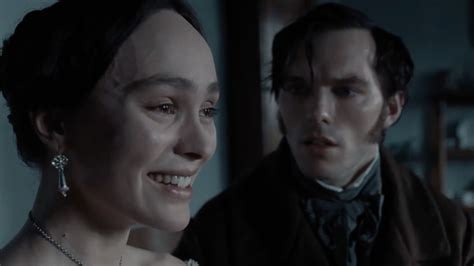
Both Dracula (1992) and Nosferatu (2024) are beautiful, gothic romances. Their cinematography is gorgeous, their costumes sublime, their effects makeup absolutely astounding. But only one of these movies actually understands the fears that guided Bram Stoker through writing this story, guided him, in fact, through his whole adult life. One of these movies takes a horrible, manipulative relationship built on fear and isolation and makes it the main romance plot, completely ignoring the actual romance that the original text is steeped in. The other shows how that horrible, manipulative relationship tears apart the actual romance, leaving it, and the whole city, in a bloody shambles. In the book, they save Mina but lose Lucy. In Coppola’s Dracula, it is the same. In Eggers’ Nosferatu, they lose them both in the same woman, as she is convinced that she is unfit to live, and that her death will end the suffering that is visited on her loved ones. Ellen Hutter dies because she loves her Thomas, and loved her Anna, and can’t bear to, as she believes, taint them with her darkness anymore. Winona Ryder’s Mina Harker lives, but with a newfound sadness in having lost someone who loved her for centuries (insert gagging noise here at the insinuation that what Dracula had for Mina was love).
Meanwhile, Bram Stoker’s Mina Harker, nee Murray, lives a long and happy life, confident in the love she has in Jonathan, but sad for the love she lost in Lucy Westenra and Quincey Morris. She has a son, and loving friends. She will always remember what happened to her, but she will also always know that Jonathan loves her and did when she was “unclean” and will forever, even after they both leave this mortal coil to greet their old friends. And while I believe that Coppola’s Mina Harker is an insult to this one and her experience, and that Eggers’ Ellen Hunter is a worthy gothic heroine representative of the darker side of both Mina Murray and Lucy Westenra, I ask that you all always remember the original Mina Harker, who memorized train timetables and studied law and loved her friends and did not love Dracula, nor enjoy being under his thrall. Because she’s the real one, and she endures.
Thanks for reading, all! And get hype for some literary vamps coming at the end of this week! Happy reading, stay spooky, and don’t romanticize abuse! 🌹💘🧛♂️🔪🩸