062926 / REFERENCE MATERIAL
welcome to reference material
Welcome to (a new series I’m trying out called) REFERENCE MATERIAL. This series engages hypertext1 as a site of study, exploring the question: what makes a piece of information ‘reference material’?
★ ★ ★
In my area, June has been a month of remembrance and cultural gathering around Pride, Black Music, and Juneteenth. I didn’t get to leave the house nearly as much as I would’ve liked, but I did engage in some independent study as part of my own means of celebration.
Here are some reference materials I’ve gathered:
1. Beverly Glenn-Copeland. Keyboard Fantasies. Atlast Records, 1986.
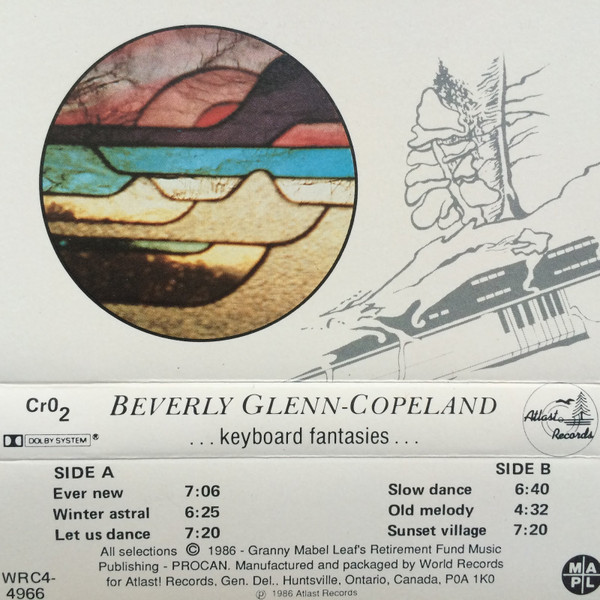
I’ve been immersing myself into albums more recently, which prompted me to revisit Glenn Copeland’s Keyboard Fantasies. I typically listen to songs from the Reimagined album, but sitting with the original reminds me of how this work orients so much of Glenn’s generous life & career. He’s a pioneer of New Age, as well as a trailblazer in the Black Electronic Music canon, if you ask me.
2. Films screened by Black Cinema Club HTX for Black Music Month
BCCHTX screened Sound Track to A Coup D’etat, The Devil Queen, and Black Is Black Ain’t, three films that I realized were on my watchlist. This motivated me to prioritize watching films that were on my watchlist throughout the month, and while I didn’t get to those specific films (LOL) I did watch many other ones.
3. “One of Many Freedoms” Zine
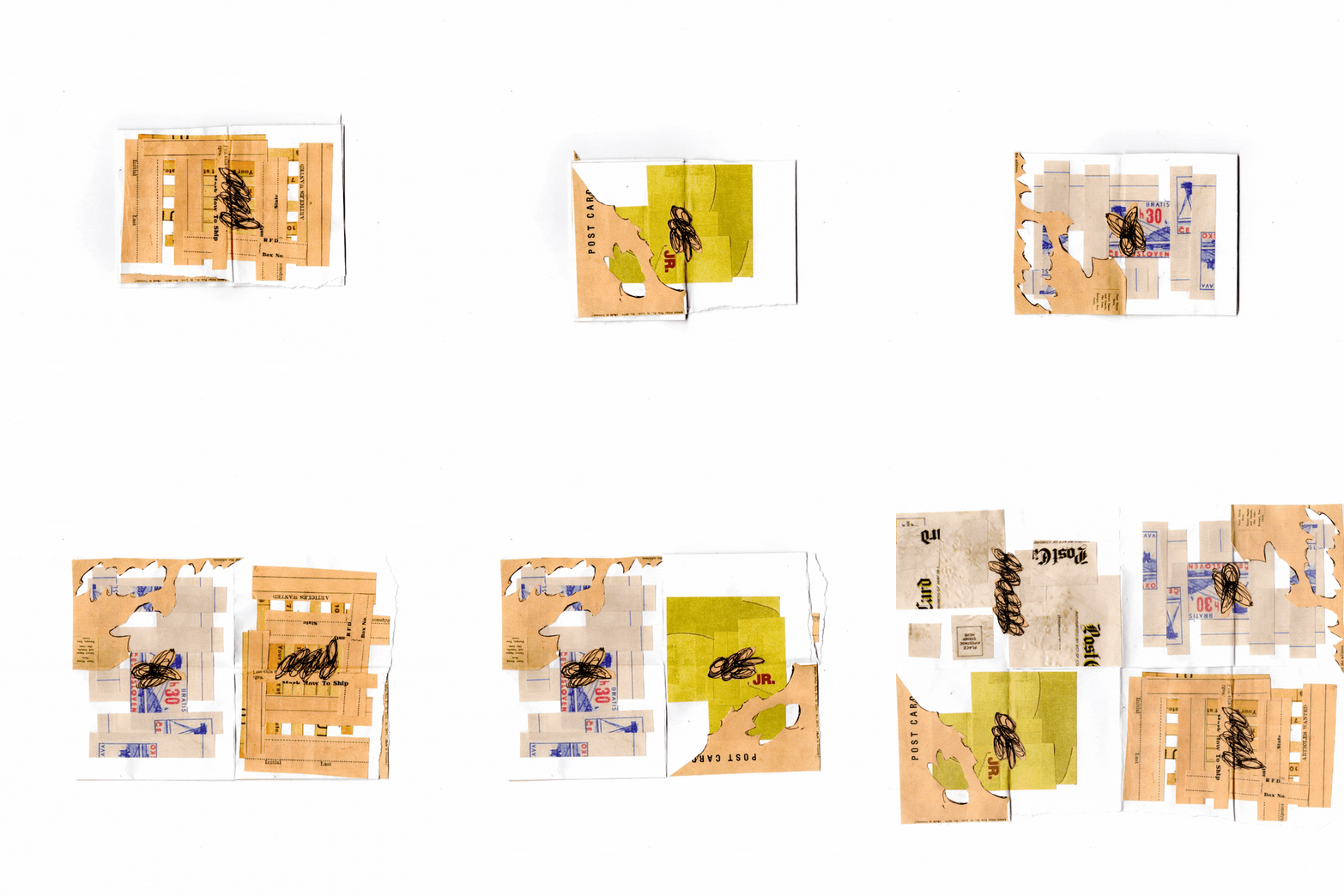
Last year for Juneteenth Blacks of Are.na & The Reading Room held an event gathering folks to write and reflect together. I attended, and made an abstract collage zine responding to the prompt ‘What does Juneteenth mean to you?’ to which the zine responded “One of Many Freedoms.” Between then and now I’ve heard so much online talk about exiting social media, but an event like this reminds me of the power of embedding URL connectivity into IRL spaces, especially for artist communities with learning at their core.
4. June Jordan, “A New Politics of Sexuality,” in Technical Difficulties (New York: Pantheon, 1992), pp. 187–93. Copyright 1992 by June Jordan. Reprinted by Permission of Pantheon Books, a division of Random House.
I was today years old when I found out June Jordan was bisexual and that she understood the struggle for collective liberation included a world where living life as a bisexual woman was the precedent for a politic of freedom. While the struggle for Black & Queer liberation is always prevalent, I felt compelled to learn more about June Jordan’s work this month because of the resonance of her name.
FURTHER STUDY:
What resources in your communities (online and/or offline) have made it possible for you to celebrate a cultural holiday during the month of June?
★ ★ ★
Thanks for being an audience,
Paris
“I don't have access to this kind of thing on computer but, oddly enough, what you're talking about sounds very much like the way I start looking for ideas when I'm not working on anything. Or when I'm just letting myself drift, relax. I generally have four or five books open around the house--I live alone; I can do this--and they are not books on the same subject. They don't relate to each other in any particular way, and the ideas they present bounce off one another. And I like this effect…let[ting] those ideas bounce off each other, simmer, reproduce in some odd way, so that I come up with ideas that I might not have come up with if I had simply stuck to one book until I was done with it and then gone and picked up another. So, I guess, in that way, I'm using a kind of primitive hypertext.” – Octavia Butler in discussion with Samuel Delany & Henry Jenkins, for MIT Media in Transition Project (1998) ↩

