|
|
MODEL
SEISMIC
2026-11-17
GPT-6.2 Astra and Sol — OpenAI's new flagship pair, Astra 20% cheaper
OpenAI's first Astra upgrade since September does more with fewer tokens and costs less per token.
What is it?
GPT-6.2 Astra is OpenAI's new frontier model for the hardest projects, and GPT-6.2 Sol is its efficient model for everyday work. Both write fewer output tokens per task.
How does it work?
Better visual reasoning and computer use let them follow slide templates, build reconciling spreadsheets and work in CAD tools. Both take text and images with a 1.05M-token context.
Why does it matter?
Astra drops to $8 / $40 per 1M tokens and Sol stays at $2 / $10, so long agent runs get cheaper. Both are rated Critical for cybersecurity, so tighter cyber safeguards apply.
Who is it for?
Developers and teams running long coding and office agents.
|
|

|
|
MODEL
MAJOR
2026-11-18
Gemini 4 Neon — Google's mid-tier model for coding and agent work
Gemini 4 Neon is Google's mid-tier Gemini 4 model, built for long-running coding and agent tasks at lower cost than Carbon.
What is it?
A new Gemini 4 model that sits between Carbon (hardest projects) and Hydrogen (fast everyday work), aimed at software engineering, knowledge work and science.
How does it work?
It is designed for long, tool-heavy agent runs, including as an Orchestrator directing several Hydrogen subagents. Google reports 32% lower cost per task than Carbon at high thinking.
Why does it matter?
It ranks #3 on the Artificial Analysis Intelligence Index (61) at $3 / $15 per 1M tokens, which lowers the bill for teams running agents all day.
Who is it for?
Developers building coding agents, enterprise teams, Gemini API and Antigravity users.
|
|
|
|
MODEL
MAJOR
2026-11-18
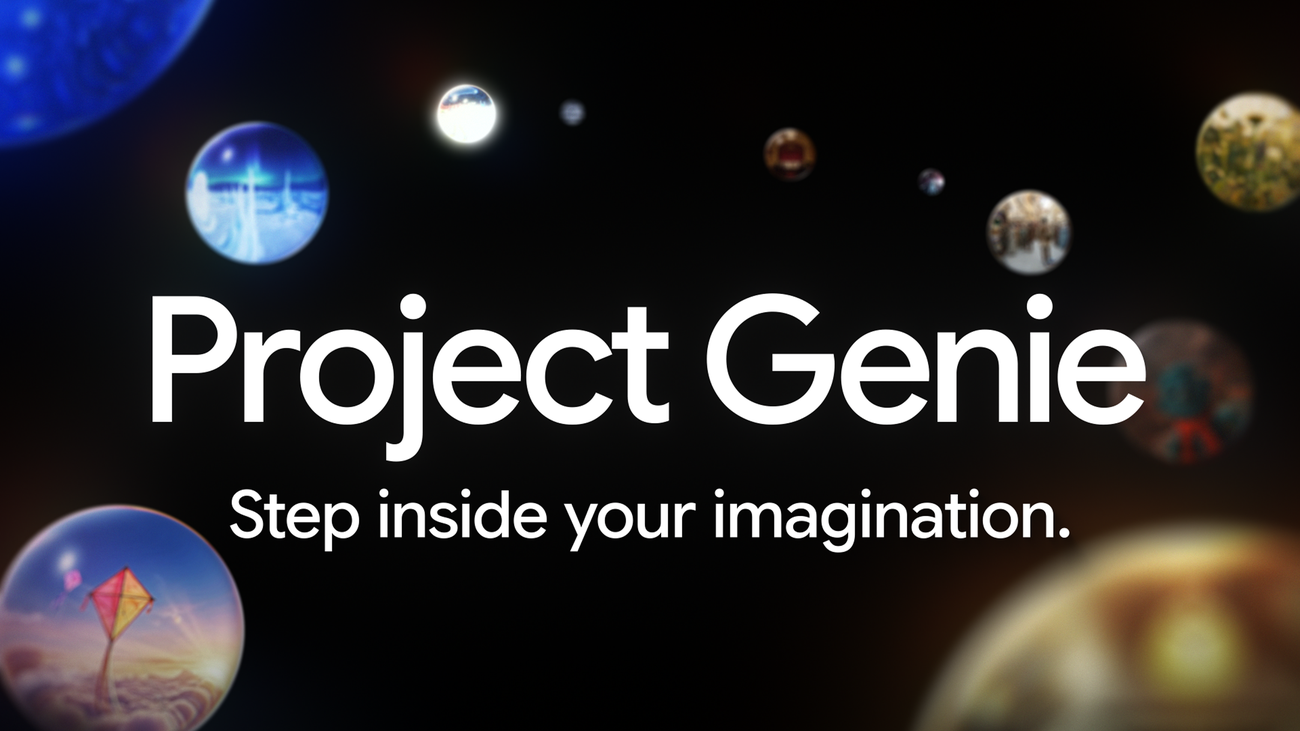
Genie 4 — DeepMind's world model now live in Project Genie
Genie 4 lets you step into a generated world, with sound, and change it by typing new prompts while you explore.
What is it?
Google's most realistic and interactive world model so far, now inside a new Project Genie experience where you can type prompts mid-session to change the weather, add characters or redirect the action.
How does it work?
A Project Genie agent builds worlds from a chat description and adds soundtracks. Genie 4 is the first in the line to pair visuals with real-time native audio.
Why does it matter?
People can now try a world model in a product, not only watch research demos. Genie 3 sessions also grew from 60 seconds to 3 minutes.
Who is it for?
Google AI Ultra subscribers, creators and world-model researchers.
|
|

|
|
MODEL
MAJOR
2026-11-17
Microsoft MAI at Ignite 2026 — MAI Realtime 1, Image 2.7 and Cyber 2 Flash
Microsoft AI's Ignite batch adds its first voice-to-voice model, a top-ranked image editor and a cheap security model.
What is it?
Three new first-party MAI models: MAI Realtime 1 (speech-to-speech for live voice agents), MAI Image 2.7 (image generation and editing) and MAI Cyber 2 Flash (security).
How does it work?
The voice model runs a fast core and hands harder requests to a stronger reasoning engine. The security model reads up to 1M tokens, four times more than its predecessor.
Why does it matter?
Every model is pitched on price: voice at $0.01 per audio minute, and MAI Image 2.7 ranked #1 for image editing on Artificial Analysis.
Who is it for?
Developers building voice agents, image tools or security workflows on Azure.
|
|
|
|
TOOL
MAJOR
2026-11-18
VS Code 1.147 — agents get Browser Use, model routers and Send Later
VS Code 1.147 gives its agents a real browser, a way to route work to different models, and a scheduler for chat requests.
What is it?
Browser Use (preview) lets an agent work inside your own Chrome or Edge. The release also adds experimental model routers, scheduled chat requests and admin control over agent harnesses.
How does it work?
Model routers are YAML routes that map kinds of work to models, with a decision model picking the route per request. Browser Use needs the GitHub Copilot browser extension and Node.js 22+.
Why does it matter?
Teams can send cheap tasks to small models and hard ones to frontier models automatically, and admins can allow the Claude and Codex harnesses under managed policy.
Who is it for?
VS Code and GitHub Copilot users, platform admins.
|
|
|
|
SECURITY
MAJOR
2026-11-18
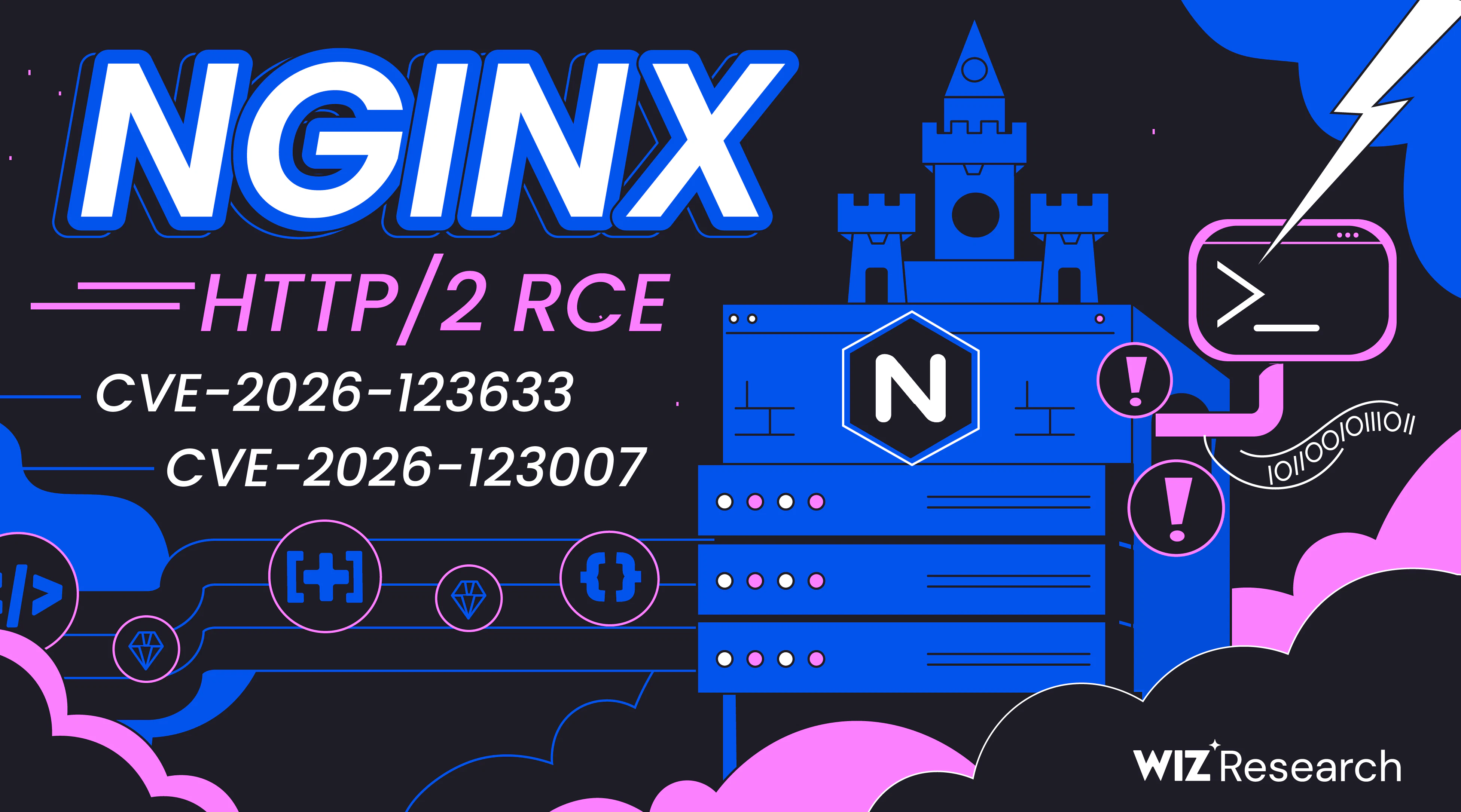
Nginx HTTP/2 RCE — AI-assisted teams find pre-auth bugs, patch to 1.31.9
Two pre-auth HTTP/2 bugs in nginx were found with AI help; upgrade to 1.31.9 or 1.30.7, or turn HTTP/2 off.
What is it?
Nginx 1.31.9 and 1.30.7 fix memory bugs including two that let an attacker run code without logging in (CVE-2026-123007 and CVE-2026-123633, CVSS 4.0 9.2). Both need HTTP/2 enabled.
How does it work?
One is an integer underflow in HTTP/2 flow control; the other is a use-after-free on a busy connection. Wiz found both with its AI code-scanning harness, Wiz Atlas.
Why does it matter?
Nginx runs 225M+ websites, and AI is making old, deep bugs in core infrastructure cheap to find for defenders and attackers alike.
Who is it for?
Anyone running nginx.
|
|

|
|
SHOWCASE
MAJOR
2026-11-18
OpenAI models redesign AMD GPU circuits — up to 14% better PPA
OpenAI's models rewrote chip circuit code for AMD and for OpenAI's own Jalapeño chip, and some of the changes are going into real silicon.
What is it?
OpenAI says model-proposed circuit changes gave up to 14% better power, performance and area on AMD's flagship GPU IP in under five months. AMD put some into a design sent for manufacturing.
How does it work?
The models rewrite SystemVerilog RTL, the code describing a chip's circuits, and Synopsys software checks each rewrite keeps behavior identical and measures the trade-offs.
Why does it matter?
Blocks tuned by humans for years still had headroom, and a chip maker is shipping the changes. The figures are self-reported, with no measurements from finished silicon.
Who is it for?
Chip designers, EDA teams and hardware engineers.
|
|

|
|
TOOL
NOTABLE
2026-11-18
Stitch Loop — Google Labs agent that keeps improving shipped products
A long-running Google agent that watches your live app, proposes fixes and opens pull requests for review.
What is it?
An experimental Google Labs agent for software that has already shipped. It reads your codebase and live data, then suggests improvements; security, latency and accessibility loops come built in.
How does it work?
Each loop suggests fixes, weighs tradeoffs, builds code in a cloud sandbox and opens a GitHub pull request, then tracks the live metric. Nothing merges until a person reviews the PR.
Why does it matter?
Most coding agents stop when the code is written; this one targets the work after launch, where teams watch metrics and fix regressions.
Who is it for?
Product and engineering teams with live apps.
|
|
|
All releases at ai-tldr.dev
Simple explanations • No jargon • Updated daily
|
|