
Sinking into it
So some of you may know that my exercise of choice is Pole Dancing. It works wonders for my balance, strength, and confidence.
There's a move in pole called the Teddy. It involves you wrapping your upper arm around the pole and basically holding yourself up by your underarm. It's quite painful when you start out, because that part of your arm isn't used to being used like that. Sinking is part of the hold, as the pulling the skin taut helps the grip.
It's not a move that requires momentum to get into, so it really is a slow sink and pulling up of your legs.
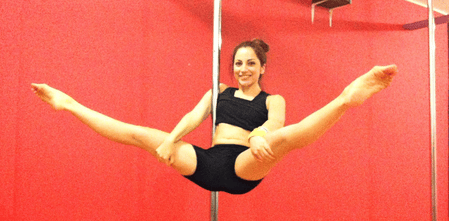
It led me to think about sinking, holding, and trusting.
So much of the work in counselling is about slowing down and holding in places that feel uncomfortable. A new ache after a gym session means moving and testing muscles not normally worked in day to day life. A new ache after counselling means a new exploration, or a holding in a place normally glanced over. Just like muscles get stronger with work, your own ability to acknowledge, feel, and move through your feelings also grows. You also trust that even if you don't manage it, you can safely disengage. I know how to get myself out of a pole move safely, and I know how to soothe myself when my feelings get too much. This trust is really important, because we can't always do what we'd like to do, but we can be sure that we can manage the fallout safely.
There's a metaphor about being spotted for this work both in the gym and in your exploration of your feelings, by a counsellor, or a friend, other support system.
Acceptance can feel like a sinking into feelings we don't want to acknowledge, it's why it's so difficult. We think of acceptance as synonymous with not changing or staying still. Often moving to acceptance can prompt change. If you accept your current situation or patterns with a clear eye and with warmth and curiosity, chances are, you'll find a way forward. It won't be easy by any stretch of the imagination, it often is uncomfortable and painful.
It's why resistance comes up so often in the counselling process. Because why would we focus on something you don't like and want to change? Surely the effort should be on the new way, not the old one. However, until we really sink into the why and how of the old way, we can't forge a new way, because we don't know how the foundations of the old way were built.
(there's another post here about trusting yourself to get out of the hold, and the role of the counsellor here, which I need to ponder on and write)
Like exercise, this becomes easier with practice (and rest in between practice).


Add a comment: