Kristallnacht and the right of return
Dear Friends,
In the last Postcard, I wrote about the Aida Refugee Camp and the Palestinian right of return. This Postcard is a continuation of that topic, and is also about a different right of return — my own.
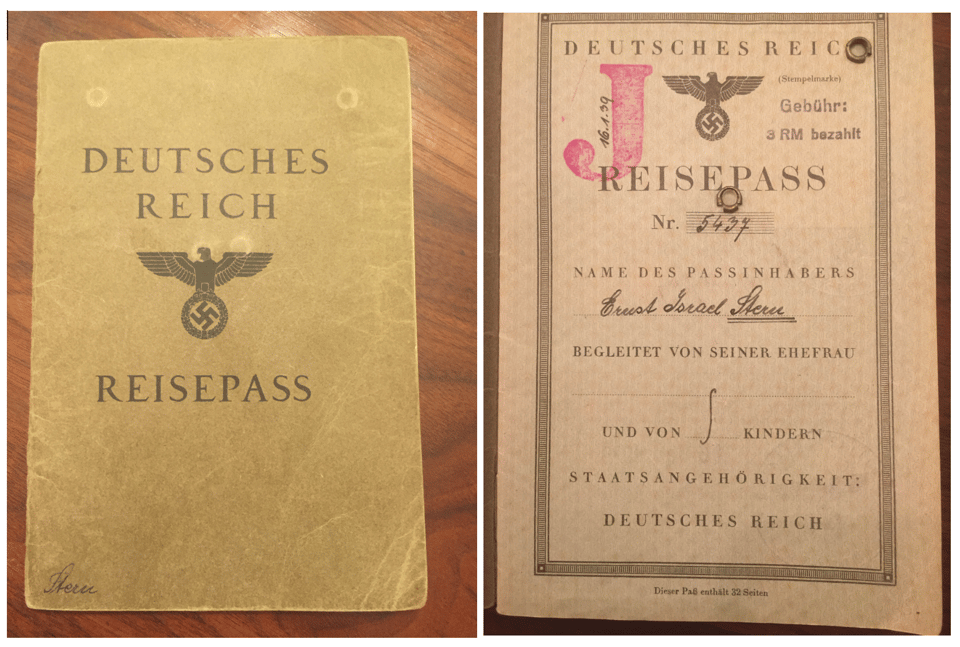
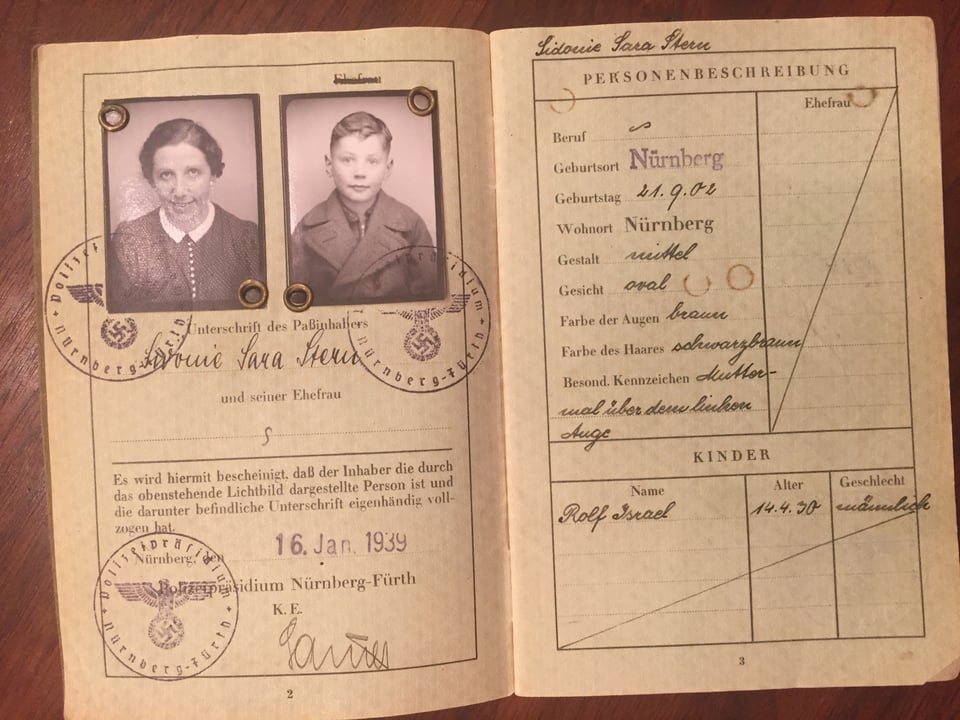
The Nazi government in Germany expelled my grandparents and my father from their home in 1939. For that reason, I am eligible to become a German citizen. I decided to apply in 2019, during my first trip to Jordan.
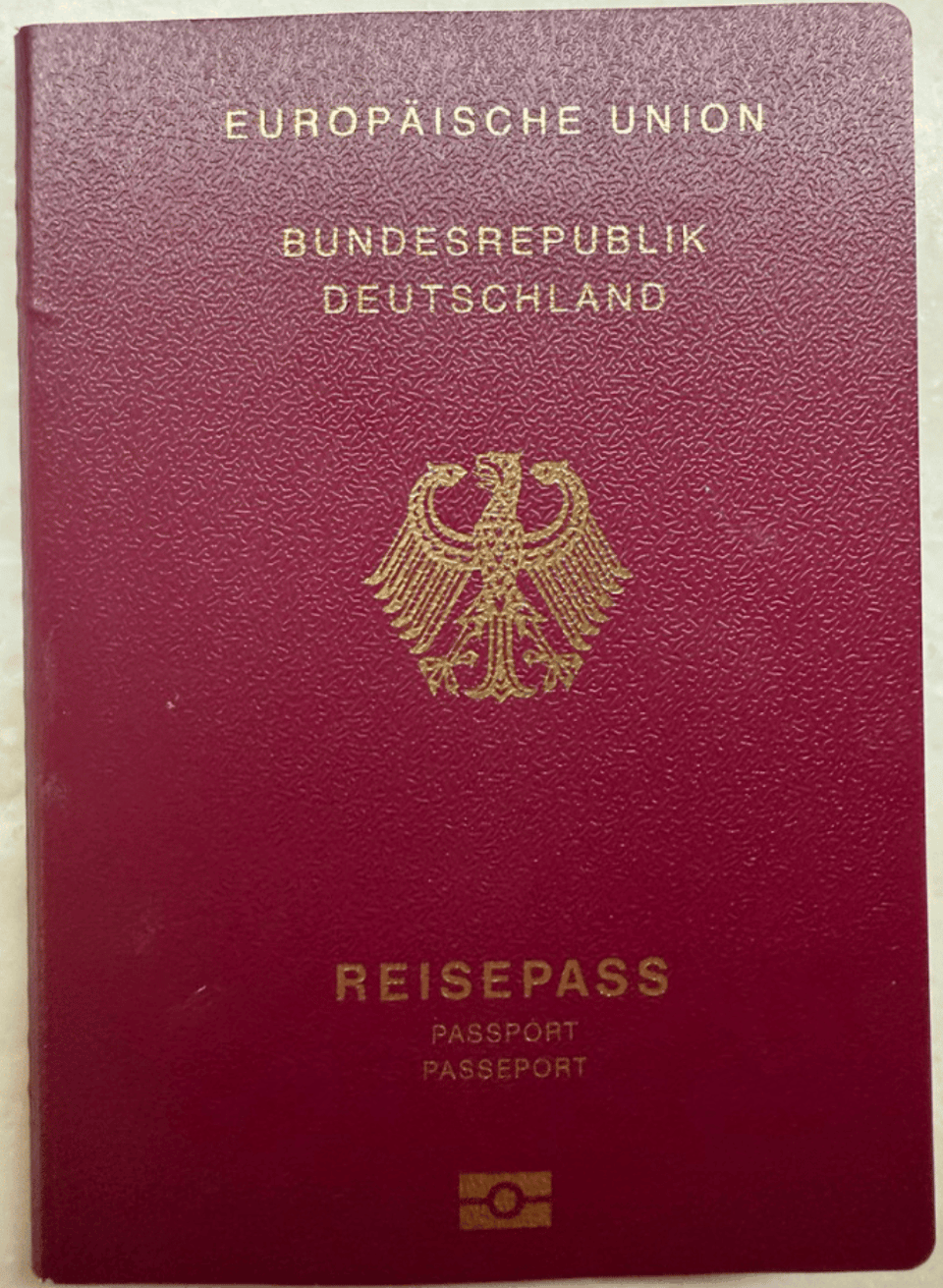
On the flight to Amman, I had a short layover in Frankfurt. As I anticipated stepping on German ground for the first time, I knew I’d be thinking about my father and his family. Their peaceful and prosperous lives had been upended in the 1930s by the Nazi regime. They’d told me about armbands with a yellow Star of David that they were forced to wear, and about the beatings my then 8-year-old father endured at school. My great-aunt and her family fled to Brazil. But still, my grandparents didn’t want to leave Germany.
It was only after Kristallnacht (‘night of broken glass’, November 9-10, 1938) - when Jewish-owned stores, buildings, and hospitals were destroyed, synagogue windows were smashed and burned, and about 30,000 Jewish men were pulled from homes and sent to concentration camps - that my grandparents (my Omi and Opa) decided they had to flee. They were sponsored by distant relatives in the US, and they left Germany in 1939. After crossing the Atlantic by boat, they arrived in New York City. The rest of our family died in concentration camps.
My flight landed in Germany. My father and my grandparents had passed away many years before. But as I walked around the airport I was thinking about how much I missed them. I thought too about the trauma they’d experienced. I was feeling overwhelmed by sadness when I was startled by a display of Manner cookies, reminding me of happy childhood moments at my grandparents’ home.
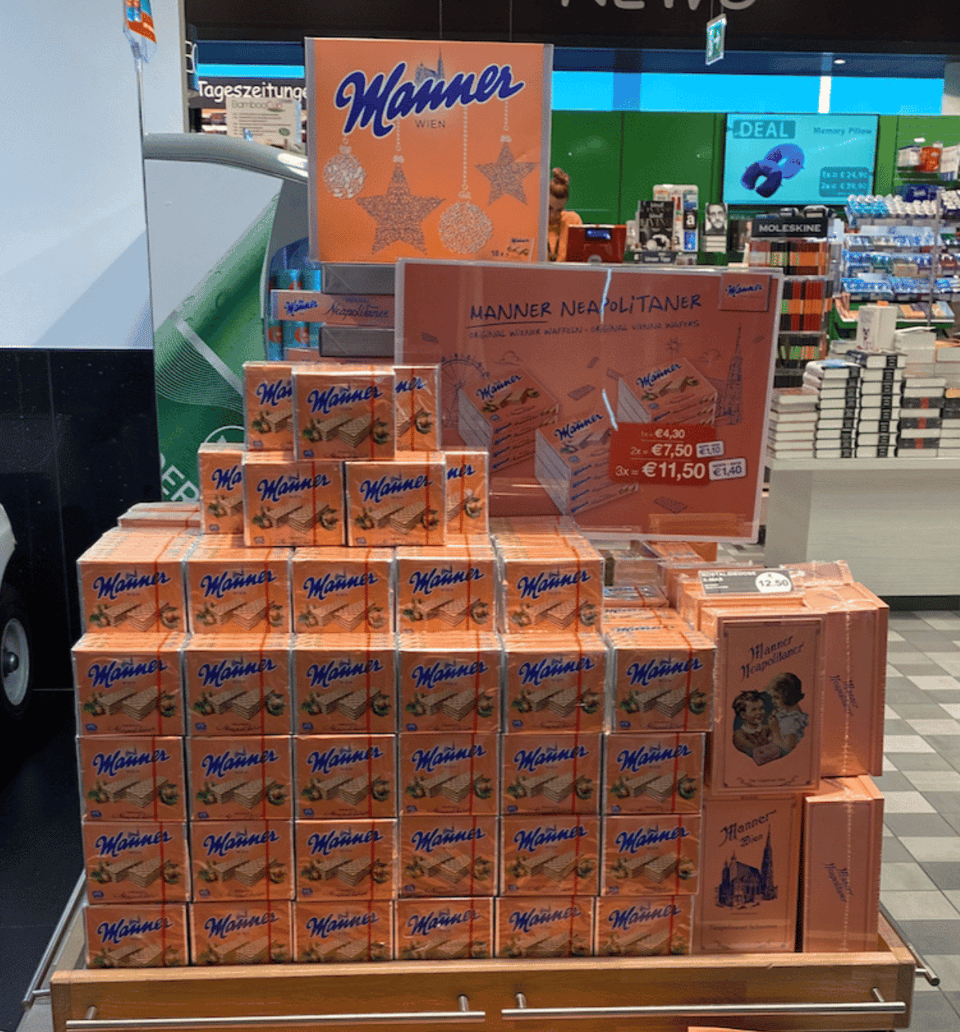
As I kept walking through the airport, I came upon a case of Sachertortes, an indulgent cake that Omi served with fanfare on special occasions, from her favorite German bakery in Washington Heights (New York).

In their adopted country, my grandparents never stopped cherishing all things German including the food, books, and music that filled their home. Tears in my eyes, I boarded my next flight to Amman.
Once in Jordan, I visited Jerash, a spectacular site with elaborate ruins of an ancient Roman city.
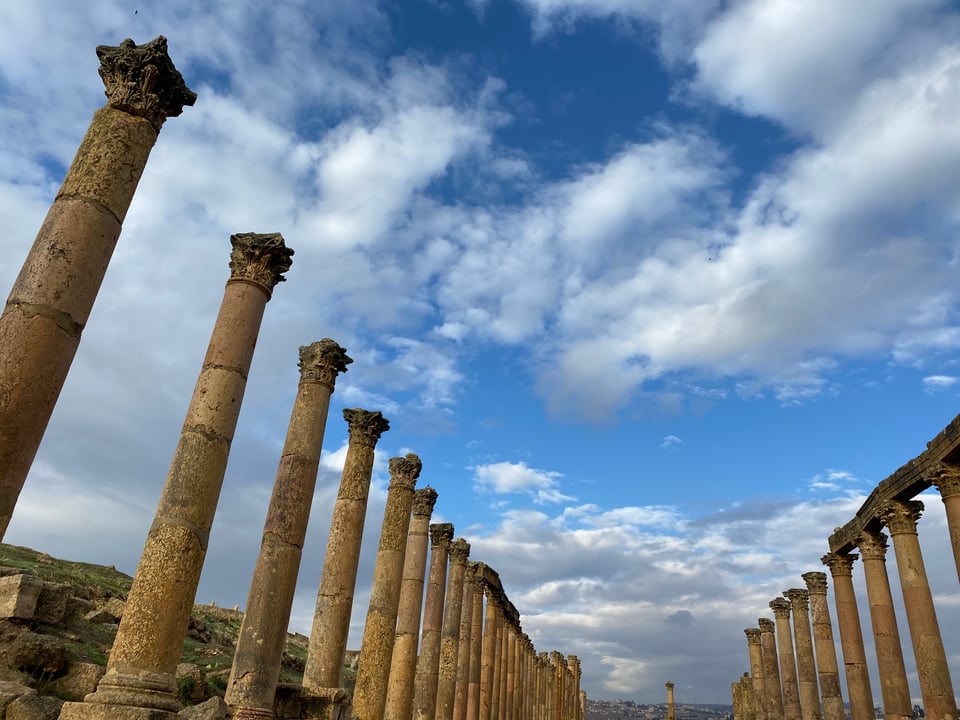
Less well known but just a few miles away is the Jerash Refugee Camp, established to house Palestinians who left Gaza following Israel’s occupation of that land in 1967. Most of those Gaza residents had been expelled in 1948 from what is now the state of Israel. At that time, in what Israel calls the War of Independence and what Palestinians call the Nakba, or Catastrophe, more than 750,000 Palestinians — more than 75% of the Arab population in pre-Israel Palestine — were displaced from their land and homes. Over 500 Palestinian towns and villages were destroyed by Zionist militias. Families fled in terror or were ordered to leave. The profound trauma that my family experienced by being violently displaced from their home, had also been visited upon Palestinians.
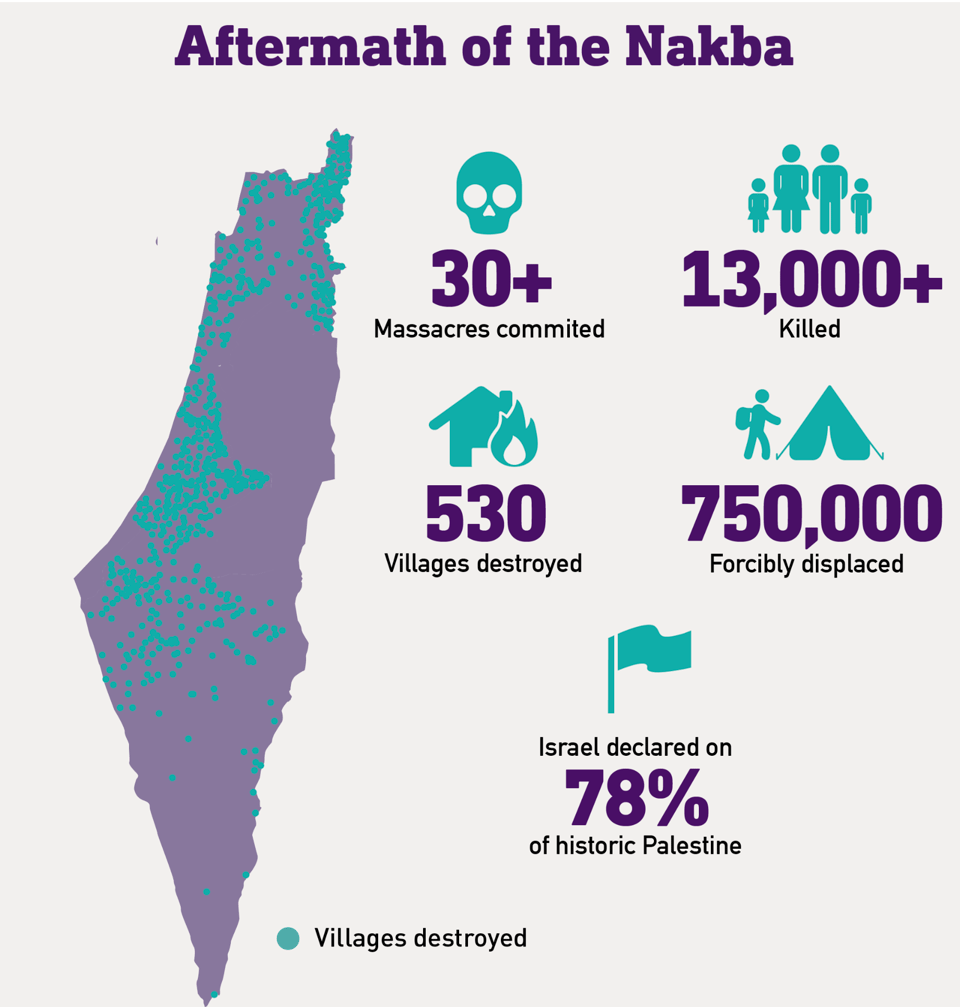
The former Israeli Minister of Defense Moshe Dayan wrote in 1969, “Jewish localities were established in place of Arab villages. You don’t even know the names of those Arab villages, and I don’t blame you, because those geography texts no longer exist. Not only the books are gone; the Arab villages are also gone.”
Actually, many of the maps do exist, hidden in Israeli archives. And most important, those maps, and the villages themselves, still live in the collective memories of generations of Palestinians around the world.
Around three million Palestinians now live in Jordan. A taxi driver in Amman, himself a Jordanian citizen of Palestinian origin, told me a story I heard from many people there: that his grandparents were forced to leave their home in 1948, and he cannot go back. He said he hoped to one day pray at the Al Aqsa Mosque, and to see the sweet lemon and fig trees his mother described growing in front of her childhood home.
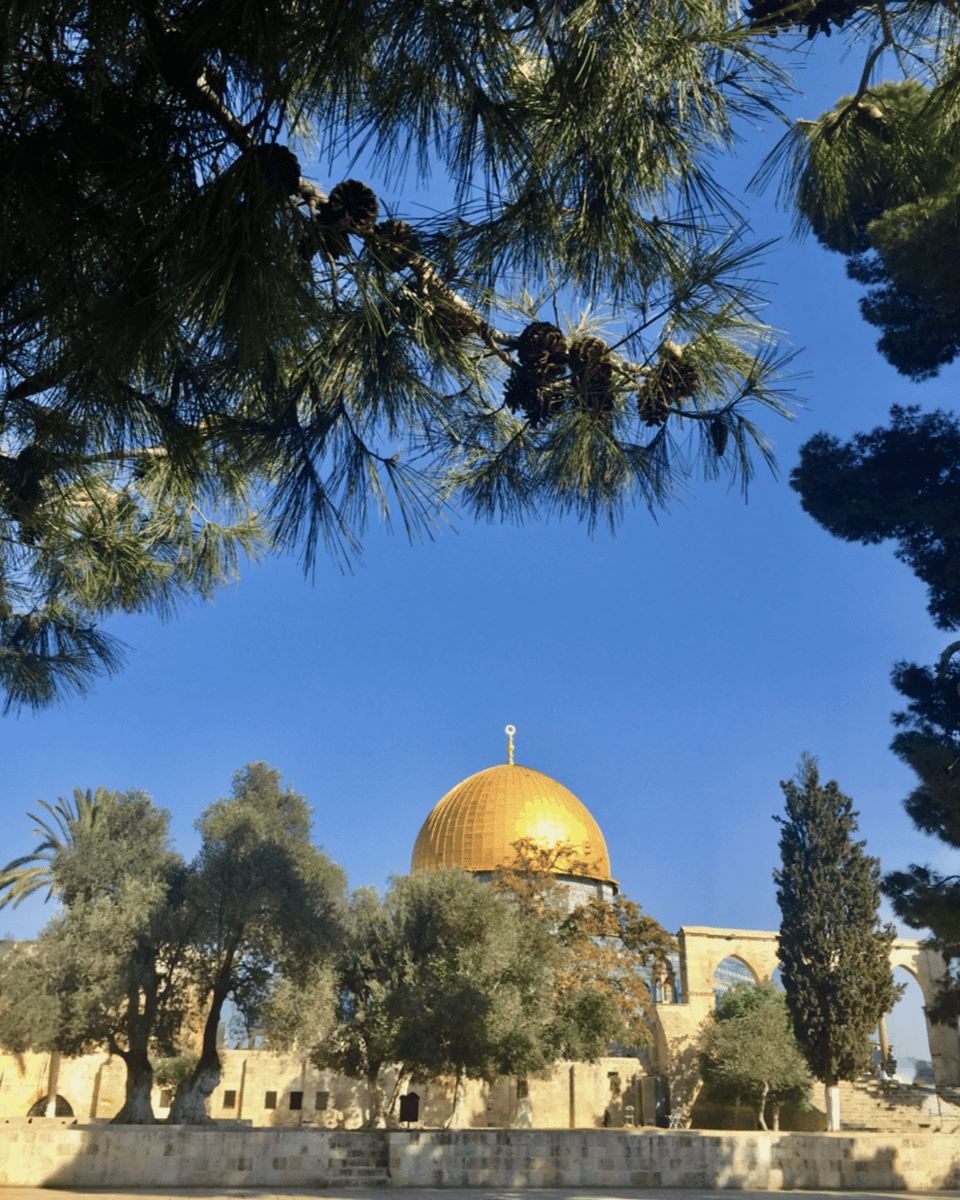
But this is not only an injustice of the past. In the last few years, we’ve watched the destruction and atrocities in Gaza. Palestinians in the West Bank and Jerusalem, who were ethnically cleansed from what is now the state of Israel, live under a repressive military occupation and continued ethnic cleansing, ‘a regime of torment’ with no voice in the Israeli government that controls nearly every aspect of their lives. The Nakba is ongoing, not only in Gaza, but in the West Bank and Jerusalem too.
Most of the world acknowledges and commemorates the grave injustice of the Holocaust, and appropriately honors the tragedy in memorials, museums, and somber days of remembrance. No amount of money could ever make up for the losses that were endured. Still, the government of Germany paid reparations (checks) to my grandparents every month until they died. And now, Germany offers me the opportunity to reclaim the citizenship that was stolen from my family.
In the airport that day, I thought about trauma: that it is always passed down through generations. From Holocaust survivors to their children and grandchildren, and from Nakba survivors to their children and grandchildren.
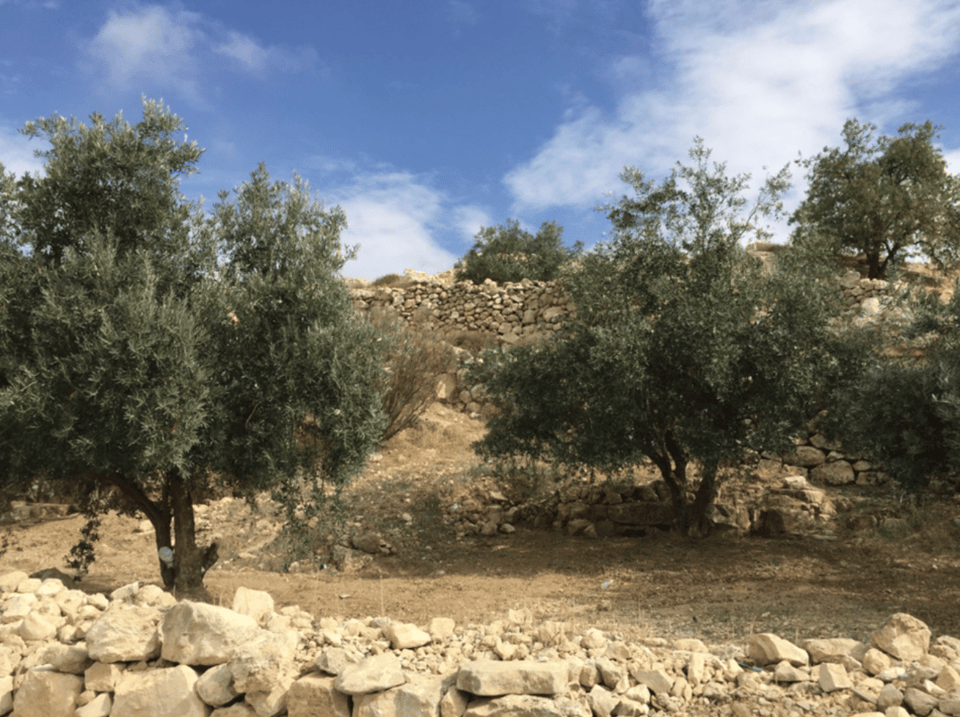
Palestinians often compare themselves to olive trees: for their ability to stand steadfast and grow in harsh conditions, and for their rootedness to the land they love. The children, grandchildren, and great-grandchildren of Palestinians who were born in what is now the state of Israel should be able to go home. Freedom and reparations are basic rights for Palestinians.
The Israeli organization Zochrot (‘remembering’ in Hebrew) aims to promote awareness of the Nakba and its ongoing aftermath and to work toward “the implementation of the Right of Return of Palestinian Refugees … as the imperative redress of the Nakba and a chance for a better life for all the country’s inhabitants.” UN Resolutions (194 and 3236), along with statements by major human rights organizations (Amnesty International and Human Rights Watch, among others), also attest to this right. A project called Kunna ou Ma Zilna (كنا وما زلنا), Arabic for “we were and are still here,” takes elderly refugees and descendants of Palestinians back to see their family homes in what is now the state of Israel.
Zionists argue that if Palestinians were given their right of return, Israel would no longer maintain a Jewish majority. To be clear, this is an argument that the need for an ethnic majority supersedes the rules of international law. Israel’s policy was stated succinctly in 1992 by Prime Minister Yitzhak Shamir, who declared that the return of Palestinian refugees "will never happen in any way, shape or form. There is only a Jewish right of return to the land of Israel."
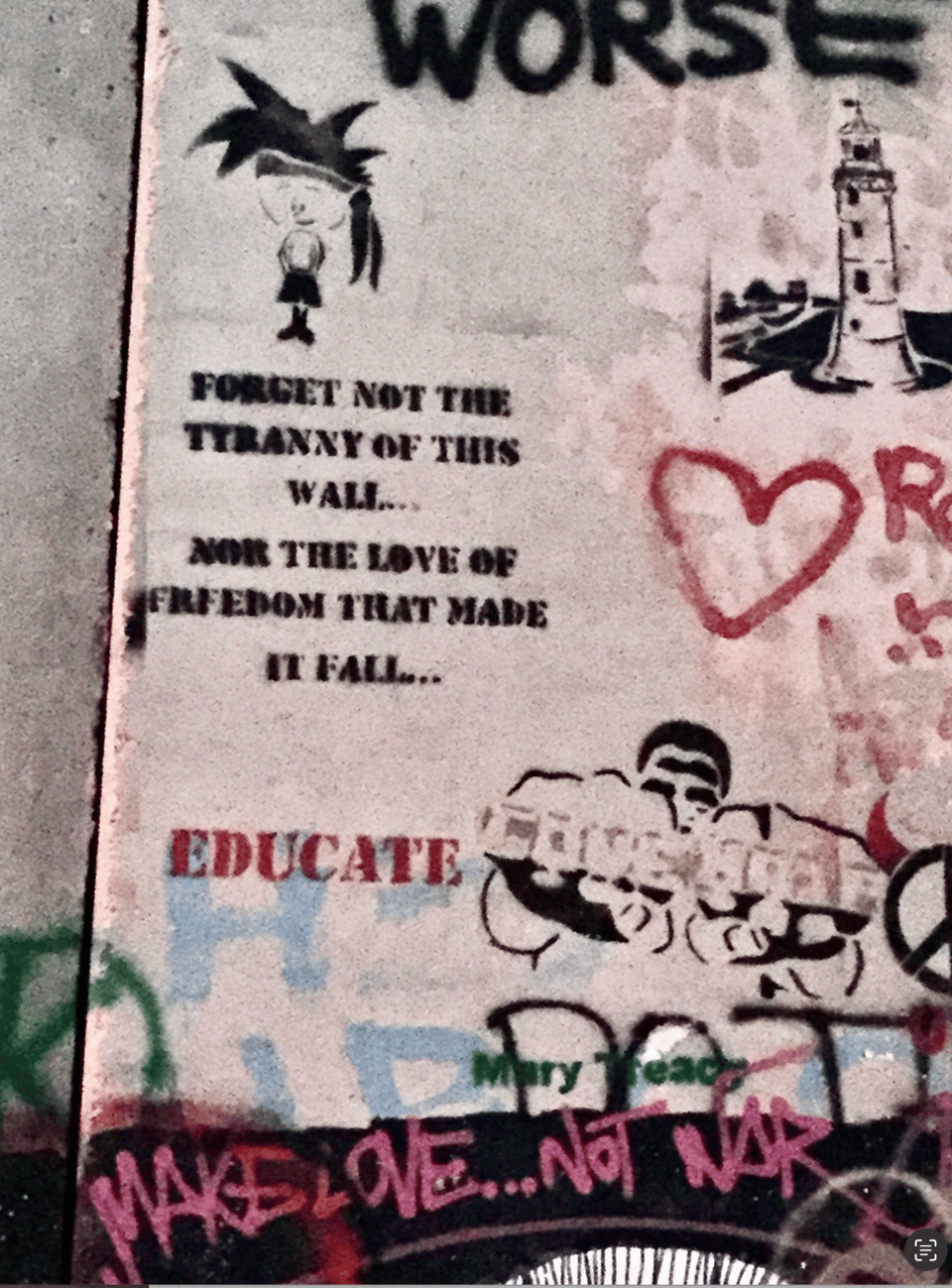
And my right of return? In recognition of the wrongs committed in the past, Germany provides for ‘renaturalization’ for individuals - and all their descendants - who lost or were denied their German citizenship due to Nazi persecution.
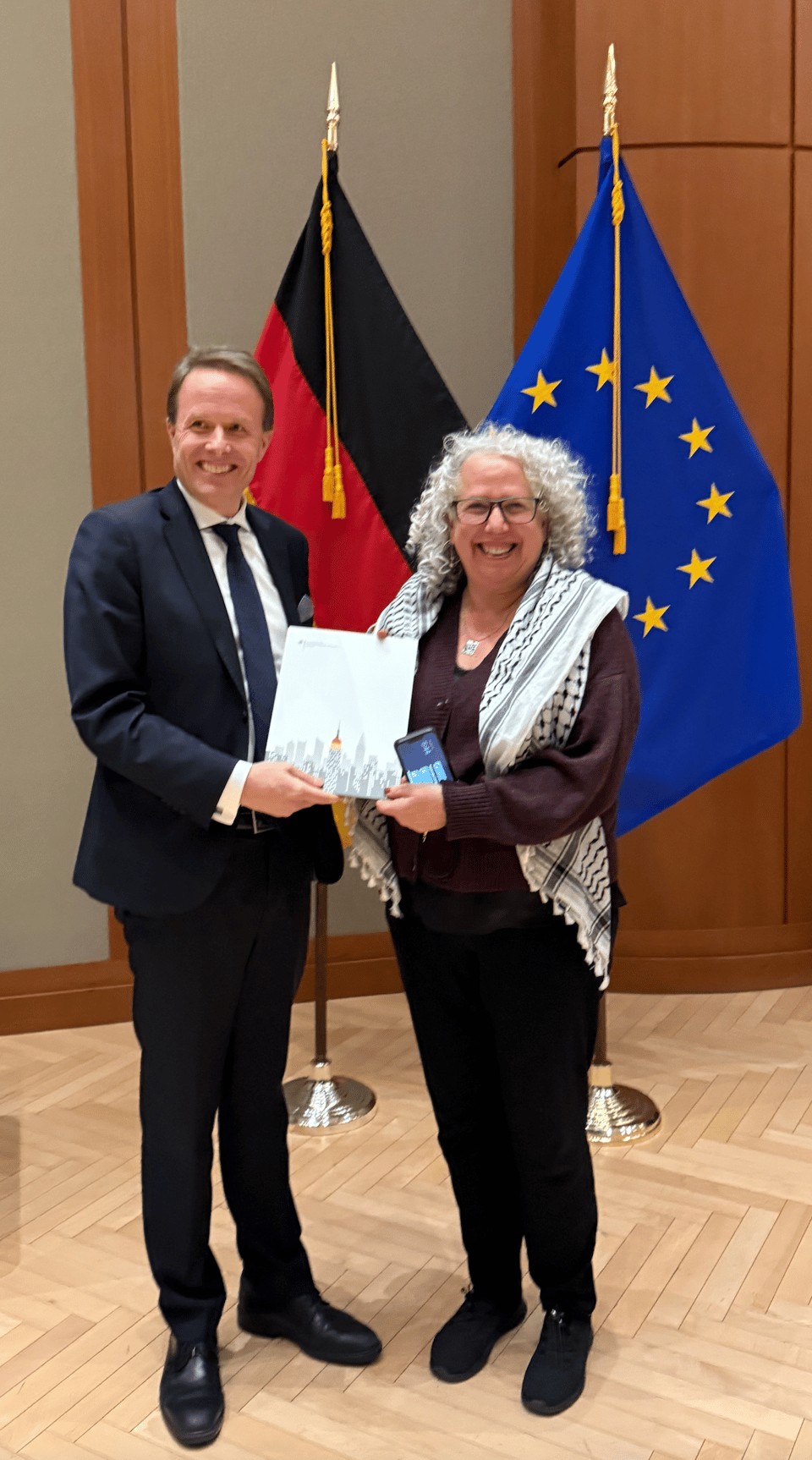
In December 2024, at the German Consulate in New York City, I was sworn in as a German citizen. I claim that citizenship in honor of the Palestinians who should be able to exercise their own right of return.
Salaam,
Nancy
MORE ABOUT EQUAL RIGHTS FOR ALL
There is now, in fact, one state from the Jordan River to the Mediterranean Sea, with different rights for different groups of people. Many intellectuals have written about equality for all, including Edward Said, Ali Abunimah, Yussef Munayyer, Peter Beinart, Rebecca Vilkomerson, and many others.

The One Democratic State Campaign is a grassroots organization of Palestinians and Israelis working to create safety and justice for everyone, through a government that ensures equal rights for individuals and groups. Their manifesto calls for the establishment of one democratic state based on equality and freedom for all people, “as part of the global campaign for Palestinian rights and the best opportunity for justice and lasting peace for all”.
If this message was forwarded or if you reached it from a link, you can subscribe to receive future Postcards directly
Subscribe now