It seems safe to assume that if Lorne Michaels thought Donald Trump had a good chance of being elected president in 2016, he would not have invited him to host the fourth episode of its forty-first season.
Conventional wisdom held that Trump was a clown and a buffoon, a patently unserious man who would be destroyed in November when Hillary Clinton scored a landslide victory over Trump and became the first female president.
Outside of the true believers, seemingly no one gave Trump much of a chance in 2016. We, as a culture, underestimated both Trump and the reactionary, racist white rage that would catapult him to the highest office in the land in violent defiance of God’s will.
The original Saturday Night Live boasted confidence bordering on arrogance rooted in youth, success, and cocaine. Lorne Michaels’ deathless comic institution was a spectacular success. It might not have delivered boffo ratings initially, but it generated tremendous buzz and was revered as the hippest show on television.
Saturday Night Live was a show for hard-partying young people with a cast and crew of hard-partying youngsters. Most of the people who worked on it had never worked in television before, particularly the Not Ready For Prime Time Players.
Every Episode Ever is a reader-supported publication. To receive new posts and support my work, consider becoming a free or paid subscriber.
Buck Henry became the first member of what would be known as the Five-Timers Club on November 19th, 1977. Henry is certainly not the most famous member of the Five-Timers Club. It would be more accurate to say that he is among the least famous members of the Five-Timers Club. Yet it’s fitting that Henry would become the first host to pick up what would become a major honor in the years and decades and half-centuries ahead because he was such a fixture of the show’s early years.
Henry was a supremely humble presence in Saturday Night Live’s endlessly mythologized first five years. His fifth episode as host is mainly devoted to setting up the “Anyone can host” contest, in which five fans competed for a chance to host Saturday Night Live.
Henry devotes his monologue to asking the quintet of Wannabes beauty pageant-style questions about why they think audiences should vote for them.
The fivesome is supposed to represent a broad cross-section of America, yet they’re all white, in keeping with time-honored Saturday Night Live tradition. Though the idea was to give a nobody a chance to be a big shot for one magical evening, one of the finalists was the then-governor of South Dakota.
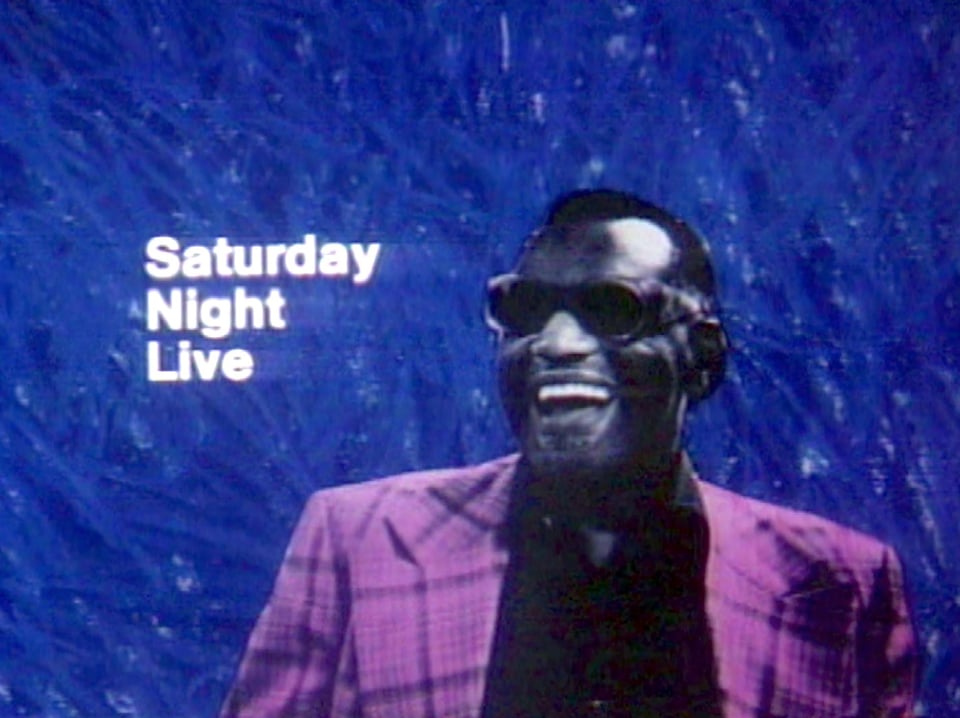
In an episode in which Ray Charles is both host and musical guest, the soul legend announces that he has a very special guest in Ella Fitzgerald. Being a huge Fitzgerald fan (her rendition of “Bewitched, Bothered and Bewildered” might be my favorite song of all time), I stupidly got excited.
So I felt like a real maroon when “Ella Fitzgerald” turned out to be, once again, Garrett Morris in a dress. Writing this series has made me think a lot about Morris and his role on Saturday Night Live.
When I was twelve years old, I remember being slightly confused by Saturday Night Live sketches involving Jon Lovitz’s parody of Harvey Fierstein. Fierstein was an incredibly obscure choice for a mainstream monolith like Saturday Night Live to spoof, but the genius of Lovitz’s impression is that you did not need to know who Fierstein was to find him funny.
Fierstein was like any other recurring character except that he was a real person and a genuine homosexual. As a child, that was not something I was used to seeing on television.
Charles Grodin regularly shows up in those strangely ubiquitous lists of hosts who did such a terrible job that they were banned. This reflects a profound misunderstanding about the comedy of Charles Grodin.
The overarching meta premise of Grodin’s only episode is that the host skipped dress rehearsals and seemingly every other rehearsal so that he could buy gifts for the cast and crew.
I am not proud to admit that I fell for the Playboy mystique with my heart, soul, mind, and other body parts it’s not polite to talk about in mixed company.
As a boy whose restless, traumatic childhood and adolescence were an endless search for naked boobs, I appreciated the central role that Hefner played in disseminating them far and wide for the masturbatory needs of a grateful world.
Hefner devoted his life to naked boobs. He was rewarded with wealth and fame and the life of a Prince. An extremely horny Prince.
Hef was synonymous with sex for decades. He was an icon of the sexual revolution that the younger me foolishly would have defended to the death as an important, heroic cultural figure and not just a pioneering pervert.
When I go to someone’s home for the first time, and it’s big and nice and expansive, my dumb brain always has the same stupid thought. I think that somewhere in their house must be a giant container of quarters, and if I only find it and somehow manage to furtively purloin the moolah, all of my money problems will be over.
There are a lot of problems with this line of thinking. For starters, it’s fucking stupid, something only a real maroon would believe. Yet, in my creaky cerebellum, the concept of a giant container full of spare change that will be my trip to fortune if I can only find it takes up valuable, permanent real estate all the same.
That’s one reason I was pleasantly surprised by how much I enjoyed Jane Curtin’s impressive 1980 motion picture debut, How to Beat the High Cost of Living.
When I think about Saturday Night Live’s early years, one of the first images that spring to mind are Steve Martin and Dan Aykroyd in impossibly loud shirts, ineptly hitting on American women in a rough approximation of an Eastern European accent.
Yet the Wild and Crazy Guys were not part of the show’s first or second season. Steve Martin was a popular host in the comic institution’s first two years, but he wasn’t synonymous with Saturday Night Live until he began having his own recurring characters and catchphrases.
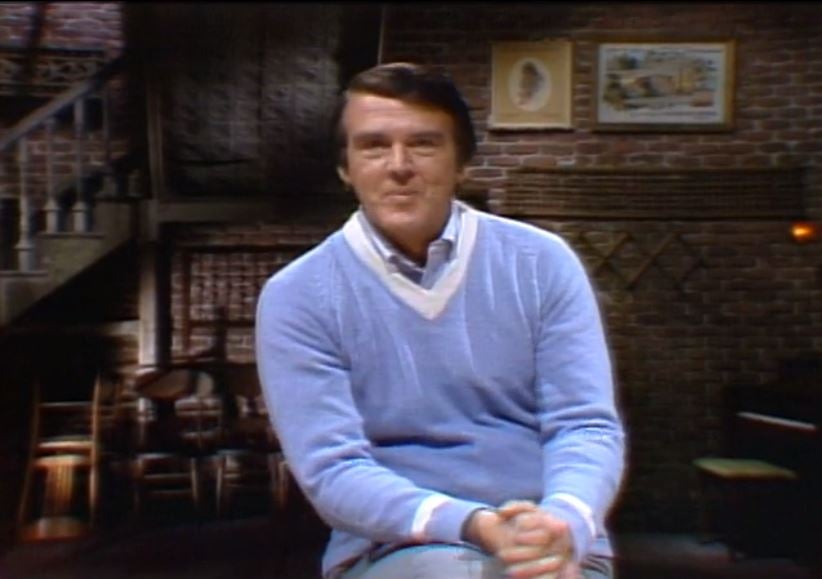
When he became a beloved fixture of Saturday Night Live’s endlessly romanticized early years, Buck Henry was certainly not the most exciting or charismatic performer to host the show. He was also far from its most popular host. Yet he was an ideal host all the same.
That’s because Buck Henry was a brilliant comic mind who co-created Get Smart, was nominated for an Oscar for co-writing The Graduate, and another for co-directing Heaven Can Wait, and had tremendous chemistry with the cast.
My name is Nathan Rabin, and I am addicted to new ideas. I can’t help it. My stupid, frazzled brain is constantly coming up with new ideas. I fall in love with these new ideas. I am agog with excitement, atwitter with anticipation.
I become convinced that while my previous seventeen ideas all failed spectacularly, THIS is the one that’s going to succeed. This idea will change things. This idea will capture the fickle imagination of the public and ignite the comeback I’ve been chasing for long, endless, hopeless years.
Then, unfortunately, my brain will come up with a new idea, and I will lose interest in ideas I was previously obsessed with.
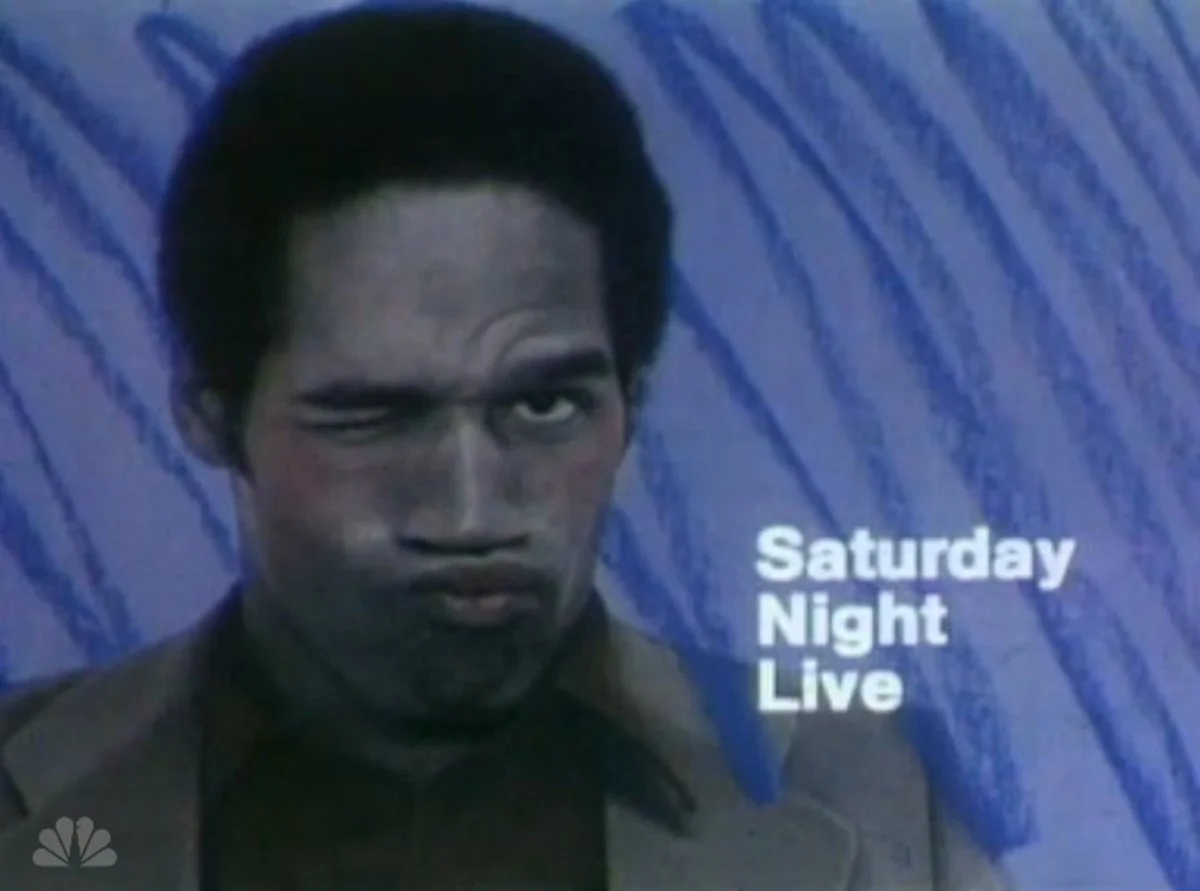
If O.J. Simpson’s contributions to American life began and ended with his success as a Heisman Trophy-winning, record-shattering football legend, then his legacy would still be extraordinary.
For initially better and later much, much worse, Simpson’s gifts to pop culture transcended sports. The Buffalo Bills superstar wasn’t just a superstar athlete who segued smoothly into announcing after retirement, along with the requisite endorsements and iconic commercials.
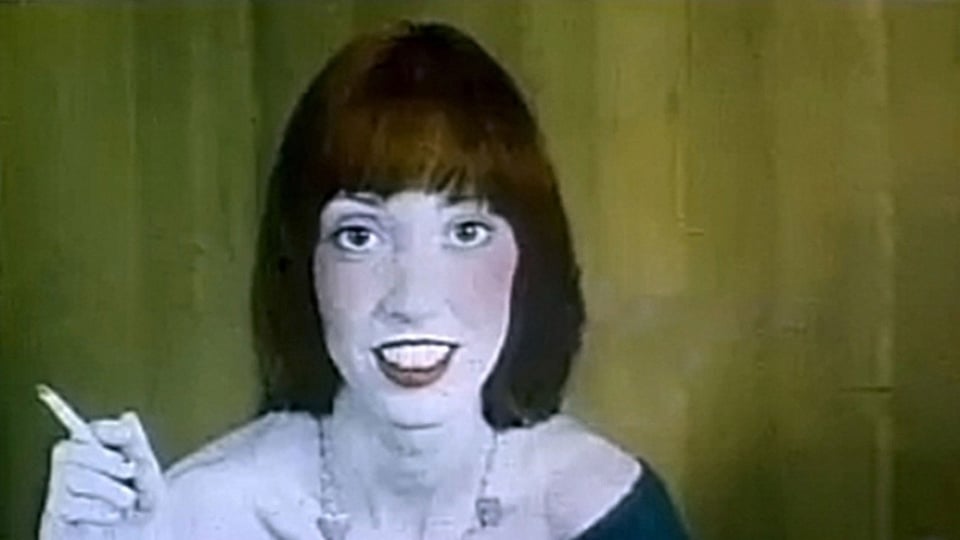
Over the past decade or so, a narrative regarding Shelley Duvall’s life and career has crystallized in the public mind depicting the actress as the devastated victim of Stanley Kubrick's cruelty during the filming of The Shining. This reading is supposed to be sympathetic to Duvall and her struggles with mental illness, but I find it condescending and wrong. It also ignores that Duvall had substantial success post-The Shining, including Shelley Duvall’s Fairy Tale Theater, which she created, hosted, and executive produced.
Duvall is not a victim. She's a survivor. She's not weak. She's strong. You have to be strong to handle the twin crucibles of fame and mental illness. You need to be strong to handle something as intense, stressful, and demanding as hosting Saturday Night Live during their mid-1970s golden years.
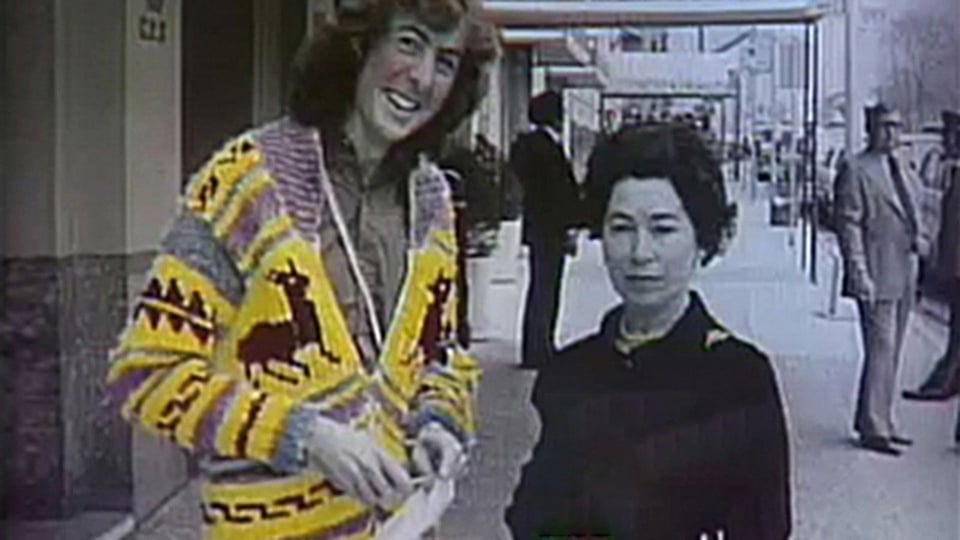
The framing device of Eric Idle’s second stint as host of Saturday Night Live has the Monty Python alum hosting a fundraiser to raise money for the United Kingdom. Idle trots out the Queen of England and various oddities in an unsuccessful attempt to raise funds for his home country.
It’s a spectacularly silly conceit for an especially silly episode. Idle isn’t just British; he is exceptionally English. The episodes he hosted are equally English in the extreme.
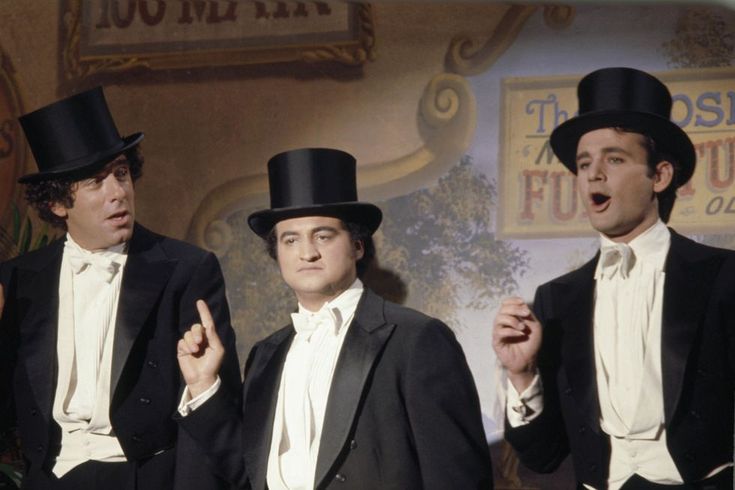
The third time Elliott Gould hosted Saturday Night Live the show ran a minute or so short. This forced Gould and the Not Ready for Prime Time Players to improvise for seventy-five seconds.
This filled the fearless young cast and host with fear. They were terrified. How could they be asked to ad-lib for such an impossibly vast amount of time? It was sadistic, is what it was. It was inhuman, impossible, and quite possibly a cruel and unusual punishment banned by both the Constitution and the Geneva Convention.
April is a big/weird month for me. It’s when The Dissolve laid me off,and The A.V. Club canceled My World of Flops. It’s also my birthday and this site’s birthday.
I’ve had a rough forty-seven years, so I’ve decided to give myself an obscenely generous gift for my forty-eighth birthday and the site’s seventh anniversary.
Nathan Rabin's Bad Ideas is a reader-supported publication. To receive new posts and support my work, consider becoming a free or paid subscriber.
In Living Color successfully branded itself the black Saturday Night Live because Lorne Michaels’ deathless comic institution is so famously white. In Living Color's first big breakout star, Damon Wayans, was a Saturday Night Live reject from one of its worst eras.
Though Eddie Murphy, a mere teenager when he joined the cast, arguably saved Saturday Night Live when it was at its lowest point in the early 1980s, the show has had very few African-American cast members and writers.
I am now officially almost four percent done with my epic exploration of every Saturday Night Live episode. So it’s probably worth noting that up until this episode, Lorne Michaels’ deathless comic institution was officially known as Saturday Night.
That’s because the name Saturday Night Live was already taken by a uniquely ill-conceived, ill-fated sketch and variety show starring funnyman Howard “Chuckles” Cosell and some young people destined for bigger and better things, most notably Bill Murray and Christopher Guest.
I wrote a blog post not too long ago on the problematic nature of Bill Murray’s persona and his image as not just an unusually talented and beloved actor but also a modern-day folk hero with much to teach us about living life to the fullest.
This veneration of Murray and his unwillingness to follow the rules or respect boundaries, particularly those of his female costars, has troubling ramifications that speak to the dark side of hero worship in general and hero worship of the Caddyshack star in particular.
As much as I like Buck Henry, Steve Martin, and Elliott Gould, I prefer unconventional, unexpected hosts. Since the very beginning, much of the appeal of Saturday Night Live has been seeing whether the week's host is able and ready or whether they'll make a fool of themselves with the whole world watching.
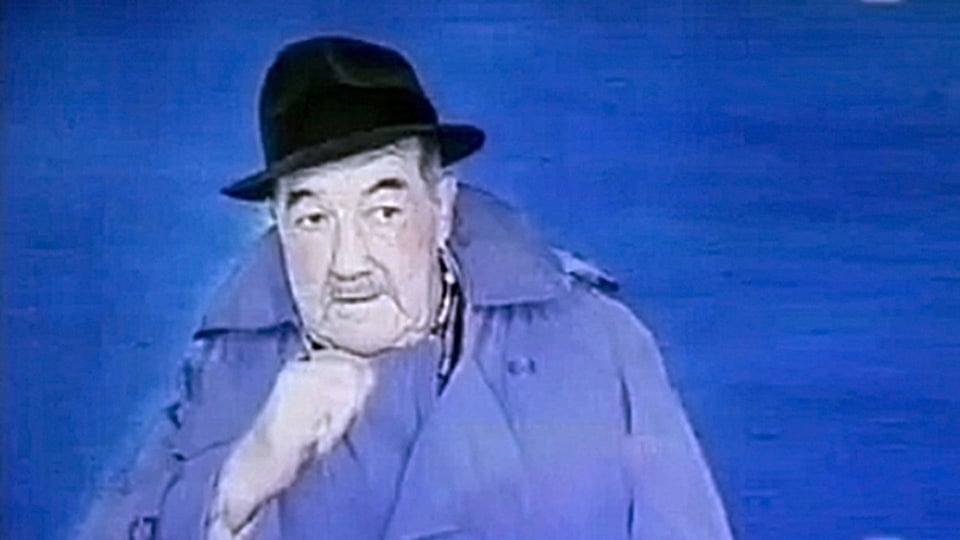
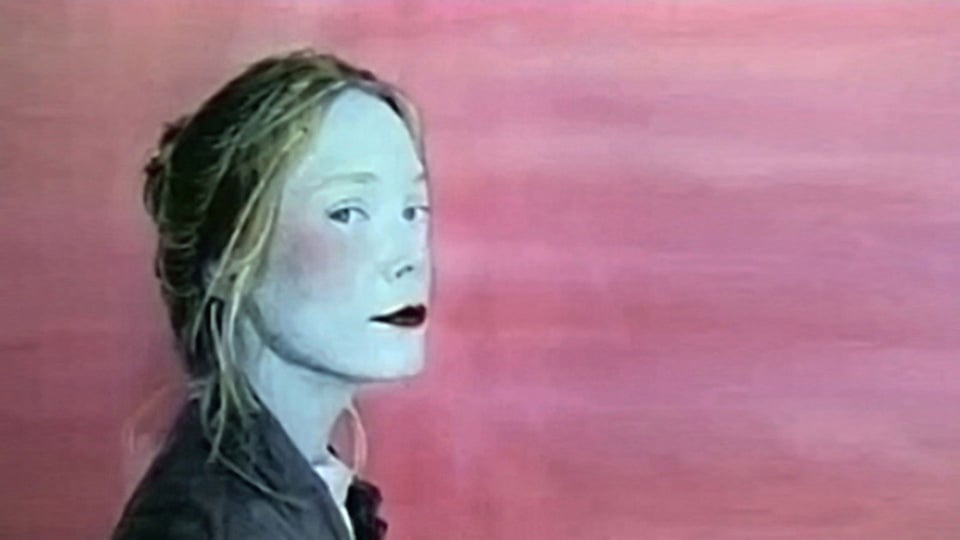
That's why I was excited that Sissy Spacek, who was very young when she hosted Saturday Night Live but seemed much younger, is this week's host and genuine old person Broderick Crawford. This is in sharp contrast to Buck Henry, who was the Not Ready For Primetime players' weird uncle even though he was a mere forty-five when he first hosted. I'm forty-seven now and in the full flower of my radiant youth. Yet Henry was even younger than me when he became the default host when someone more famous bailed.