
Pennsylvania's new elevator code lands in 40 days
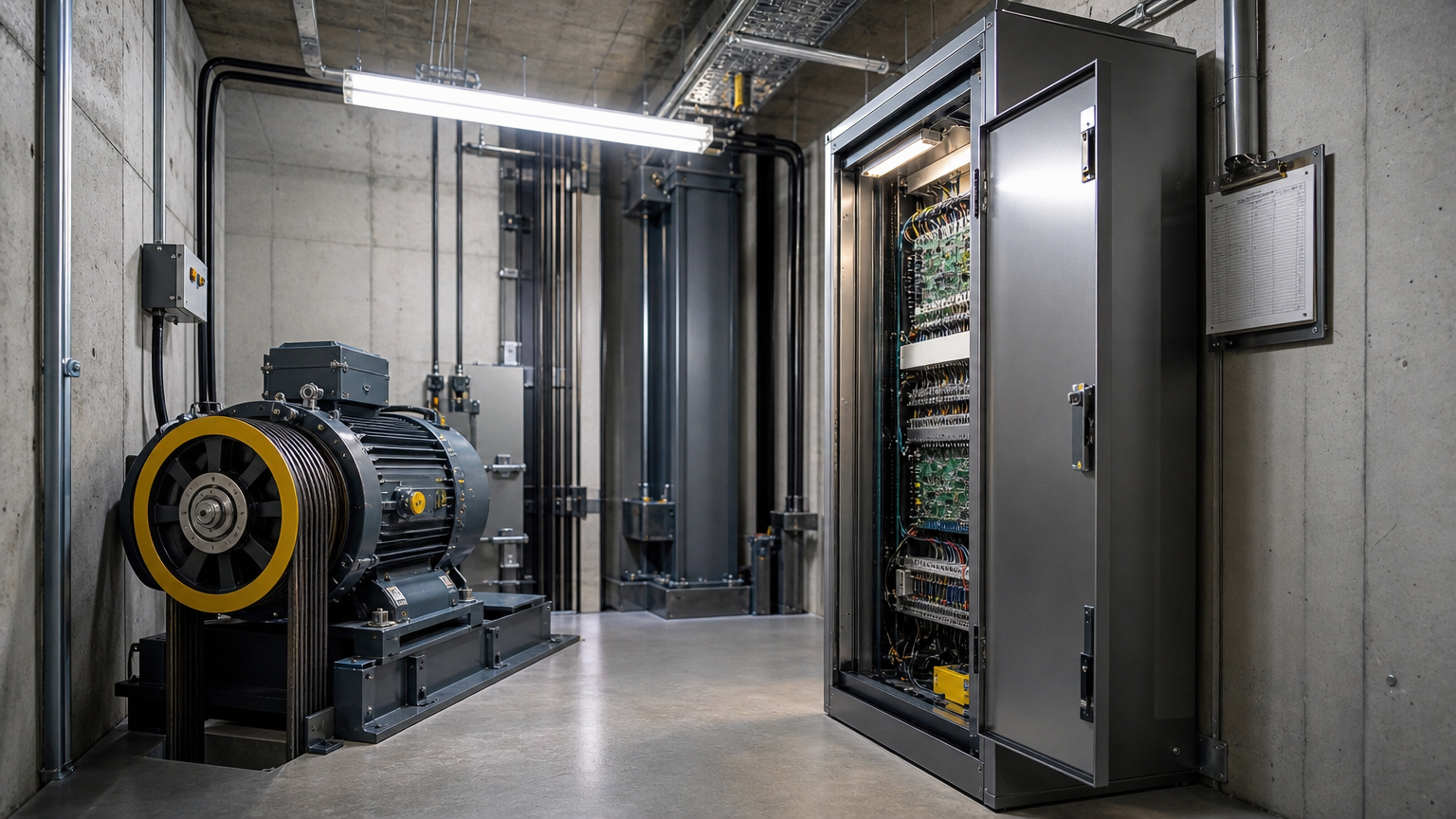
Pennsylvania's updated elevator safety standards take effect December 20, and the state is running its last round of briefings this week, Harrisburg today. Plus: Texas rebuilt its accident reporting forms on November 3, and New York City extended its third-party acceptance test pilot to the end of the year.
THE SIGNAL
Pennsylvania's new elevator standards take effect December 20, and the guidance is still being written
Pennsylvania's elevator safety standards under the Uniform Construction Code are changing on a fixed date. Regulation #12-123, which addresses elevator safety standards under the UCC, was published in the Pennsylvania Bulletin on Saturday, June 20, 2026. The Department of Labor and Industry states the plain consequence on its elevators page: these amendments will become effective on December 20, 2026.
What the Department has not yet issued is the guidance. The same page says the Department is preparing guidance that will be issued prior to the effective date, and that regulatory questions can go to the Department's Elevator Regulations email account in the meantime. In other words, the rule text is final-form and published, the effective date is set, and the interpretive layer owners and contractors will actually work from is still being written.
The Department is explaining the new regulations in person before that guidance lands. Philadelphia met on Thursday, November 5. Harrisburg meets today, Tuesday, November 10, from 10 a.m. to 12 p.m. at the Forum Auditorium, 500 Walnut Street. Pittsburgh meets Thursday, November 12, from 10 a.m. to 12 p.m. at 650 Ridge Road. A virtual meeting follows on Monday, November 16, from 10 a.m. to 12 p.m., and it requires pre-registration by 5 p.m. on Thursday, November 12, by email to the Elevator Regulations account with the subject line Request Webinar Registration. All of the in-person sessions are open to all interested parties.
One structural fact on the same page matters for planning: every third party agency that inspects elevators and other lifting devices for compliance with the UCC must be certified by the Department. The certification list the Department publishes runs to more than thirty agencies, with expiration dates spread across the next several years, so inspection capacity exists. What is scarce in a code-change window is not capacity in general, it is booked capacity in the specific weeks after a new standard takes effect.
What this means for you: If you own or manage Pennsylvania elevators, the next six days are the cheapest information you will get all year. Register for the virtual session before the 5 p.m. Thursday deadline if you cannot reach Harrisburg today or Pittsburgh on Thursday, and send your questions to the Elevator Regulations account while the guidance is still being drafted, because questions asked now can shape it. In parallel, pull your own record straight: for each car, confirm the permit it runs under, the date and result of its last inspection and periodic test, and which certified agency performed them. Then ask your service provider, in writing, which of your planned jobs will be filed before December 20 and which after, because the filing date is what will decide which standard a job is judged under. Do not wait for the guidance document to start that work. The effective date is not moving with it.
INDUSTRY WATCH
Texas combined its elevator accident and reportable condition forms, effective immediately
The Texas Department of Licensing and Regulation revised its accident and reportable condition forms on November 3 to match the Chapter 74 definitions of accident, serious bodily injury, and reportable condition. Elevators and escalators now share one combined form, ELE216N, and wheelchair lifts got their own new form, ELE217N. The clocks did not change, and they are short: report within 24 hours, take the unit out of service, and do not return it until the Department approves in writing. For a reportable condition, add re-inspection, re-certification, and written verification that the condition is corrected. If your Texas incident packet still holds the old forms, replace them this week, because the 24-hour clock starts at the incident, not at the moment someone finds the right PDF.
New York City extended its third-party acceptance test pilot through December 31
In an industry notice distributed October 27, the New York City Department of Buildings extended its Third-Party Elevator Inspection Pilot Program through December 31, 2026. Approved agencies can perform acceptance tests for new installations, alterations, and modernization work, but a witnessing agency must be present, it cannot be affiliated with the work or with the agency that performed it, and a licensed Director, Co-Director, or inspector from that agency must attend the test. DOB keeps the right to end the pilot early or change its terms, and the notice supersedes the December 9, 2025 extension. Two calendar rules run the schedule: notify DOB at least two days before a final acceptance test, and cancel at least one day ahead. If a year-end modernization is counting on a third-party acceptance test, book the witness now, not in December.
THE DEEP CUT
The 40-day code-change checklist
Forty days sounds like a long runway. It is four to six working weeks once holidays, board meetings, and contractor schedules take their share. Use it in order.
First, build the inventory the new rules will be read against. For every Pennsylvania car, write down the device type, the permit or approval it runs under, the date of its last inspection and periodic test, and who performed them. If a field is blank, that blank is your first finding. Owners get surprised by code changes when the record lives in a contractor portal nobody at the building can open.
Second, sort your projects by permit date, not by start date. Ask your provider, in writing, which jobs in your pipeline will be filed before December 20 and which will land after it, and which standard each filing will be judged under. A modernization priced in October and filed in January can be two different jobs. Get the answer before you sign, not after the plan review comes back with questions.
Third, put testing on a calendar, not in an inbox. List each car's next periodic inspection and its next category test, with the witnessing and filing steps named beside the date. Then ask who books the certified third-party agency, who witnesses, and who keeps the filed copy. Those are three different jobs in most buildings, and the gaps between them are where deadlines die.
Fourth, use the state's own sessions while they are still running. Harrisburg meets today, Pittsburgh on Thursday, and the virtual session is Monday, November 16. Registration for the virtual session closes at 5 p.m. on Thursday, November 12. Send one person with your inventory in hand and three written questions. Guidance is still being prepared, so the answers given in these rooms are the earliest version of it you will get.
Last, brief your budget holder now. A code change that takes effect December 20 does not wait for your January budget cycle. Put a placeholder line in the 2027 budget for testing, filing, and any work the new standard surfaces, sized after your provider prices your actual cars. A specific number, even a rough one, beats a surprise in the first quarter.
Run your contract through the free Contract Scanner
Free tool: the Contract Scanner
A code change only becomes your budget problem if your agreement leaves code-driven work on your side of the ledger. Upload your service contract and the Scanner flags the code-upgrade exclusions, the uncapped escalations, and the auto-renewal traps that decide who pays when a new standard takes effect.
P.S. Want more than a flag? The Decode report is a full line-by-line breakdown of your specific agreement, including the exclusions and the triggered-code exposure, for $29.