
Illinois hears the door monitoring rule on Thursday
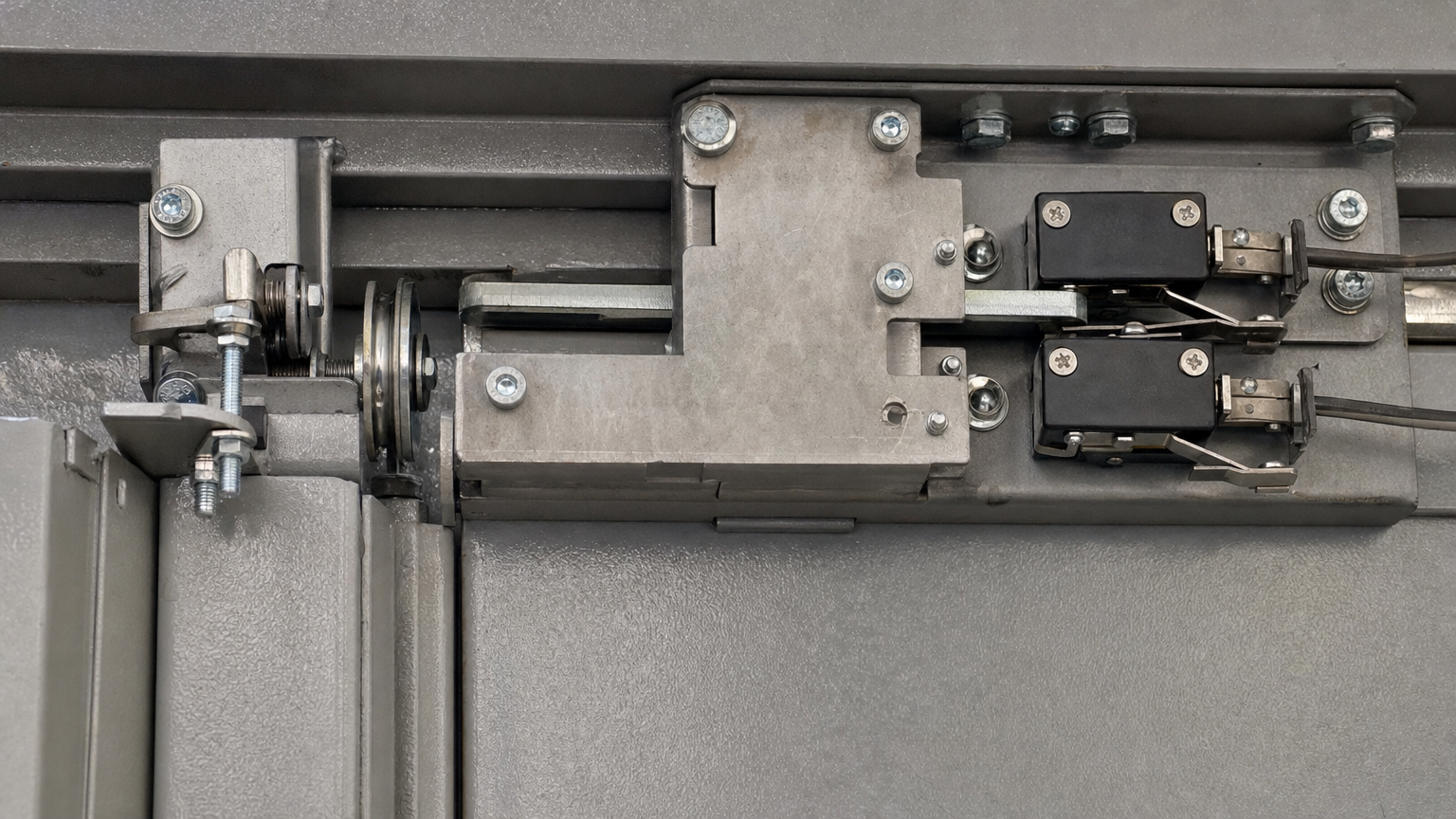
Illinois holds its public hearing Thursday on proposed rules that would put door lock monitoring on most existing elevators, and written comments stay open through November 23. Plus: Mississippi has already adopted the same 2025 code, and Oklahoma City shows how the newer standards land at city level.
THE SIGNAL
Illinois would extend door lock monitoring to most existing elevators, and the comment clock runs out November 23
The Elevator Safety Review Board's proposed amendments to the Illinois Elevator Safety Rules (41 Ill. Adm. Code Part 1000) were published in the Illinois Register on October 9, 2026. They would adopt ASME A17.1-2025 in place of the 2019 edition, along with updated editions of A17.7, A18.1, QEI-1, and A17.2. The Elevator Safety Review Board discussed the updates across its previous three meetings and voted to approve the proposed language on September 10, 2026.
The provision owners will feel is door lock monitoring. A door monitoring system keeps an elevator from moving unless its doors are fully closed and locked, and watches for faults in door wiring, locks, contacts, and bypasses. A17.1-2025, at Section 2.26.5, requires it in new and altered elevators today and would retrofit it into existing ones. The requirement covers automatic passenger and freight elevators with power-operated car doors mechanically coupled to the landing doors that do not already have a monitoring system. Cars that already have one stay under the code edition they were installed to. OSFM anticipates adoption effective during summer 2027, and existing elevators without monitoring would have until January 1, 2034 to comply, a date the Illinois modification sets seven years out from anticipated adoption. Two A17.1 sections would be excluded from adoption entirely: remote interaction operation and test enable operations.
The Board's own small business analysis puts a number on it: an estimated $10,000 to $25,000 per elevator to install a compliant door monitoring system, with a warning that a specific car could cost more. Compliance takes one of two forms, a door lock monitoring overlay added to the existing controller, or a modernization. OSFM states that it is highly unlikely any elevator will need to be modernized to meet this requirement, and it encourages any owner told otherwise to request proposals from different licensed elevator contractors. None of this is law yet. The rule is at first notice, the text can change, and nothing is owed today.
What this means for you: The public hearing is Thursday, November 5, 2026 at 9:30 AM Central, at 5860 W. 111th Street in Chicago Ridge. Written comments close November 23, 2026, by email to [email protected] or by mail to Blake Fawns, Administrative Rules Coordinator, at OSFM in Springfield. If you own or manage Illinois elevators, do three things before that deadline. First, establish which of your cars already have door lock monitoring; your service provider can answer car by car, and the cars without it are the ones in scope. Second, get one real overlay quote on a representative car, so your comment and your capital plan both run on your numbers instead of the state's range. Third, if you comment, comment on specifics: the 2034 date, the overlay path, and what the requirement does to a small building's budget. Keep a copy of everything you send.
INDUSTRY WATCH
Mississippi adopted the 2025 code already, effective March 15, 2027
Illinois is not an outlier. The Mississippi Insurance Department, which regulates elevators in that state, has adopted ASME A17.1-2025 with a state variance. The amended adoption was issued November 2, 2026, and it takes effect March 15, 2027. If you hold Mississippi buildings, read the state document before you assume the national text applies as written, because the variance and the state bulletin are what an inspector will enforce, not the ASME book. The larger pattern matters more than any one state: the 2025 edition is moving from publication into enforcement, one jurisdiction at a time, and each adoption writes its own exceptions and dates.
Oklahoma City aligned to the state standards, and the permit date decides the code
Oklahoma City amended its City Charter to align its elevator safety standards with the statewide standards adopted under the Oklahoma Elevator Safety Act. Since January 1, 2026, applicable work in the city is enforced against ASME A17.3-2023 for existing elevators and escalators, with one deliberate exception: ascending car overspeed and unintended car movement protection are deferred until January 1, 2030. Installation and alteration permits received on or after July 1, 2026 must comply with ASME A17.1-2022, and with A18.1-2023 for platform lifts and stairway chairlifts. The transferable lesson is the trigger. In a home-rule city, the permit receipt date, not the day the crew shows up, decides which edition governs your job.
Source: Oklahoma Department of Labor, Updated Elevator Safety Standards for Oklahoma City (industry notice)
THE DEEP CUT
Write the Illinois comment that actually gets read
Agencies count form letters. They read comments that carry facts nobody else has. Yours can be one of the second kind, and it takes an hour.
Open with your inventory, not your opinion. Name the building type, the number of cars, their ages, and how many have power-operated coupled doors without door lock monitoring. That single paragraph does work no petition can: it tells the Board exactly who the rule lands on. If some of your cars already have monitoring, say so, and say under which code edition it was installed.
Then price your own building. The Board's estimate is $10,000 to $25,000 per elevator, and it says in the same paragraph that a specific car can cost more. Attach one real overlay quote for one representative car and say so plainly: our contractor priced the overlay at this figure, on this equipment, on this date. A comment with a quote attached moves the economic record. A comment that says costs are too high does not.
Take positions on the live design choices, because those are what a comment period can still change. The January 1, 2034 compliance date for existing elevators. The overlay path, and whether the final text should state clearly that an overlay satisfies the requirement without a modernization. The two excluded sections, remote interaction operation and test enable operations, if either affects your operation. Support what you support; the Board weighs a record that is not uniformly hostile more heavily.
Ask for something specific and grantable. Confirm in the final text how compliance is proven at the annual inspection. Phase the deadline by building size if the economics differ. Whatever you ask, ask for one thing at a time, in its own sentence.
Close with logistics. Email the comment to [email protected] before November 23, keep the sent copy and the transmission record, and calendar the rest of the process: second notice, legislative committee review, and adoption anticipated in summer 2027. Then budget the work across the years the rule gives you instead of against the 2034 deadline. Owners who spread seven years of retrofits across seven budgets will not be the ones bidding against everyone else in 2033.
Run your contract through the free Contract Scanner
Free tool: the Contract Scanner
A proposed rule only becomes your budget problem if your agreement leaves code-driven work on your side of the ledger. Upload your service contract and the Scanner flags the code-upgrade exclusions, the uncapped escalations, and the auto-renewal traps that decide who pays when a requirement like door lock monitoring lands.
P.S. Want more than a flag? The Decode report is a full line-by-line breakdown of your specific agreement, including the exclusions and the triggered-code exposure, for $29.