
Pennsylvania gave every elevator an annual test date
Pennsylvania Regulation #12-123 takes effect December 20, and Category 1 testing becomes an annual, stand-alone requirement with a first deadline of December 20, 2027. Plus: New York City's 2026 filing year closes December 31, and a Connecticut town shows how to communicate a 27-week escalator shutdown.
THE SIGNAL
Pennsylvania's new elevator code takes effect December 20, and testing just became annual
Pennsylvania Regulation #12-123, covering 34 Pa. Code Chapters 401 and 405, was published in the Pennsylvania Bulletin on June 20, 2026. The updated Chapter 405 rules take effect six months later, on December 20, 2026. They adopt ASME A17.1-2016, with Pennsylvania-specific modifications, as the technical standard for covered elevators and lifting devices.
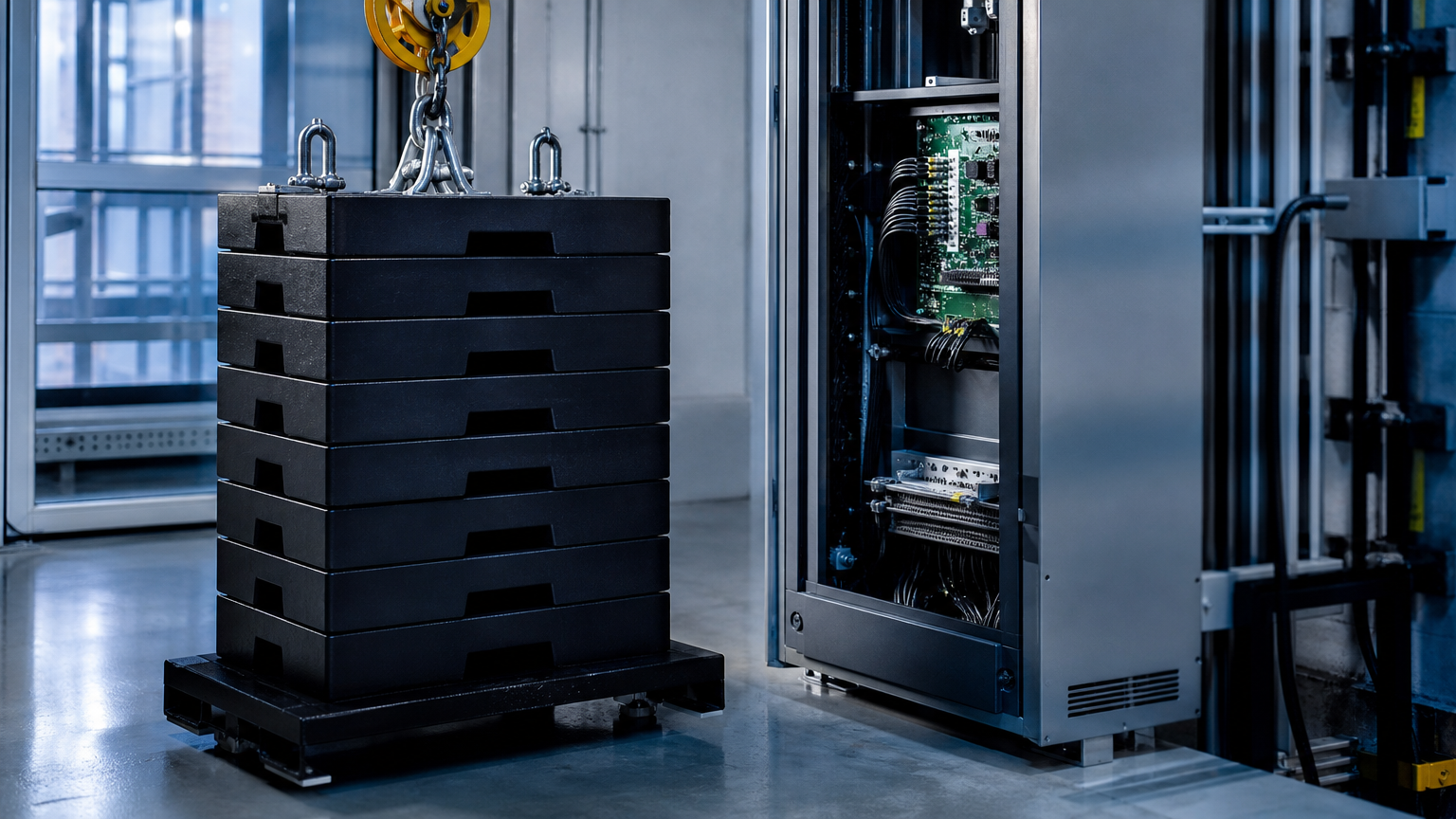
The change owners will feel first is testing. Category 1 testing becomes a stand-alone annual requirement for covered equipment, existing and newly installed alike. Category 1 is an annual evaluation of specified safety systems. Depending on the equipment type and classification, it can include safeties, governors, buffers, brakes, emergency systems, and fire service functions. The test is typically performed by your elevator service provider and witnessed by a certified construction code official or a Pennsylvania-certified third-party inspection agency. The first annual Category 1 test for each covered unit must be completed by December 20, 2027.
Two limits keep this in proportion. Existing elevators do not automatically require modernization when the new code takes effect. An elevator with a certificate of operation issued before December 20, 2026 may generally remain in use if it is maintained in accordance with its prior permit or approval and continues to meet applicable inspection and testing requirements. And the new technical standards generally apply to covered work tied to permit applications submitted after December 20, so planned repairs, alterations, replacements, or modernization are where the 2016 standard will bite first. Periodic inspections stay separate from the annual test: existing Pennsylvania elevators are inspected every six or 12 months, depending on the equipment.
What this means for you: If you own or manage Pennsylvania elevators, do three things before December 20. First, pull each device record from the Department of Labor and Industry Boiler and Elevator Search portal, by device ID or location number, and write down the last inspection and last Category 1 dates you find there. Second, confirm in writing whether annual Category 1 testing is already inside your maintenance agreement, including who performs it, who arranges the certified witness, and who submits the paperwork. Some agreements include the test, some do not. Third, put each car on a 2027 test date in the first half of the year. The legal deadline is December 20, 2027, but a test scheduled for November leaves no room for a failed item, a repair, and a witnessed retest.
INDUSTRY WATCH
New York City's 2026 filing year closes December 31, and January cutoffs are hard
NYC periodic inspections run January 1 to December 31 and must be filed within 14 days of the inspection date. Filings not submitted by January 14 of the following year will not be accepted, and failure to file violations follow. Category 1 tests get 21 days to file, with a January 21 hard cutoff. Defects found on either must be corrected within 90 days, with the Affirmation of Correction filed within 14 days of the correction; miss 104 days and a Failure to Correct violation lands. The Department also notes most failure to file violations cannot be dismissed without paying the full civil penalty. If a car in your portfolio has not been inspected or tested yet this year, November is the last comfortable month to get it done and filed.
Source: New York City Department of Buildings, Elevator Compliance
West Hartford took four escalators out for 27 weeks and kept the elevators running
On October 20, the Town of West Hartford, Connecticut began the next phase of its Memorial Garage modernization: the four escalators serving floors 1 to 2 and 2 to 3 are out of service for about 27 weeks while major mechanical and electrical components are replaced. The town published the scope, the duration, and the alternatives up front. The already modernized lower level escalators, returned to service September 21, stay running, and elevator access and the adjacent stairwells are not impacted. Its separate Webster Walk elevator modernization is expected back in early December, pending final work and inspections. Steal the communication pattern for your own project: one notice, a stated number of weeks, and the working route named before the barricades go up.
Source: Town of West Hartford, Connecticut, Memorial Garage escalator work enters next phase
THE DEEP CUT
Build your 2027 Category 1 calendar before December 20
December 20 changes testing in Pennsylvania from something that happens every few years to something that happens every year. Build the calendar now, while you can still pick the dates.
Start with a clean inventory. One row per device: address, device ID or MD number, equipment type, last inspection date, last Category 1 test date, and last Category 5 date. Pull the official record from the state Boiler and Elevator Search portal and compare it with your own files. Where the two disagree, the state record is what an inspector will see, so fix the gap first.
Next, read your maintenance agreement for testing, not maintenance. Some full service contracts include Category 1 testing. Others exclude it, or include the mechanic time but not the witness fee, the load weights, or the paperwork. Get four answers in writing: who performs the test, who arranges and pays the certified witness, who submits the documentation, and what a failed item costs to retest. A test nobody budgeted is a test that slips.
Then schedule each car inside the first half of 2027, not the last quarter. Category 1 can cover safeties, governors, buffers, brakes, emergency systems, and fire service functions, depending on the equipment. That means coordinating your elevator contractor, the witness, your fire alarm vendor, and whoever runs the generator, in one visit. Book the alarm and generator people the same week you book the test, not after it.
Leave room for failure. If a car fails an item, you need repair time, parts time, and a witnessed retest before December 20, 2027. A June test gives you that room. A November test does not.
Finish with a one page calendar per building: test month, witness, contract contact, and the file where the signed test record will live. When the board asks what the new code costs, you answer with dates and names, not estimates.
Run your contract through the free Contract Scanner
Free tool: the Contract Scanner
Annual testing is only cheap if your agreement already covers it. Upload your service contract and the Scanner flags the testing exclusions, the uncapped escalations, and the auto-renewal traps that decide who pays for the new Pennsylvania requirement.
P.S. Want more than a flag? The Decode report is a full line-by-line breakdown of your specific agreement, including the exclusions and the triggered-code exposure, for $29.