In 1987: A Double Murder in Dallas Built on Junk Science
Today in True Crime
by CaseBond · Source-backed daily true-crime history
June 20, 2026
In 1987: A Double Murder in Dallas Built on Junk Science
On the night of June 20, 1987, John Sweek and his wife Sally were found dead inside their Dallas, Texas apartment. John was twenty-seven years old; Sally was twenty-one. The crime that ended their lives would also begin the wrongful destruction of another man's — a slow-motion miscarriage of justice that would take more than twenty-five years to reverse.
Dallas investigators processing the crime scene recovered numerous pieces of physical evidence. Among the findings was what appeared to be a human bite mark on one of the victims. This detail would prove decisive in the prosecution that followed — not because it pointed to the true killer, but because it pointed to a forensic technique that courts had long treated as reliable and that, in the decades to come, would be thoroughly discredited.
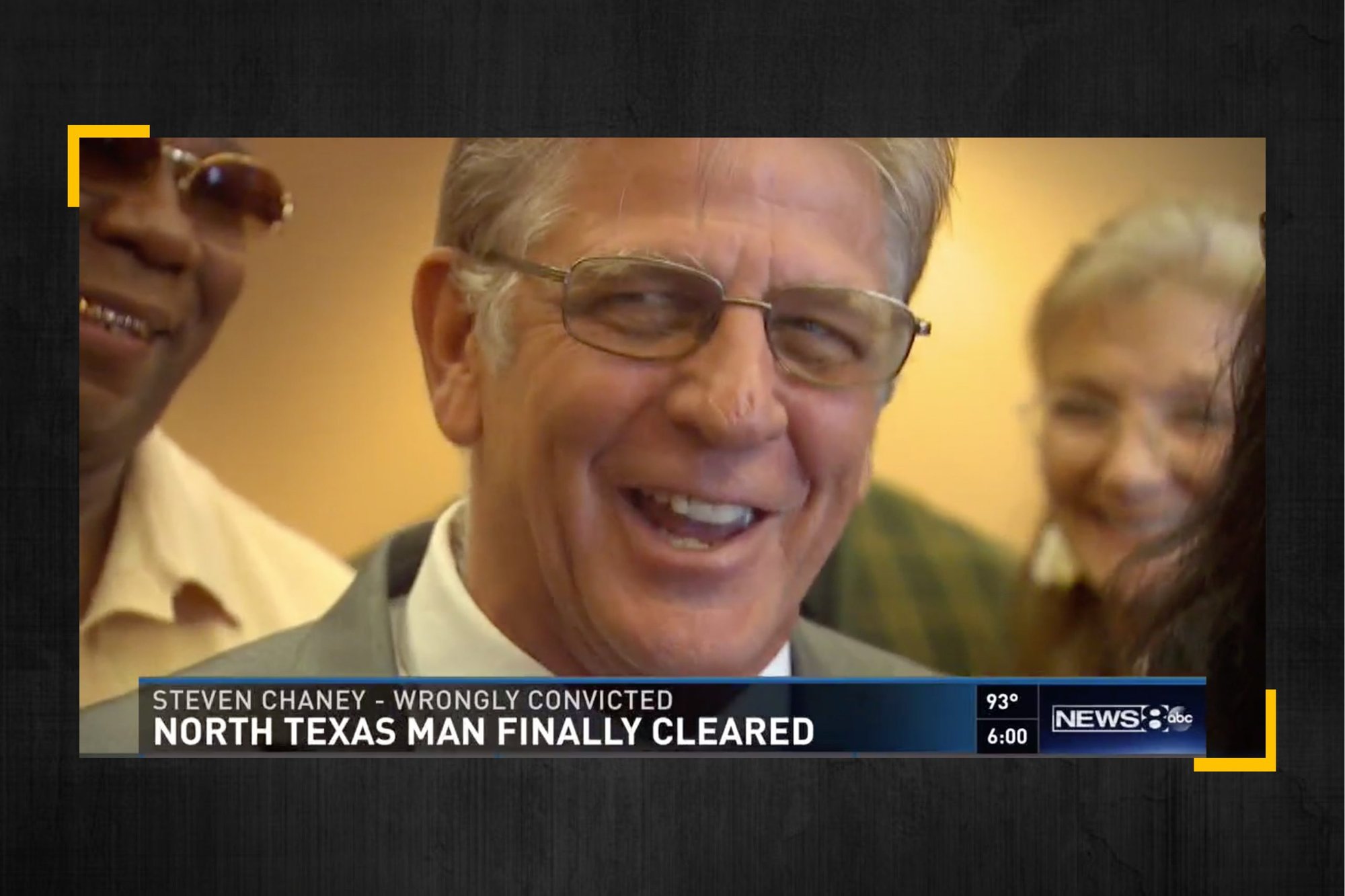
Several days after the murders, an anonymous caller contacted police with information implicating a man named Steven Mark Chaney. The caller claimed that he and Chaney had been regular visitors to the Sweek apartment, buying cocaine there multiple times a week. A second source told investigators that Chaney owed John Sweek money — a potential motive. Investigators had a name, a motive, and a forensic clue. They had what looked like a case.
Chaney himself told investigators he had eight witnesses who could account for his whereabouts on the night of June 20. He also said he had not been inside the Sweek apartment in the weeks before the murders — directly contradicting the picture the anonymous caller had painted. These were significant facts, but they were not enough to stop the prosecution from moving forward.
In 1989, Chaney stood trial for the murders. The prosecution's centerpiece was testimony from two forensic odontologists who told the jury that bite marks found on one of the victims matched Chaney's teeth. It was the kind of expert testimony that juries take seriously — specific, technical, delivered with professional confidence. The jury convicted Chaney on both murders and sentenced him to life in prison.
He served more than twenty-five years. Meanwhile, the scientific consensus on bite mark analysis was eroding. Researchers and review bodies, including the National Academy of Sciences, were reaching a stark conclusion: the foundational assumptions of bite mark matching — that teeth are sufficiently unique and that marks on human skin can be reliably linked to a specific individual — had never been scientifically validated. The technique, presented in 1989 as settled forensic science, was increasingly being characterized as junk science. Under Texas law, a conviction obtained through discredited science can be challenged on that basis alone.
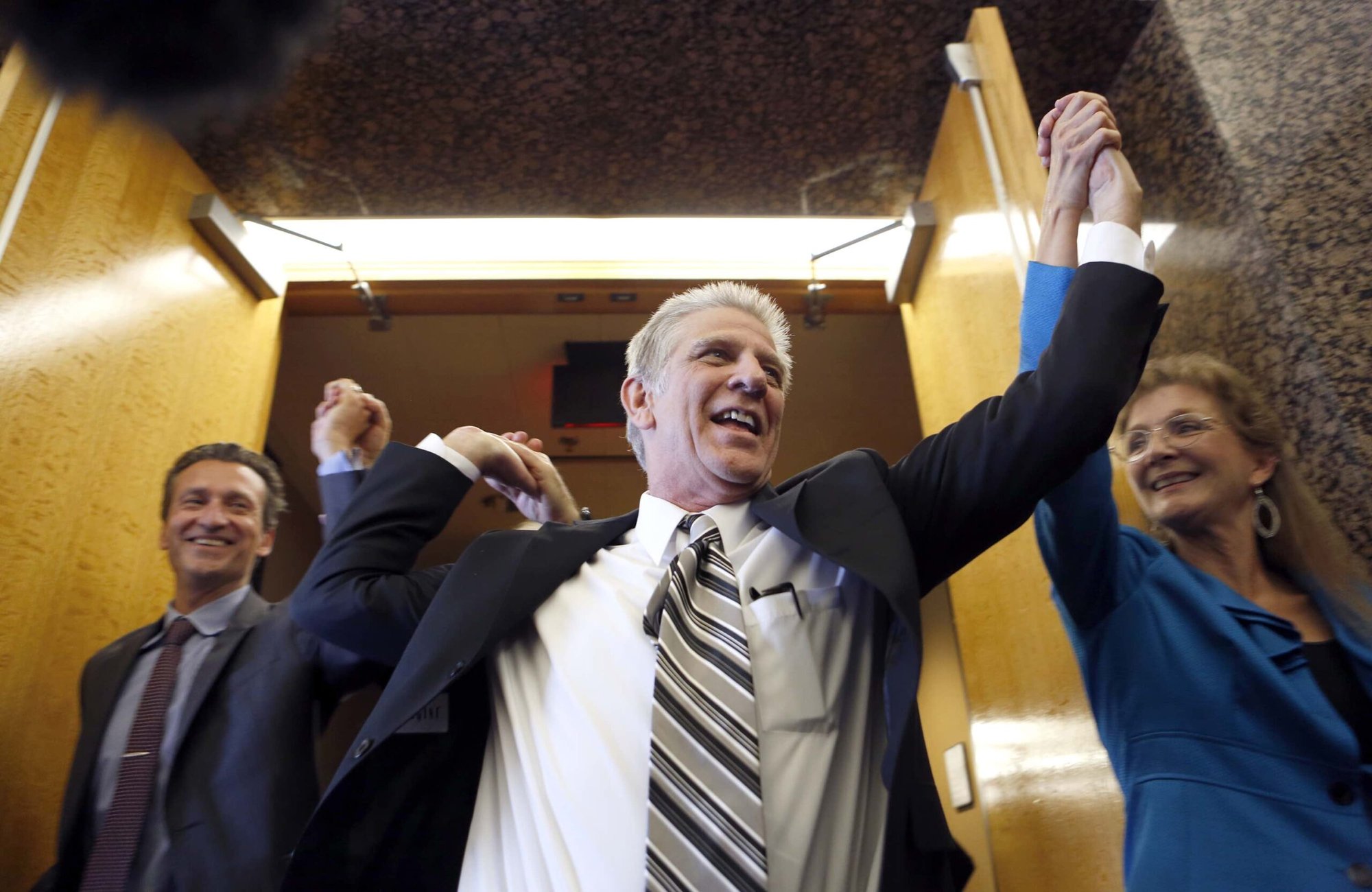
The Dallas County district attorney's Conviction Integrity Unit took up the case, reviewed the odontology testimony against the evolving scientific standards, and brought the matter before the Texas Court of Criminal Appeals. In December 2018, the court formally declared Steven Mark Chaney an innocent man. He walked free after a quarter century of wrongful imprisonment — officially cleared, the conviction vacated.
The murders of John and Sally Sweek on June 20, 1987 remain officially unsolved. The real killer has never been identified. What the Chaney case leaves behind is a clear inventory of how a wrongful conviction assembles itself: an anonymous tip that could not be cross-examined, a forensic technique that turned out to be scientifically unsound, and a prosecution built on the combination of both. The criminal justice system ultimately corrected its error. It took more than twenty-five years.
Also on this day
-
Gangster Benjamin 'Bugsy' Siegel Shot Dead in Beverly Hills, June 20, 1947 · WikipediaBenjamin 'Bugsy' Siegel, one of the founders of Murder, Inc. and a central figure in organized crime's development of the Las Vegas Strip, was shot and killed at his girlfriend's Beverly Hills home. The murder was never officially solved.
-
15-Year-Old Junior Guzman-Feliz Killed by Trinitarios Gang Members in the Bronx, June 20, 2018 · WikipediaLesandro 'Junior' Guzman-Feliz, 15, was dragged from a Bronx bodega and fatally attacked by members of the Dominican-American street gang Trinitarios in what investigators determined was a case of mistaken identity. The attack was captured on surveillance video and spurred national outrage.
-
Barry Morphew Arrested in Arizona on First-Degree Murder Charge in Wife's Death, June 20, 2025 · CBS NewsBarry Morphew was arrested in Arizona on June 20, 2025, two days after a new indictment charged him with first-degree murder in the death of his wife, Suzanne Morphew. It was his second arrest in the case; investigators alleged that her body had been moved at least twice after the killing.
-
Hunter Biden Reaches Federal Plea Deal on Tax and Gun Charges, June 20, 2023 · PoliticoHunter Biden reached a plea agreement with federal prosecutors to resolve charges stemming from approximately $1 million in unpaid federal taxes and a gun charge, concluding a five-year federal investigation into his finances.
-
Gilgo Beach Suspect Rex Heuermann Faces Ongoing Murder Proceedings, June 20, 2024 · NewsNationRex Heuermann, a Long Island architect charged in the Gilgo Beach serial killings, continued to face criminal proceedings in 2024. He ultimately pleaded guilty to killing seven women and admitted to murdering an eighth, receiving a life sentence.
-
David Leonard Wood, 'The Desert Killer,' Born in San Angelo, Texas, June 20, 1957 · WikipediaDavid Leonard Wood, later convicted of raping and murdering at least six women and girls in El Paso, Texas in 1987, was born in San Angelo, Texas. He was sentenced to death and has spent decades on death row.
-
Leslie Preer Murdered in Maryland Cold Case Later Solved by Genetic Genealogy, June 20, 2001 · ABC NewsLeslie Preer was murdered in Montgomery County, Maryland, in a case that went unsolved for more than two decades. Investigators ultimately cracked the cold case using genetic genealogy technology, bringing the investigation to national attention on ABC News.
-
DNA Technology Solves 30-Year-Old Murder of Irving, Texas Woman, June 20, 2025 · CBS TexasA decades-old murder in Irving, Texas was solved using modern DNA technology after more than thirty years, a breakthrough that drew renewed attention to the city's cold case investigation unit and the expanding role of genetic analysis in criminal justice.
-
Hillsborough County Solves 1989 Kidnapping Cold Case With International Cooperation, June 20, 2024 · Hillsborough County Sheriff's OfficeThe Hillsborough County Sheriff's Office announced the resolution of a kidnapping and sexual battery cold case from 1989, achieved through a collaboration between U.S. Homeland Security Investigations and Philippine law enforcement authorities, resulting in a DNA match.
-
Oklahoma Pardon Board Denies Clemency for Death Row Inmate Kendrick Simpson, June 20, 2025 · Fox23 NewsThe Oklahoma Pardon and Parole Board voted to deny clemency for death row inmate Kendrick Simpson, keeping him on track for execution and drawing reactions from observers following the case.
Just hit reply. Tell me what grabbed you, what you'd want more of, or a case you can't stop thinking about. I read everything.
Sources used/checked for this issue
- Steven Mark Chaney, Innocence Project — "Steven Mark Chaney," Innocence Project. https://innocenceproject.org/cases/steven-mark-chaney
- Texas court throws out 1987 murder conviction; declares North Texas man innocent, Texas Tribune — "Texas court throws out 1987 murder conviction; declares North Texas man innocent," Texas Tribune, December 19, 2018. https://www.texastribune.org/2018/12/19/steven-mark-chaney-murder-conviction-overturned
- Man declared innocent in 1987 murder under Texas junk science law, UPI — "Man declared innocent in 1987 murder under Texas junk science law," UPI, December 19, 2018. https://www.upi.com/Top_News/US/2018/12/19/Man-declared-innocent-in-1987-murder-under-Texas-junk-science-law/4791545260268
- Chaney v. State, No. 05-87-01371-CR (Tex. App. 1989), Justia — Chaney v. State, No. 05-87-01371-CR, Texas Fifth Court of Appeals (1989). https://law.justia.com/cases/texas/fifth-court-of-appeals/1989/05-87-01371-cr-6.html
- Chaney, Steven Mark — Forejustice Database, Forejustice — "Chaney, Steven Mark," Forejustice Database. http://forejustice.org/db/Chaney--Steven-Mark-.html
Today in True Crime by CaseBond — 2026-06-20
