
Making Space
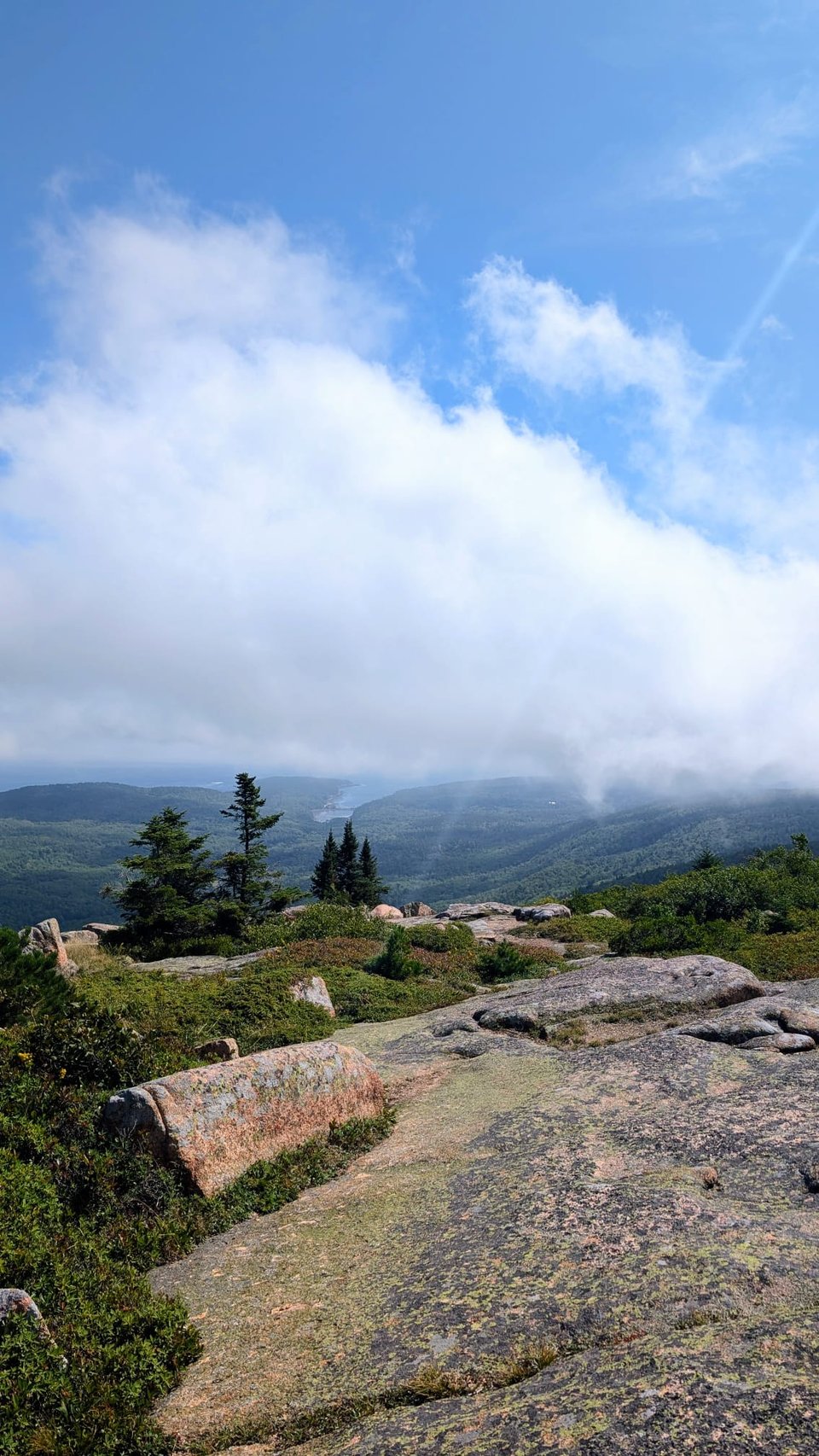
This newsletter touches a lot of topics: food, art, spiritual work, tech, yet somehow they keep circling the same thing: the need to make space for what doesn't seem to fit. Call it feelings, paintings, the design career you shut in a closet. It's the act of acknowledging the parts of ourselves we fail to recognize, or don't want to see. The truth is that the effects, whether we deal with those parts or not, are massive, personally and in a community.
It starts locally. Acknowledging who you are and how you show up, understanding that we don't have to be X, Y, or Z; and that we shouldn't expect that of ourselves. That our close circles are a priority. They can help and benefit firsthand from all of our full being. That's where we focus. That's what the beautiful people in this issue keep recommending.
So I'll encourage you to make some space. To recognize what you're going through. To make sure it gets there and that it feels safe enough for more of you to come out and shine.
In this issue:
Intro (1 min read)
Potato and Cabbage Soup (2 min read)
Lo que no cabe (5 min read)
Madeline Vu: The Long Way Home (20 min with paid subscription, 8 min. free version)
Okay. First things first, food.
Take it away, Shea:
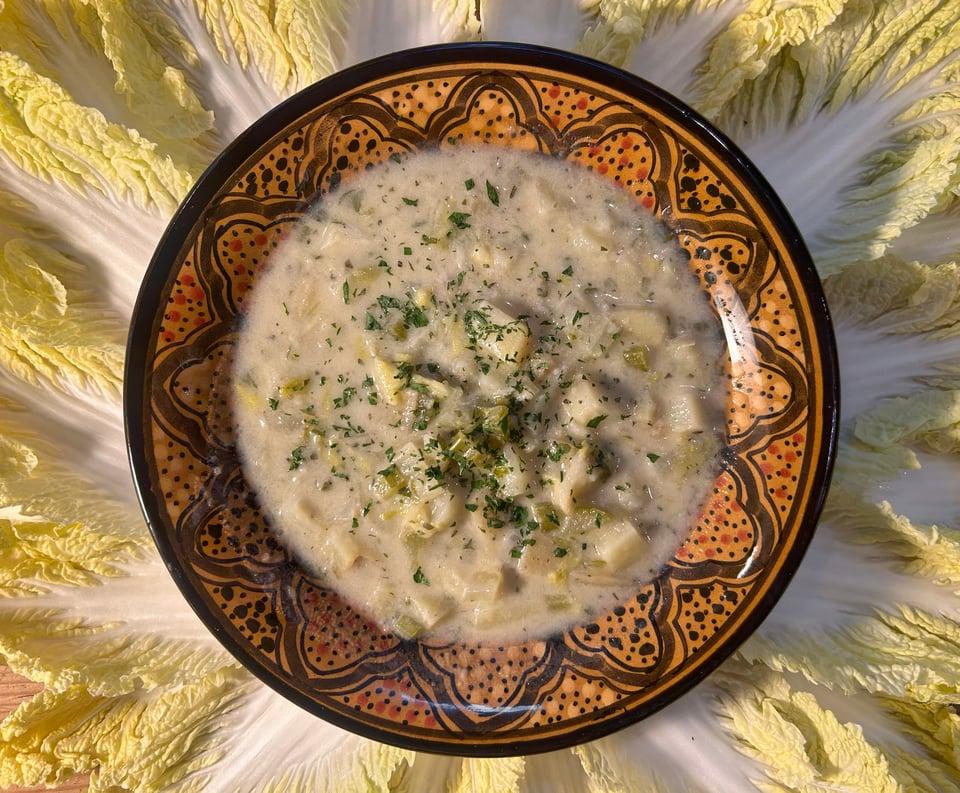
Potato and Cabbage Soup by Shea Little
My dad has been working through some serious health issues over the past few months. Consequently, I have been grappling with my own struggles with his mortality and thinking about how much time I have left with him, which then, has made me think about my own mortality and how my children will have to deal with all of this as well someday.
What I have felt throughout this situation, and others similar to this, is that we generally need to make more space for ourselves to process what is happening in our lives. Broken hearts need to be mended, souls need to be nourished, and we need time to heal. I typically look to food to offer some comfort; I guess that’s why they call it comfort food.
My dad hasn’t been able to eat much, but this soup worked for him, and it has been a good soup for those caring for him, to keep them going and support what my dad is going through. I hope this recipe provides good comfort for anyone needing some.
This recipe makes a pretty good amount of soup, plenty to share or save for later. Make it with lots of love, and it takes whatever time it takes to make.
Ingredients
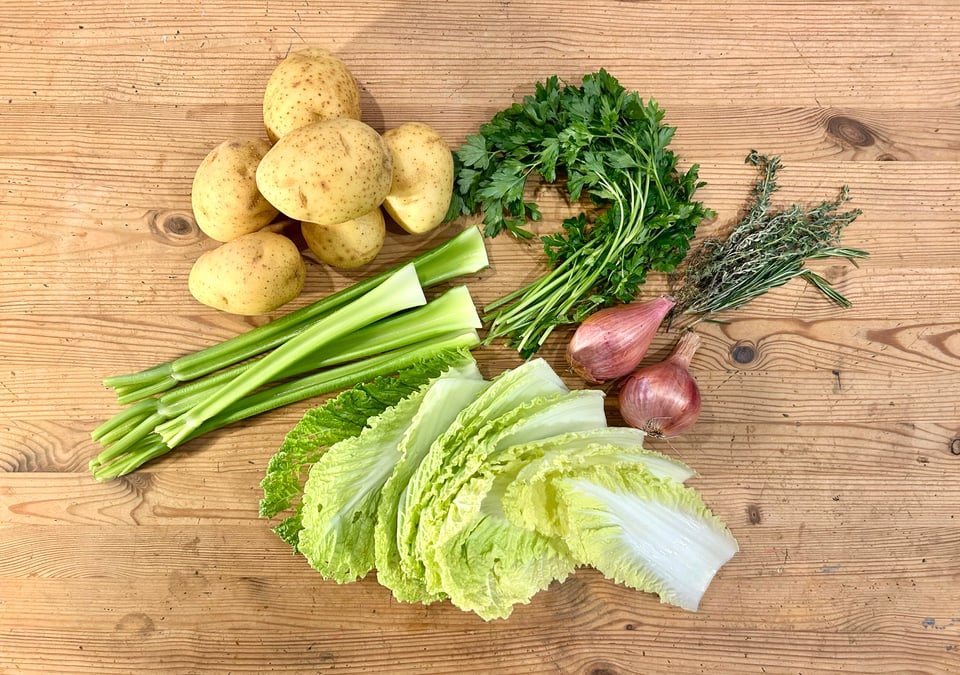
Golden or White Potatoes - 6 medium-sized
Napa Cabbage - half of the head
Celery - 4 stalks
Shallot - 1
Chicken Broth - 6 cups
Butter - 6 Tbsp
Flour - 4 Tbsp
Fresh Thyme - 1 Tbsp
Fresh Rosemary - 1/2 Tbsp
Fresh Parsley - 2 Tbsp
Heavy Cream - 1/4 cup
Salt
Pepper
Directions
1. To start this soup, you will make a roux, but it's more like a velouté. Add the butter to a large pot and, once melted, add the flour. Whisk the two ingredients together until they are well combined and bubbling and have a nutty smell.
2. Add 3 cups of chicken stock to the butter and flour, a cup at a time. Whisk 1 cup of stock until the butter, flour, and stock mixture is smooth. Then add the next cup of stock and mix. Once 3 cups of chicken stock have been thoroughly incorporated, the remaining 3 cups can be added all at once and stirred.
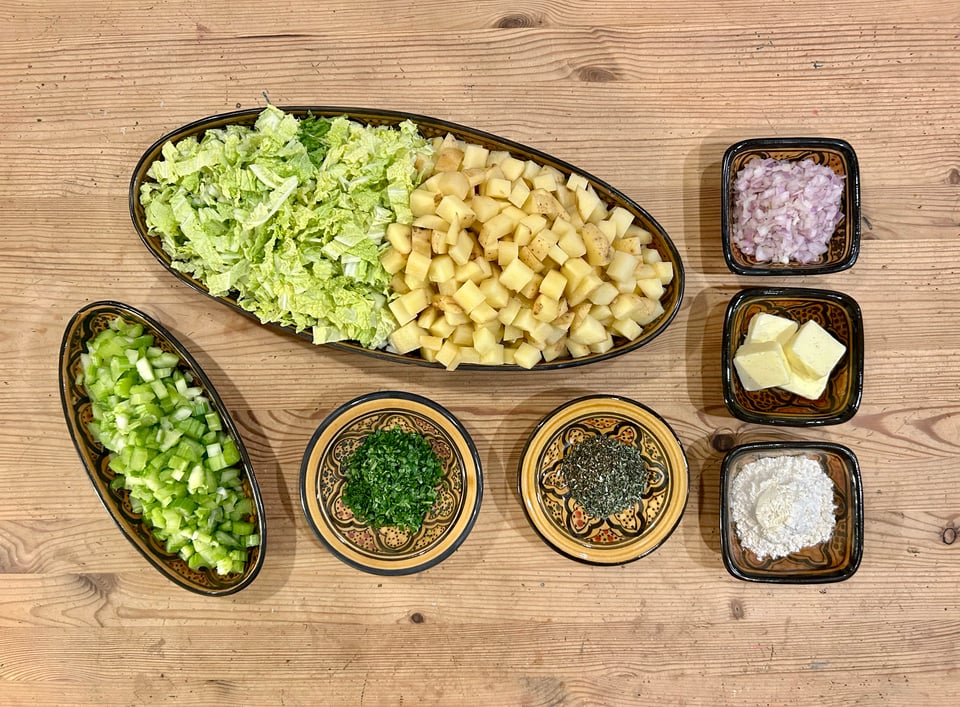
3. Add the potatoes, cabbage, and celery. I chopped them all up into smallish pieces, something a little less than a half inch in any dimension.
4. In a separate pan, take the remaining butter and cook the minced shallots until they are translucent. Add them to the soup.
5. Add the thyme, rosemary, and parsley. The herbs can go in anytime, really; I mince them all pretty finely and add them right after the shallots. I saved about half of the parsley to sprinkle on top of the soup when serving.
6. Only time will tell, but at some point the potatoes will be fully cooked. You don’t want them falling apart, but a fork or knife should easily go through the potatoes. Add the heavy cream and salt and pepper to taste.
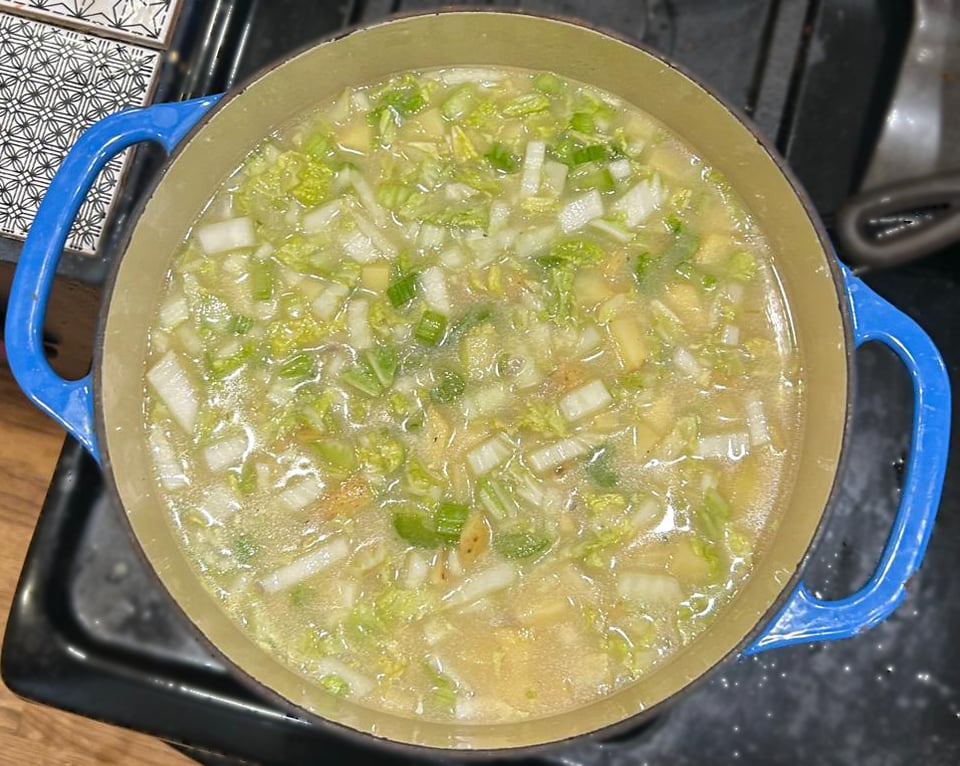
Thank you, Shea, for cooking through something this hard and still showing up with this much care. We can feel the love in every spoonful. 🖤
Eugenio Cristo Vivanco: Haciendo espacio para lo que no cabe
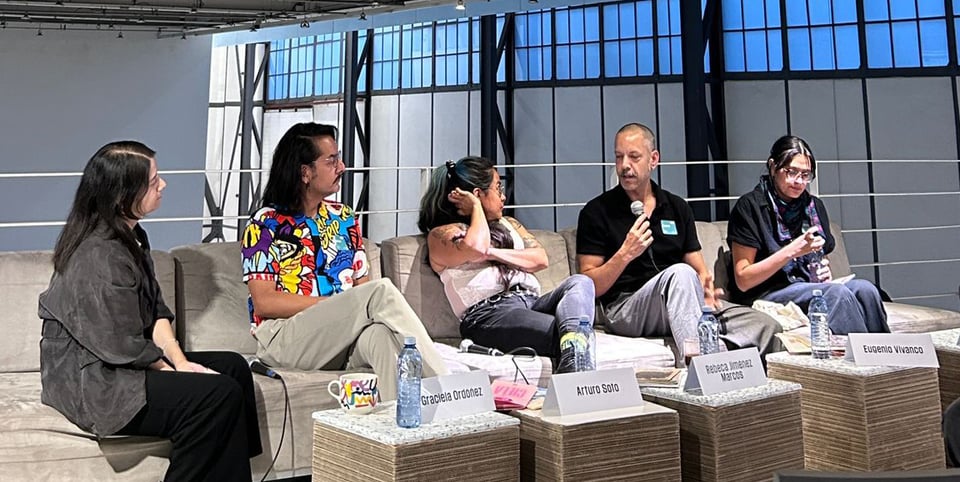
I had the most wonderful catch-up with my good friend, Eugenio Cristo Vivanco. An artist from my hometown whom I deeply admire, and who’s doing really cool stuff both for his art and as TRECE OJOS, an editorial in Mexico City that is publishing important and beautiful work. Because the chat was so lovely, natural, and rich, I am leaving it in Spanish; you can read the English version HERE.
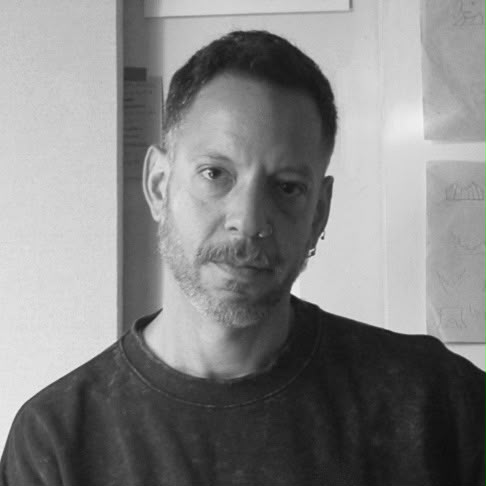
Platícame de tu proyecto TRECE OJOS. ¿Cómo surgió? ¿Qué parte de tu práctica artística está saciando?
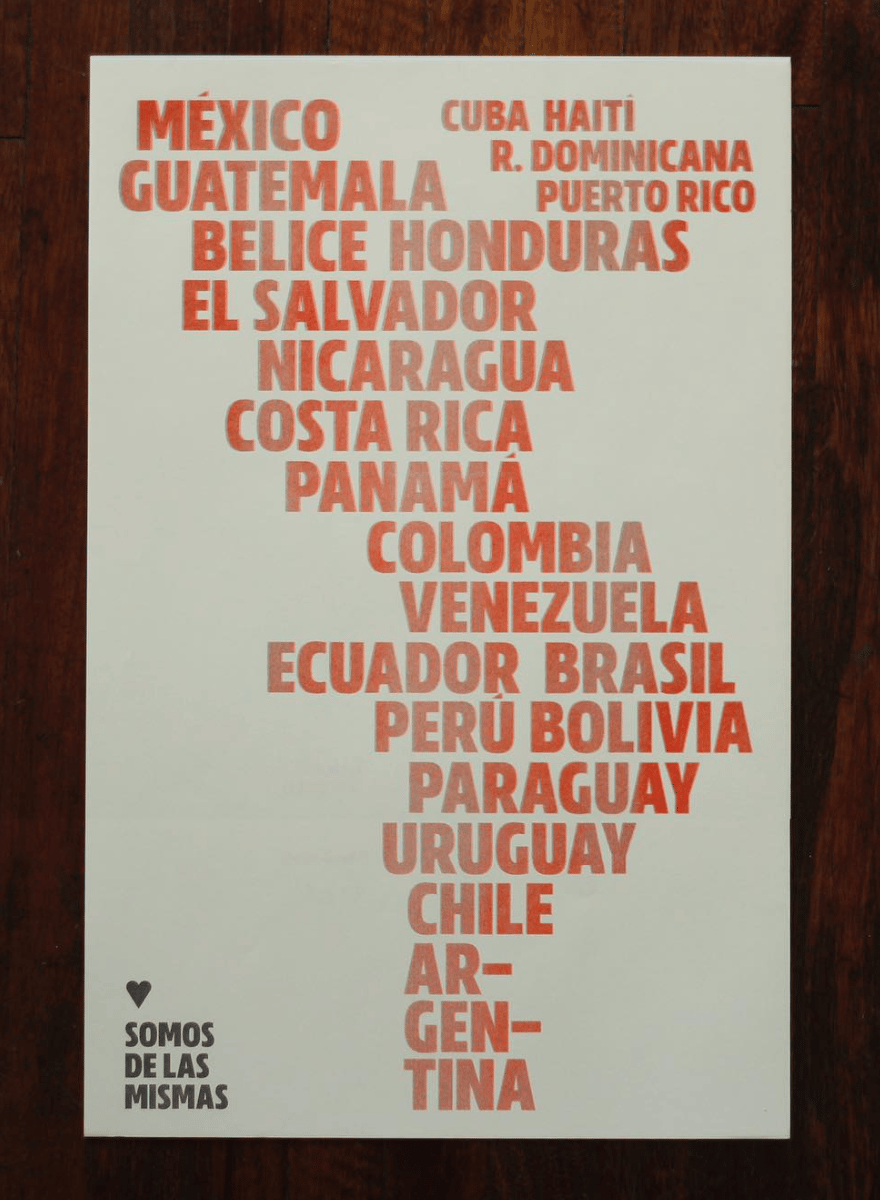
TRECE OJOS es un sello editorial y un estudio de impresión risográfica que surgió oficialmente hace 3 años para concretar inquietudes editoriales, juntando mi experiencia previa en la revista Residente con una aproximación más personal. Eso, por el lado creativo, pero también es una manera de generar ingresos ofreciendo servicios concretos de edición e impresión. Algo más accesible comparado con la producción y venta de arte convencional.
TRECE OJOS (su amigx imaginarix de cuando niño) es también mi alter ego, complemento para mi práctica profesional, ideal para los temas que " no caben" en un dibujo o una pintura, oportunidad de colaboración, ayuda a los mensajes a tener una vida más allá de lo digital, en donde se promueve la comunicación y el contacto físico. Temáticamente me gusta anclarme en los temas de la experiencia cuir latinoamericana, con énfasis en la autopublicación y en el mundo interior hecho objeto

Offering water is one of the most primitive gestures of consideration, attention, and care among living beings. Especially in times of social crisis, political or environmental, a glass of water can extend ties, rest the body, and heal the spirit.”
Dime lo que te apasiona de los medios impresos
A diferencia de la tele, los impresos fueron en mi infancia la manera más íntima y personal de descubrir el mundo, por el tiempo que uno pasa con ellos. Cómics, revistas, enciclopedias que por casualidad llegaban a mis manos y que se volvían parte de mi personalidad, alimentando mi curiosidad y mi lenguaje visual.
En estos tiempos de volatilidad y exceso de información, tiene más sentido que nunca regresar a los medios impresos, en cualquiera de sus formatos, para comunicarnos directamente entre nosotros e intercambiar ideas. Busco apostarle a la calidad más que a la cantidad. A lo duradero más que a lo efímero.
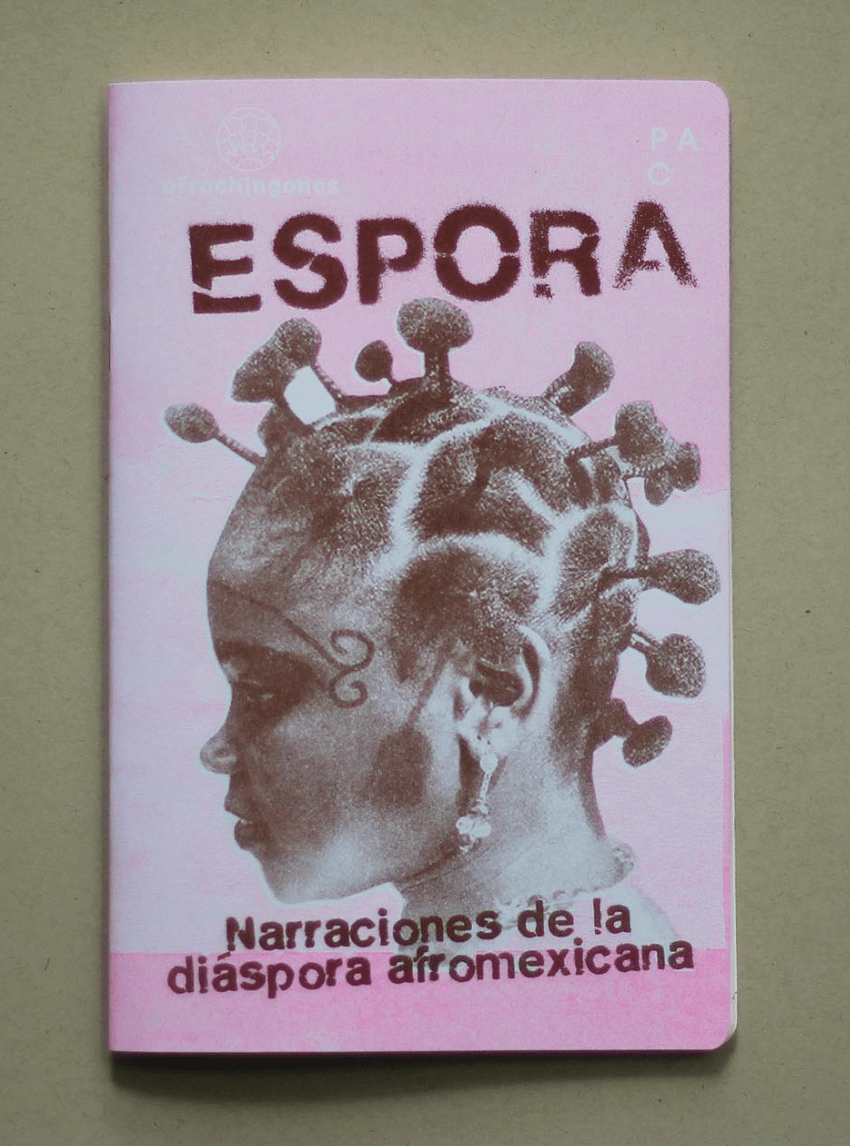
¿Cómo funciona el negocio?
Por un lado están los encargos de impresión y edición, en donde mi involucramiento y cobro dependen de cada proyecto. Por otro lado están los proyectos firmados por TRECE OJOS, que vendo por redes sociales y en las ferias editoriales y de gráfica que hay aquí en la CDMX y en otras ciudades. Estas ferias varían en escala y pueden estar organizadas por individuos, colectivos, museos, etc. Su éxito comercial siempre es un volado y depende de muchos factores como su poder de convocatoria, locación e interés del público.

Cuéntame sobre tu arte plástico
Definitivamente es un trabajo de autoconocimiento por medio del dibujo y la pintura. Definir qué quiero y cómo quiero representarlo ha sido una labor de más de 20 años y en este punto busco "limpiar" las imágenes de elementos, para enfocarme sólo en lo necesario. Para las pinturas hago mucho trabajo previo de bocetos, buscando llegar a imágenes potentes, legibles y que conecten con quien las mire. Formalmente, recurro a la geometría para que cada línea, cada forma y cada elemento estén exactamente en donde deben estar. Temáticamente busco hacer una lectura del mundo a través de los espacios y los cuerpos que me rodean, poniendo atención en lo que une lo personal y lo universal.
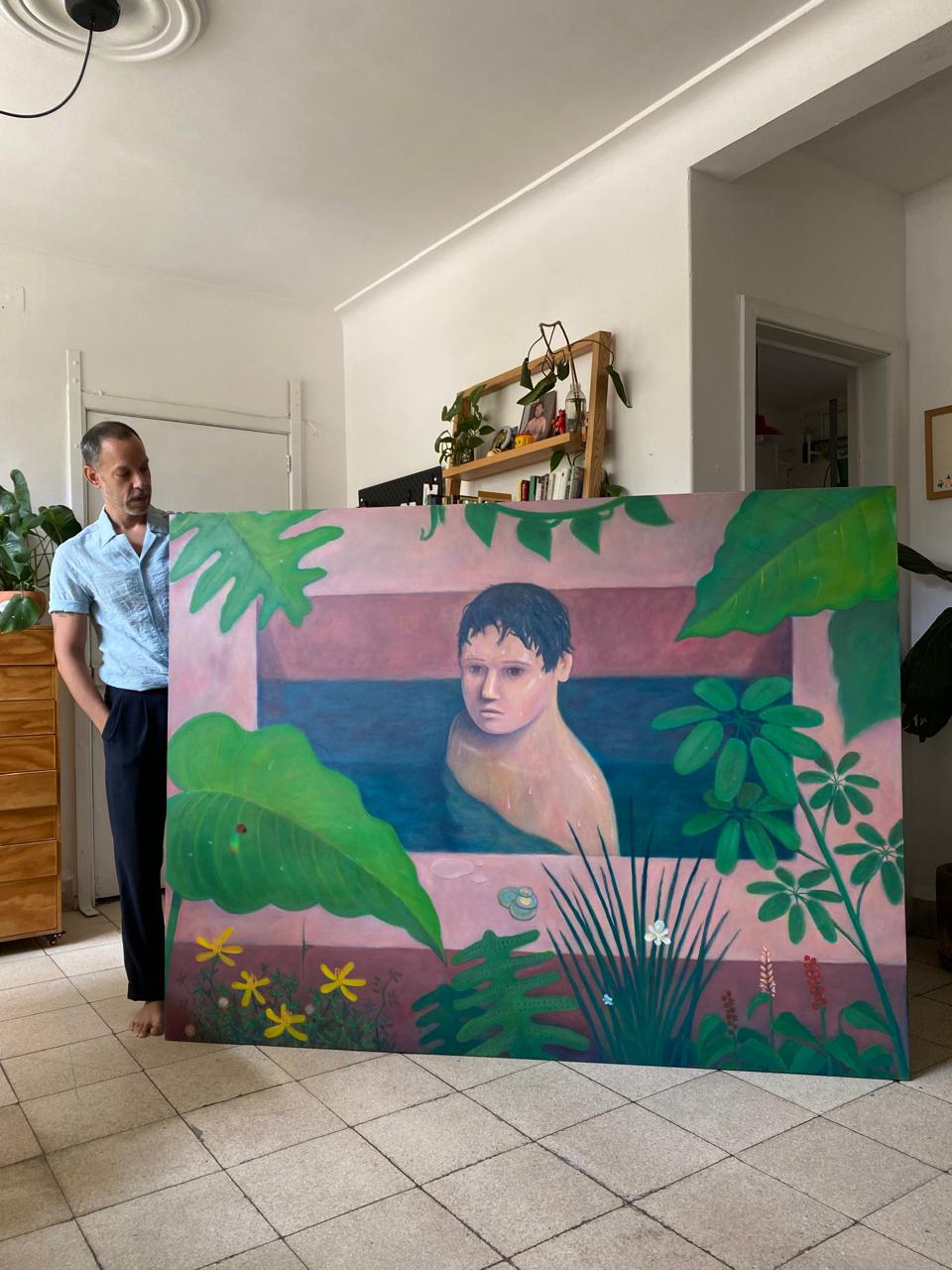
¿Cómo desarrollas la voz que estás usando ahorita?
Por muchos años recurrí a metáforas poéticas para elaborar símbolos y lenguajes artísticos que reflejaran mis inquietudes personales, pero ahora estoy más interesado en observar y entender el mundo físico en el que vivimos. Observar la realidad inmediata sin depender de figuras simbólicas externas. Básicamente, si tengo que buscar la referencia en internet, no voy a usarla. Hay muchísima información en cada uno de los elementos que conforman nuestra vida: gente, espacios, ropa, lenguaje corporal, colores, sonidos. Cada cosa que notamos en el mundo es en realidad un reflejo de nuestras inquietudes interiores. Creo que, tanto a nivel personal como colectivo, es más importante que nunca atender el mundo real. Pienso mucho en los mensajes y las reflexiones que hacen falta en la discusión pública, especialmente en Latinoamérica, en temas de medioambiente y justicia social.
Háblame de colectivismo, de la importancia de la comunidad y de los roles que cada uno de nosotros toma.
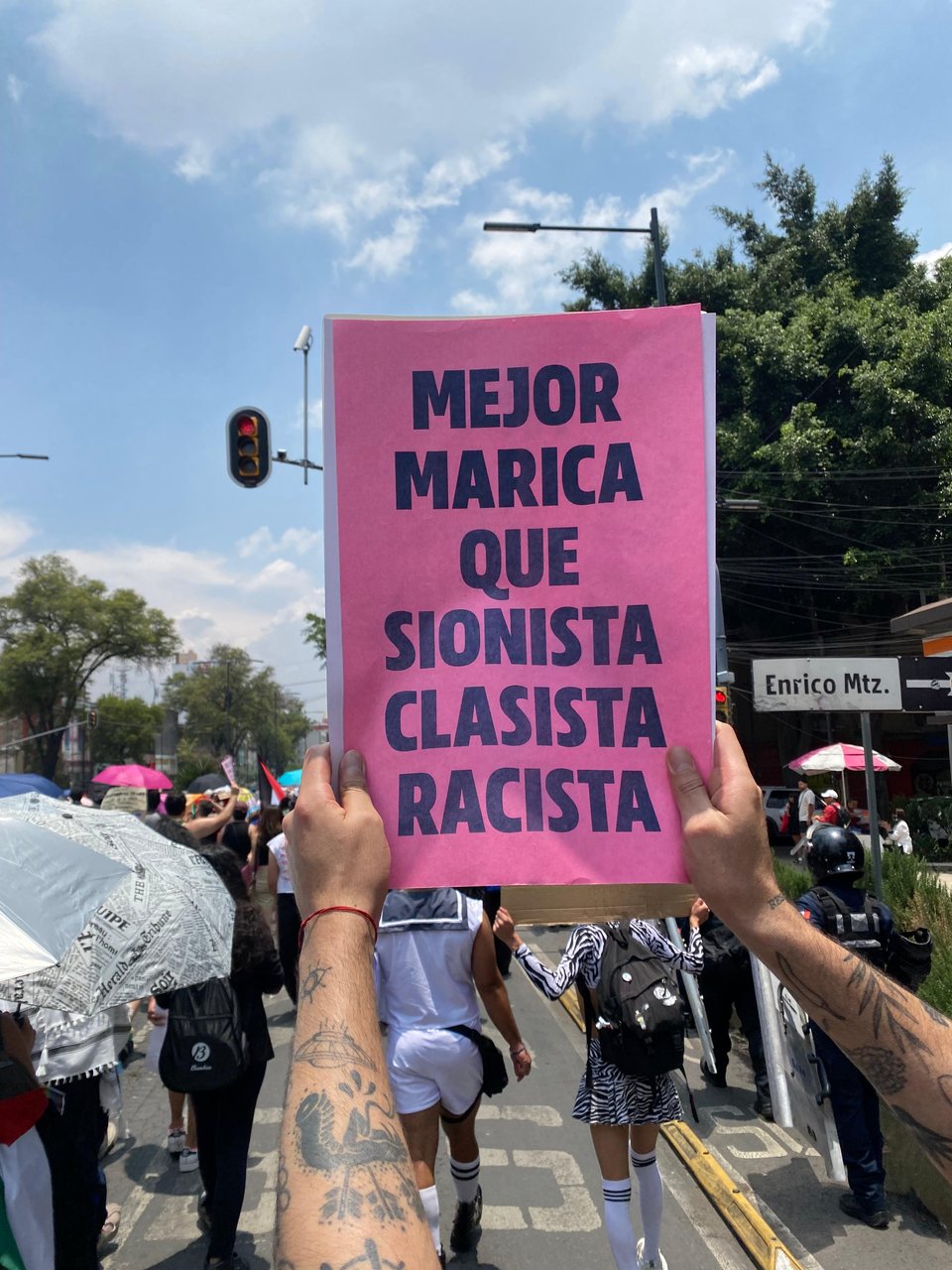
El individualismo es una enfermedad que se impulsa fuertísimo para fines políticos y económicos. Los efectos psicológicos, sociales y medioambientales son ya evidentes y hay que buscar contrarrestarlos urgentemente. Para mí, la producción artística es una gran manera de conectar a la gente con sus inquietudes, sus aspiraciones, sus miedos y sus esperanzas, de una manera constructiva. Las exposiciones, las ferias, las presentaciones que uno puede encontrar en su comunidad son oportunidades ideales para salirnos de nosotros mismos y percibirnos unos a otros. De nada sirve "conectarnos" con gente de todo el mundo si no entendemos y atendemos los problemas y las virtudes de la gente que nos rodea. Es una tarea muy ambiciosa, pero por algún lado se tiene que empezar.
En qué estás trabajando que no hayamos hablado
Me estoy enfocando en extender el proyecto de TRECE OJOS de manera que, a través de la colaboración, justa y bien remunerada, puedan crecer sus proyectos y su impacto.
I hope you gave it a chance and tried to feel the conversation as it happened. If you didn’t, that is okay too. His work has a way of landing in any language.
To learn more about Eugenio, you can follow @trece.ojos and @cristoencarnado. If you're in CDMX, he currently has work up at Banda Municipal, worth the visit.
🩶
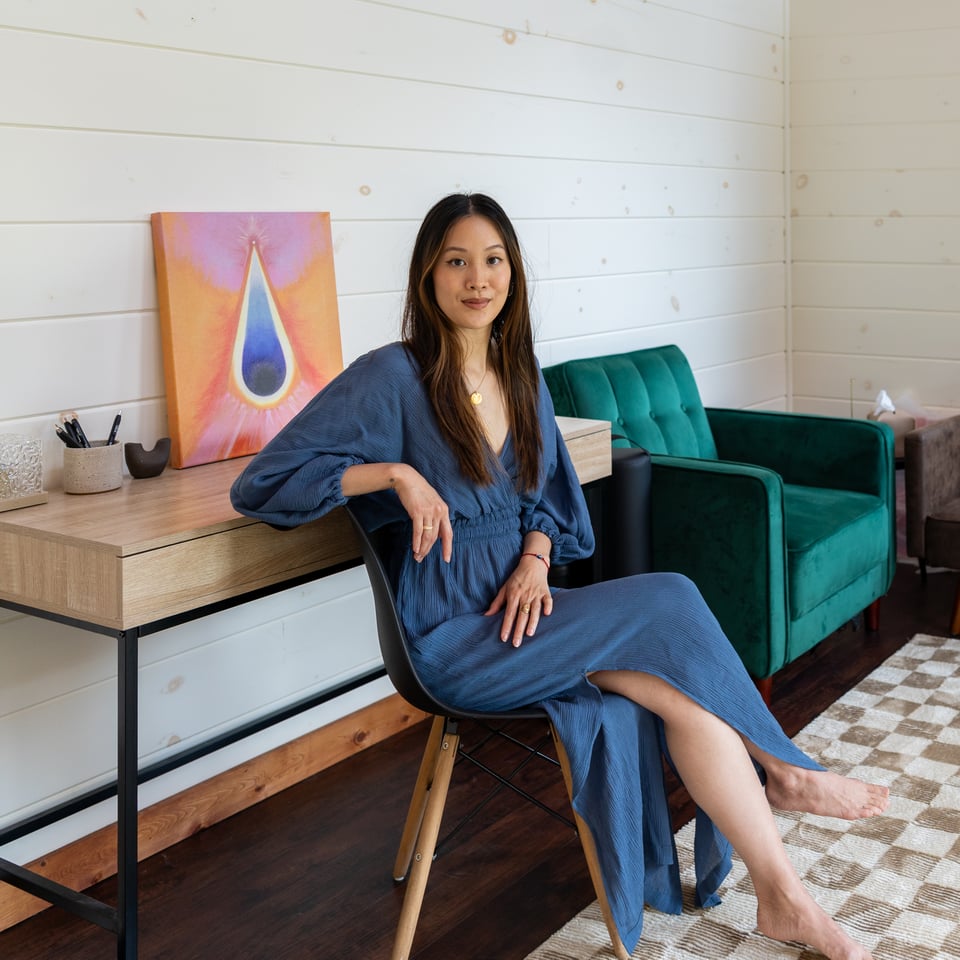
Shifting gears drastically, I’m happy to extend some of the immense wisdom that Madeline Vu shared with me last month. I know her as a dear friend, spiritual healer, and someone who helps me ground myself more often than not. I’ve also taken a couple of her courses, so I've witnessed her work, presence, and all the good she is a vehicle for.
Enjoy!
Madeline Vu: The Long Way Home
On ancestry, the Amazon, and living inside the machine
I have a lot of hobbies. But everything I do ties together, and when I think about it at the end of the day, it's my ancestors. The sense of coming home, coming home to self. What does it mean to be whole? What does it mean to be complete?
Coming from a displaced lineage is really complicated, because that in itself means we're cut away from source. Growing up, my experience in the United States was also complicated. I was the first child in my immediate family to be born here. I didn't really have a model for who to look up to, or what to even do. A lot of stuff I had to learn on my own. I didn't have a lot of guidance, and that was really challenging: understanding the culture of the United States, understanding how I fit in.
A big part of my experience is that I've always felt like I never belonged. I didn't belong here. And then I had a really rude awakening when I went to Vietnam for the first time in 2010. I was clearly not Vietnamese, not from there. It was eye-opening, because it made me feel like, oh, I don't belong here either. Where do I belong?
So a big part of the experience has been: how do I belong to self? And then reclaiming the story to understand that because I'm of many worlds, that's actually my biggest strength. I can get along with so many different types of people. I can be a bridge to many different communities. I have a lot of interests. The last two years for me have been such a challenge around integration.
"Why am I doing any of this?"
The bulk of my career was in design, working in technology, working at startups. I was very lucky to work with mission-driven startups, in healthcare and education, in trucking and logistics, helping reduce carbon emissions. Pay equality. I've worked in a lot of impactful areas.
But even within those systems, I felt like the ceiling we were working under actually prevented us from doing the mission we set out to do. We were still working in really extractive systems. A lot of those startups were funded by venture capital, and that in itself already creates a weird paradigm.
I got very disillusioned; I'm not gonna lie. This was in 2023. I was really lucky to grow my career, lead teams, create really cool products and brands. And in 2023 I was like, why am I doing any of this?
I quit my job entirely in New York City. It was almost like a light switch. Part of it was feeling so disconnected from the actual fabric of nature, from what it means to be human. Even though I was doing what I thought were important things at the time.
When I quit, it felt really freeing, but it was complicated, because I felt like I cut away a part of myself. That's when I started really leaning into my healing practice, really taking that work seriously, and opening up my studio. But there was a part of me that worked in the design world for 16 years that I kind of pushed away and shut in a closet.
It wasn't until probably last year that I was like, oh wait, I actually need to embrace all of me. I have 16 years of this experience. Why am I shutting those parts away? There's nothing wrong with design. It was my frustration with the systems I was working in, and not knowing how to express my gifts fully in a system that is so broken.
The tree of light
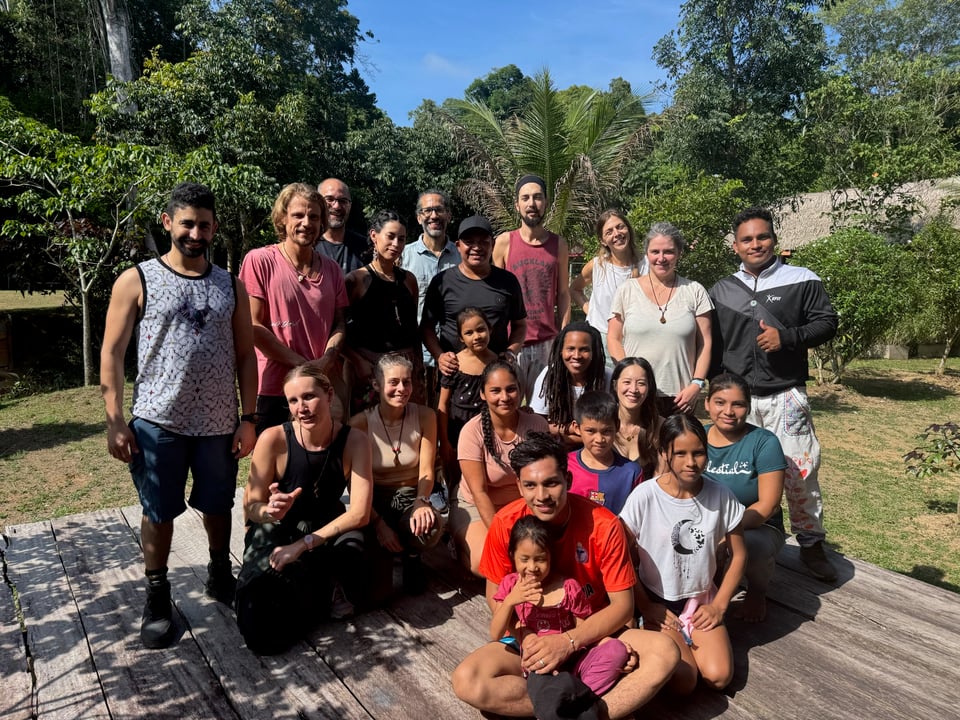
My work in plant medicine started to get more and more serious in 2024. And when I was in the Amazon jungle, like, literally, I was in the Amazon jungle- I was working with the Shipibo people and my teacher, Don Rono.
I sat in a master plant dieta. In the Shipibo language, it's called sama. It's this act of choosing to work with plants as teachers. Through that exchange, we offer silence, isolation, meditation, and fasting for long periods of time, so that we can be as empty as possible, to then receive the medicine and the teaching from these plants.
I worked with a specific tree in the Amazon. For the Shipibo people in this particular tribe, they call this tree the tree of light. It's foundational to their spiritual practices, to their religion. And for me, based on what I've experienced, this tree is an enlightened being. There are very few adult trees in the world, so being able to come into contact with this enlightened teacher was so profound.
My intention was to heal a lot of my maternal lineage in particular. And while I was there, I received a lot of clarity around my work with women and children.
In 2023, I decided to go into doula training. It was just a seed. Splitting my time between tech and seeing healing clients. I was really curious about this, thinking: "I don't know what this means, but I think I should do this training". And then I never did anything with it.
And in 2024, when I was sitting there in silence, contemplating, receiving messages from my ancestors, I realized that this work- birth work, working with women, working with children- is the lineage of my mother and my grandmother. That is their language of how to care for the world.
My mom has worked with children her entire life. She's now a school teacher. My grandmother had eight children. That's just been a part of their lives, being a mother to the world, caring for children. And I realized, "I'm in a really unique position, because of being born in the United States, having probably more of a voice than they've ever had, to actually lift their work out of the shadows".
While I was in ceremonies in the Amazon, I was visited by many children from different star systems. Some not even from Earth. And I was like, "Whoa, who are all these children?" Yet, they were such a resource for me. I had a really challenging time, especially fasting for long periods without food or water. These children would come to me in my visions or in meditations, and they were giving me water and food on the spiritual plane. That's how I was able to survive, to be honest. It was such a lifeline.
So when I came back, I was like, "Okay, I need to take birthwork really seriously. This feels so important".
Next: back into tech, the mystic in the machine, and the story behind the course.
Only paid subscribers get the whole thing.
Rest is resistance
When every hour of my day is filled with something to do, it doesn't give my body, my mind, or even my nervous system the space to be here. I'm literally just reacting, because I don't have time or space to rest.
When you think about the machine of capitalism, it is a machine that extracts everything. It's efficient. It wants us to do more things than we can. And that's not how the human body works. The human body needs rest to have capacity.
I want to make more conscious effort, and a season to rest as much as I can. I believe that rest is resistance. Because if we do, then we can totally change the system. When we're really resourced, we have the capacity. We then have so much more energy to make different decisions, to help our community, to do things differently, versus just getting stuck in a machine whose entire purpose is to extract.
Consciously choosing to rest means that now we're listening to the cycles of our bodies. And our bodies are actually regulated by nature. Women have four stages in our hormonal cycle, and they match the four stages of nature. We're supposed to be living in attunement and rhythm with our bodies.
Before industrialization, people lived in circular time. We were also agrarian societies; people started the project, worked until they were finished, and then rested. They were literally living in attunement with what their body was telling them to do. Not machines.
These days it's really hard to know what is wrong or right, because we've had a machine dictating what we needed to do for so long. A mechanical system.
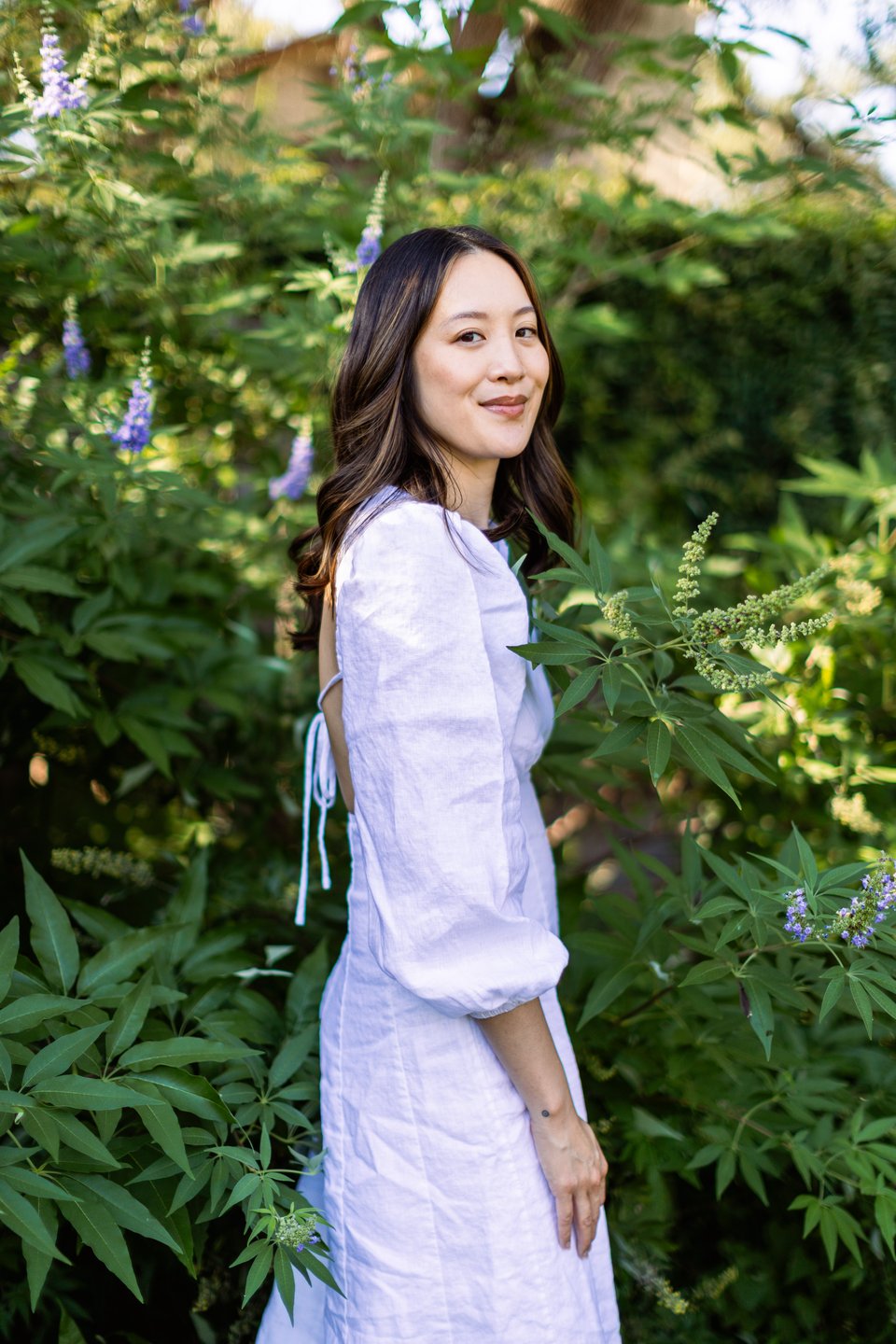
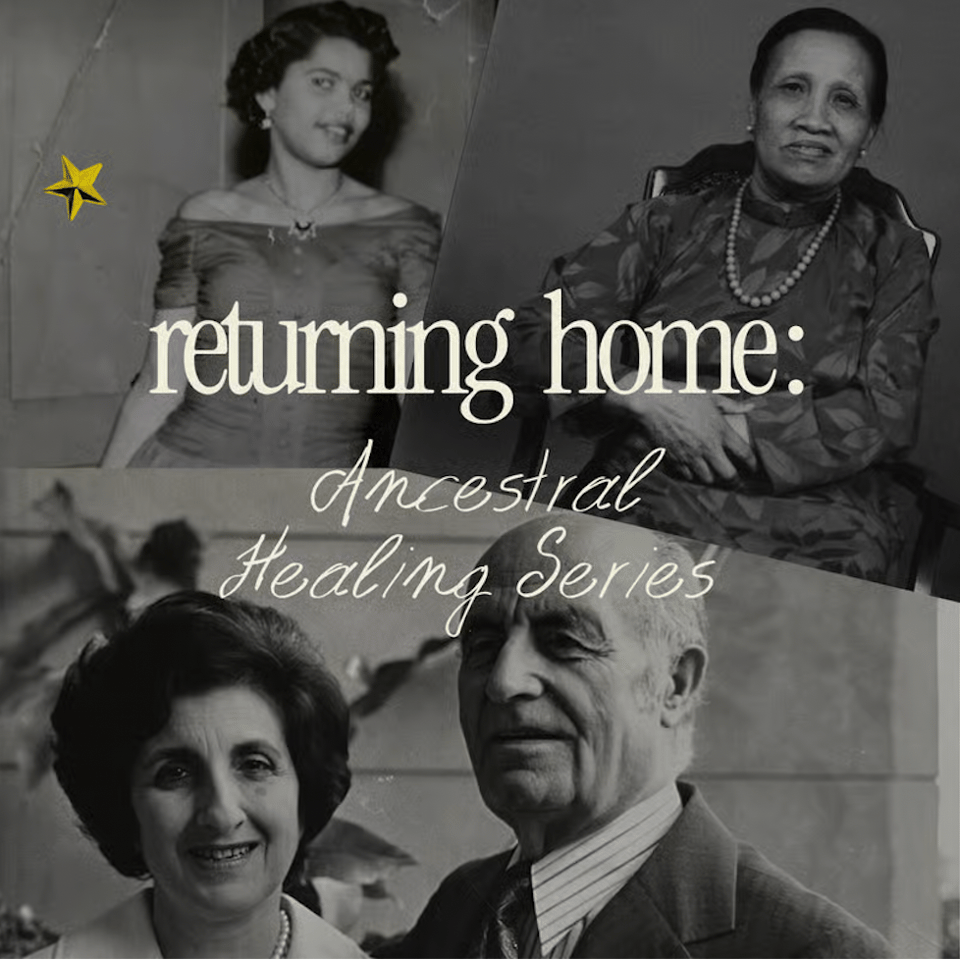
The live virtual workshop “Returning Home: Ancestral Healing Series” will be happening on 📆 Sundays 10/11, 10/18 + 10/25 11-1PM CST. Learn more and register HERE.
For other ways to collaborate and work with Madeline, you can find her at madelinevu.com or @madelinehvu
This issue is about making space for what doesn't fit and for the parts of us we haven't made room for yet.
If your practice, brand, or institution is ready to make space for what it's been leaving out, book an intro call at georginatrevino.com
For speaking and programming inquiries: [email protected]
