Song in the year of Catastrophe
I am almost in the air for my trip and so a longer meditation escapes me. Today’s offering is instead a poem I have been thinking about lately.
I have read this poem to many of you in the last few months. Sometimes more than once. I hope you will see not needless repetition but something which calls enough to this moment that its living in the air, that is worth revisiting.
Song in the Year of Catastrophe
by Wendell Berry
I began to be followed by a voice saying:
"It can't last. It can't last.
Harden yourself. Harden yourself.
Be ready. Be ready."

"Go look under the leaves,"
it said, "for what is living there
is dead in your tongue."
And it said, "Put your hands
into the earth. Live close
to the ground. Learn the darkness.
Gather round you all
the things that you love, name
their names, prepare
to lose them, It will be
as if all you know were turned
around within your body."

And I went and put my hands
into the ground, and they took root
and grew into a season's harvest.
I looked behind the veil
of the leaves, and heard voices
that I knew had been dead
in my tongue years before my birth.
I learned the dark.

And still the voice stayed with me.
Waking in the early mornings,
I could hear it, like a bird
bemused among the leaves,
a mockingbird idly singing
in the autumn of catastrophe:
"Be ready. Be ready.
Harden yourself. Harden yourself."

And I heard the sound
of a great engine pounding
in the air, and a voice asking:
"Change or slavery?
Hardship or slavery?"
and the voices answering:
"Slavery! Slavery!"
And I was afraid, loving
what I know would be lost.

Then the voice following me said:
"you have not yet come close enough.
Come nearer the ground. Learn
from the woodcock in the woods
whose feathering is a ritual
of the fallen leaves,
and from the nesting quail
whose speckling makes her hard to see
in the long grass.
Study the coat of the mole.
For the farmer shall wear
the greenery and the furrows
of his fields, and bear
the long standing of the woods."

And I asked: "you mean a death, then?"
"yes," the voice said. "Die
into what the earth requires of you."
Then let go all holds, and sank
like a hopeless swimmer into the earth,
and at last came fully into the ease
and the joy of that place,
all my lost ones returning.
Which line echoes for you?
More tomorrow,
Weaver
-
"And I was afraid, loving what I know would be lost."
such is the way of change. always always.
-
The line "Die into what the earth requires of you" really stuck out to me. Imagery that doesn't treat dying as the end of things and instead as another step of life always really resonates with me as someone with cotard's delusion.
-
"Die into what the earth requires of you"
About death, but also about change, embracing it, and understanding its necessity to a living world.
-
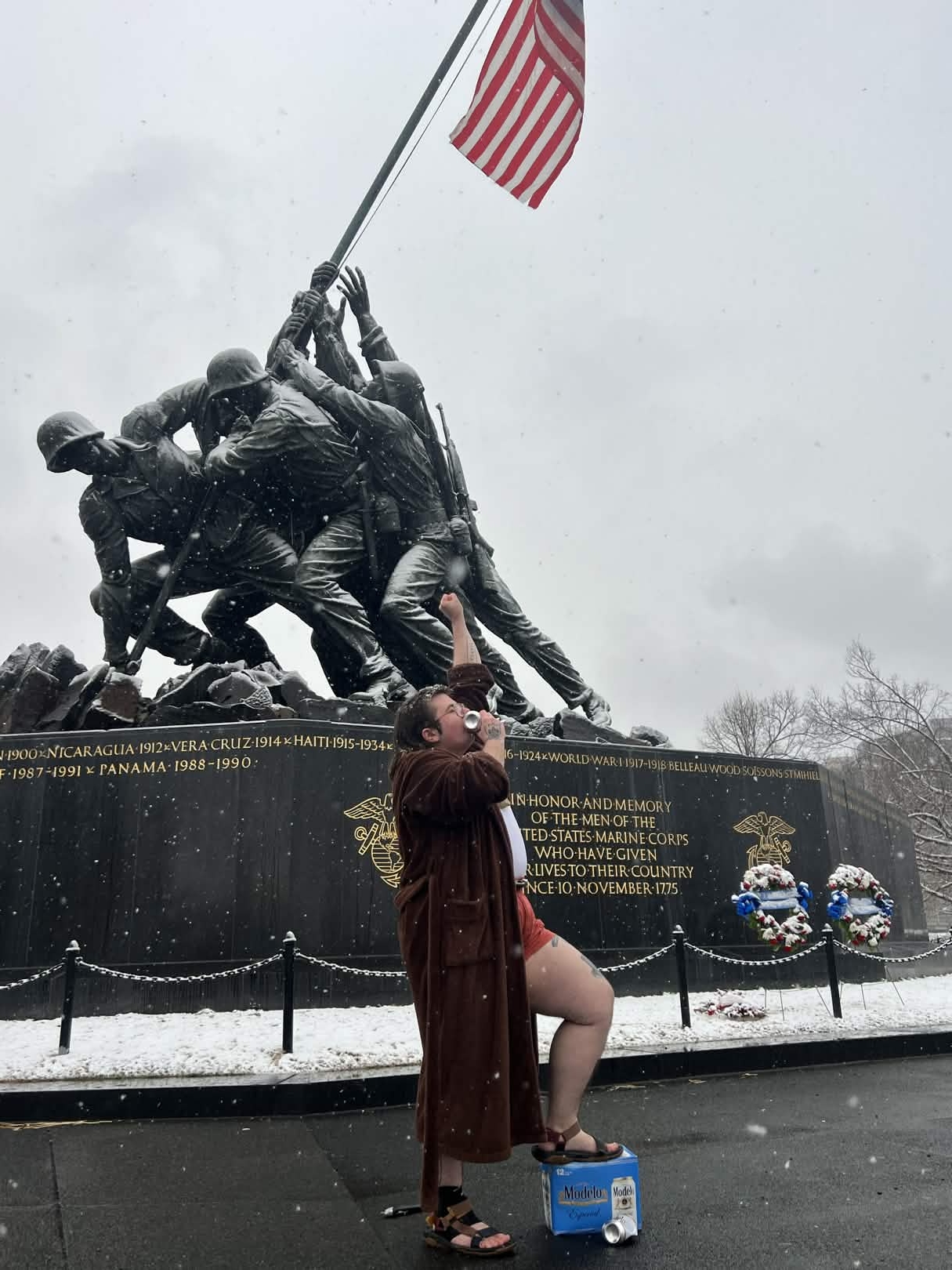
I think this bit is the part that gets me the most too. I want to be what the world needs of me. Not because I wish to give up my free will, but because it is good to surrender to the world. And the person you become will be beautiful.
-
And I heard the sound of a great engine pounding in the air, and a voice asking: "Change or slavery? Hardship or slavery?" and the voices answering: "Slavery! Slavery!"
sometimes poetry weaves and slips and sometimes it requires a blunter approach. sometimes a hammer IS the tool for the job. to be a caricature of myself and add Siken to the mix: "...There's a dream in the space between the hammer and the nail: the dream of about-to-be-hit, which is a bad dream, but the nail will take the hit if it gets to sleep inside the wood forever." it's a false sleep, though, isn't it? to be forgotten and loadbearing under constant strain. at least the great engine and its bleak options is honest.
Add a comment: