Bliss List #3
Fourth of July wiped me out for a few days and reset my anxiety floor much lower. But what can you do, sometimes a holiday happens to you.
Now that I’m a little recovered, I’m back to my perpetual problem these days: How do I write? I haven’t written much in the last couple years. I have not just written very little in a formal sense: I have texted less, emailed less, trusted less of my internal reality to paper digital or otherwise.
There were days it was like being non-verbal, except only when my hands came in contact with a keyboard, or my pen entered the square of the page. Even as my ability to speak ebbed and flowed, writing stayed gone.
This newsletter is the start of a new adventure with the written word. Its remarkable to me it’s come as easy as it has.
Part of learning to write again is figuring our why this prolonged silence happened for me? I feel the answer is Important. Perhaps, the process of finding it Is the intended lesson, and the intended reward.
Here and there I am finding bits and pieces of that answer. One came to me this morning on call with a friend. Another, this weekend as I cradled my head through the 4th. But they are simply pieces, no whole understanding.
But I think I’m fine with them remaining so for the time being, as long as I can begin to write again in small ways. I’ve missed the freedom of it.
In that spirit: here’s a small sampling of writing projects I’m excited about.
Bliss List: Writing
3 Bullets
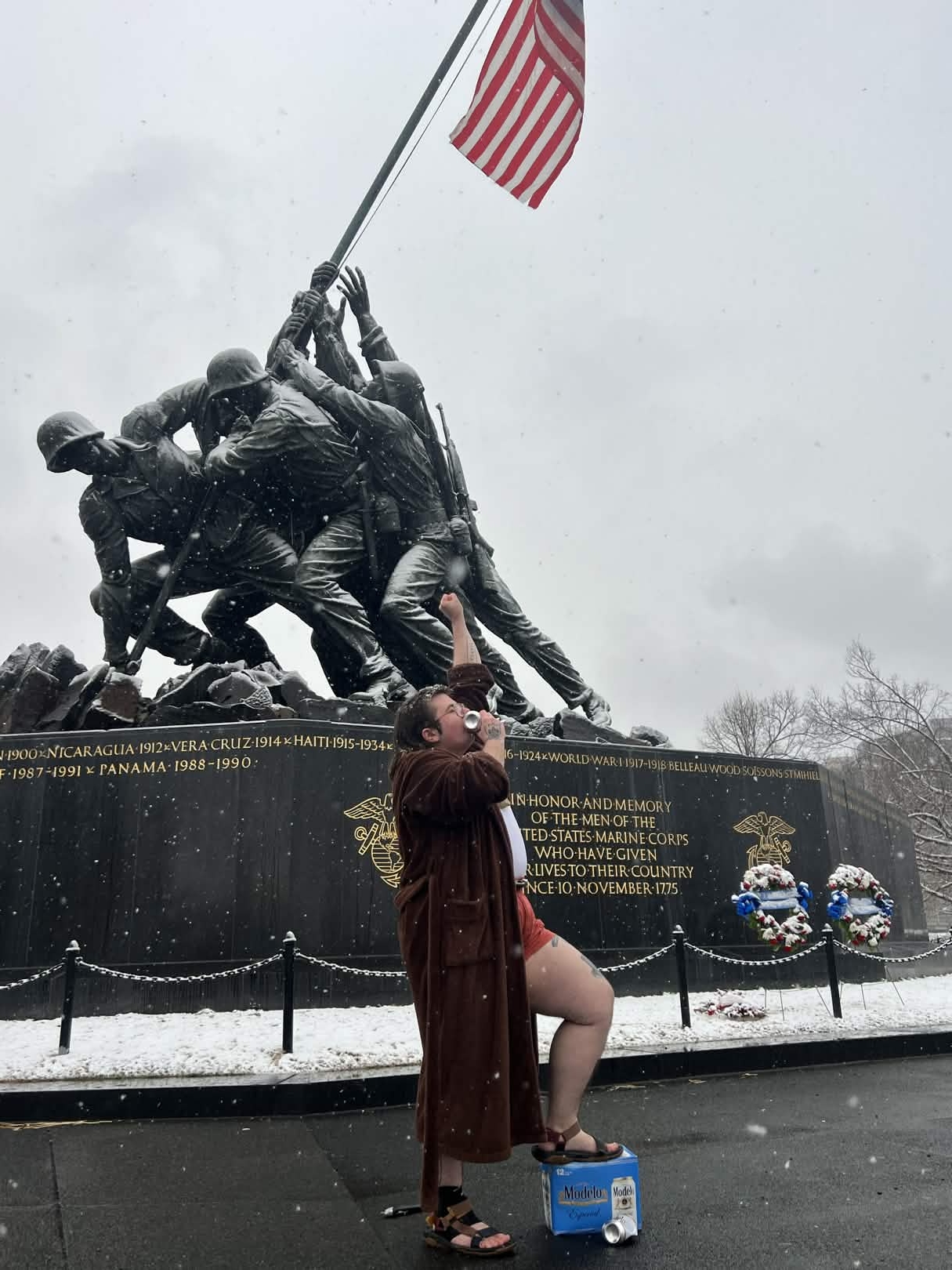
This is my perpetual work in progress “Vietnam Novel”. It was inevitable I was going to write one. The Vietnam War and its memorialization in popular culture is a fascinate of mine, in large part because Vietnam Films were the first time I ever saw PTSD like my PTSD depicted on screen.
3 Bullets is hardly a simple vietnam novel, not any more. But it couldn’t be described better than “what you would expect if Weaver wrote a Vietnam novel” in that its actually primarily about chemical weapons and climate change.
It start with a man, John Birdsong. His wife is dead. Her twin brother is also dead. Except of course, he’s not. He’s delivered out of a woman’s work camp in the USSR into the none so gentle hands of the Government (his former employers). Birdsong becomes, via a few bureaucratic favors owed here and there, his emergency contact, legal power of attorney, and also the person who has to figure out what to do next. Then the flood comes.
A Map to a Word without Maps (2nd Edition) (issues 1-???)
This is a “combinatoric manifesto” in that each version will be hand made with a different combinations of quotes, statements, and critical writings to explore a similar idea.
It is my belief that the next revolution must be a revolution of individuals. A movement with organization but without organizations. Any change must come from many leaders of many different kinds all naming the world they wish to see for themselves but in unison.
But in order to do that people have to know how to navigate for themselves. We must know how to assess the landscape and make choices of where to go next for ourselves. And we must get really good at teaching people how to learn, and then how to teach how to learn.
If we are to navigate unprecedented times we must learn to navigate unprecedented landscapes.
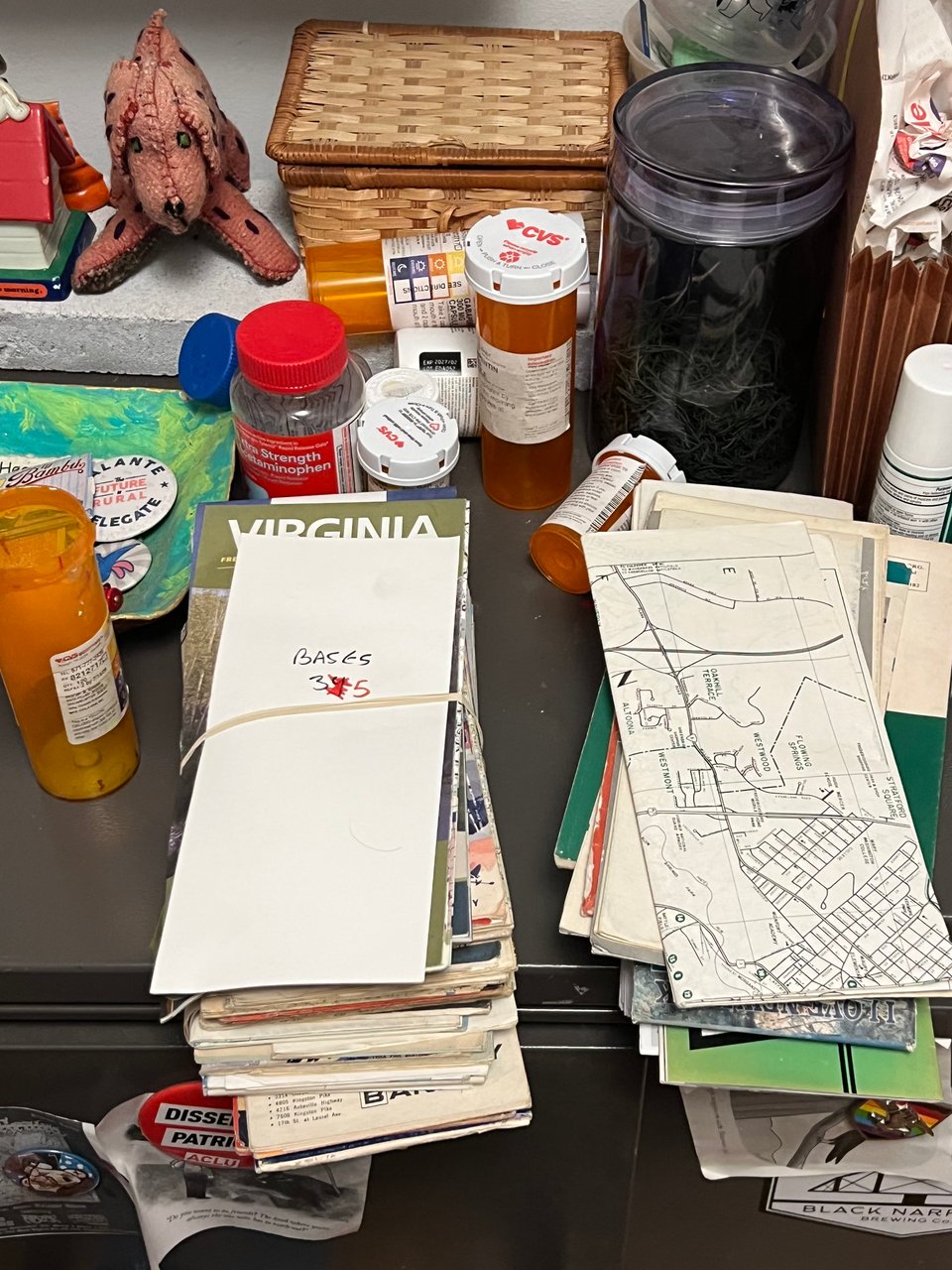
Also I’m making each version with collage and paint on the bases of real maps (most vintage) so each not only has unique text, its also got a unique base. I’m so excited to start cutting and pasting.
Misc Smaller Excitements
More Perfume Poetry: I love using scent to capture small moments in time, or to do cultural critique. Like I did in Barbie into Ken. I have a collection of half finished scent pieces based on my experiences in native ceremony. I also have a set based around smells of early morning. I want to get back to those.
Writing about Tarot: I have seventeen years experience with these cards. I think of a deck like a language of 78 words, but infinite grammars. I think if I could only learn how to write about them I could really unlock something.
I’d like to get better at poetry.
Oral History: This is not really writing in the traditional sense, but oral history is part of the research process for almost everything I want to write. And its something I’m really excited about doing. I want to help preserve the stories people think are important. And I want to preserve the way people talk too, their voices. I don’t want the future of writing too sound too… well, futurey.
-
Looking forward to this list! I admire your perfume writing a lot and the map project is going to look stellar.
Add a comment: