
30. kuya von wants you to love yourself
because i already do
hey y’all,
my beautiful, generous husband started working at montwood, a new coffeeshop that just opened a few blocks from our house. i’m so excited about it, because it’s one of the only places in downtown that only serves coffee and pastries. and it’s queer-owned, with locally-sourced products.
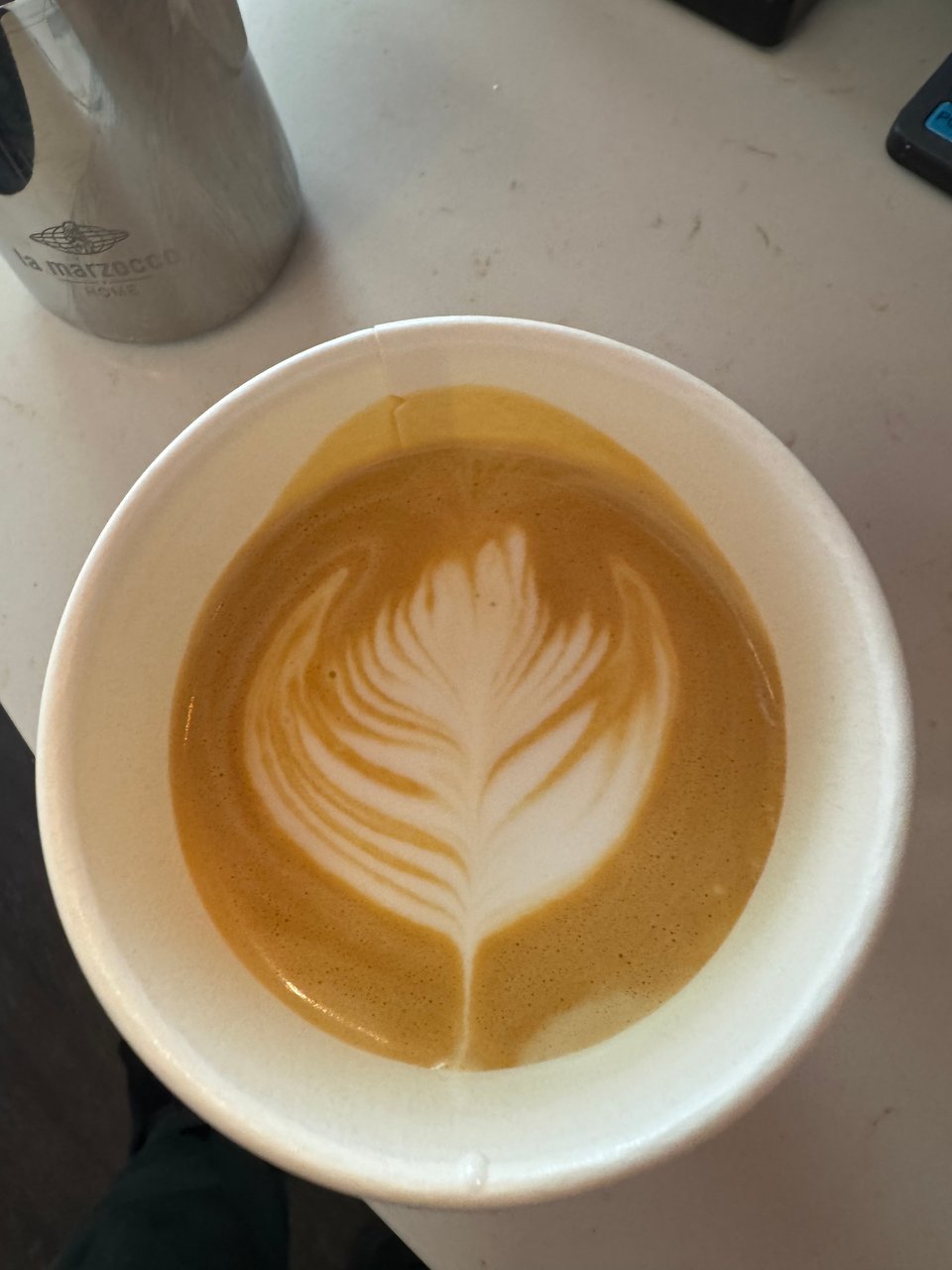
it’s been a few years since i got to enjoy a drink made by my husband at a professional establishment, so this cappuccino was a treat. i’ve been feeling especially energized by the local food scene here in durham. people here show up for each other, are deeply interconnected, and support each other. there is a conscious effort to resist cut-throat capitalist competition. they use each other as distributors and make space for local artists in their brick and mortars.
it’s not perfect, because nowhere is, but it has me feeling rooted in my decision to move home. we are building better futures here, and i believe one of the reasons is our organizing ethos in the south. we need everyone to get it done.
so this week, i wanted to talk about what humanist organizers mean when we say to humanize everyone. often, this gets conflated with tolerating harmful behaviors and excusing oppression. short-form video content now dominates the online organizing world, and we all know that the algorithm does not value nuance. as a writer, i care a lot about language. what do the words we use actually mean? how does the context we live within change the meaning of the words?
to humanize means to attribute human characteristics to something. this becomes paradoxical and strange, when we are attempting to humanize…human beings. but this is crucial to building a better world. the people killing our planet, each other, and all of us are human beings. they are not separate from you, or from me. we are all capable of the actions the “other” is committing, in both directions.
we are all capable of unspeakable violence, and revolutionary care.
here’s the uncomfortable truth that i am currently integrating into my practice: you cannot heal the world from an unhealed place.
up until recently, i was one of the people who believed this take was ableist. we all show up messy, broken, exactly as we are. we all have a place in the work. progress over perfection. grace and compassion, over rigidity. these are great concepts, but how do they work in actual practice?
if you are in an organizing community filled with and led by people with unmet needs, untreated trauma, low self-worth, and spiritual misalignment, all you will do is fight with each other. each imperfection will process in your bodies as harm. you will not interact with imperfection from an embodied place. instead, you will seek retribution for the slight you feel you’ve experienced. you will demand “accountability”, but what you will mean is punishment.
this is the system of carcerality in action. you will strike first in a world built on punishment, because to stay safe you have to have the upper hand. you will blame others for injustices they experience if, in your opinion, they don’t follow all the rules.
true accountability begins within us, and it requires unconditional self-love. this isn’t the same as arrogance or ego, which tells us we are above reproach. this is the radical and uncompromising belief that we are inherently worthy of kindness, love, compassion, and empathy, exactly the way we are right now.
shame is not a catalyst for change.
what does your inner voice sound like? is it kind to you? does it hold you with gentle care when you make a mistake? does it speak from your values?
self-love also means believing you are worthy of challenge. this is part of why i love pilates so much. it has somatically taught me that i am capable of doing hard things. my instructor, josé, taught me this mantra:
“tension is the consequence of effort, and effort is a choice.”
they taught me that i can trust my body to hold me through all of the ways i might experience it. i can trust myself to test my limits and respect my boundaries. i can receive corrections and recognize them as being in service of my own growth and safety.
this last part is especially important:
we must trust ourselves to receive feedback, and be discerning about what we incorporate.
if you are disconnected from yourself, you will not be able to fully connect with others. this does not mean arriving to the work perfect (that is impossible). this is a worldview and a skillset, which can be cultivated with intention and effort. this also doesn’t have anything to do with worth. you are worthy of love, patience, compassion, and accountability, exactly the way you are right now. but true healing happens when we participate with each other. you cannot heal in isolation.
in order to build sovereignty and self-governance at-scale, we have to get our hands dirty and make mistakes. in order to make mistakes, we have to have the room to make them. that room is created by a community rooted in true repair and transformation, not surveillance.
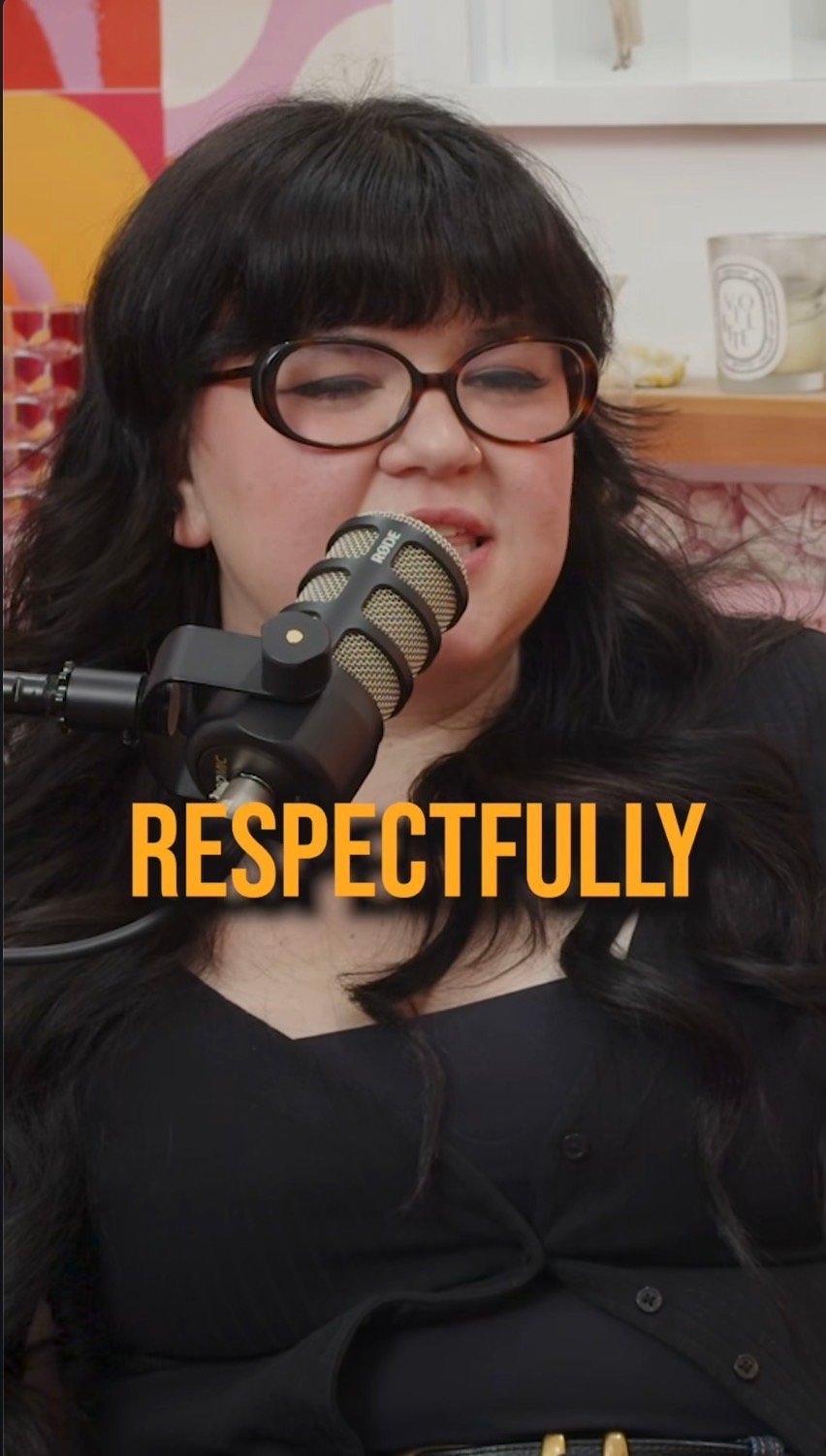
i love this clip from the “respectfully” podcast:
my goal for this season is building trust with myself in two specific areas:
trust in myself to be able to identify and address misalignment in the moment
trust in myself to be able to healthily navigate when someone tells me i’ve done something hurtful
what are two things you can build trust with yourself around? what are some ways you can build your inner reservoir of self-worth? you are already worthy, exactly the way you are. how do you connect with that inherent worth within you? let me know.
xoxo,
kuya von
i showed you my gooey center, please respond 👉👈
(you can reply directly to this email)
if you liked this, you’ll love vonreyes.com
eat local, buy small press, support your local library, and don’t call the police <3